
Eswatini
Africa's last absolute monarchy, tucked inside South Africa. Walking with white rhinos in the morning and watching 40,000 women dance at dusk. Smaller than Connecticut. Bigger than you'll expect.
What You're Actually Getting Into
Eswatini is entirely encircled by South Africa on three sides and Mozambique on the fourth. It is landlocked, small enough to drive across in two hours, and governed by one of the world's last remaining absolute monarchs. None of that sounds like a travel pitch. All of it is exactly why people who go tend to talk about it for years afterward.
What you will find is a country that hasn't been worn smooth by mass tourism. The Hlane Royal National Park has elephants, lions, and white rhinos. You drive yourself through it on gravel tracks and stop where you like. Mkhaya Game Reserve offers guided walks close enough to white rhinos that you can hear them breathe. Malolotja Nature Reserve in the western highlands has trails through montane grassland that you will share with nobody, and views that go all the way to Mozambique on a clear day.
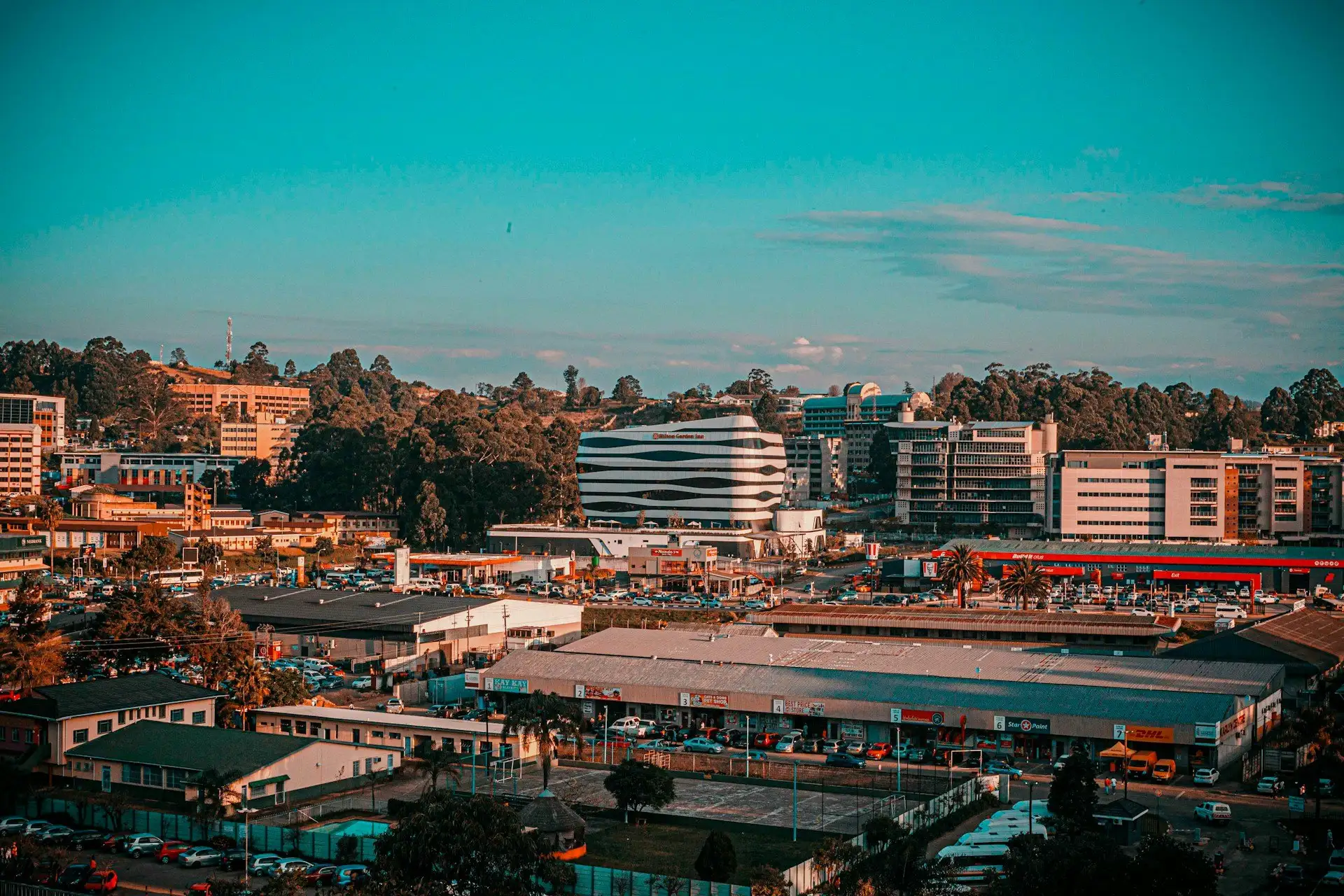
Mbabane, the administrative capital, is a practical town rather than a destination in itself. But the craft markets, particularly the one at Swazi Candles in Malkerns, are genuinely excellent without the aggressive upselling you get in larger African countries. The Swazi people are remarkably warm to visitors in a way that doesn't feel transactional.
The political context is worth naming. Eswatini is an absolute monarchy. Political parties are banned. The 2021 pro-democracy protests were put down forcefully, and some civil society tensions persist. For tourists, the day-to-day reality is calm and safe. But you are traveling to a country where basic political freedoms don't exist, and it's worth going with that awareness rather than ignoring it.
Eswatini at a Glance
A History Worth Knowing
The Swazi people's roots trace back to the Nguni migration southward from central Africa, with the distinct Swazi identity consolidating around the 1700s under King Ngwane III in what is now southern Mozambique. By the early 1800s, the kingdom had moved north and west into its present territory, shaped into a cohesive state under King Sobhuza I and then his son Mswati II, from whom the Swazi people take their name.
The 19th century brought the same pressures that reshaped every polity in southern Africa: Zulu expansion from the south, Boer settlers from the west, and eventually British colonial ambition from every direction. Eswatini navigated all of this with a combination of diplomacy and careful alliance-building. The British established a protectorate in 1903, but crucially, this was a protectorate rather than annexation. The Swazi monarchy survived and maintained its cultural and ceremonial authority throughout the colonial period in a way few African kingdoms managed.
Independence came in 1968 under King Sobhuza II, who had already been king for 46 years at that point and would continue to rule until 1982 in one of the longest reigns in recorded history. In 1973, Sobhuza suspended the independence constitution and banned political parties, concentrating power in the monarchy. That structure holds to this day under his son King Mswati III, who came to power in 1986 and has governed with a firm hand ever since.
The country's renaming from Swaziland to Eswatini in 2018 was Mswati III's decision, delivered as a surprise announcement on the 50th anniversary of independence. The logic: Swaziland was a colonial name with a European "-land" suffix. Eswatini, meaning "land of the Swazis" in siSwati, was always the local name. Most Swazi people welcomed it. Some older infrastructure and external organizations still use the former name.
The 2021 pro-democracy protests were the most significant political unrest in the country's modern history. Young people took to the streets demanding the right to vote for political parties and an end to absolute rule. The government's response was severe: internet shutdowns, live ammunition, and dozens killed. A national dialogue was promised and has moved slowly. The situation for tourists is calm, but the political reality should not be papered over with travel enthusiasm.
The Swazi nation consolidates under King Ngwane III. Distinct Swazi identity begins to form.
Kingdom reaches its greatest territorial extent. The Swazi people take his name.
Britain takes administrative control. Unlike many neighbours, the Swazi monarchy retains ceremonial authority.
King Sobhuza II leads the country to independence after a 46-year reign already in progress.
Political parties banned. Power concentrated fully in the monarchy. This structure remains today.
King Mswati III renames the country on the 50th anniversary of independence.
Largest unrest in decades. Dozens killed. A promised national dialogue continues slowly.
Top Destinations
Eswatini divides neatly into four ecological zones running north to south: the highveld in the west, the middleveld in the centre, the lowveld in the east, and the Lubombo plateau along the Mozambican border. Each has its own character. Most visitors spend their time in the highveld and middleveld, where the majority of parks, lodges, and cultural sites sit. The lowveld, hotter and flatter, is where Hlane Royal National Park sits and where the wildlife is most concentrated.
Mkhaya Game Reserve
The finest wildlife experience in Eswatini, and one of the more remarkable in southern Africa. Mkhaya was established specifically to protect the black and white rhino, and the walking safaris here are exceptional. Your guide takes you on foot into the reserve and the distance between you and a white rhino can shrink to ten metres. No vehicle glass, no safety barrier, just open grassland and a guide who knows these animals by their gait. Book through Big Game Parks, the organisation that manages it. Day visits and overnight stays both available.
Hlane Royal National Park
Eswatini's largest protected area, covering 300 square kilometres of lowveld savanna. Lions, elephants, white rhinos, hippos, giraffes, and a wide variety of antelope. You can self-drive most of the park with your own vehicle, which means you stop when you want and spend as long as you like watching an elephant pull an acacia tree apart thirty metres from your car. The guided game drives offered by the camp are also good value. Accommodation at Ndlovu Camp is basic but functional and the location, at a waterhole, is absurdly well-placed for early morning animal watching.
Malolotja Nature Reserve
The northwest corner of Eswatini, and dramatically different from the lowveld parks. High rolling grassland, waterfalls, and 200 kilometres of hiking trails. The Malolotja waterfall drops 95 metres into a valley that looks untouched. The reserve protects some of the oldest geology on earth: the Ngwenya iron ore mine on its border was in use 43,000 years ago, the oldest mine ever discovered. You'll often have entire trail sections to yourself. Bring a tent and use the backcountry camps.
Ezulwini Valley
The "Valley of Heaven," running south from Mbabane, is the cultural and hospitality heart of Eswatini. The Mantenga Cultural Village, the Mlilwane Wildlife Sanctuary, the craft markets, and most mid-range to upmarket accommodation are all here. It's where you'll spend most of your non-park time. Mlilwane is unusual in that it's a malaria-free sanctuary where you can cycle or walk unguided among zebra and warthog — something most African reserves don't offer.
Malkerns Valley
South of Ezulwini, quieter and greener. The Swazi Candles market here is the best craft shopping in the country: handmade candles, textiles, wood carvings, and jewellery at prices that are actually fair. The Gone Rural craft cooperative employs local women and sells woven products that are genuinely well-made. Also home to Tambuti, a restaurant set among sugarcane fields that is significantly better than it needs to be given where it is.
Mbabane
Eswatini's administrative capital sits at 1,200 metres in the Dlangeni hills and is cooler than the rest of the country. It's a working city rather than a tourist draw: good for banking, provisioning, and as a base for day trips. The Swazi Plaza and The Mall shopping centres have everything practical you need. The market near the central bus rank is worth an hour. Don't expect Mbabane to be the reason you came, but don't write it off entirely either.
Piggs Peak & the North
The northern highveld is the least-visited part of Eswatini and the most rewarding for independent travellers willing to drive gravel roads. The area around Phophonyane Lodge has some of the best forest waterfall hiking in the country: short trails through riverine forest to swimming holes below 30-metre cascades. The Phophonyane Falls themselves are genuinely beautiful and you'll likely have them entirely to yourself outside of South African public holidays.
Lubombo Conservancy
Along the border with Mozambique, the Lubombo plateau offers transfrontier conservation that links Eswatini to Mozambique's Maputo Special Reserve. Less developed than the western parks, which is either a problem or a feature depending on why you're travelling. Shewula Mountain Camp, community-owned and run, offers self-catering accommodation and guided walks with views across three countries on a clear day.
Culture & Etiquette
Swazi culture is warm, generous, and not particularly demanding of tourists. English is an official language and widely spoken, so the language barrier is minimal. The cultural expectations that do exist are sensible once you understand their logic, and Swazi people are generally patient with visitors who are clearly making an effort.
The most important thing to understand is that this is a deeply communal society where respect for elders and for the royal family is not optional formality but genuine expectation. You don't need to navigate the details of royal protocol as a tourist, but you should know it exists and behave with appropriate awareness.
Swazi greetings are important. Even a brief "Sawubona" (I see you, singular) or "Sanibonani" (plural) before launching into a question is noticed and appreciated. It takes four seconds.
In rural areas and at cultural ceremonies, covered shoulders and knees for women are appreciated. At the Umhlanga Reed Dance, follow the instructions of local organisers on where and how to observe.
Particularly at ceremonies and in traditional settings. Most people will say yes warmly. The act of asking changes the interaction completely.
Gone Rural, Swazi Candles, and the Tintsaba craft cooperative all pay artisans fairly. The quality is also genuinely better than roadside stalls.
If you're invited to share a meal in a rural home, accept. You will eat sishwala (stiff maize porridge) with some form of relish and it will be one of the better meals of your trip in terms of what it means rather than what it contains.
Sedition laws exist and are enforced. This is not a risk-free conversation topic with people you've just met. Save political discussions for contexts where you understand who you're talking to.
Military-pattern clothing is illegal for civilians in several southern African countries, including Eswatini. Don't pack it. This is not a border-crossing technicality; it's taken seriously.
Eswatini is not a South African province. It has its own laws, customs, currency, and culture. Treat it as the sovereign country it is.
Prices at the better craft cooperatives are already fair. Hard bargaining at a cooperative that pays women's wages is not a travel win.
Mkhaya Game Reserve requires advance booking for both day visits and overnight stays. Turning up without a reservation means you won't be admitted. Book through Big Game Parks at least a week out.
The Umhlanga Reed Dance
Held annually in late August or early September, the Umhlanga brings tens of thousands of unmarried Swazi women to the Queen Mother's royal residence at Ludzidzini to cut reeds and perform ceremonial dances. It's one of Africa's largest traditional ceremonies and tourists are welcome to observe designated areas. Check the exact dates each year as they vary. Dress conservatively and follow the guidance of local marshals without question.
Incwala Ceremony
The Incwala, or First Fruits ceremony, is the most sacred of Swazi ceremonies and takes place in December or January. Tourists are permitted to observe but the rules of engagement are strict: specific viewing areas, no photography at certain stages, and no entry without approval. It's genuinely remarkable to witness but requires research and preparation beforehand.
Music and Craft
Eswatini has an active contemporary arts scene centred around the House on Fire venue in Malkerns, which hosts music, performance, and the annual Bushfire Festival every May. The festival draws musicians from across Africa and the diaspora and is one of the continent's better music events. Book accommodation months in advance if you're going for Bushfire.
Rural Community Stays
Shewula Mountain Camp, Nisela Safaris, and several other community tourism initiatives offer overnight stays in rural homesteads. These are run by local communities for their own economic benefit. They're not glamping and they're not for everyone, but they offer a version of Eswatini that no game lodge can replicate.
Food & Drink
Eswatini's food scene is honest rather than remarkable. Traditional Swazi cuisine is built around maize and starchy staples. The restaurant scene in Mbabane and the Ezulwini Valley has improved steadily and can genuinely surprise you. But the real food experiences are at a braai by a waterhole in Hlane, or sharing a meal in a rural homestead, or eating a grilled peri-peri chicken with Sibebe beer at a roadside spot while watching the Ezulwini Valley go orange at 6pm.
Sishwala
The traditional base of Swazi cooking. Stiff maize porridge, similar to South African pap or East African ugali. Eaten with spinach relish (imifino), beans, or small pieces of meat. Not exciting on paper. Comforting and filling in practice, especially at altitude in the highlands on a cold morning.
Braaied Meat
The cooking culture of southern Africa dominates. Every lodge, camp, and many roadside spots will offer grilled chicken, boerewors (a coiled spiced sausage), and beef chops over an open fire. The quality ranges from very good to exceptional depending on where you are. Ask where the warthog or impala meat comes from before you get too enthusiastic — the better lodges source from their own reserves.
Tilapia
Freshwater fish from the country's rivers and reservoirs. Usually grilled whole with lemon, chilli, and salt. Found at local restaurants throughout the middleveld and lowveld. Better than the beef in most roadside spots and significantly cheaper. Order it wherever you see it listed on a chalkboard.
Sibebe Beer
The national lager, brewed in Mbabane and named after Sibebe Rock, the world's largest exposed granite dome which sits just outside the capital. Served cold in 660ml bottles. Clean, light, and perfectly appropriate for the climate. A bottle at a lodge costs between 30 and 50 SZL. A bottle at a local shebeen (informal bar) costs considerably less.
Emahewu
A fermented maize drink, slightly sour and lightly alcoholic, drunk from a shared container at traditional gatherings. You'll encounter it at cultural villages and community events. Trying it is good manners and the right thing to do. The flavour is an acquired taste that some people acquire immediately and others never do.
Lodge Dining
The better lodges in Eswatini, particularly Mlilwane's Hippo Haunt, Phophonyane Lodge, and the camps at Mkhaya, serve food that punches well above their modest prices. Three-course dinners with local ingredients, eaten outdoors in the dark to the sound of frogs and distant animals, are a genuine experience. Budget around 200–400 SZL for a full dinner.
When to Go
The dry season from May to September is the standard recommendation for wildlife and hiking, and it's correct. The bush thins out, the air is clear and cool, and animals concentrate around water sources which makes spotting easier. Nights in the highveld can drop to single figures in July, so bring a fleece even if you're coming from summer. The Umhlanga Reed Dance falls in late August or early September and is reason enough on its own to time your trip to this window.
Dry Season
May – SepCool, dry, and excellent for wildlife. Vegetation is at its thinnest, making animals easier to see in the parks. The highlands are crisp and perfect for multi-day hiking. August brings the Umhlanga Reed Dance. Book accommodation early if timing around the ceremony.
Shoulder
Mar – Apr / OctThe transition months have mild temperatures and decent wildlife viewing. October starts to warm up but the bush is still relatively open. April after the rains begins to thin out and offers good hiking conditions with green landscapes.
Wet Season
Nov – FebSummer brings heavy afternoon thunderstorms, lush green landscapes, and reduced wildlife visibility as animals spread out across the well-watered bush. Roads in remote areas can become impassable. The Incwala ceremony falls in December or January and is worth seeing if you can navigate the wet-season conditions around it.
Bushfire Festival
MayThe annual Bushfire music and arts festival at House on Fire in Malkerns draws thousands of people and some of Africa's best musicians. A long weekend of extraordinary music in a beautiful outdoor setting. Book accommodation in the Ezulwini and Malkerns valleys four to six months out.
Trip Planning
Three to five days is the sweet spot for a first visit to Eswatini. Less than three days and you'll spend too much time driving between the highlands and the lowveld without absorbing either. More than a week requires genuine curiosity about the quieter corners and a tolerance for a country where "nothing much is happening" is the entire point of some afternoons.
Most people enter overland from South Africa through the Oshoek/Ngwenya border post on the MR3 highway west of Mbabane. It's the quickest crossing and handles the most traffic. The Lavumisa/Golela post in the south is useful if you're coming from KwaZulu-Natal. Allow extra time during South African public holidays when queues stretch for kilometres.
Ezulwini Valley
Cross the Oshoek border mid-morning. Drive down to Ezulwini and check in. Afternoon at Mlilwane Wildlife Sanctuary, either cycling or walking the short trails with zebra and warthog. Dinner at Hippo Haunt. This is a gentle first day that adjusts your expectations about what southern Africa can look like outside of game lodges at five times this price.
Mkhaya Game Reserve
Book a day visit through Big Game Parks (essential — no walk-ins). Guided morning walk with white rhinos. Afternoon game drive. This is the experience most people come to Eswatini for. Back to Ezulwini by evening. Malkerns craft markets if you have time and energy.
Malolotja or Mbabane
If you want active: a morning hike at Malolotja in the western highlands before heading back to the South Africa border. If you want calm: Mbabane market, Mantenga Cultural Village, and a slow drive back through the Ezulwini Valley. Cross at Oshoek before 4pm to avoid the late afternoon queue.
Ezulwini Valley + Mkhaya
Day one at Mlilwane and the Mantenga Cultural Village. Day two at Mkhaya for the walking safari — book overnight if the budget allows. The stone camp at Mkhaya is extraordinarily good value and the night sounds alone are worth it.
Hlane Royal National Park
Drive east to Hlane in the lowveld. Self-drive game drive through the northern section in the afternoon — late afternoon is when the elephants move toward the waterhole near Ndlovu Camp. Stay overnight at Ndlovu for the best wildlife viewing of the trip.
Malolotja + Malkerns
Drive west across the highveld to Malolotja for a half-day or full-day hike. The Phophonyane waterfall trail takes three to four hours and is manageable for most fitness levels. Final afternoon at the Swazi Candles and Malkerns markets before heading back toward the border.
Ezulwini + Mkhaya Overnight
Arrive, settle in Ezulwini. Overnight at Mkhaya stone camp with evening and morning guided walks. Two rhino encounters in 24 hours is entirely possible.
Hlane + Lubombo
Two nights in the lowveld. Hlane self-drive and guided game drives. Side trip to Shewula Mountain Camp in the Lubombo for the views east toward Mozambique. Birdwatching along the Lubombo ridgeline is exceptional for keen birders.
Northern Highveld + Piggs Peak
Head north. Two nights based near Piggs Peak with hiking at Phophonyane Falls. The northern gravel roads through pine forests and traditional homesteads are some of the most atmospheric driving in the country. Slow down, stop at viewpoints, and arrive back at the Oshoek border on day seven.
Vaccinations
Malaria risk exists in the lowveld (Hlane area), particularly during the wet season. Prophylaxis recommended if visiting Hlane between October and May. Hepatitis A, Typhoid, and routine vaccines recommended. The highveld (Mbabane, Ezulwini, Malolotja) is malaria-free.
Full vaccine info →Connectivity
MTN and Eswatini Mobile (ESNNET) are the main networks. MTN SIM cards are available at the border and in Mbabane. Coverage is good in the Ezulwini and Malkerns valleys, patchy in the highlands and remote reserves. Download offline maps before leaving urban areas.
Get eSIM →Power & Plugs
Type M plugs (large three-pin, same as South Africa). 230V. South African appliances work without adapters. European and American visitors need adapters. Power cuts occur occasionally; lodges typically have backup generators.
Language
English and siSwati are both official languages. English is widely spoken in Mbabane, Ezulwini, and at all tourist facilities. Learning a few siSwati greetings goes a long way. "Sawubona" (hello, singular), "Ngiyabonga" (thank you). People will appreciate the effort enormously.
Travel Insurance
Medical facilities in Mbabane are adequate for standard treatment. Serious trauma or illness will require evacuation to South Africa. Travel insurance with emergency evacuation cover is strongly recommended. Carry your policy details and emergency contact number at all times.
Driving
A private vehicle or rental car is essentially required to see Eswatini properly. Public transport between towns exists but is slow, infrequent, and doesn't reach the national parks. Roads in the Ezulwini and Malkerns valleys are paved and good. Highland and lowveld park roads can be gravel and corrugated. A standard sedan manages fine in the dry season; 4WD opens up more of the north.
Transport in Eswatini
There is no rail network in Eswatini. There are no domestic flights. The country is small enough that this doesn't matter — you can drive from the western border to the eastern lowveld in under two hours on a clear day. What matters is having access to a vehicle.
Eswatini does not have Uber or any app-based ride service. Taxis operate in Mbabane and Manzini but are informal — negotiate the fare before getting in. Long-distance minibus taxis (combi taxis) run between towns on fixed routes and are cheap and functional but slow.
Car Rental
R600–1,200/dayThe only practical way to see the parks and highlands independently. Rent in Johannesburg before crossing the border — it's significantly cheaper than the limited options in Mbabane. Confirm your rental agreement allows South African vehicles to enter Eswatini (most do, but check).
Combi Taxi
20–50 SZL/journeyShared minibus taxis run between Mbabane, Manzini, and smaller towns. Cheap, functional, and a genuine local experience. Not useful for reaching national parks but fine for moving between urban centres.
Taxi
Negotiate before boardingFound outside the bus rank in Mbabane and the central market in Manzini. Agree the fare before you get in. Fares within Mbabane should be 50–100 SZL depending on distance.
Intercity Bus
30–80 SZLScheduled buses run between Mbabane and Manzini and to border towns. Slower than driving yourself but useful if you're without a vehicle for a day leg.
Bicycle
R80–150/dayMlilwane Wildlife Sanctuary rents mountain bikes for use within the reserve — one of the more unusual cycling experiences in Africa. The Ezulwini Valley roads are manageable by bike for confident cyclists.
Horse Safari
R400–600/half dayMlilwane and a few other operators offer guided horse safaris through wildlife areas. Watching a herd of zebra from horseback while they largely ignore you is one of the more disarming experiences the country offers.
Guided Safari Transfer
From R800Big Game Parks and several lodges offer guided transfers between reserves. Useful if you're not comfortable driving in an unfamiliar country or want a guide throughout. Book in advance.
King Mswati III Airport
Charter onlyEswatini's main international airport near Manzini operates limited regional routes. Most international visitors fly to Johannesburg OR Tambo and drive or take a shuttle across. Check current scheduled services as routes change frequently.
Accommodation in Eswatini
The best accommodation in Eswatini is at or near the wildlife reserves. A night at Mkhaya stone camp, eating dinner around a fire with the sounds of the bush around you, or waking at Ndlovu Camp in Hlane to find an elephant twenty metres from your chalet, is the kind of experience that doesn't require a five-star hotel to deliver. That said, the Ezulwini Valley has comfortable mid-range lodges that work well as a base for day trips.
Game Reserve Camp
R600–2,000/nightNdlovu Camp at Hlane, Mkhaya stone camp, and Mlilwane's various options offer self-catering chalets or tented accommodation inside the reserves. Basic by international safari standards, extraordinary for the price and access they provide.
Valley Lodge
R800–2,500/nightThe Ezulwini and Malkerns valleys have a range of mid-range lodges and guesthouses. Malandela's Guest House in Malkerns and the various lodges near Mantenga Falls are reliable choices with good gardens and decent food.
Guesthouse
R400–800/nightMbabane has a reasonable spread of guesthouses from budget to comfortable. Useful as a base if you need city facilities, banking, or provisioning before heading into the parks. Not especially atmospheric but functional and often good value.
Forest Lodge
R700–1,800/nightPhophonyane Lodge near Piggs Peak in the north is a genuinely special property: rondavels set in indigenous forest, river access, and walking trails directly from your door. Book it as a destination rather than a base.
Budget Planning
Eswatini is genuinely affordable compared to most safari destinations. The reserve fees, accommodation, and food are all priced for a regional market rather than international luxury tourism. A family of four can do a serious wildlife itinerary, including overnight stays at the game reserves, for a fraction of what the same trip would cost in Kenya or Botswana. The lilangeni is pegged 1:1 to the South African rand, so if you understand South African pricing, you understand Eswatini.
- Hostel dorm or basic guesthouse
- Local restaurants and roadside food
- Combi taxis between towns
- Mlilwane self-guided walks (free with entry)
- Sibebe beer at local shebeens
- Game reserve chalets or valley lodge
- Rental car or guided day trips
- Mix of lodge dining and local restaurants
- Mkhaya day visit and Hlane overnight
- Craft market shopping budget
- Best lodges in the valley and forests
- Mkhaya overnight with full board
- Private guided game drives
- Horse safaris and specialist activities
- Full lodge dinners with wine
Quick Reference Prices
Visa & Entry
Citizens of many countries including the US, UK, EU member states, Australia, Canada, South Africa, and most Commonwealth nations can enter Eswatini visa-free for up to 30 days. Most visa-free visitors can extend to 60 days by applying at the Department of Immigration in Mbabane after arrival.
If you are traveling overland from South Africa, the main crossing for tourists is Oshoek/Ngwenya on the MR3, roughly an hour's drive west of Mbabane. The crossing is generally quick on weekdays. Allow 30 to 60 minutes during peak periods. You will need your passport, a completed arrival card, and — practically speaking — the address of your first night's accommodation.
Most Western passport holders enter without a visa. Confirm the full list via the Eswatini Ministry of Home Affairs before travel, as the list is updated periodically.
Family Travel & Pets
Eswatini works very well for families, particularly those with children old enough to appreciate wildlife without requiring constant entertainment infrastructure. The malaria-free Mlilwane Wildlife Sanctuary is the best starting point: kids can cycle through the reserve among zebra and warthog, and the low-key atmosphere is a world away from the overwhelming scale of East African safari parks. The Mantenga Cultural Village has a performance of traditional Swazi music and dance that holds children's attention reliably.
The lowveld parks, particularly Hlane, carry a low malaria risk during the wet season months. If visiting with young children between October and May, consult a travel health clinic about appropriate prophylaxis. The dry season greatly reduces this risk.
Mlilwane Cycling
Cycling among free-roaming zebra, impala, and warthog in a malaria-free sanctuary is the single best family activity in the country. Bikes available for hire at the camp. Children who are confident cyclists from around age 8 upward can manage the main trail loops.
Mantenga Cultural Village
The cultural village near Mantenga Falls has a scheduled performance of traditional Swazi music, drumming, and dance that runs daily. Well-organised, genuinely engaging for all ages, and presented with clear explanatory context. Allow two hours including the walk to the waterfall.
Hlane Self-Drive
Finding a herd of elephants from your own car, at your own pace, without a guide, at a price well under what comparable experiences cost elsewhere in Africa, is a memorable family moment. Children who've only seen these animals at zoos are reliably astonished.
Swazi Candles Workshop
The Swazi Candles craft market in Malkerns occasionally runs candle-making workshops for visitors. Call ahead to confirm availability. The market itself, with its brightly coloured hand-dipped candles and craft stalls, keeps children entertained for a solid hour even without a workshop.
Waterfall Hikes
Malolotja and Phophonyane both have accessible waterfall trails that work for children of reasonable fitness (ages 7 and up for the shorter routes). Swimming holes below the falls are clean and safe in the dry season. Bring sandals and a change of clothes.
Horse Safaris
Mlilwane and one or two other operators offer guided horse safaris suitable for confident young riders. Being at eye level with a zebra from horseback, while the zebra entirely ignores you, is an experience that tends to become a long-running family story.
Traveling with Pets
Bringing pets into Eswatini from South Africa is technically possible but requires current vaccination records including rabies, a health certificate from a registered veterinarian issued within ten days of travel, and presentation at the border veterinary post. The process is straightforward if your documentation is complete.
Pet-friendly accommodation is limited. Most lodges and game reserve camps do not allow pets, for the obvious reason that wildlife reserves and domestic animals are a poor combination. Some guesthouses in Mbabane and the Ezulwini Valley accept well-behaved dogs with advance notice. Research your specific accommodation thoroughly before booking.
If you are driving from South Africa with a pet, be aware that Eswatini borders Mozambique and that Mozambican entry requirements for pets are entirely different and considerably more complicated. Pets should not cross into Mozambique without extensive prior preparation.
Safety in Eswatini
Eswatini is one of the safer countries in southern Africa for tourists. Violent crime against visitors is rare. The national parks are genuinely safe. The Ezulwini and Malkerns valleys, where most tourists spend their time, feel relaxed and low-threat in a way that Johannesburg or Durban decidedly do not.
The realistic risks are the same ones that apply across the region: opportunistic petty crime in urban centres, road safety issues, wildlife encounters if you ignore common sense, and the political sensitivity of criticising the monarchy. Plan for these and the rest takes care of itself.
Tourist Areas
The Ezulwini Valley, Malkerns Valley, and the national parks are very safe. Petty theft is rare. Most visitors complete entire trips without incident.
Manzini City Centre
Eswatini's largest city and commercial hub has a higher rate of petty crime than the tourist valleys. Keep valuables out of sight, avoid the bus rank area after dark, and don't walk alone at night in unfamiliar parts of the city.
Road Safety
Eswatini's roads carry a significant road accident burden. Minibus taxis travel fast and overtake aggressively. Drive defensively, avoid driving after dark on rural roads where possible, and watch for pedestrians and livestock on road verges.
Wildlife Encounters
The game reserves are managed, but animals are wild. Do not exit your vehicle in Hlane except in designated areas. At Mkhaya, follow your guide's instructions without deviation. Keep a minimum safe distance.
Political Sensitivity
Public criticism of the king or royal family is a criminal offence. Be aware of this in public conversations. The tourism experience is calm and government-positive; this context requires awareness rather than fear.
Healthcare
Mbabane's Mbabane Clinic and Manzini's Raleigh Fitkin Memorial Hospital can handle standard medical situations. Serious trauma requires evacuation to South Africa. Travel insurance with evacuation cover is essential.
Emergency Information
Embassies & Consulates
Most countries with diplomatic representation in Eswatini are based in Mbabane. Several nations handle Eswatini consular matters from their South African embassies in Pretoria — check with your government before travel.
Book Your Eswatini Trip
Everything in one place. These are services worth actually using.
Smaller Than You Think. Longer Than You'll Stay.
Most people come to Eswatini as part of a South Africa trip. A long weekend, three nights, done. Most of them immediately start planning how to come back for longer. The country has a way of delivering experiences — a white rhino breathing beside you in an open field, 40,000 women in traditional dress moving as a single living thing — that don't scale down to a highlight reel. They stay with you in a way that the bigger, more curated safari destinations sometimes don't.
There is a siSwati concept called siyabonga. It is used for gratitude, but it carries something richer than a simple thank you. An acknowledgment of connection. Of being seen and receiving something from another person. Swazi people use it freely and mean it. It's a decent lens for how to travel here: arrive grateful, engage fully, leave something better than you found it.