
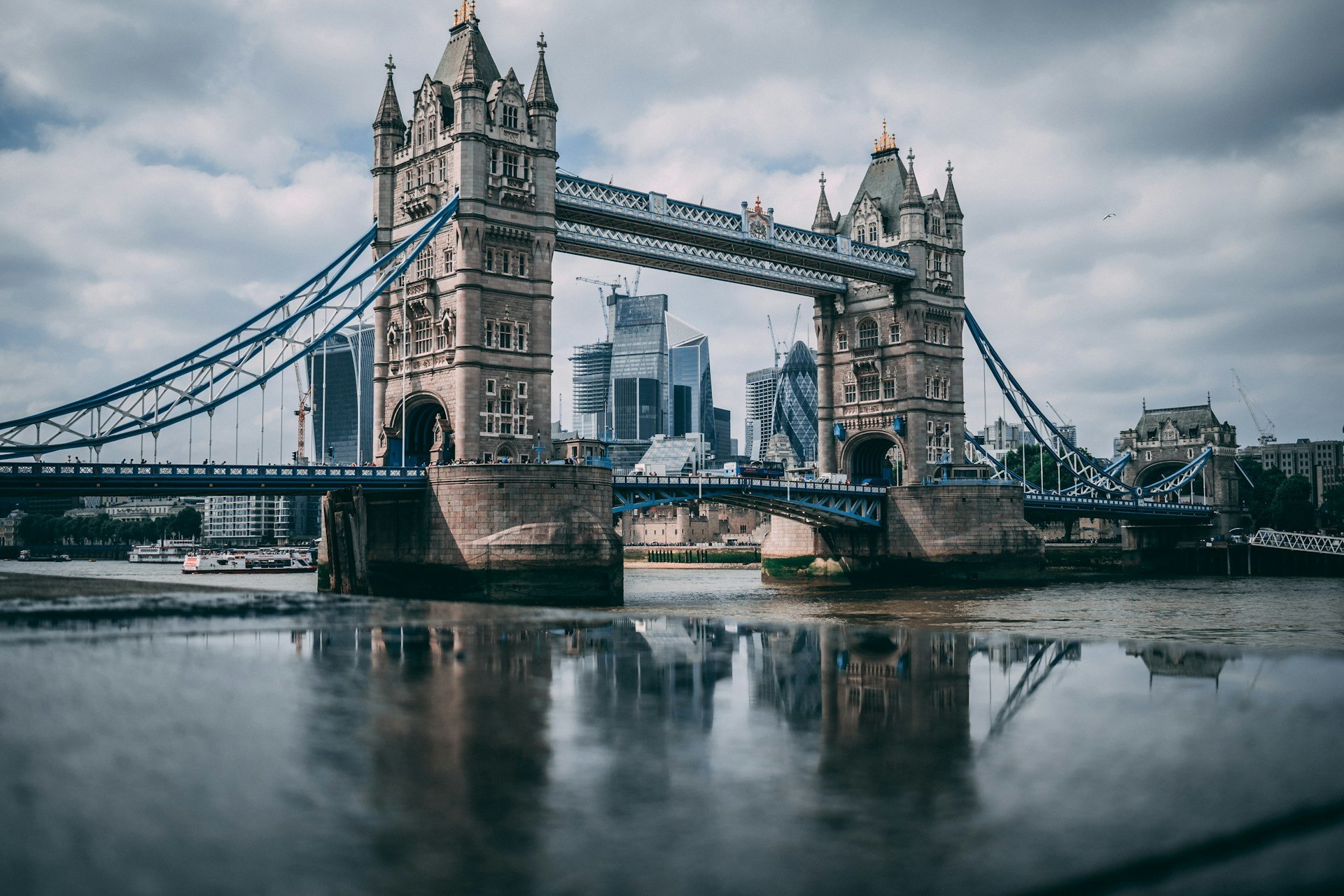
United Kingdom
Four nations held together by shared institutions, ancient grievances, and a collective refusal to discuss emotions directly. The pubs are excellent. The weather is exaggerated. The landscape will surprise you.
What You're Actually Getting Into
The United Kingdom is not one country in the way that most countries are one country. It is a constitutional union of four nations — England, Scotland, Wales, and Northern Ireland — each with its own character, history, and in several cases its own government, legal system, and language. Scotland has the Scottish Parliament and Scottish law. Wales has the Senedd and the Welsh language on every road sign. Northern Ireland has the Stormont Assembly and a political geography shaped by 30 years of conflict that ended less than 30 years ago. England runs the show, broadly, and has been dealing with the resentments this produces for several centuries.
For visitors, the practical implication is that you are not visiting one place. London is not representative of the UK any more than New York is representative of the United States. The difference between the Scottish Highlands and the London commuter belt is not a matter of degree — it is a different civilization using the same passport. Plan your trip by region, not by country.
The weather is the first thing everyone mentions and not the first thing that matters. Yes, the UK is wetter than most European holiday destinations. Yes, a grey drizzle is genuinely possible in July. It is also possible to have blazing sunshine and 25°C in March, and utterly dismal cloud in August. The weather is not reliably bad — it is reliably unreliable. The British relationship with this is deep, ironic, and philosophically sophisticated. Pack layers. Check the forecast the morning of. Stop talking about it and go outside.
The greatest trip-planning mistake: concentrating entirely on London. London is world-class and deserves five days minimum. It is also nothing like the rest of the country. The Lake District, the Scottish Highlands, the Welsh mountains, the Cotswold villages, the Northern Irish coastline — these are extraordinary landscapes and experiences that a London-only trip entirely misses. Two weeks that splits time between London and one or two other regions beats a two-week London deep-dive almost every time.
United Kingdom at a Glance
A History Worth Knowing
British history is the history of an archipelago that has absorbed invasion after invasion — Romans, Anglo-Saxons, Vikings, Normans — and synthesized each into something new. It is also the history of an empire that at its peak controlled a quarter of the earth's land surface and left its mark — in language, law, architecture, cricket, and constitutional forms — on more places and more people than any other political entity in history. Both of these facts are relevant to understanding modern Britain, which is simultaneously proud of the first and engaged in an ongoing, unresolved debate about the second.
The Romans arrived in 43 CE under Emperor Claudius and occupied most of what is now England and Wales for nearly 400 years. Hadrian's Wall — 73 miles across northern England, built from 122 CE — marks the northern limit of the empire and is still walkable for its full length. The Romans left in 410 CE and the vacuum they left was filled by waves of Anglo-Saxon migration from what is now Germany and Denmark, whose language became the basis of modern English. The Vikings arrived from the 9th century, establishing settlements particularly in the north and east.
The Norman Conquest of 1066 is the event around which British history pivots. William the Conqueror's victory at Hastings on October 14 was followed by a comprehensive transformation of English governance, language, and culture. The aristocracy became French-speaking. Latin remained the language of law and the church. Anglo-Saxon continued as the language of the common people. The fusion of all three over centuries produced modern English — one of the most linguistically promiscuous languages in history, which is why it has a word count three times larger than French and borrows without embarrassment from every language it encounters.
Magna Carta in 1215, Parliament in 1265, the long constitutional struggle between Crown and Parliament culminating in the English Civil War (1642–51), the execution of Charles I, the Restoration, the Glorious Revolution of 1688 — these are the milestones of a constitutional development that produced the template for parliamentary democracy subsequently adopted, in various forms, across most of the world. The British constitution is unwritten, which is simultaneously impressive (it has adapted continuously without formal replacement) and maddening (nobody fully agrees on what it says).
The British Empire expanded through trade, war, and settlement from the 16th century through the 19th, reaching its maximum extent after WWI. The transatlantic slave trade — in which British merchants transported approximately 3 million enslaved African people to the Americas between the 17th and early 19th centuries — is a central and insufficiently processed part of this history. Abolition in 1833 was followed by compensation paid to slave owners (not enslaved people), a moral and financial fact that the UK only fully acknowledged and addressed in public discourse in the 2020s following the Black Lives Matter movement's renewed attention to historical statues and legacies.
The 20th century brought two world wars in which Britain's role was central and costly: approximately 700,000 dead in WWI, 450,000 in WWII. The post-war decades brought the welfare state (NHS founded 1948, one of the institutions Britons are most proud of), decolonization, mass immigration from the Caribbean and South Asia, and eventually the sustained economic crises of the 1970s that produced the Thatcher era. The 1998 Good Friday Agreement ended the Troubles in Northern Ireland. Devolution in 1999 created the Scottish Parliament and the Welsh Assembly. Brexit — the UK's departure from the EU following a 52–48% referendum in 2016 — reshaped the country's relationship with Europe and produced political divisions that are still working through the system a decade later.
What this means for visitors: the UK is a country in the middle of working out who it is. The Brexit argument, the Scottish independence question, the legacy of empire, the NHS under pressure — all of these are live political debates that Britons discuss with genuine passion. Arriving with some awareness of these conversations makes everything you see and hear more intelligible, and the conversations you have with British people more interesting.
Romans occupy most of England and Wales for nearly 400 years. Hadrian's Wall (122 CE) marks the northern limit — still walkable today.
William the Conqueror defeats Harold at Hastings. The French-speaking Norman aristocracy reshapes English law, language, and culture. Modern English is the result.
King John forced to sign the charter establishing limits on royal power. The template for constitutional governance that most of the world has since adopted in some form.
Parliament vs. Crown. Charles I executed 1649. Cromwell's Commonwealth. The Restoration. The constitutional settlement that follows defines British governance.
England and Scotland formally united as Great Britain. Ireland added in 1801. The United Kingdom as a legal entity dates to 1801.
The National Health Service: universal free healthcare at point of use. One of the most significant social achievements of the 20th century and the institution Britons will defend most passionately.
Ends the Troubles in Northern Ireland. 3,500 deaths over 30 years. A political compromise that still defines the constitutional arrangements of the island of Ireland.
UK formally leaves the EU. Scottish independence debate intensifies. Northern Ireland Protocol creates a new constitutional complexity. The argument continues.
Top Destinations
The UK divides naturally into four nations, each with distinct character and landscape. England contains London (its own universe), the rural south and southwest, the Midlands, the north from Yorkshire to the Scottish border, and everything in between. Scotland is Edinburgh and Glasgow plus enormous wilderness that most visitors never reach. Wales is compact, mountainous, and linguistically distinct. Northern Ireland is the island of Ireland's northeastern corner, with its own complicated beauty and history.
London
Nine million people, 300 languages spoken, and the most concentrated collection of free world-class museums anywhere on earth. The British Museum, the National Gallery, the V&A, the Natural History Museum, the Science Museum, the National Portrait Gallery, Tate Modern, Tate Britain — all free. All extraordinary. Add the Tower of London (not free, worth it), Shakespeare's Globe (tickets from £5 standing), and the South Bank on a summer evening, and you have enough for a week without repeating yourself. The mistake most visitors make is spending all their time in Zone 1 tourist central. Take the Overground to Peckham or Dalston. Walk across Hammersmith Bridge. Visit Borough Market on a Saturday morning. The real city is in the neighborhoods, not the landmarks.
Edinburgh
Built on volcanic rock above a bowl of city, Edinburgh has one of the most dramatic urban settings in Europe. The castle on the summit, the Royal Mile running down to the Palace of Holyroodhouse, Arthur's Seat (an extinct volcano inside the city limits, 45 minutes to walk up, extraordinary views), and the Georgian New Town — all within walking distance. The Edinburgh Festival in August is the largest arts festival in the world, transforming the city for three weeks into something barely controlled and completely magnificent. Book accommodation months ahead for August. In every other month, Edinburgh is more walkable, more affordable, and more genuinely itself without the festival overlay. The National Museum of Scotland on Chambers Street is free and exceptional.
Scottish Highlands & Islands
The Isle of Skye — reached by bridge from the Kyle of Lochalsh — is the most photographed landscape in Scotland: the Quiraing's folded rock formations, the Fairy Pools' turquoise water, the Cuillin ridge silhouetted at dusk. It is genuinely extraordinary and genuinely crowded in summer. Glencoe, two hours north of Glasgow, is a valley of such severe beauty that it reads as almost theatrical — narrow, steep-sided, with the ruins of the MacDonald clan township at its mouth. Torridon and Assynt in the northwest are where genuine remoteness begins: mountains that look ancient because they are (some of the oldest rock on earth), lochs that might not have another person in sight for hours. Requires a car. Requires planning. Completely worth the investment.
Cotswolds
The limestone-built villages of the Cotswolds — Bourton-on-the-Water, Burford, Chipping Campden, Castle Combe — represent the England of golden stone and rose-covered walls that exists in the international imagination. They are real, they are beautiful, and they are extremely visited. The classic approach: base in a village that's slightly off the main tourist circuit (Painswick, Bibury, Lacock) rather than in Bourton-on-the-Water or Chipping Norton, and walk the Cotswold Way between villages. The footpath network connects almost everything. The best time is autumn, when the tourist coaches have gone and the turning leaves add to the colour.
Lake District
England's largest National Park, in Cumbria in the northwest. Sixteen lakes (technically "waters" and "meres" in the local dialect, which is a thing the Lake District people care about), fells that turn purple with heather in late summer, and a literary legacy — Wordsworth was born here, Beatrix Potter farmed here, Coleridge walked here — that shaped English Romanticism. The Langdale Pikes, Helvellyn, and Scafell Pike (England's highest mountain at 978m) are the walking targets. Ambleside and Windermere are the practical bases. The crowds in July and August at Bowness on Windermere are real; the surrounding fells are empty by comparison.
Snowdonia & Wales
Wales is the UK's most overlooked nation and has one of Europe's most dramatic mountain landscapes. Snowdon (1,085m) is Wales's highest peak and accessible by both walking trail and the Snowdon Mountain Railway. The Brecon Beacons in the south offer more remote hiking. The coastline — Pembrokeshire in the southwest, the Llŷn Peninsula in the northwest — is genuinely outstanding with some of the UK's clearest water. Hay-on-Wye, the town that reinvented itself as a used bookshop destination in the 1970s, has more bookshops per capita than anywhere on earth. Cardiff, the capital, has a compact and very walkable Victorian city centre and some excellent restaurants.
Northern Ireland
Northern Ireland is the UK's most historically complex and most scenically underrated destination. The Giant's Causeway — 40,000 interlocking basalt columns formed by ancient volcanic activity, UNESCO-listed — is extraordinary and justifies the trip alone. The Causeway Coastal Route between Belfast and the Giant's Causeway passes the Carrick-a-Rede rope bridge, Dunluce Castle, and some of the most dramatic coastal scenery in the British Isles. Belfast has made a genuinely honest attempt to reckon with its Troubles history through the Black Taxi tours of the mural-covered peace walls and the Titanic Belfast museum. The political murals in the Falls Road and Shankill Road areas are one of the more unusual pieces of outdoor public art in Europe and require some context to read correctly.
York, Durham & the North
York is the most intact medieval city in England: the Shambles (a medieval street of overhanging timber-framed buildings), the Minster (one of the largest Gothic cathedrals in Northern Europe), and 3km of walkable city walls. Durham Cathedral, 45 minutes north, is considered by many architects to be the finest Norman building in existence. Leeds has the best restaurant scene outside London. Manchester has the Northern Quarter, Ancoats, and a music culture that produced more significant British bands than any city except possibly Liverpool. The North has a distinct identity from the South of England, an accent it maintains proudly, and a relationship with London that involves equal parts resentment and indifference.
Culture & Etiquette
British social culture is built around indirectness, understatement, and a deep suspicion of anyone who appears to be trying too hard. The British say "that's quite nice" when they mean "that's extraordinary." They say "I might be wrong about this" as a preamble to information they are completely confident about. They apologise when you step on their foot. They queue with a religious devotion that reaches its peak expression at a bus stop and its philosophical apex in an orderly line for the checkout at a supermarket at 5:30pm on a Friday. None of this is politeness theater — it is how the culture actually processes social interaction, and adapting to it makes everything smoother.
The pub is the central social institution. Understanding how pubs work — you order at the bar, not at the table in most traditional pubs; there are no waiters; you pay when you order, not at the end — saves the embarrassment of sitting in a corner waiting for someone to come to you. The round system (taking turns buying drinks for the group) is real and has its own etiquette: never duck a round, always offer before being asked. The pub is not the same as a bar. It is a specific institution with a specific role — community meeting room, debate venue, place to process grief or celebrate football — that has no precise equivalent outside the British Isles.
This is non-negotiable. Queue-jumping is one of the most serious social transgressions in British culture. If there is a queue, join the back of it. If the queue system is unclear, ask where the end is. The phrase "are you in the queue?" is not aggressive — it is British bureaucratic anxiety in its purest form, and the correct answer is "yes" or "no" followed by indicating where the back is.
On the London Underground, stand on the right side of the escalator. The left is for walking. This rule is enforced by social pressure that is more effective than any law. Violating it will produce a silence more withering than any spoken complaint. The correct response is to move immediately to the right without comment.
It sounds like a cliché because it is accurate. The weather is the lubricant of British social interaction, the safe topic that opens any conversation between strangers without commitment. "Bit grey today" or "lovely, isn't it" are social signals, not meteorological assessments. Engage with them as such.
British politeness operates on a constant low-level exchange of these three words that functions as social maintenance. "Sorry" in particular is used where other cultures might say "excuse me," "what?" or simply nothing. The correct response to being apologised to for something that wasn't the other person's fault is to also apologise.
10–12.5% is standard in restaurants — many add a service charge; check the bill. In pubs, tipping is not required or expected. Tipping at a bar by adding money to the transaction is unusual; occasionally people say "and one for yourself" to a barman, meaning an extra drink, which is the pub equivalent of a tip.
This is a very common and very annoying mistake. Scotland, Wales, and Northern Ireland are separate nations with distinct identities and specific sensitivities about being subsumed under "England." The country is called the United Kingdom. The island is Great Britain. England is one of the four nations. Using "England" to mean all of it will cause quiet offence in three of the four.
"What do you do?" and "How much do you earn?" are American social conventions that do not translate to British culture, where personal information is not disclosed to strangers and earning capacity in particular is a deeply private matter. British people talk about the weather, local news, and immediate shared context. They do not talk about money, religion, or politics with people they have just met.
Unmodulated enthusiasm reads as naïve or suspect in British culture. A measured, slightly understated appreciation — "not bad," "quite good," "rather lovely" — communicates genuine positive feeling in British social register. Saying something is "absolutely amazing" every 20 minutes marks you as either a tourist or someone who hasn't calibrated to the culture.
A pint of beer costs £7 in a London tourist pub and £3.50 in a pub in Bradford. A restaurant meal costs three times as much in central London as in Sheffield or Swansea. Planning a UK trip budget based on London prices and then applying it everywhere produces either unpleasant surprises in London or unnecessarily conservative spending outside it.
Theatre & the Arts
London's West End is one of the world's great theatre districts, producing both commercial musicals and serious drama. The Royal National Theatre on the South Bank offers subsidised tickets (£15–25 for Day Tickets released each morning, half-price on the day through tkts in Leicester Square). The Royal Shakespeare Company in Stratford-upon-Avon and the Globe Theatre in London represent the living theatrical heritage. Edinburgh's Festival Fringe in August is the largest arts event on earth — 3,000+ shows across 300 venues in three weeks, with tickets from free to £30.
Football
Football is the national religion, practiced with a fervour and regional specificity that confuses overseas visitors who expect it to be relatively uniform. The Premier League is the world's most-watched domestic football competition. Attending a match — particularly at a non-Premier League club where the atmosphere is less corporate — is one of the more distinctive British experiences available. Tickets for non-top-flight matches cost £15–30 and often don't sell out. The experience of a covered terrace in the rain cheering for a League One side is not like anything else.
The BBC
The British Broadcasting Corporation — publicly funded, politically independent (with occasional contested lapses), globally listened to — is one of the UK's most significant cultural institutions. BBC Radio 4 produces more words of content per day than most newspapers publish per year, including plays, discussions, comedy, and news. The BBC News website is one of the most-read in the world. Watching BBC news to understand British public discourse is more revealing than any guidebook.
Whisky (Scotland)
Scotch whisky is a protected designation of origin — it can only be called Scotch if it's distilled in Scotland. The regional distinctions are genuine and debated with enthusiasm by devotees: Speyside is fruity and light, Islay is peaty and coastal, Highlands are varied. The Scotch Whisky Experience on the Royal Mile in Edinburgh is the accessible introduction. Distillery tours across the Highlands — Glenfiddich, Macallan, Talisker on Skye — are available and range from basic to exceptional. Never put ice in someone else's whisky without asking.
Food & Drink
British food has a reputation that is decades out of date and was never entirely fair. The post-war period of rationing and industrial food production produced genuine culinary misery — school dinners and grey institutional cooking — that embedded itself in international consciousness and has been hard to shift despite the fact that the food landscape changed significantly from the 1990s onward. Modern British cooking — which took French technique, applied it to excellent native ingredients (lamb from the Welsh hills, beef from Scottish Highland farms, North Sea fish, game from the moors), and served it with an informality the French would never permit — is genuinely excellent and internationally recognized.
The honest picture: London has more Michelin stars than Paris, more variety of cuisine than any city in Europe, and a street food scene (Maltby Street Market, Borough Market, Brixton Market) that is world-class. Outside London, quality varies considerably. The best food in regional Britain is very good; the worst is still the institutional grey that the reputation deserves. The difference is the price of a little research.
Fish and Chips
Battered and fried cod or haddock with thick-cut chips, eaten from paper (ideally) or from a polystyrene tray (regrettably), seasoned with salt and malt vinegar, with mushy peas if you're in the north. The canonical British street food and the thing to eat when you've just arrived somewhere by the sea. A good chippy is a genuine pleasure; a bad one is a memory. Ask a local which one to go to, not TripAdvisor, which has been gamed beyond use for chippy recommendations in tourist towns.
The Full English Breakfast
Bacon (back bacon, not streaky), fried eggs, baked beans, grilled tomato, sausages, black pudding (blood sausage), mushrooms, and toast. The "full English" (or "full Scottish" with haggis, "full Welsh" with laverbread) is a specific institution — eaten at a greasy-spoon café, never at a smart restaurant, never at more than £8–12, and producing a satisfaction that is physiologically real regardless of what you think about nutrition. Find a workmen's café with steamed-up windows. Order the full English. Read the Sun. This is the correct experience.
Afternoon Tea
Finger sandwiches (cucumber, egg mayo, smoked salmon), scones with clotted cream and jam (cream first or jam first is a genuine regional argument: Cornwall says cream first, Devon says jam first), small cakes and pastries. Served between 3 and 5pm with a pot of tea. The Ritz and Claridge's do the grand version for £75+ per person. Most decent hotels and tearooms do a perfectly good version for £20–35. The correct experience is somewhere in the middle — not the tourist trap on the Strand, not the supermarket version, but a proper tearoom in a market town on a wet afternoon.
Sunday Roast
Roast meat (beef, pork, lamb, chicken, or nut roast for vegetarians) with roast potatoes, Yorkshire pudding (a baked eggy batter that is the most important element of the plate for most British people), vegetables, and gravy. Eaten on Sunday, at midday or early afternoon, traditionally at a pub. The Sunday roast is a social institution as much as a meal. Going to a pub for a Sunday roast with people you like, with a pint, with too much gravy, is one of the canonical British social experiences. A good Yorkshire pudding is large, crisp outside, soft inside, and appears to have been made specifically for the gravy.
Real Ale
British cask-conditioned ale — served at cellar temperature (12–14°C, not cold), gravity or hand-pump dispensed, still-fermenting — is a distinct category of beer that exists almost nowhere else. The Campaign for Real Ale (CAMRA) has kept it alive since 1971. The flavour range is extraordinary: bitter, porter, stout, mild, pale ale, all made with British hops that produce specific floral, citrus, and earthy notes. Ask for the local ale, whatever the pub's own brew is. Order a pint (568ml) or a half if you're uncertain. Do not put ice in it.
Tea
Tea — specifically black tea with milk, made with a teabag in a mug — is the UK's default hot drink, consumed at a rate of approximately 100 million cups per day. Offering tea is a social gesture of welcome and care. Accepting it is the correct response. The milk-first versus tea-first debate is a class signifier that the British find both amusing and genuinely interesting. The correct answer is to add the milk after the tea, and if anyone tells you otherwise, let them. It is not worth the argument.
When to Go
May to September is the core tourist season, with the longest days and best statistical chance of warmth and sunshine. June is the sweet spot: the school holidays haven't started (they run late July to early September), the Glastonbury Festival and the summer cultural calendar is in full swing, and 16–18 hours of daylight in northern Scotland means you can hike at 9pm. September retains warmth while the crowds thin considerably. The UK in winter is cold, grey, and considerably cheaper — and London at Christmas, with its markets and lights and cultural programme, is genuinely a different and very good city.
Early Summer
May – JunLong days, reasonable warmth, pre-school-holiday crowds. Chelsea Flower Show in May. Glastonbury in June. The Cotswolds and Lake District before peak season. Edinburgh Festival hasn't started. Scottish Highlands at their most accessible.
Autumn
Sep – OctCrowds thin dramatically after school starts. Cotswolds and Peak District in autumn colour. Edinburgh between festivals. Scottish Highlands still accessible. Weather less reliable but still often warm. Prices drop across accommodation and attractions.
Winter
Nov – FebLondon at Christmas is spectacular. Museum queues minimal. Theatre tickets available. Prices lowest. Scotland's mountains under snow are extraordinary for those prepared for winter conditions. The Highlands in February light is bleak and beautiful in equal measure.
Peak Summer
Late Jul – AugSchool holidays in England and Wales from late July. Scottish schools from mid-June. Edinburgh Festival in August (spectacular but accommodation must be booked months ahead and prices triple). Cotswolds and Lake District coach-tour heavy. Stonehenge at maximum capacity. Plan around these if possible.
Trip Planning
The UK is well-served by public transport between major cities (trains and the National Express coach network) but poorly served by public transport within rural areas. The Scottish Highlands, the Lake District, the Cotswolds, Snowdonia, and the Giant's Causeway coastal route all require either a rental car or very careful route planning using a combination of local buses that are infrequent and require advance research. The practical rule: cities by train, rural areas by car or pre-researched public transport.
London
Day one: South Bank evening walk on arrival. Day two: British Museum in the morning (open at 10am), Borough Market at lunch, Tate Modern afternoon, Shakespeare's Globe area. Day three: free day for a neighborhood — Notting Hill's Portobello Road market (Saturday), Shoreditch (Sunday's Brick Lane market), or Kensington museums. Day four: Tower of London, St. Paul's Cathedral, walk back across Millennium Bridge.
Bath & Cotswolds
Train to Bath (1h25m from Paddington). Bath's Roman Baths and Pump Room in the morning. The Royal Crescent and Circus in the afternoon. Hire a car the next morning and drive through the Cotswolds: Lacock village (used in multiple period drama productions), Castle Combe, Burford. Return via Oxford if time allows.
Oxford or Cambridge
Train from London (1h to Oxford or 50 minutes to Cambridge). Both are genuinely beautiful walking cities. The Bodleian Library and Christ Church in Oxford. King's College Chapel and the Mathematical Bridge in Cambridge. Punt on the river in summer. Return to London for the evening flight.
London Properly
Five days in London gives you the city without rushing. Add: Kew Gardens (the world's most significant botanical collection, in southwest London, 45 minutes by Overground), a day trip to Windsor Castle, and an evening at the National Theatre (Day Tickets from £20). Neighborhoods: Bermondsey and the Borough for food, Shoreditch and Hackney for street art and independent culture, Hammersmith and Richmond for the Thames and parks.
Edinburgh
Train from London King's Cross (4.5h on the LNER East Coast Mainline — scenic and comfortable). Three days: Castle and Royal Mile on day one, Arthur's Seat hike on day two (45 minutes, do it), National Museum of Scotland (free, excellent) and Holyroodhouse on day three. The Scotch Whisky Experience on the Royal Mile for the tasting.
Scottish Highlands
Rent a car in Edinburgh. Drive north through Perthshire (Pitlochry, Blair Atholl). Glencoe valley. Fort William and a Loch Ness drive. Skye via the Eilean Donan Castle (the most photographed castle in Scotland) and the Skye Bridge. Two nights on Skye: Fairy Pools, Quiraing, Old Man of Storr. Return to Edinburgh via Inverness and the A9.
Bath, Cotswolds & Back
Train from Edinburgh to Bath via Bristol (5h). Bath for a day. Hire car for the Cotswolds circuit. Return the car in Oxford, train back to London for the flight home.
London & Day Trips
Six days in London with day trips. Cambridge on day three (punting on the Cam in afternoon). Windsor on day five. An evening at the Barbican or National Theatre. Explore at least two neighborhoods that aren't Covent Garden or Oxford Street: Brixton for South London energy, Stoke Newington for bookshops and independent cafes.
Cotswolds & Bath
Three days based in the Cotswolds, car essential. Walk between villages on the Cotswold Way (the 102-mile trail, you only need to do a section). Bath for a day. Lacock, Avebury stone circle (Neolithic, older than Stonehenge, free to visit unlike Stonehenge), and Salisbury Cathedral (tallest medieval spire in England).
Lake District
Train from London Euston to Oxenholme (2.5h), branch to Windermere. Three days: Helvellyn via Striding Edge if fit and weather is good (7 hours, requires solid walking confidence and appropriate gear), Ullswater steamer and walk to Aira Force waterfall for something gentler, Beatrix Potter's Hill Top farmhouse in Near Sawrey.
Edinburgh & Highlands
Four days. Edinburgh for two including Arthur's Seat. Hire car for two nights in the Highlands: Glencoe, Fort William, one night on Skye. Drive back via Stirling Castle (the Scottish castle that most people don't visit because they've heard of Edinburgh) on the return.
Wales or Northern Ireland
Five days to add either Wales (fly Glasgow to Cardiff, or train; Snowdonia, Pembrokeshire coast, Cardiff) or Northern Ireland (fly Glasgow to Belfast; Giant's Causeway, Causeway Coastal Route, Belfast murals and Titanic museum). Both are overlooked by first-time UK visitors and both are exceptional. Fly home from Cardiff, Belfast, or back to London from the relevant hub.
Vaccinations
No mandatory vaccinations required to enter the UK. Routine vaccines should be up to date. No tropical disease risk. Tick-borne encephalitis risk is very low by European standards; Lyme disease is present in moorland and woodland areas — check after walks in long grass. No malaria.
Full vaccine info →Connectivity
EU roaming no longer applies to the UK post-Brexit. EU visitors should check their operator's UK roaming rates — they may apply EU roaming rates anyway, or may charge extra. Non-EU visitors should get a UK SIM (EE, O2, Vodafone, giffgaff) or a UK eSIM. Coverage is excellent in cities and main roads; remote Scottish glens and upland areas of Wales and England can have no signal.
Get UK eSIM →Power & Plugs
Type G (three rectangular pins) at 230V. The UK plug is unique in Europe — European Type F adapters don't fit. Both Continental European and North American visitors need a UK adapter. Buy one before you travel or at any UK airport on arrival. Universal travel adapters handle this.
Driving on the Left
The UK drives on the left. Steering wheel is on the right. The instinct to steer toward the wrong side hits at roundabouts and junctions, especially when tired or distracted. Automatic transmission strongly recommended for visitors from right-hand-drive countries. Congestion Charge applies in central London (£15/day for most vehicles — avoid driving in Zone 1 entirely; the tube is faster).
NHS & Health
The National Health Service provides free emergency treatment to all visitors regardless of nationality or insurance status. For non-emergency care, EU citizens with a Global Health Insurance Card (GHIC) can access NHS treatment at the same cost as UK residents. Non-EU visitors should have comprehensive travel insurance. Private GP appointments cost £60–150 if needed without NHS access.
Travel Insurance
EU GHIC (replacement for EHIC) covers emergency NHS treatment for EU citizens. Non-EU visitors need comprehensive travel insurance with medical cover. The NHS is free at the point of use but this applies to emergency care — dental treatment, elective procedures, and ongoing care all carry charges for non-UK residents.
Transport in the UK
The UK's transport has two distinct tiers. The London transport network — the Underground (the Tube), Overground, Elizabeth line, buses, and Thames Clipper river service — is excellent, comprehensive, and runs on the Oyster/contactless card that any bank card activates automatically. The national rail network between cities is variable: the East Coast Mainline (London to Edinburgh) is fast and comfortable; the West Coast Mainline to Manchester and Glasgow is fine; the Transpennine services across the north have chronic reliability issues and overcrowding that generates regular newspaper headlines. Rural public transport beyond buses is largely nonexistent.
The practical rule: book trains in advance (at least 2–3 weeks, ideally 8–12 weeks for journeys in summer or on bank holiday weekends) for significantly cheaper tickets. Walk-on fares on UK trains are among the most expensive in Europe. An advance London to Edinburgh single costs £25–45; the walk-on fare for the same journey costs £150–200. The booking system is genuinely confusing. Use Trainline or the National Rail website and buy as far ahead as possible.
National Rail
£25–200/route (book early)London to Edinburgh: 4.5h (LNER East Coast). London to Manchester: 2h10m. London to Cardiff: 2h. London to Birmingham: 1h20m. Book at trainline.com or nationalrail.co.uk. Advance tickets can be 70–80% cheaper than walk-on. Railcards (16-25, 26-30, Senior, Family) give 1/3 off eligible fares.
London Underground
£2.80–5.60/tripThe Tube — 11 lines covering London and some suburbs. Touch in and out with any contactless bank card or the Oyster card. Daily cap limits spending regardless of number of journeys. Avoid rush hours (8–9:30am, 5–7pm) on central lines with luggage. The Elizabeth line (Crossrail) transformed east-west travel across London when it opened in 2022.
National Express Coach
£10–40/routeSignificantly cheaper than trains, significantly slower. London to Edinburgh: 9–10h. London to Manchester: 4.5h. Useful for budget travelers on non-time-pressured routes. Megabus is even cheaper (£5–15) and has specific departure points (not always Victoria Coach Station). Book at nationalexpress.com or megabus.com.
Domestic Flights
£40–120British Airways, Loganair, and easyJet connect London to Edinburgh, Glasgow, Belfast, Inverness, and other regional airports. Cheaper than trains when booked far ahead but slower when airport time is included. Useful for London–Inverness or London–Belfast where train times are 8h+. Carbon consideration relevant.
Car Rental
£35–80/dayEssential for the Scottish Highlands, Lake District, Cotswolds, Snowdonia, and rural Northern Ireland. Drive on the left; steering wheel on the right. Automatic transmission recommended. Congestion Charge (£15/day) and ULEZ charges apply in central London — avoid driving there entirely. Scotland's single-track roads with passing places are narrow but manageable with care.
Cycling
£15–30/day rentalLondon has Santander Cycles (Boris Bikes) available throughout central London for £1.65 access plus usage fee. The National Cycle Network (17,000 miles of signed routes) connects most of the country. The Caledonian Way, the Sustrans coast-to-coast routes, and the canal towpaths are excellent long-distance cycling options. Helmet required in law in some school zones.
Taxi & Uber
£3–4/mileLondon black cabs are metered and licensed — the knowledge test their drivers pass is genuinely one of the hardest route-memorization tests in the world. Uber and Bolt operate in London and most major UK cities. In London, always use metered black cabs or pre-booked apps — unlicensed minicabs are not legally permitted to pick up hail fares.
Ferries
£20–100/routeCalMac ferries connect the Scottish islands (Skye by bridge now, but Mull, Islay, Orkney, Shetland by ferry). Stena Line and Irish Ferries connect mainland UK to Northern Ireland and the Republic of Ireland. P&O and DFDS connect Dover to Calais and Dunkirk. Wightlink connects to the Isle of Wight from Southampton.
Accommodation in the UK
UK accommodation ranges from London's five-star hotels to bothy (basic mountain shelter) sleeping for free in the Scottish Highlands. The interesting middle ground — country house hotels, converted manor houses, village pubs with rooms, and Scottish Highland lodges — is one of the UK's particular strengths and represents the accommodation experience that is genuinely different from what's available elsewhere in Europe.
London Hotels
£80–400/nightLondon accommodation is among Europe's most expensive. Mid-range budget: £120–200/night in Zone 1-2 for a reasonable double. Cheaper options in Zone 2-3 (Zone 2 is fine for most sights, 20-minute Tube from central). Serviced apartments are often better value for stays of 4+ nights. Hoxton, Shoreditch, and South Bank boutique hotels offer design quality at the £150–250 range.
Country House Hotels
£150–500/nightOne of the UK's distinctive accommodation categories: converted manor houses, Georgian country houses, and Scottish castles with rooms, often with excellent restaurants, grounds, and a specific atmosphere of faded aristocratic comfort that is genuinely unlike anything equivalent elsewhere. Babington House in Somerset, Gleneagles in Perthshire, Chewton Glen in the New Forest. Expensive; occasionally worth every penny.
Pub with Rooms
£70–150/nightThe gastro-pub-with-rooms is a specific and very good UK institution: an excellent pub restaurant with a handful of rooms upstairs, usually in a village, usually serving the best food within 20 miles, usually with breakfast included. The Good Pub Guide (goodpubguide.co.uk) is the reference. Particularly strong in the Cotswolds, Yorkshire Dales, and the Scottish Borders.
YHA & Hostels
£20–45/night dormThe Youth Hostels Association (YHA in England and Wales, SYHA in Scotland) operates excellent hostels in the Lake District, Scottish Highlands, and other outdoor destinations — often in spectacular buildings. London has a strong independent hostel scene (Generator London, St Christopher's Village). Private rooms are available at most YHA hostels for £60–90/night. Members get discounted rates.
Budget Planning
London is expensive — among the top five most expensive cities in the world for travelers. Outside London, costs drop sharply. Edinburgh is significantly cheaper than London. The Lake District, the Cotswolds, and Wales are considerably more affordable. The free London museums are the single most important budget tool for a London trip: a day at the British Museum, Natural History Museum, and V&A — all free — produces a cultural experience that in Paris or New York would cost €60–80 in admission alone.
Note on currency: the UK uses the pound sterling (£, GBP), not the euro. The exchange rate matters — check before travel. EU visitors are no longer in the pound zone automatically and should use a card with no foreign transaction fees (Revolut, Wise, or similar) to avoid 3% currency conversion fees on every purchase.
- Hostel dorm or budget guesthouse
- Free London museums throughout
- Supermarket lunches (M&S Food, Pret A Manger)
- Oyster/contactless for all London transport
- One pub dinner per day (£12–18 for food)
- 3-star hotel or Zone 2 boutique
- Lunch and dinner at restaurants
- Advance train tickets between cities
- Paid attractions (Tower of London, etc.)
- Theatre ticket and evening pint
- Zone 1 boutique or 4-star hotel
- Full restaurant dining including wine
- Car rental for rural areas
- Country house hotel or pub with rooms
- West End theatre and Scotch whisky
Quick Reference Prices
Visa & Entry
The UK is not part of the EU or Schengen Area and operates its own independent visa regime. Following Brexit, EU citizens no longer have automatic right to live or work in the UK, but can visit as tourists without a visa for up to 6 months. US, Canadian, Australian, New Zealand, and most other Western nationals can also visit visa-free for up to 6 months. Citizens of many other countries require a Standard Visitor Visa. Check the UK government's official visa checker at gov.uk/check-uk-visa for your specific nationality — this is the most reliable source.
The UK is not part of Schengen. Days spent in the UK do NOT count toward the Schengen 90/180-day allowance. The UK and the Schengen zone are completely separate visa regimes — you can use both in the same trip without the days conflicting.
EU, US, UK (obviously), Canada, Australia, New Zealand and many others can visit without a visa for up to 6 months. UK is not Schengen — UK days don't count toward your European visa allowance. Check gov.uk/check-uk-visa for your specific nationality.
Family Travel & Pets
The UK is an excellent family destination with some of the world's best children's museums (the Natural History Museum and Science Museum in London are genuinely spectacular for children of all ages), extraordinary natural landscapes, and a culture that includes children in public life without treating them as problems. The National Trust and English Heritage operate historic properties across the country, most of which have specifically designed children's activities and trails. The countryside — Wales, the Lake District, the Scottish Highlands — provides an outdoor experience that works from about 6 upward with reasonable planning.
Natural History Museum
Free. The dinosaur gallery — life-size skeletons, the blue whale suspended from the ceiling of the Hintze Hall, the animatronic T-Rex — justifies the entire trip to London for most children. The Earth Galleries, the Wildlife Garden, and the Vault (diamonds and meteorites) extend this to a full day. Arrive when it opens at 10am to beat the school group timing. The cafe is overpriced; the picnic area outside is free.
Castles
The UK has more castles per square mile than almost any country in the world. Edinburgh, Windsor, Warwick, Caernarfon (Wales), Stirling, Bamburgh (Northumberland — overlooking the sea, the most visually spectacular in England), and Eilean Donan in Scotland. English Heritage and Cadw (Wales) membership cards pay for themselves after 3–4 visits and include guided activities for children at most sites. The Tower of London's Beefeater tours are excellent for older children.
Heritage Steam Railways
The UK has more operational heritage steam railways than any country in the world — the Severn Valley Railway, the Welsh Highland Railway, the Ffestiniog Railway, the Bluebell Railway in Sussex, and dozens more. The Snowdon Mountain Railway in Wales is the only rack railway in the UK and reaches the summit of Snowdon. All are child-magnets. Many run Thomas the Tank Engine events in summer. The Jacobite steam train from Fort William to Mallaig crosses the Glenfinnan Viaduct (the Harry Potter bridge) between April and October.
Theme Parks
Alton Towers (Staffordshire) and Thorpe Park (Surrey) are the main thrill rides parks. Legoland Windsor is the best for young children (3–12) and is excellent by theme park standards. Chessington World of Adventures in Surrey combines rides and zoo. All require advance booking in summer. The London Eye offers good views and works as a 30-minute family activity without being a full day's commitment.
Seaside
The British seaside — with its fish and chips, rock candy, amusement arcades, donkeys on the beach, and a specific nostalgic quality that is simultaneously absurd and genuinely charming — is one of the country's most distinctive family experiences. Brighton for the Pier and the Lanes. Whitby for the harbour and Dracula history. St. Ives in Cornwall for beauty. Bamburgh in Northumberland for a castle on a cliff above a beach that has almost no one on it.
Literary Pilgrimage
The UK's literary tourism — Harry Potter's Platform 9¾ at King's Cross, the Jane Austen Centre in Bath, the Sherlock Holmes Museum at 221B Baker Street, Beatrix Potter's Hill Top farm in the Lake District, Shakespeare's birthplace in Stratford-upon-Avon — is a significant industry and works well for children who are connected to the source material. The Warner Bros. Harry Potter Studio Tour at Leavesden, 25 minutes from London by train, requires advance booking and is genuinely excellent for any age that has read the books.
Traveling with Pets
The UK has specific and strictly enforced pet entry rules that are distinct from EU pet travel regulations since Brexit. Dogs, cats, and ferrets entering the UK must have a microchip and a valid anti-rabies vaccination. The UK is rabies-free and takes this status seriously. Pets can enter via the Pet Travel Scheme using an official pet health certificate (AHC) issued by an accredited veterinarian, or — for pets travelling from certain listed countries — using a specific UK pet travel document. An EU pet passport is no longer sufficient for entry to the UK for pets from EU countries; a specific Animal Health Certificate is required.
Dogs also require tapeworm treatment administered by a vet 1–5 days before entry. This is a specific UK requirement not required elsewhere in Europe and is enforced at border points. Pets arriving without correct documentation face mandatory quarantine at the owner's expense (up to 4 months) at an approved facility.
Within the UK: dogs are welcome in many pubs (look for the dog-friendly signs — many pubs actively advertise this), in most National Parks on a lead, on most beaches outside the designated no-dog season zones, and in many accommodation types. Dogs on public transport in London must be on a lead and, on buses, either on the owner's lap or restrained. Most National Trust properties allow dogs on leads in grounds.
Safety in the UK
The UK is very safe. Violent crime against tourists is rare. The country consistently ranks among the safer destinations in Europe. The main tourist-area risks are conventional urban ones: pickpocketing on the London Underground, bag snatching in crowded markets, and the occasional overcharging taxi. None require excessive precaution — standard urban awareness manages them. Northern Ireland is safe for tourists, though the political geography of Belfast's interface areas (the peace walls between nationalist and unionist communities) requires some contextual understanding before visiting.
General Safety
Very safe by European and global standards. Violent crime against tourists is rare. Walking at night in most areas of London, Edinburgh, Manchester, and other major cities is fine with standard awareness.
Solo Women
One of the better European destinations for solo female travelers. Cities are well-lit, taxis and transport are reliable, and the bar and nightlife culture has active bystander intervention norms. Standard nightlife precautions apply as in any European city.
Pickpocketing
The London Underground, Covent Garden, Oxford Street, and tourist markets are pickpocketing hotspots. Front pockets, zip bags, and money belts manage the risk. Do not use your phone while walking in crowded areas — "phone snatching" from pedestrians is a London-specific problem that has increased in recent years.
Road Safety
The UK drives on the left. The pedestrian instinct to look left first will be wrong at every crossing. Look right first, then left. The Green Cross Code taught to British schoolchildren since 1970 — "look right, look left, look right again" — is the correct sequence for UK pedestrians.
Northern Ireland
Northern Ireland is safe for tourists. Belfast is a normal working city. The area around the peace walls in West Belfast is visited by thousands of tourists annually on Black Taxi tours. Some interface areas between unionist and nationalist communities have specific tensions on sensitive dates (particularly the Orange Order marches season, July 12). These are not dangerous for tourists who aren't involved; they are occasionally disruptive to traffic and movement.
Mountain Safety
The Scottish Highlands, Snowdonia, the Lake District, and the Peak District require proper preparation for any serious hill walking. Weather changes fast, mobile signal is unreliable, and overconfidence on mountain terrain causes UK mountain rescue call-outs every year. Tell someone where you're going and when you expect to be back. Check the Met Office mountain forecast. Carry map, compass, waterproofs, and emergency rations on any route above 500m.
Emergency Information
Your Embassy in London
Most major embassies are in the Mayfair, Belgravia, and Kensington areas of London. Many also have consulates in Edinburgh, Manchester, and Cardiff.
Book Your UK Trip
Everything in one place. These are services worth actually using.
The Country That Talks About the Weather
What visitors consistently underestimate about the UK is the variety. They arrive expecting Big Ben and grey drizzle, and they find the Big Ben — and the grey drizzle — but they also find the Isle of Skye in evening light, and the Pembrokeshire coast on a clear October morning, and a pub in the Yorkshire Dales at 4pm on a November Sunday where everyone around you has come in from a muddy walk and the fire is going and someone has ordered the last of the roast potatoes. None of this appears on the postcard.
The British concept that best describes what the country does best is not one specific word but a sensibility — a particular relationship between landscape, weather, discomfort, and pleasure that produces an appreciation for the good moment that is heightened by the surrounding ordinariness. The term closest to it might be muddy boots and proper tea, which is not a concept but a state: arriving somewhere after the rain, taking your boots off, and having something hot and exactly right. It is available in the UK at almost any time of year, in almost any region, and it costs almost nothing. Plan for it. You will find it.