
Route Overview
Japan does not do things halfway. A trip from Tokyo to Kyoto through the Japanese Alps passes through landscapes and cultural experiences so varied that by day five you'll have stopped being surprised and started accepting that the country simply operates at a higher level of aesthetic commitment than most of the world. Mount Fuji appears through the clouds like it was placed there by a set designer. The Tateyama Kurobe Alpine Route cuts a corridor through 20-metre walls of snow. An onsen hot spring at the end of a hiking day in Kamikochi makes you question why you ever shower standing up. And Kyoto, with its 2,000 temples and shrine gates that turn entire hillsides vermillion, is the ending this trip deserves.
This is not a traditional roadtrip in the way that driving through Europe is a roadtrip. The distances are short (600 km total), the roads are immaculate, and the real experience happens when you stop the car. Japan's genius is in the details: the way a ryokan innkeeper presents your multi-course kaiseki dinner, the precision of a train arriving at exactly the second it's supposed to, the onsen etiquette that seems fussy until you're in the water and it makes perfect sense. The driving sections connect these experiences, and the countryside between them (rice paddies, mountain valleys, traditional farmhouses) is itself part of the reward.
A note on transport: you can do this route by car, by train, or by a combination of both. A car gives you flexibility in the rural sections between Mount Fuji and Kanazawa. In Tokyo and Kyoto, a car is a liability. The Tateyama Kurobe Alpine Route is car-free by design (you park and use mountain transport). Many travellers rent a car for the middle section only and use trains for the urban bookends.
The Itinerary
Fuji and the Five Lakes
Pick up your rental car in Tokyo (or at the airport) and drive southwest. Stop at Hakone, a hot spring resort in the mountains above Odawara. The Hakone Ropeway crosses a volcanic valley where sulphur vents steam and the smell of rotten eggs is considered therapeutic. On a clear day, Fuji appears above the lake. Try an outdoor rotenburo bath at one of the ryokan here, even if you're not staying the night.
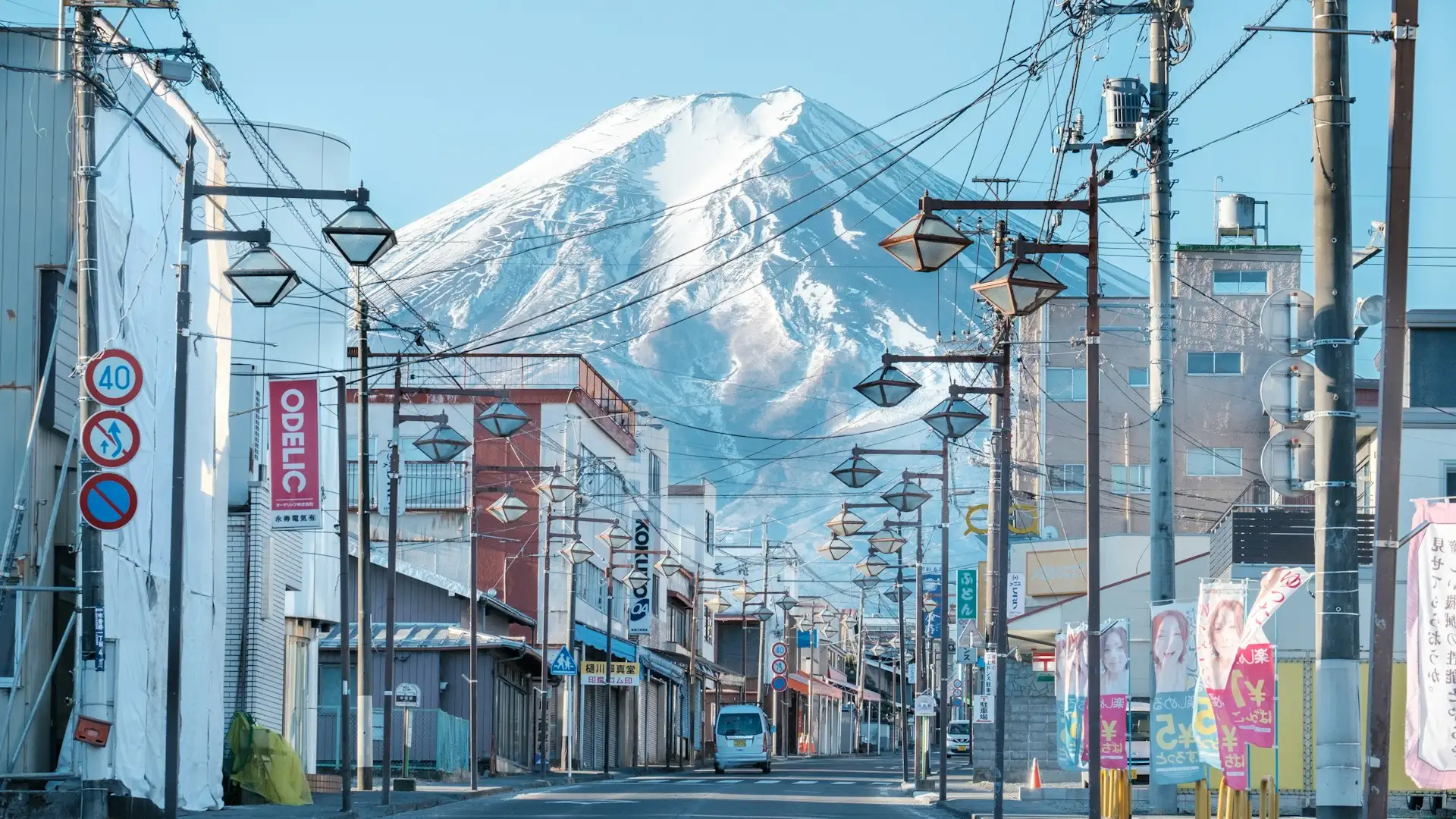
Continue to the Fuji Five Lakes region, specifically Lake Kawaguchiko, which offers the best views of the mountain. The Chureito Pagoda viewpoint (398 steps up, the number matters when you're carrying a camera) gives the iconic photograph: a red five-storey pagoda with Fuji behind, framed by cherry blossoms in April or autumn leaves in November. The mountain is famously shy and often hides behind clouds. Check the weather forecast and set an alarm for dawn. The reflection in the lake at sunrise, when the air is still and Fuji reveals itself, is the moment that justifies the early wake-up. Try houtou noodles, a thick flat noodle soup with pumpkin and vegetables that's the local specialty.
- Hakone Onsen - Hot springs with volcanic valley views. Rotenburo outdoor baths. Ropeway across Owakudani.
- Chureito Pagoda - 398 steps. The iconic Fuji photograph. Best at dawn or during cherry blossom / autumn leaf season.
- Lake Kawaguchiko - Best Fuji views, boat rides, lakeside cycling. North shore for the classic reflection shot.
- Oshino Hakkai - Eight spring-fed ponds with crystal-clear water and traditional thatched houses. Thirty minutes from the lake.
Into the Japanese Alps
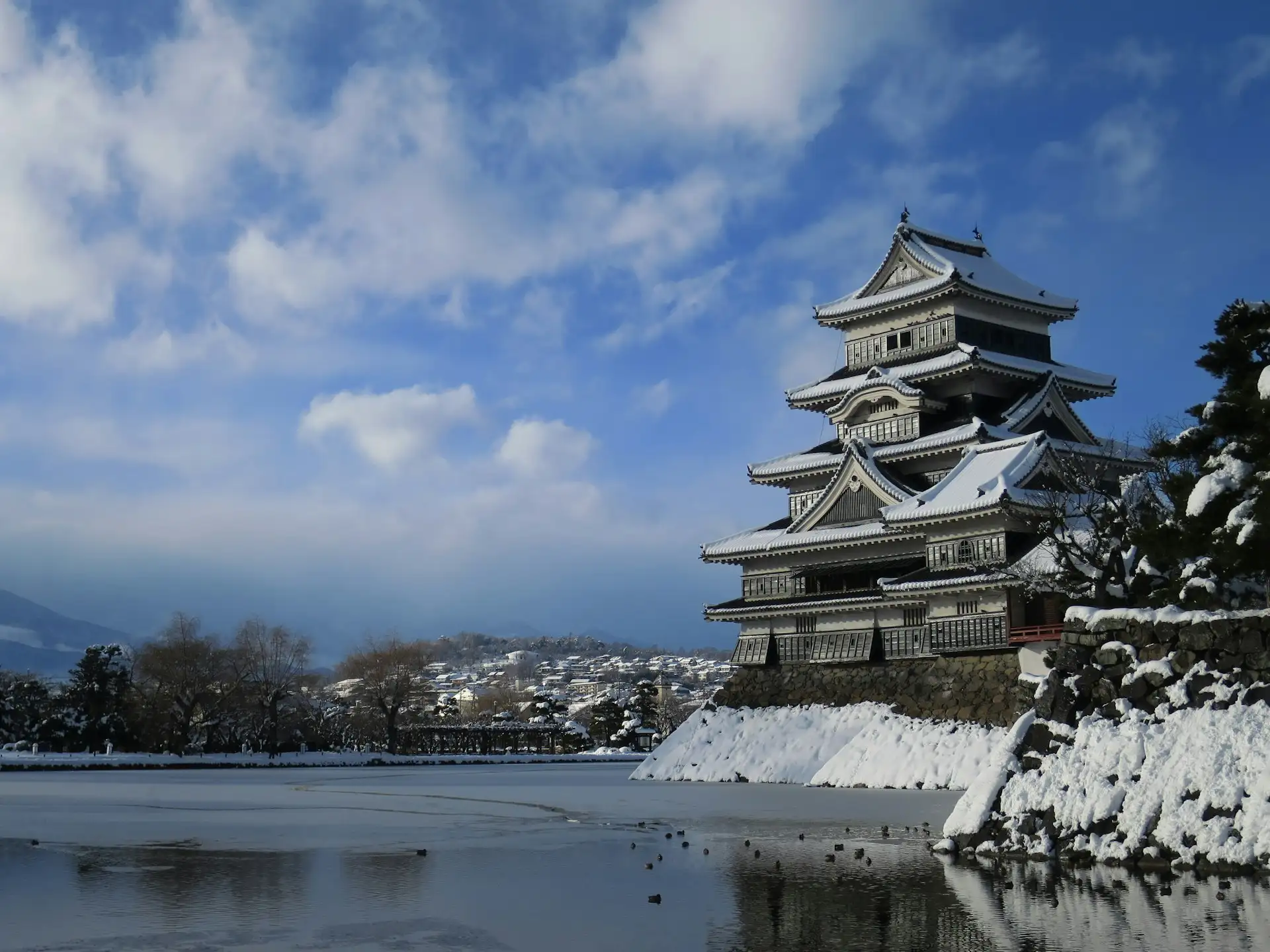
Drive north into the mountains to Matsumoto, home to one of Japan's most beautiful original castles. Matsumoto Castle (the "Black Crow") dates from the 16th century and is one of only twelve original castles remaining in Japan. The black exterior reflected in the moat is striking. The interior is accessible via steep wooden stairs and gives views across the city to the Northern Alps. Nakamachi Street nearby has traditional merchant houses converted into craft shops, cafes, and soba noodle restaurants.
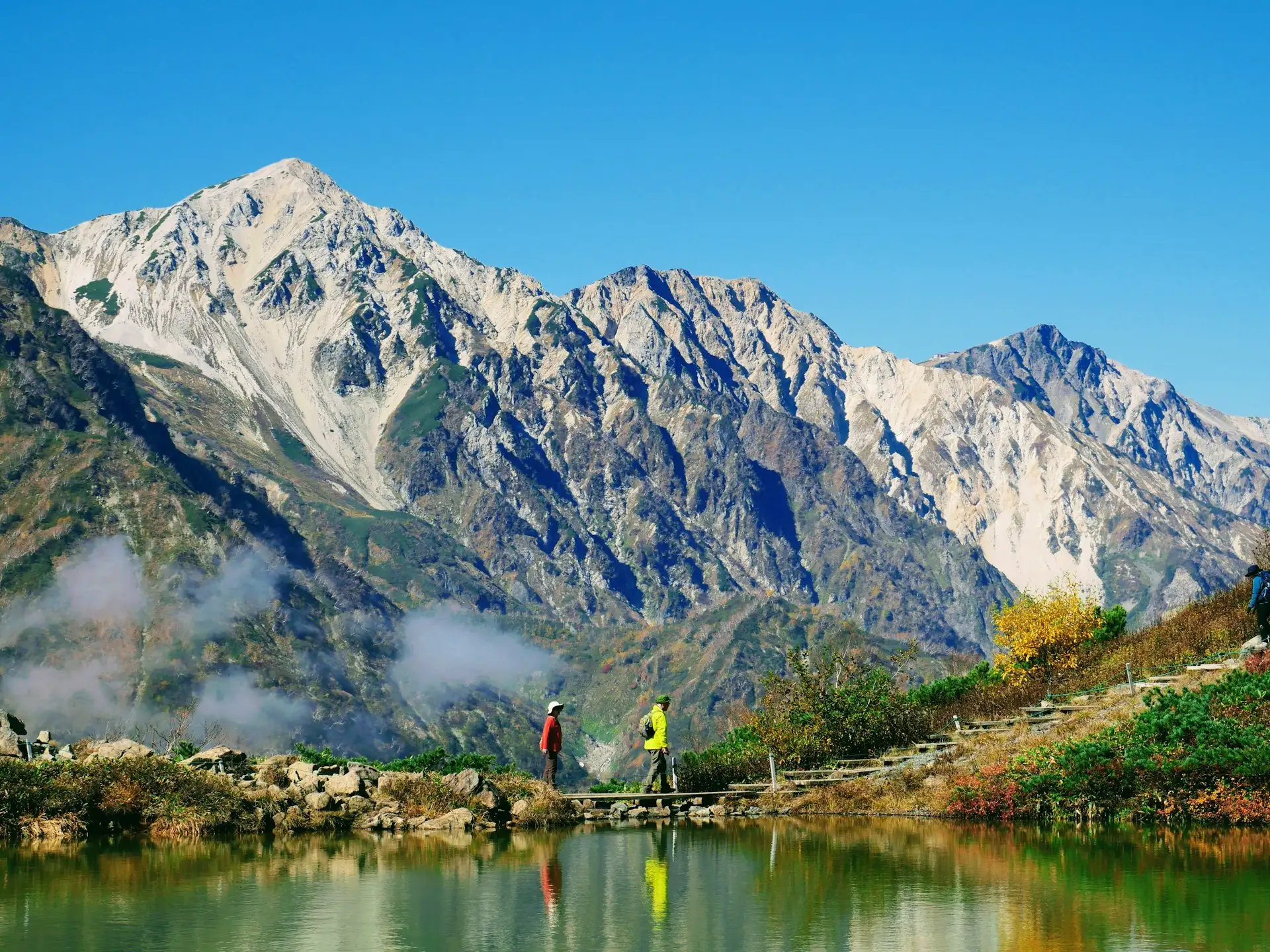
Continue into the Northern Alps to Kamikochi, a pristine mountain valley that Japan treats with the reverence it deserves. Private vehicles are restricted: you park at the entrance and take a shuttle bus into the valley. What you find is a river (the Azusa) so clear you can count stones on the bottom, a series of flat walking trails through old-growth forest, and mountain peaks (Hotaka at 3,190m) rising on both sides. The Kappa Bridge is the starting point for most walks and the classic photograph. Stay at a mountain lodge in the valley or at Hirayu Onsen nearby (hot springs in a mountain village, as good as it sounds).
- Matsumoto Castle - Original 16th-century castle. Black exterior, wooden interior. One of Japan's twelve surviving originals. ¥700 entry.
- Nakamachi Street - Traditional merchant houses. Craft shops, soba restaurants, sake breweries. Walkable from the castle.
- Kamikochi Valley - Pristine alpine valley. Flat trails, crystal-clear river, 3,000m peaks. Shuttle bus access only.
- Hirayu Onsen - Mountain hot springs village near Kamikochi. Outdoor baths, traditional inns, forest setting.
Edo Streets and Thatched Farmhouses
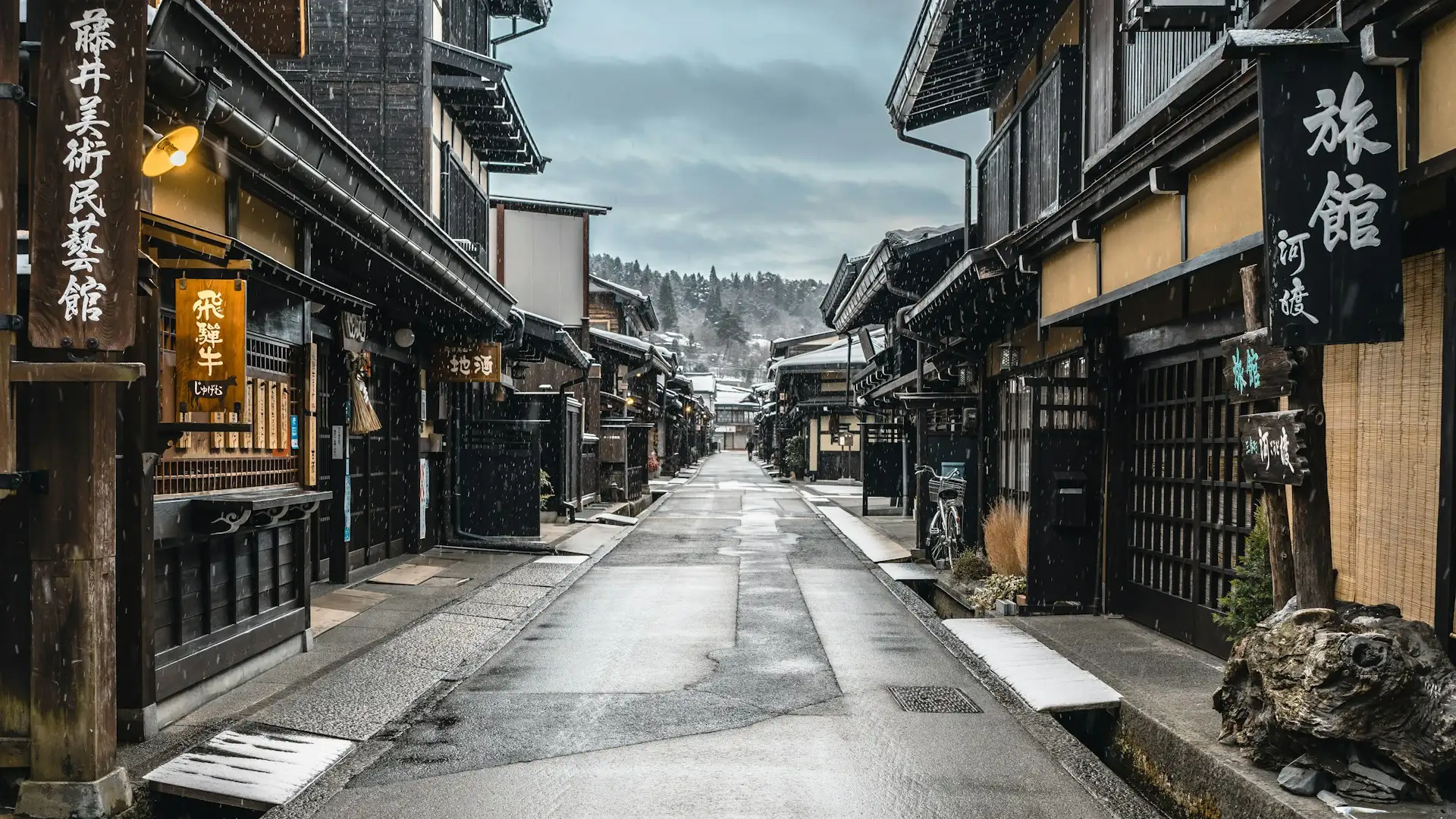
Takayama is the town that earns its nickname: "Little Kyoto of the Alps." The old town (Sanmachi Suji) is three streets of beautifully preserved Edo-period wooden buildings that now house sake breweries (look for the cedar ball above the door, which means they're open for tasting), craft shops, and restaurants. The morning markets at Miyagawa River and Jinya-mae run daily and sell local pickles, miso paste, wooden crafts, and sarubobo dolls. Takayama Jinya, the only surviving Edo-period provincial government building in Japan, is worth an hour.
Stay in a ryokan (traditional inn) with tatami rooms, futon beds, and kaiseki multi-course dinner. Ryokan dining is a ceremony: each dish is small, exquisite, and presented with an attention to colour and composition that makes you feel like you're eating an art exhibition. Try Hida beef, the local wagyu, grilled or as sushi on your hand.
Day trip to Shirakawa-go, a UNESCO World Heritage village of gassho-zukuri farmhouses. These steep thatched-roof buildings were designed to shed heavy mountain snow, and the silhouette against the mountains is immediately recognisable. Walk through the village, visit the inside of Wada House (the largest), and climb to the Shiroyama viewpoint for the aerial perspective that appears on every Japan guidebook cover. In winter, the village is illuminated at night (advance reservation required). Return to Takayama.
- Sanmachi Suji - Edo-period streets. Sake breweries, craft shops, morning markets. Takayama's soul.
- Takayama Jinya - Only surviving Edo provincial government building. Tatami rooms, gardens, courtyard. ¥440 entry.
- Shirakawa-go - UNESCO thatched farmhouses. Shiroyama viewpoint. Wada House interior. 50 min drive from Takayama.
- Hida beef - Local wagyu. Grilled, as sushi, or in ramen. Available everywhere in Takayama. Not cheap, but memorable.
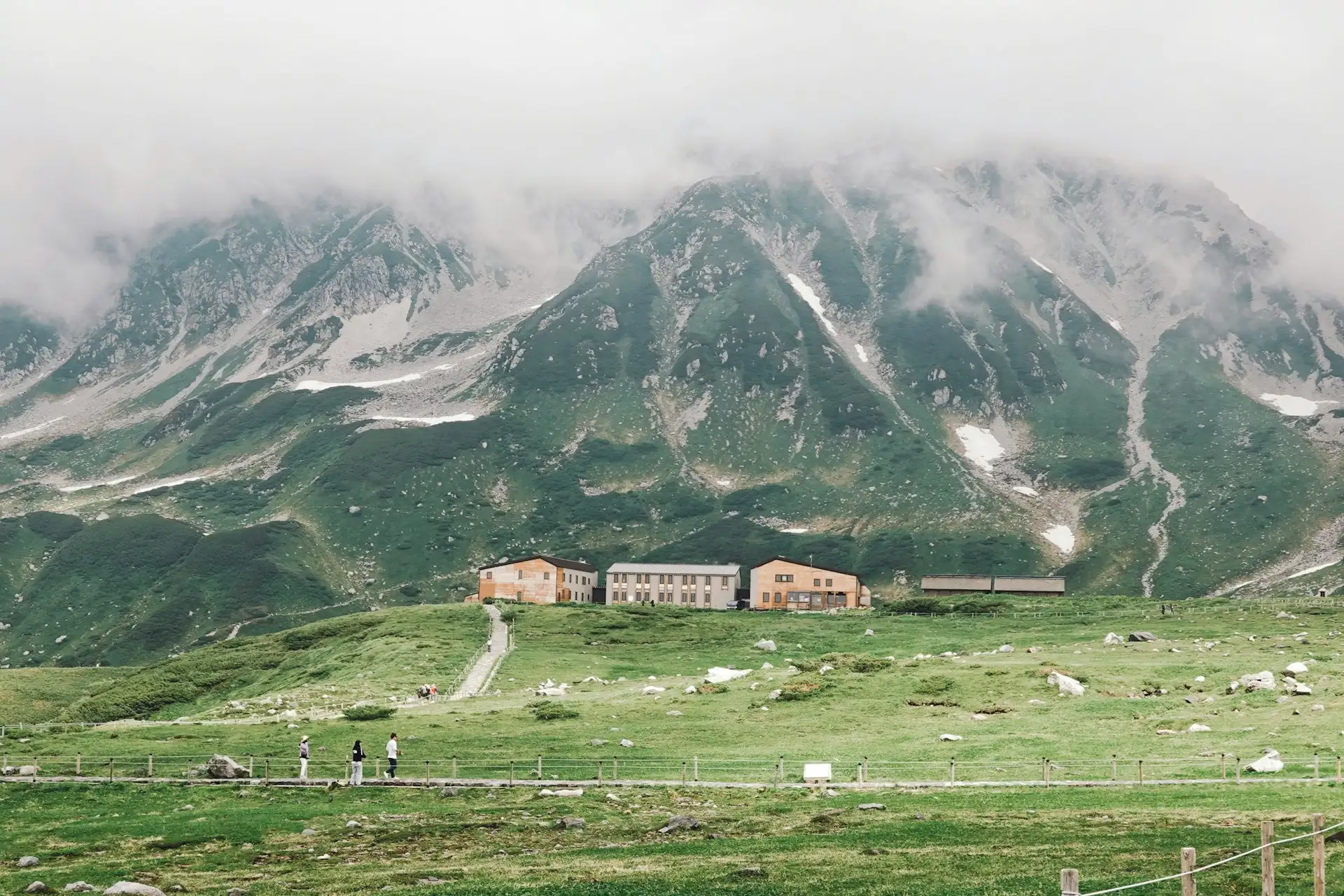
The Roof of Japan
The Tateyama Kurobe Alpine Route is a 37-kilometre traverse through the Northern Alps using six different types of mountain transport: cable car, highland bus, tunnel trolley, ropeway, funicular, and electric bus. You park your car at Tateyama Station and emerge at Ogizawa on the other side. The route climbs to Murodo at 2,450m, the highest point accessible without hiking, where the views across the mountains extend to the sea on clear days.
The headline attraction is the Snow Walls (Yuki no Otani), open mid-April to late June. The road is cut through compacted snow that can reach 20 metres high. You walk between the walls and look up at a corridor of white that makes the scale feel impossible. Even outside snow season, the route is spectacular: Mikurigaike Pond (an azure crater lake), Kurobe Dam (Japan's tallest at 186m, with a dramatic water release from late June to mid-October), and mountain scenery that justifies every yen of the ~¥10,000 ticket.
From the western end, take a bus to Kanazawa. Spend two days here: Kenrokuen Garden (one of Japan's three great gardens, best in any season), the Higashi Chaya geisha district (wooden teahouses, gold leaf everything), Omicho Market (fresh seafood and the kaisendon seafood rice bowls that make you understand why Japan takes fish seriously), and the 21st Century Museum of Contemporary Art.
- Tateyama Snow Walls - Up to 20m high, mid-April to June. Walk between them. ~¥10,000 for the full traverse.
- Murodo (2,450m) - Highest point. Mikurigaike crater lake. Mountain panoramas. Hot spring at the summit.
- Kurobe Dam - Japan's tallest dam. Water release June-October. Viewing platforms. Impressive engineering.
- Kenrokuen Garden, Kanazawa - One of Japan's three great gardens. Stunning in every season. ¥320 entry.
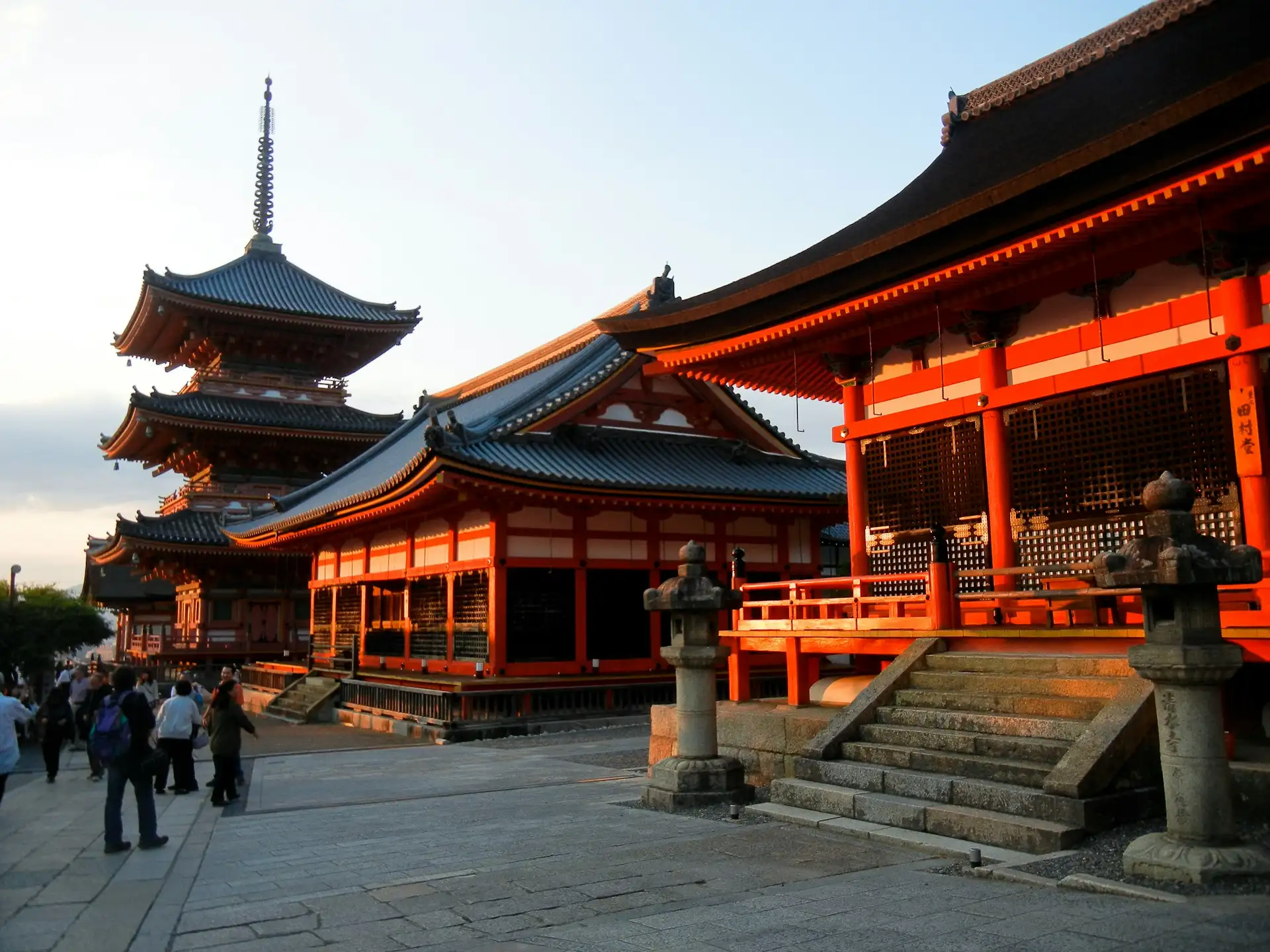
The Ancient Capital
Take the train from Kanazawa to Kyoto (the Thunderbird limited express, 2.5 hours, or return your car in Kanazawa and take the Shinkansen via Maibara). Kyoto is not a city for driving. It is a city for walking, cycling, and buses. There are over 2,000 temples and shrines, and no number of days is enough, but two is the minimum that gives you the highlights.
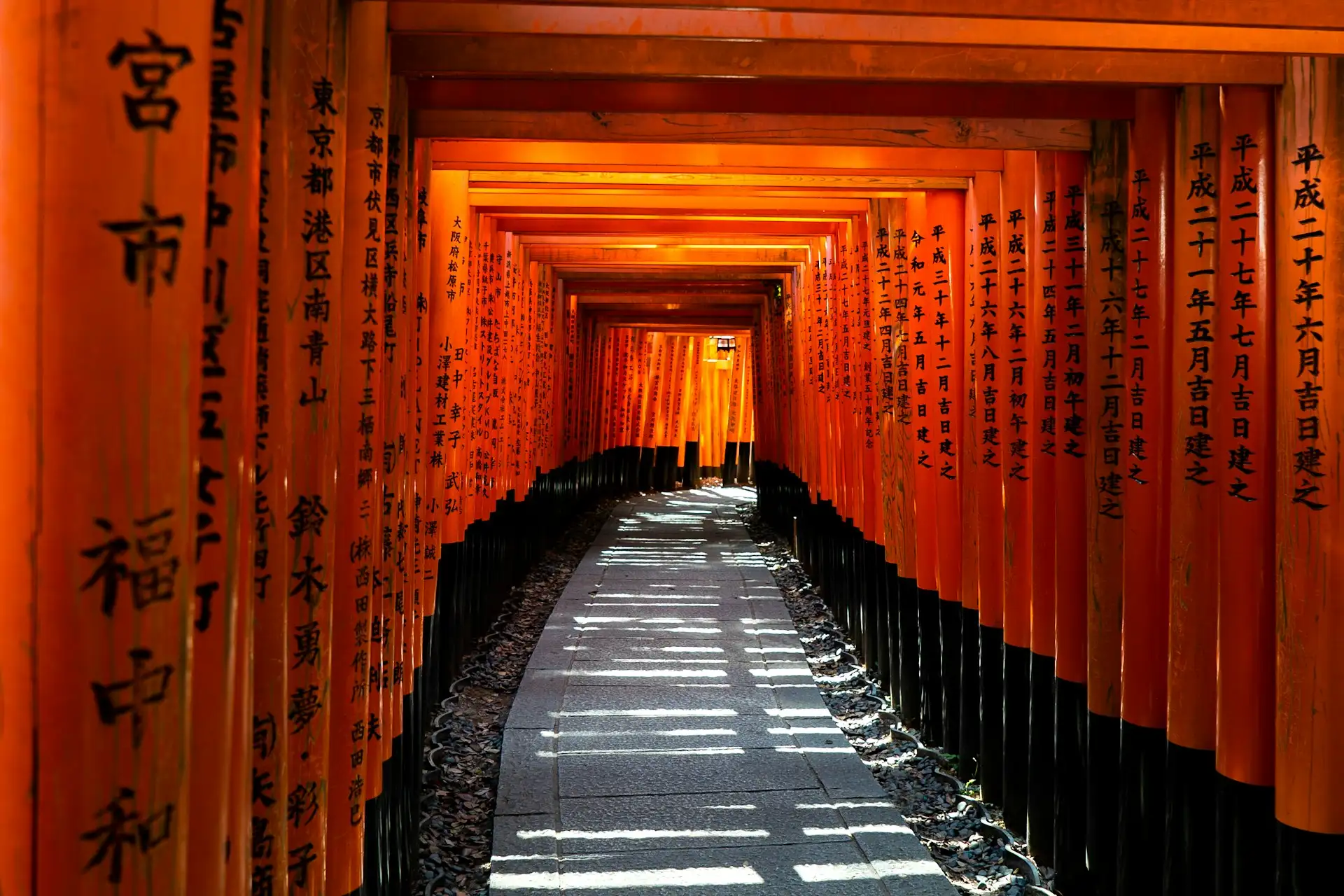
Fushimi Inari Taisha: 10,000 vermillion torii gates winding up a mountain. Go at dawn (5-6am) when you'll have the lower gates nearly to yourself. The full hike takes two hours and the gates continue for the entire ascent. Kinkaku-ji (Golden Pavilion): a gold-leafed temple reflected in a mirror pond, and somehow not as kitsch as that description suggests. Arashiyama Bamboo Grove: towering bamboo forming a green cathedral. Go early or in late afternoon. Kiyomizu-dera: a wooden temple built on a hillside without nails, with views across Kyoto. Gion district: Kyoto's geisha quarter, where maiko (apprentice geisha) in full dress occasionally appear on the wooden-fronted streets in the evening.
Eat kaiseki (multi-course haute cuisine), matcha everything (ice cream, tiramisu, lattes), and end with Nishiki Market, a covered market stretching six blocks where the vendors have been selling pickles, tofu, and street food for centuries. End your Japan Alpine Route here. You'll leave planning when to come back.
- Fushimi Inari Taisha - 10,000 vermillion gates. Go at dawn. Full hike 2 hours. Free entry. Japan's most visited shrine.
- Kinkaku-ji (Golden Pavilion) - Gold-leafed temple on a mirror pond. ¥500 entry. Morning light is best.
- Arashiyama Bamboo Grove - Towering bamboo cathedral. Walk through. Go early or late to avoid peak crowds.
- Gion District - Geisha quarter. Wooden teahouses, evening strolls. Respect the maiko (no chasing for photos).
Must-See Locations
Three moments on this route will stay with you. You'll try to describe them to people at home and find that words don't quite reach.
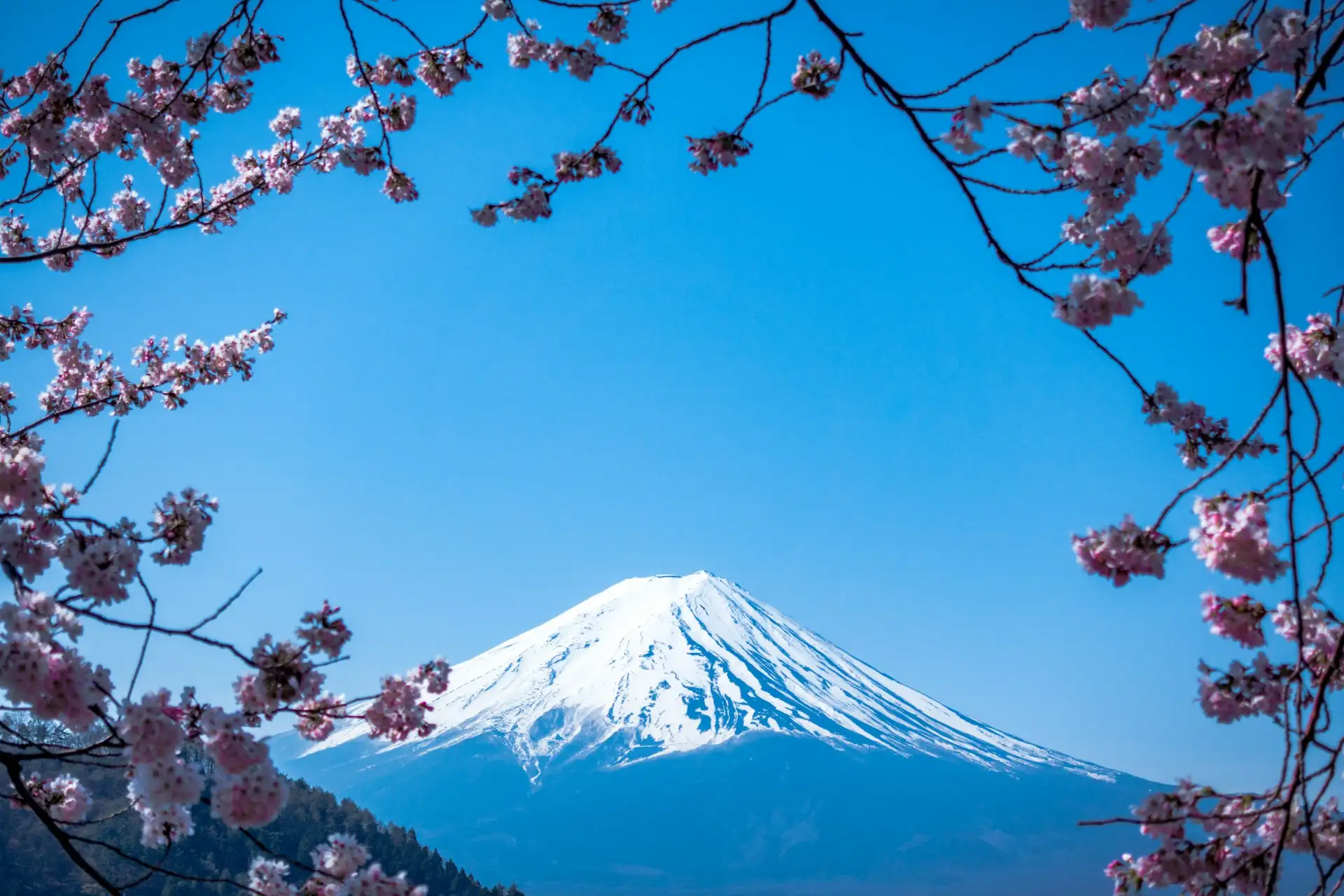
Mount Fuji at Dawn
The mountain reflected in Lake Kawaguchiko at sunrise. The Chureito Pagoda framed by blossoms. Japan's most sacred peak, and a view that rewards the 5am alarm.
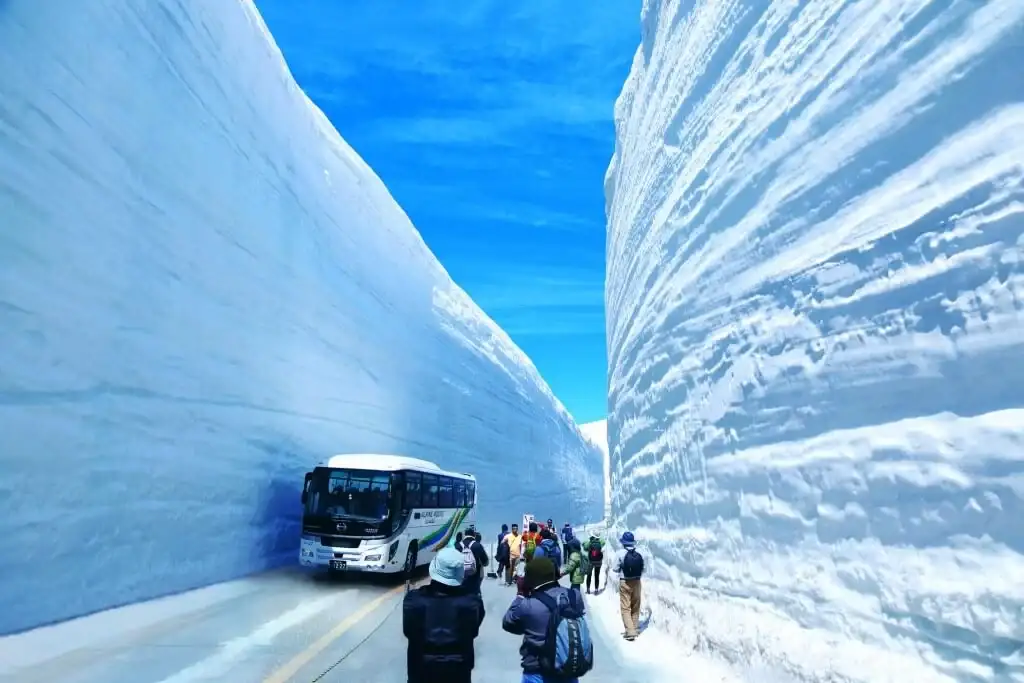
Tateyama Snow Walls
Walk between 20-metre walls of compacted snow. A spring phenomenon (mid-April to June) that exists nowhere else on earth at this scale. Worth timing your trip around.
Fushimi Inari at Dawn
10,000 vermillion torii gates up a mountain. At 5am, the lower gates are nearly empty and the light filtering through the wood is extraordinary. The walk takes two hours. Worth every step.
Transport & Driving
Japan's transport infrastructure is the best in the world. Trains arrive on time to the second. Roads are immaculate. Road signs include English. The only thing that takes getting used to is driving on the left and the fact that expressway tolls are expensive enough to make you reconsider every exit.
Driving in Japan
Drive on the left. International Driving Permit required (get it before you leave home). Roads are excellent. Speed limits are low (80-100 km/h on expressways). GPS with English is essential. Fuel is about ¥170/litre. Parking is available everywhere but costs ¥500-1,500/day.
Expressway Tolls
Japanese expressways are expensive. Tokyo to Fuji: ~¥3,000. Fuji to Matsumoto: ~¥4,000. Budget ¥10,000-15,000 total for tolls. An Expressway Pass (available to foreign visitors) can save significantly. Buy an ETC card at the rental counter.
Trains
Japan Rail Pass covers most trains including Shinkansen. Useful for Tokyo, Kanazawa to Kyoto, and Kyoto itself. Consider a hybrid approach: train for cities, car for countryside. The Thunderbird from Kanazawa to Kyoto takes 2.5 hours.
Alpine Route
The Tateyama Kurobe Alpine Route is car-free. Park at Tateyama Station. Full traverse: ~¥10,000. Six types of mountain transport. Open mid-April to late November. Book tickets online in advance for peak season (Golden Week, summer holidays).
Kamikochi Access
Private vehicles are restricted. Park at the entrance (Sawando or Hirayu) and take the shuttle bus (¥2,500 round trip, 30 min). Buses run frequently from mid-April to mid-November. The valley is closed in winter.
Navigation
Google Maps works perfectly in Japan, including real-time transit. Download offline maps. Mobile coverage is excellent everywhere except deep mountain valleys. Rent a pocket WiFi or buy an eSIM at the airport.
Essential Tips
🌞 Best Season
April-May: cherry blossoms and snow walls open. June: rainy season, fewer crowds, lush green. July-August: hot in lowlands, best for mountain hiking. September-November: autumn colours (koyo), perfect weather, stunning in Kyoto. December-March: winter sports season, many mountain roads closed, Alpine Route closed.
🏨 Ryokan
Stay at least two nights in a traditional ryokan inn. Tatami rooms, futon beds, yukata robes, and kaiseki dinner served in your room or a private dining area. Budget ¥20,000-40,000 per person with dinner and breakfast. Book months ahead for popular ones in Takayama and Hakone. The experience alone justifies the cost.
♨ Onsen Etiquette
Wash thoroughly at the shower stations before entering the bath. No swimwear. Tattoos are technically prohibited at many onsen (though private baths exist). Keep your small towel out of the water (fold it on your head). Separate areas for men and women. It feels intimidating the first time. By the second visit, you'll wonder why the rest of the world bathes clothed.
🍜 Food
Regional specialties matter: houtou noodles at Fuji, soba in Matsumoto, Hida beef in Takayama, kaiseki in Kyoto. Convenience stores (7-Eleven, Lawson, FamilyMart) sell genuinely good food for ¥300-500. Vending machines are everywhere and sell hot and cold drinks. Tipping is not done and considered rude.
💰 Money
Japanese Yen (¥). Japan is more cash-dependent than you expect. Many rural restaurants, onsen, and smaller shops are cash-only. 7-Eleven and post office ATMs accept international cards. IC cards (Suica/Pasmo) work on trains and at convenience stores. Credit cards accepted at hotels and larger restaurants.
👜 Packing
Layers (mountain weather changes fast). Comfortable walking shoes. Slip-on shoes (you remove shoes constantly in Japan: temples, ryokan, some restaurants). Small towel for onsen. Portable WiFi or eSIM. Cash in yen. A small backpack for day hikes. Manners: quiet voices on trains, no eating while walking, queue properly.
Budget Planning
Japan has a reputation for being expensive. It is more nuanced than that. Hotels and ryokan cost real money. Food ranges from extraordinary convenience store meals at ¥400 to kaiseki dinners at ¥15,000. Transport is efficient but toll roads and the Alpine Route ticket add up. The yen's exchange rate has made Japan significantly more affordable for Western visitors in recent years.
Book Your Trip
Everything in one place.
The Country That Treats Everything Like It Matters
There is a concept in Japanese aesthetics called mono no aware, roughly translated as the bittersweet awareness of the impermanence of things. Cherry blossoms are the classic example: they are beautiful precisely because they fall. The Tateyama snow walls melt by summer. The autumn leaves in Kyoto last two weeks. The kaiseki dinner disappears one exquisite course at a time.
This trip is full of moments like that. Fuji appearing through clouds that close again five minutes later. The light through the torii gates at dawn that's gone by mid-morning. An onsen bath where the mountain view is framed by steam that reshapes itself every second. Japan doesn't do permanence. It does perfection in the present tense, and it does it better than anywhere else on earth.