
Pakistan Travel Scams
Pakistan's tourist corridor is genuinely growing and improving, but the country's risk picture varies sharply by region. This page covers everyday bazaar and taxi scams alongside an honest look at where real security risk exists.
Pakistan Scam Overview 2026
The everyday tourist scams documented on this page, bazaar overcharging, fake guides, currency exchange tricks, are genuinely minor and comparable to what you'd find in many moderately-priced destinations elsewhere in South Asia. They are not the main thing to plan around. The main thing to plan around is understanding which parts of Pakistan you're actually visiting, since the difference between central Lahore and rural Balochistan is enormous, and lumping the whole country into a single risk rating would be misleading in both directions.
Most tourists who visit Pakistan in 2026 stick to a well-established corridor: Islamabad, Lahore, and the northern mountain regions reached via the Karakoram Highway. This corridor sees regular international visitors, has growing tourism infrastructure, and is where the scams below actually apply. Karachi, the country's largest city, carries a meaningfully higher everyday crime profile than Lahore or Islamabad. Balochistan, the tribal areas of Khyber Pakhtunkhwa, and the border regions with Afghanistan and India carry real, current security risk that is in a different category entirely from anything covered in the scams section of this page.
Heavily secured, modern infrastructure, and growing visitor numbers. The northern mountain regions (Hunza, Skardu) are similarly regarded as safe and welcoming.
Generally manageable for prepared travelers; petty crime, traffic, and occasional security alerts are the realistic concerns rather than targeted violence.
Street crime, including armed mugging and phone snatching by motorcyclists, is described as a daily occurrence in parts of the city.
US Level 4 rating, with active militancy, attacks on infrastructure, and very limited government ability to assist visitors.
Pakistan Safety at a Glance
Regional Risk Context
This section matters more than any scam documented elsewhere on this page. Pakistan's safety profile is defined almost entirely by geography, and treating the whole country as a single risk level would understate the real danger in some provinces while overstating it for the areas most tourists actually visit.
⚠️ Balochistan & Khyber Pakhtunkhwa: Do Not Travel
The US State Department rates these areas Level 4: Do Not Travel, the highest level it issues. In January 2026, coordinated attacks by the Balochistan Liberation Army across multiple towns killed at least 31 civilians and 17 security personnel, targeting government buildings and public areas. A passenger train was hijacked by the same group in March 2025, resulting in 64 deaths. Recent military action along the Afghanistan border has further affected the security environment. The US government has limited ability to assist citizens in these areas and requires special authorization even for its own personnel to travel there.
Do not include these areas in a Pakistan itinerary. This isn't part of the tourist corridor and carries no comparison to the everyday scams covered later in this guide.
💣 Terrorism Risk in Major Cities
Attacks have continued to occur in major cities even as their frequency has dropped from the peak years of 2007-2017. A suicide bombing at a mosque on the outskirts of Islamabad in February 2026 killed at least 36 people; a bombing outside Islamabad's district courts in November 2025 killed 12. The UK's FCDO notes that some attacks have specifically targeted Chinese nationals and people of East Asian appearance, and that public transport, transport hubs, and tourist sites are all named as potential targets.
Stay alert at transportation hubs, markets, religious sites, and large gatherings in major cities. Avoid demonstrations and political rallies entirely; local law requires a permit to protest, and being near one without one can draw scrutiny from security forces, including for foreigners.
🏡 The Northern Tourist Corridor is Genuinely Different
Gilgit-Baltistan is widely regarded as the safest and most welcoming region for tourists, with predominantly Shia communities and a long track record of hosting trekkers and mountaineers without incident, aside from one isolated 2013 attack at Nanga Parbat carried out by individuals from outside the region. The Pakistani government has specifically invested in this corridor with upgraded highways and tourism infrastructure.
This is genuinely one of the more compelling reasons to visit Pakistan, and it carries a different risk profile than the rest of the country. Flights to and from the north are frequently delayed by weather, so build flexibility into your itinerary, and avoid night travel on mountain roads, which are winding and often unlit.
Lahore & Islamabad Scams
Within the established tourist corridor, the scams that actually occur are fairly ordinary: overpricing, unofficial guides, and currency tricks rather than anything organized or dangerous. Islamabad in particular is described by multiple sources as having minimal scam activity by global standards.
🏭 Bazaar Overcharging
Vendors quote foreigners a noticeably higher starting price than locals for the same goods, particularly in Lahore's famous markets like Liberty Market and Anarkali. This is a common practice rather than aggressive deception, but it adds up if you accept every first price offered.
Bargaining is expected and normal; don't accept the first price quoted. Ask a local contact or your hotel for a rough sense of fair pricing on items you're interested in before shopping.
🏆 Unofficial "Guides"
Individuals offer impromptu guiding services at major sites and then ask for a fee well above what was implicitly agreed, or simply quote inflated prices for the unsolicited help.
Decline unsolicited guiding offers, and book a certified local guide in advance through a reputable agency if you want one, particularly for historical sites where accurate context matters.
👷 Petty Theft in Crowded Areas
Pickpocketing, bag-snatching, and phone theft are the most frequently reported incidents in Pakistan's major urban centers, concentrated in crowded markets and transport hubs.
Keep your phone in a front pocket or zipped bag in crowded areas, and avoid displaying expensive electronics openly, especially in traffic or on public transport.
👮 Impersonation of Law Enforcement
Occasionally reported: someone claiming official authority demands money or documents from a foreigner on the pretext of a check or violation.
Always carry photo ID, since you may legitimately be asked to show it and could be detained until you can. Verify credentials of anyone claiming official authority before complying with anything beyond a basic ID check, and ask to involve your hotel or a known local contact if something feels off.
Taxi & Transport Scams
Transport safety guidance in Pakistan goes a step further than most destinations on this site: the UK's FCDO specifically advises against using street taxis, e-taxis, or even ride-hailing apps in some contexts, recommending only pre-arranged, licensed providers instead.
🚕 Unmetered Taxi & Rickshaw Overcharging
Street taxis and auto-rickshaws frequently don't use a meter, and drivers quote inflated flat rates to visitors unfamiliar with local pricing, particularly from airports.
Agree on a fare before getting in, every time, or book transport through a reputable provider arranged by your hotel rather than hailing on the street. Ride-hailing apps like Careem and Uber operate in major cities and offer more transparent pricing, though the UK government still recommends licensed, called-in taxis over either street hailing or app-based options in some contexts given the broader crime situation.
🚌 Public Transport & Rail Risk
Not a scam, but worth knowing directly: government guidance specifically advises avoiding public transport, including the Metro Bus between Rawalpindi and Islamabad, due to crime levels, and advises against using the railway network entirely due to the risk of terrorist attacks and derailments. A passenger train was hijacked with multiple fatalities in March 2025.
Use private, licensed transport or domestic flights between cities rather than public buses or trains, particularly for longer journeys.
✈️ Northern Flight Cancellations
Not a scam, but a frequent practical issue: flights to and from the mountainous north are regularly delayed or cancelled due to extreme weather.
Build buffer days into any itinerary involving northern flights, and have an alternative overland route planned in case of cancellation.
Booking through GetYourGuide or a certified local agency means vetted drivers, guides, and a fixed price agreed before you go.
Money & Currency Scams
Pakistan runs largely on cash outside major hotels and upscale restaurants. Currency exchange tricks and ATM-related fraud are the main money risks documented for visitors.
💰 Street Currency Exchange Tricks
Unofficial currency exchange vendors can offer an attractive-looking rate that's actually unfavorable once fees are factored in, or use sleight of hand during the count to shortchange a visitor.
Always use authorized exchange counters at banks or the airport rather than unofficial street vendors, and agree on the rate and amount before handing over any cash. Count what you receive before walking away.
🚴 ATM Skimming
ATM skimming targeting foreigners is reported to occur regularly. Standalone machines away from a bank branch carry higher risk than ones inside.
Use ATMs inside bank branches during business hours rather than standalone street machines, and cover the keypad when entering your PIN. Credit cards are accepted in major hotels and upscale restaurants, but cash remains essential in markets and smaller establishments.
A Wise card or Revolut account is a useful backup for the larger hotels that accept cards, with instant notifications that flag any unauthorized charge immediately. Given Pakistan's cash-dependent economy outside major hotels, bring sufficient rupees for daily needs and bazaar shopping.
Digital Scams & Connectivity
💖 Dating App Scams Targeting Foreigners
The US State Department specifically warns to be cautious using dating apps abroad, noting that scammers often target US citizens. A separate, more serious pattern affects British nationals of Pakistani origin specifically, who have been targeted by criminals, including kidnappers, due to a perception of greater wealth.
Be cautious using dating apps while traveling, and never send money to someone you have not met in person. If you are of Pakistani heritage visiting family, be discreet about visible wealth and travel plans with people outside your trusted circle.
📱 SIM Card Confusion & Network Shutdowns
Not a scam, but a genuine practical issue: tourists cannot buy a Pakistan SIM card at the airport; only an official mobile provider store can register and activate one. International roaming is otherwise expensive. Separately, the government has been known to shut down mobile networks entirely during major protests or significant religious holidays for security reasons.
Plan to visit an official Jazz, Telenor, Zong, or SCOM (in the north) store soon after arrival rather than expecting an instant airport SIM purchase. Don't connect to public WiFi networks, and use a reputable VPN or VoIP app, since mobile devices are vulnerable to compromise and network outages can happen with little warning.
An Airalo eSIM activated before departure avoids the airport SIM-purchase limitation entirely and gives you a working connection from the moment you land, which matters given how unreliable in-country options can be at first.
Universal Prevention Guide
Almost everything documented in the scams sections above is minor and avoidable. The bigger task in Pakistan is route planning around regional risk rather than dodging street tricks.
Plan Your Route Around Real Regional Risk
Stick to the established corridor: Islamabad, Lahore, and the Gilgit-Baltistan north. Avoid Balochistan, KP tribal areas, and border regions entirely.
Save Emergency Numbers Before You Go
15 reaches police nationally. The PTDC Tourist Helpline at 1422 offers 24/7 assistance specifically for international visitors.
Travel With Certified Local Agencies
Reputable agencies provide vetted hotels, safe drivers, and expert guidance, which matters more here than in lower-risk destinations on this site.
Carry ID and Avoid Demonstrations
Always carry photo ID; you may be detained without it. Avoid protests and political gatherings entirely, even peaceful ones, since proximity alone can draw scrutiny.
Use Licensed Transport Only
Book taxis through your hotel or a reputable provider rather than hailing on the street, and avoid public buses and trains for longer journeys.
Get Comprehensive Travel Insurance
Cover medical evacuation, trip cancellation, and political unrest specifically. Private healthcare can be expensive without it, and conditions can change with little warning.
Solo Women Travelers
Pakistan is a conservative society, and solo women travelers should expect a meaningfully different experience than in most destinations covered on this site. Violent crime against foreign women is relatively rare, but unwanted attention, staring, and verbal comments are common, especially when traveling alone.
Dressing modestly, covering shoulders and legs, and ideally wearing a headscarf in more conservative or rural areas, significantly reduces unwanted attention. Women have reported feeling more comfortable in central, upscale areas of Islamabad and Lahore than in less developed districts. Avoid photographing people, particularly women, without explicit consent; this is both a cultural expectation and, in some contexts, a real source of tension.
Traveling with a reputable local guide or tour group, rather than fully independently, is the standard recommendation for solo women in Pakistan, more so than in most other countries on this site. The US Embassy and consulates in Karachi or Lahore can assist US citizens who are victims of sexual assault or domestic violence.
Reporting Scams in Pakistan
If you are the victim of a scam or theft in Pakistan, reporting it creates a record that supports insurance claims, and tourist police units in Lahore and Islamabad are specifically trained to assist foreign visitors.
Step-by-step: What to Do if You're Scammed
Plan the Route First. The Scams Are the Easy Part.
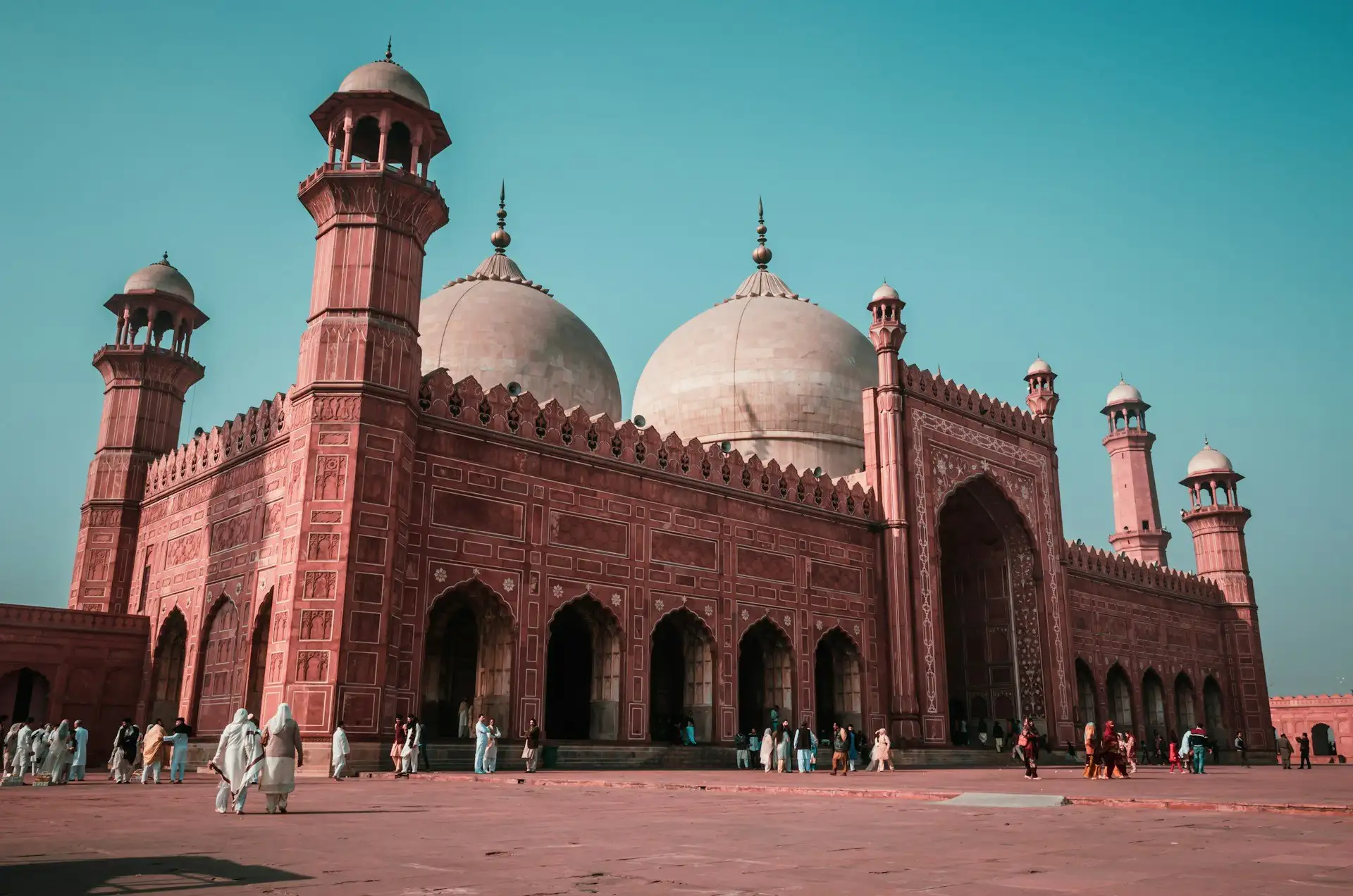
Visitors who stick to the established corridor, Islamabad, Lahore, and the northern mountains around Hunza and Skardu, consistently come back talking about the Mughal architecture, the hospitality, and some of the most dramatic mountain scenery on Earth. The everyday scams documented here, bazaar overcharging, fake guides, currency tricks, are minor and easy to sidestep with basic preparation.
The real work in planning a Pakistan trip is the route itself: knowing which provinces genuinely carry Do Not Travel risk, booking through a reputable agency, and staying alert at transport hubs and large gatherings in major cities. Get that part right, and Pakistan's growing, increasingly welcoming tourist corridor delivers an experience that's genuinely different from anywhere else covered on this site.