
Nigeria Travel Scams & Risk Context
Kidnapping risk, not scams, is the defining safety concern across Nigeria in 2026. That context comes before anything else on this page, with practical guidance to follow.
The Current Risk Context
This page includes documented tourist scams, romance and advance-fee fraud, fake police checkpoints, ATM tricks, because they're real and worth knowing. But presenting Nigeria as a place where the main concern is street-level confidence tricks would understate what every government advisory makes clear: kidnapping for ransom is widespread, targets both Nigerians and foreigners, and has specifically increased in wealthy areas of Lagos and its surrounding states in recent years, alongside the longer-standing risks in the Niger Delta and northern conflict zones.
At the same time, it's true that thousands of business travelers, diplomats, and diaspora visitors travel to Lagos and Abuja every year without serious incident, and major hotels in areas like Victoria Island, Lekki, and Ikoyi maintain genuine international security standards. The realistic picture, repeated across multiple government and security sources, is that Lagos and Abuja carry materially lower risk than the national-level advisory ratings suggest, but only for visitors who take real precautions: trusted local contacts, vetted transport, avoidance of certain highways and after-dark travel, and, for many organizations, professional security advice arranged before the trip.
Widespread across Nigeria, including in wealthy areas of Lagos and Abuja. Foreign nationals are seen as legitimate targets by multiple criminal and terrorist groups.
Active insurgency (Boko Haram, ISWAP), banditry, and oil-sector kidnapping make several states genuinely off-limits to casual travel.
Police often respond slowly and lack resources to investigate; foreign consular assistance is limited outside Abuja and Lagos.
Documented but minor by comparison: romance/advance-fee fraud, fake police checkpoints, ATM "helper" theft.
Nigeria Risk Context at a Glance
Lagos & Abuja: Where Risk Concentrates and Eases
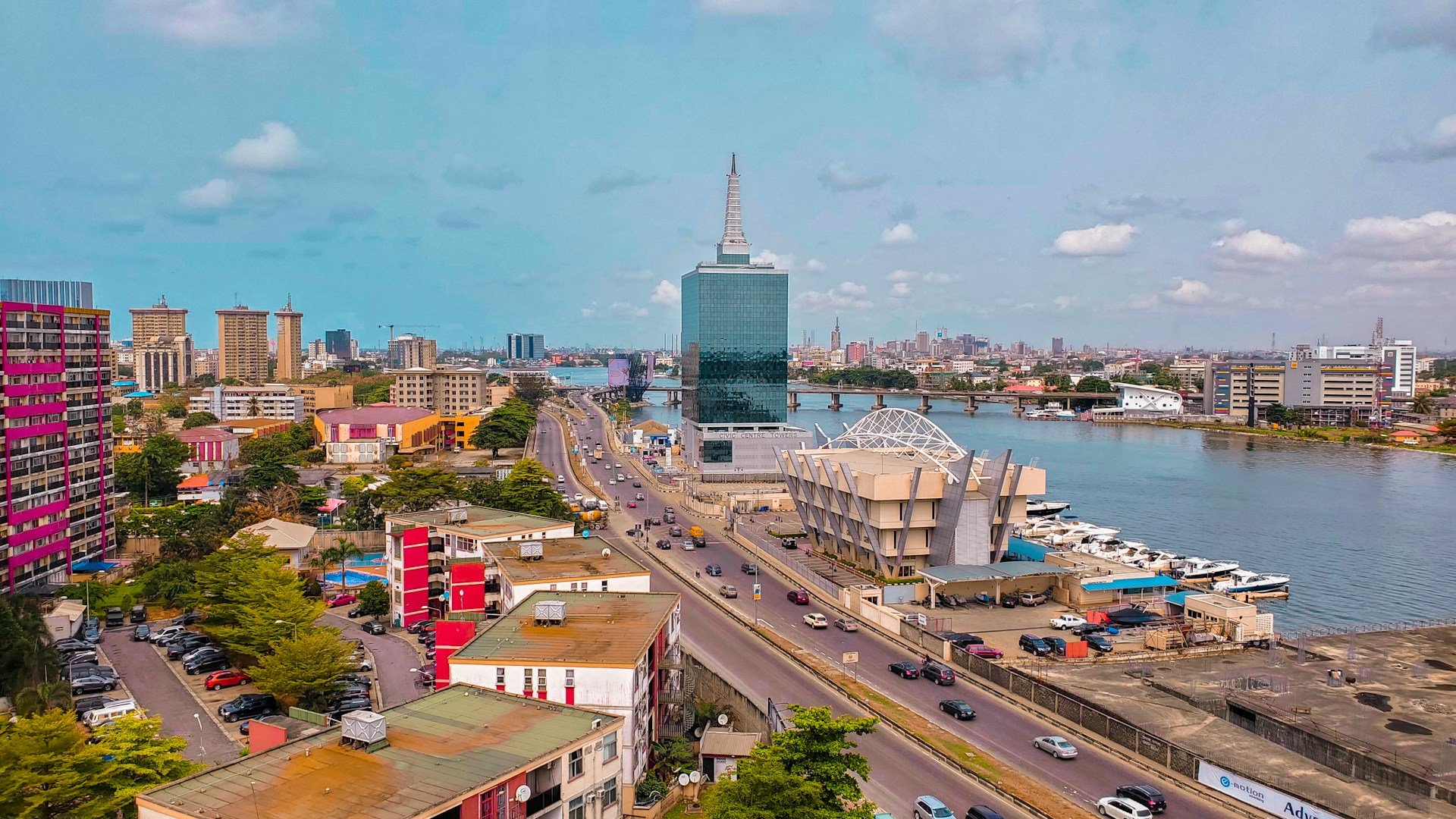
Almost every foreign visitor's trip is built around Lagos, Abuja, or both, and security here is genuinely a tale of two cities within each city: secured, well-resourced districts sitting close to areas carrying real elevated risk.
🚨 Kidnapping for Ransom, Including in Wealthy Areas
Kidnappings for ransom targeting foreigners have specifically increased in wealthy areas of Lagos and surrounding states, and the threat has also increased in Abuja and its surrounding forested areas, which Canada's government specifically advises against. Reported ransoms for foreign nationals have ranged widely, with negotiations sometimes extending for months. Criminal groups specifically target foreign nationals for their perceived wealth.
Stay in secured neighborhoods (Victoria Island, Ikoyi, Lekki in Lagos; central diplomatic districts in Abuja), use vetted transport with trip-sharing enabled, and avoid Abuja's surrounding forested areas entirely. Organizations sending staff to Nigeria typically arrange professional security advice and support before travel; individual travelers should seriously consider doing the same.
🍷 Violent Crime After Dark
Most violent crime in Lagos occurs after 10pm, and crime levels are described as high citywide, with violent attacks including assaults reported against foreign nationals and in areas they frequent.
Avoid unnecessary travel at night; use a hotel car or trusted driver rather than walking or hailing transport on the street after dark, and stay in well-lit, populated areas if you must go out.
🏈 Demonstrations & Network Shutdowns
Demonstrations occur periodically across major cities and can turn violent, sometimes met with tear gas, rubber bullets, or live fire from security forces. Network operators have in the past been ordered to suspend mobile networks and WiFi with very little notice, and curfews can be imposed or amended at short notice.
Avoid all demonstrations, strikes, rallies, and large gatherings entirely. Monitor local media and check with local contacts for current curfew status before traveling, and have an offline backup plan in case of a sudden communications outage.
Common Scams in Nigeria
These are genuinely documented scams in Nigeria, separate from the broader security context above. They're real and worth avoiding, but they are not the country's primary safety concern.
💖 Romance & Advance-Fee Scams
The US State Department specifically describes financial scams and internet romance scams as common in connection with Nigeria. A relationship developed online, or an unsolicited business proposal (the classically named "419" pattern), eventually leads to a request for money, sometimes from someone claiming to be a US citizen needing help, including people posing as military personnel or claiming to be detained or hospitalized abroad.
Never respond to unsolicited offers of money, business deals, or inheritances, and never send money to anyone you have not met in person, regardless of how compelling the story or relationship feels.
👮 Fake Police & Official Checkpoints
Individuals impersonate police officers, immigration officials, or other authorities to extort money through fake fines or invented document issues.
Ask for proper identification, and request to go to the nearest legitimate police station rather than resolving anything on the spot. Keep a vetted local contact or driver involved in any roadside interaction where possible.
🚴 ATM "Helper" Scams & Fake Technicians
Scammers pose as helpful strangers offering assistance at ATMs, then steal cards or watch PIN numbers, or pose as fake ATM technicians claiming to fix a machine.
Use ATMs inside banks or hotels rather than standalone machines, never accept help from a stranger at an ATM, cover your PIN, and stay aware of anyone nearby.
👶 "Miracle Baby" Fertility Fraud
The UK's FCDO specifically warns of staged fake births, sometimes called "miracle babies," where visitors pursuing fertility treatment are falsely led to believe they have given birth. Unauthorized informal adoption arrangements also carry serious legal risk.
Be extremely cautious with any fertility treatment or adoption arrangement made in Nigeria, and verify any clinic or arrangement independently before proceeding. Bringing a child who is not biologically related into another country without following correct legal procedure can result in prosecution.
Transport Safety
Transport is treated more cautiously in Nigeria than in most destinations on this site, with public transport specifically discouraged and certain highways carrying genuine, documented kidnapping risk.
🚌 Buses, Motorbikes & Public Transport
Buses and motorbikes are flagged as unsafe due to poor maintenance, high speeds, and overcrowding. US Embassy and Consulate General staff and their families are not permitted to use any form of public transportation in Nigeria.
Use ride-share apps like Uber or Bolt, widely available in Lagos, Abuja, and Port Harcourt, which offer GPS tracking, driver identity verification, and customer reviews. Verify the driver's identity and vehicle details before getting in, and share your trip details with a trusted contact using the app's share-ride feature.
⚠️ Highway Kidnapping Risk
Criminal groups have stopped vehicles on major highways to kidnap occupants, with this pattern documented on routes including the Lagos-Ibadan expressway, the Abuja-Kaduna road, and routes through southeastern states. The issue is particularly severe in several northwestern states but extends into central regions as well.
Fly between major cities rather than driving long inter-city routes, particularly the Abuja-Kaduna corridor. If road travel is unavoidable, travel during daylight, use a vetted professional driver, and leave a detailed itinerary with a trusted contact.
⛵ Seaborne Kidnapping & Piracy
Hijacking, kidnapping, and armed robbery at sea occur in Nigerian waters, particularly in the Niger Delta region, with piracy a recognized threat throughout the Gulf of Guinea. Oil and gas facility workers have been frequent targets, with some incidents resulting in deaths.
Avoid maritime travel in the Niger Delta and Gulf of Guinea unless absolutely necessary, and check current International Maritime Bureau piracy reports if travel by sea is required.
Money & ATM Scams
Nigeria uses the naira (NGN). Cards are accepted at major hotels and businesses in Lagos and Abuja, but cash remains useful for everyday transactions, creating a few specific risks beyond the ATM scams already covered.
💰 Unofficial Currency Exchange
Informal currency exchangers can offer attractive-looking rates that involve sleight of hand, shortchanging, or counterfeit notes during the actual handover.
Use licensed banks or official exchange bureaus rather than street vendors, and count any cash received carefully before walking away.
💉 Healthcare & Insurance Realities
Not a scam, but a real practical issue: Nigerian hospitals vary dramatically in quality, with only a small number of facilities in Lagos and Abuja meeting international standards. Comprehensive travel insurance, including medical evacuation coverage, is genuinely essential rather than optional here.
Confirm your insurance includes emergency medical evacuation, ideally to South Africa, the UK, or the UAE, and confirm it covers kidnap and ransom scenarios specifically, since many standard policies require this as a separate add-on.
Practical Precautions
This isn't a standard "stay alert" list. Nigeria asks for genuinely structured precautions, consistently repeated across government and security sources.
Arrange Professional Security Advice if Possible
Government advisories specifically recommend organizing professional security support before travel, especially for business, extractives, or journalism-related visits.
Fly Between Cities Rather Than Driving
Highways like Abuja-Kaduna and Lagos-Ibadan carry documented kidnapping risk. Flying removes one of the most consistently flagged dangers.
Save Emergency Numbers and a Trusted Local Contact
Police capacity to respond and investigate is limited; a vetted local contact or security provider matters more here than in most destinations on this site.
Stay in Secured Accommodation and Districts
Victoria Island, Ikoyi, and Lekki in Lagos; central diplomatic areas in Abuja. Avoid Abuja's forested surroundings entirely.
Carry Comprehensive Evacuation & Kidnap Insurance
Medical evacuation and kidnap-and-ransom coverage are genuinely necessary rather than optional. Confirm your policy covers both before traveling.
Avoid Level 4 Regions Entirely
Several northern and Niger Delta states carry the highest US advisory level due to insurgency, banditry, and kidnapping. These aren't part of any casual tourist itinerary.
Solo Women Travelers
This needs to be direct: independent sources consistently note that solo female travel in Nigeria requires extra caution due to harassment risk and broader cultural factors, on top of the general security context covered above. Rape is specifically named among the common crimes documented in government advisories for Nigeria.
Women who visit safely typically do so by staying in secure, vetted accommodations, dressing modestly, using trusted private or ride-share transport rather than walking or hailing transport on the street, and connecting with a local contact or fixer before arrival. Avoiding travel alone after dark is essential rather than optional, and the same kidnapping-risk precautions described throughout this page apply with extra weight for solo women, who can be perceived as easier targets in some contexts.
This is not a destination where the lighter "stay aware and use common sense" framing given for lower-risk destinations on this site is sufficient. A structured, well-supported approach matters more here than for almost any other country covered.
Reporting Crime & Consular Capacity Limits
It's worth being upfront: the normal "file a police report" advice given on other country pages on this site applies more weakly here. Police often respond slowly and frequently lack the resources to investigate crimes or support victims, and foreign consular assistance is limited outside Abuja and Lagos and their immediate surrounding areas.
What to Know Before You'd Need This
The Scams on This Page Are Real. The Kidnapping Risk Matters More.
Most country guides on this site end by saying the scams are minor and easily avoided, then send you off to enjoy the trip. Nigeria doesn't fit that pattern. Romance scams and fake checkpoint shakedowns are documented and real, but the country's defining safety issue is kidnapping risk, described as widespread by every government source consulted for this page, including in wealthy areas of Lagos and Abuja, not just in conflict zones or border regions.
That doesn't mean don't go. Thousands of business travelers, diplomats, and diaspora visitors travel to Lagos and Abuja every year, and most do so without serious incident, for genuinely compelling reasons, Lagos's energy and creative scene, Abuja's role as the political capital, family and diaspora connections that draw millions of visitors annually. The structure matters more here than almost anywhere else on this site: secured accommodation, vetted transport, professional security advice where possible, and a clear-eyed understanding of which regions are genuinely off-limits. Read the official advisories in full, and go in with that structure already decided rather than improvised.