
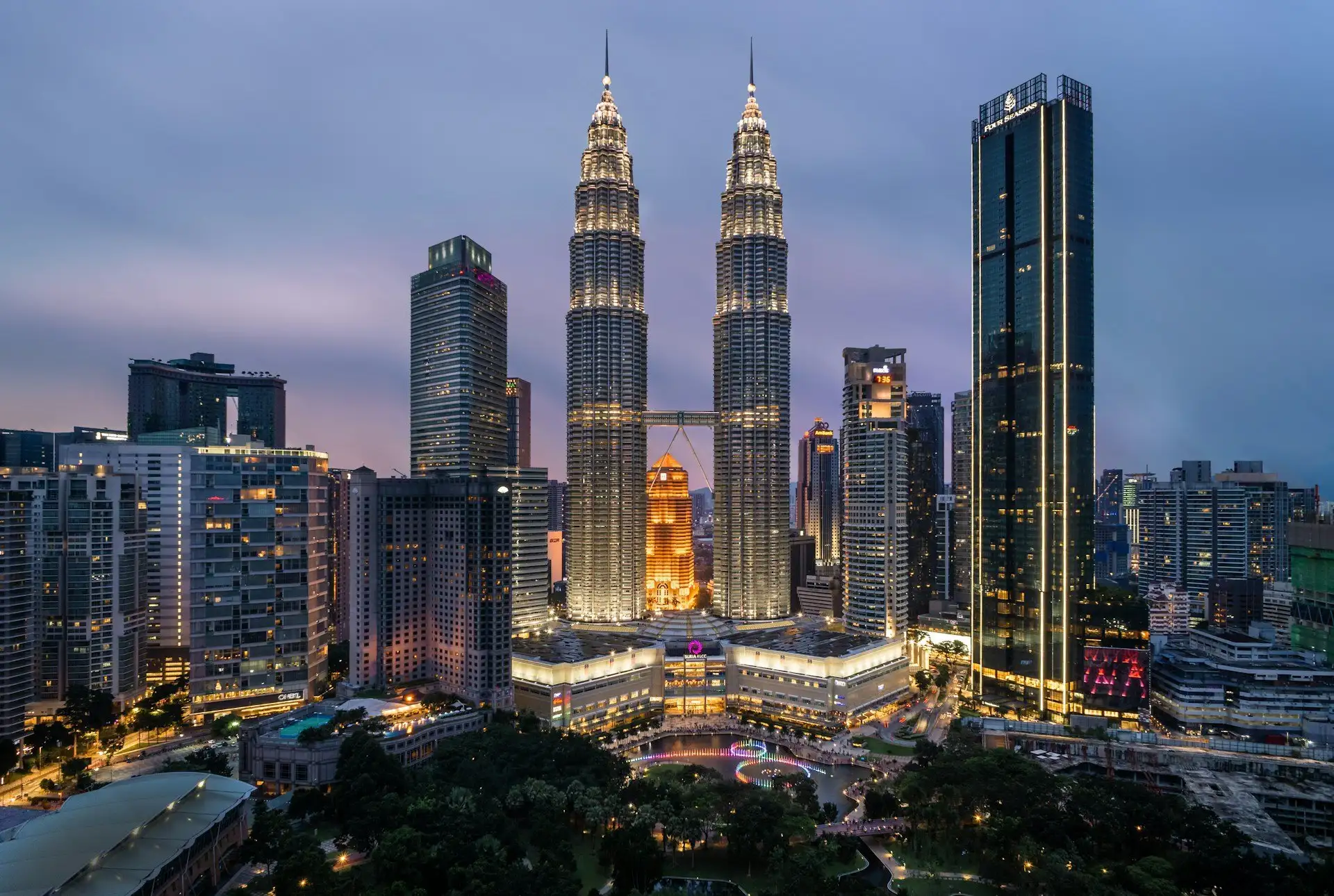
Malaysia Travel Scams
Malaysia is one of Southeast Asia's easiest, safest countries to travel. The traps that exist are narrow and well documented, mostly around airport taxis, market haggling, and island boat operators.
Malaysia Scam Overview 2026
Malaysia draws around 26 million visitors a year across a genuinely varied country, the modern skyline of Kuala Lumpur, colonial era Georgetown in Penang, beach resorts in Langkawi, and the rainforests and orangutan sanctuaries of Sabah and Sarawak on Borneo. That variety spreads tourist activity out more than in a single dense hub, which keeps most scam patterns localized to specific, well known chokepoints rather than woven throughout daily travel.
Malaysia's tourist facing issues fall into three categories. The first is transport, especially unlicensed taxis working Kuala Lumpur's airport and, to a lesser extent, other transport hubs. The second is unlicensed or informal boat and activity operators around the country's popular islands. The third is ordinary market haggling and counterfeit goods, most visible on Petaling Street and in Georgetown's tourist areas. All three are covered here with specific locations, prices, and what to do.
Muggings and violent tourist crime are uncommon. Malaysia has a generally low crime rate by regional standards, even in busy Kuala Lumpur.
Unlicensed drivers at KLIA and other airports are Malaysia's most consistently reported tourist problem, sometimes quoting well above the official fixed rate.
Informal boat operators serving the Perhentian Islands, Redang, and Langkawi's islets offer cheaper trips with fewer safety standards.
Card skimming is uncommon. Fake villa and resort booking listings are the main digital risk.
Malaysia Safety at a Glance
Kuala Lumpur Scams
Kuala Lumpur is a genuinely modern, walkable capital, and most visitors pass through it either at the start or end of a wider Malaysia trip. It's also where nearly all of the country's transport related scams concentrate, simply because it's the main international gateway.
✈️ KLIA Airport Taxi Overcharging
KLIA operates an official prepaid taxi counter inside the arrivals hall with fixed rates by destination zone, clearly posted. Unlicensed drivers approach travelers before they reach that counter, quoting a higher negotiated flat rate for the identical journey, sometimes doubling or tripling the fair price for travelers who don't know the official system exists.
Go directly to the official prepaid taxi counter inside the terminal and pay the posted fixed fare, or use a ride hailing app, which operates reliably from KLIA and often works out cheaper still. Ignore anyone who approaches you before you reach the official counter.
🏪 Petaling Street Haggling & Counterfeit Goods
Petaling Street's market stalls, known for counterfeit watches, bags, and clothing, price everything high for tourists as a starting point, and vendors expect firm negotiation. This isn't dishonest exactly, it's the normal economy of the market, but visitors unfamiliar with haggling can pay several times what a confident negotiator would.
Expect to negotiate down to roughly a third to half of the first quoted price, and be willing to walk away, which often brings the price down further. Also worth knowing: buying counterfeit branded goods, while openly sold there, carries a small risk of confiscation at customs in some home countries.
🏓 Genting Highlands Tout Packages
Genting Highlands, Malaysia's only legal casino resort in the hills above KL, is a legitimate and heavily regulated destination, but informal touts near transport hubs sometimes offer package deals or transport at prices above what booking directly through the resort or the official cable car ticket counter would cost.
Book cable car tickets and resort packages directly through Genting's official website or the ticket counter at the base station rather than an informal street seller.
🍺 Bukit Bintang Bar Bill Padding
A small number of bars in KL's main nightlife strip bring drinks without confirming prices first, and an unstated service charge occasionally appears on the final bill, a pattern found in most concentrated nightlife districts globally rather than something unique to Malaysia.
Ask for a printed drinks menu with prices before ordering, and check your bill against what you ordered before paying.
Penang & Langkawi Scams
Penang's Georgetown, a UNESCO listed old town of street art and hawker food, and Langkawi's duty free beach resorts represent two very different sides of Malaysian tourism, and each has its own small set of patterns worth knowing.
🏖 Georgetown Trishaw & Tour Overcharging
Trishaw riders and informal street guides around Georgetown's heritage zone sometimes quote a price for a short ride or tour and then request considerably more at the end, or extend the route without asking to justify a higher fare.
Agree the full price and route clearly before starting any trishaw ride or informal tour, and confirm whether the price is per person or for the whole group.
🚗 Langkawi Jet Ski & Scooter Deposit Disputes
Some jet ski, scooter, and beach buggy rental operators take a cash deposit and later dispute pre-existing damage as new at return, a pattern reported at rental heavy beach destinations generally rather than something specific to Langkawi.
Photograph the vehicle thoroughly, including a timestamp, before use, and choose an established operator with online reviews over the cheapest option on the beach.
🏷️ Duty Free Shop Commission Detours
Langkawi is a genuine duty free zone, but some taxi drivers and tour guides steer visitors toward a specific shop for a commission, implying it offers a special tourist rate that isn't meaningfully different from other duty free outlets on the island.
Compare prices at more than one duty free shop before buying, and don't feel obligated to visit a specific store a driver recommends.
Islands & Borneo Scams
The Perhentian Islands and Redang on the east coast draw divers and beach travelers for genuinely excellent water, while Sabah and Sarawak on Borneo offer rainforest trekking and orangutan encounters unlike anywhere else in the country. Both regions share a similar risk profile around boat transport and unlicensed guiding.
🛲 Unlicensed Island Boat Transfers
Licensed boat operators run regular, reasonably priced transfers to the Perhentian Islands and Redang with standard safety equipment, but informal operators at the jetty occasionally offer a cheaper crossing on an overcrowded boat without adequate life jackets, more concerning during monsoon season when sea conditions can shift quickly.
Book through your accommodation or an established jetty operator with a proper counter rather than an informal street seller, and confirm life jackets are provided before boarding. Avoid island travel entirely during the November to March monsoon closure period, when most resorts and operators shut down regardless.
🐒 Unlicensed Jungle Trek & Orangutan Tour Guides
Genuine wildlife encounters, orangutans, proboscis monkeys, rainforest treks, are a major Borneo draw, and most licensed guides and sanctuaries are excellent, but individuals near some park entrances offer unofficial guiding at a lower price with limited actual knowledge or safety training for the terrain involved.
Book treks and wildlife encounters through a registered park authority, like Sepilok Orangutan Rehabilitation Centre or Kinabalu Park, or an established tour operator rather than an informal guide offering a discount at the gate.
🦿 Dive Gear Rental Disputes
Occasional disputes arise over damage or loss of rented dive and snorkel gear, a minor complaint given how professionally most island dive centers are run.
Check gear for existing wear before use and mention anything notable to staff beforehand.
Transport Scams & Traps
🚗 Meter Refusal in Street Taxis
Some street hailed taxis outside the official KLIA system decline to use the meter, particularly late at night or in tourist heavy areas, and quote a flat rate above the metered fare.
Ask the driver to use the meter before the ride starts, and if they decline, use a ride hailing app instead, which is now the standard choice for most visitors and locals alike in Malaysian cities.
🚗 Rental Car Damage Disputes
Self driving is straightforward in Malaysia, and while less commonly reported than the taxi or boat issues above, damage disputes at return follow a familiar pattern with some smaller local agencies.
Photograph the vehicle thoroughly before driving off, and book through an established agency with clear insurance terms.
Food & Drink Traps & What Things Should Cost
Malaysian food, a genuine blend of Malay, Chinese, and Indian influence, is one of the country's real highlights, and hawker centers offer outstanding value well outside the busiest tourist streets.
What Things Actually Cost in Malaysia 2026
📄 Unposted Prices at Tourist Hawker Stalls
Most hawker stalls display clear pricing, but a small number of tourist facing stalls in the busiest areas quote prices verbally, and the quoted price can vary depending on the customer.
Ask the price before ordering if it isn't clearly displayed, and favor stalls with a visible, printed menu.
Use a Wise card or Revolut for spending across Malaysia at a fair exchange rate with instant transaction notifications, which helps you catch any overcharge quickly. Card acceptance is strong in cities but carry ringgit cash for hawker stalls, markets, and island destinations.
Shopping Traps
💎 Uncertified Pewter & Batik Quality Claims
Malaysia produces genuine, high quality pewter (notably Royal Selangor) and hand drawn batik textiles, but some tourist shops sell lower quality machine printed batik or non genuine pewter blends at prices implying the premium, handcrafted version.
Buy pewter directly from an established brand like Royal Selangor's own outlets, and ask specifically whether batik is hand drawn (batik tulis) or machine printed before paying a premium price.
🎉 Tourist Strip Souvenir Markup
Standard magnets, keychains, and Malaysia branded souvenirs cost noticeably more directly on the main tourist streets than a short walk away or at a local market.
Walk a few streets off the main tourist strip for meaningfully lower prices on the same items.
Digital Scams
🌐 Fake Villa & Resort Booking Listings
Fake holiday rental listings for villas and resorts in Langkawi and the Perhentian Islands appear on social media marketplaces, using photos taken from genuine listings, and typically request payment by direct bank transfer outside the platform.
Book through an established platform like Booking.com or Agoda and keep payment within the platform rather than transferring money directly to an owner offering an off platform discount. Use a credit card for stronger dispute protection where possible.
💳 ATM Card Skimming
Card skimming occurs occasionally at standalone ATMs, though it's not widespread compared to more heavily touristed destinations.
Use ATMs inside bank branches or shopping malls where possible, and cover the keypad with your other hand when entering your PIN.
An Airalo eSIM gives you local data from arrival, useful for booking a rideshare instead of negotiating with an airport taxi tout and for comparing boat trip prices on the spot. Coverage across Peninsular Malaysia is excellent, though it thins out in remote parts of Sabah and Sarawak.
Universal Prevention Guide
Most tourist problems in Malaysia are avoidable with a small amount of preparation. The following practices address the country's specific risk profile: airport taxis, island boat licensing, and standard market haggling.
Use the Official Airport Taxi Counter
Malaysia's fixed fare airport taxi system is posted clearly inside the arrivals hall. Go directly there rather than accepting an approach from anyone before you reach it.
Book Island Boats Through an Established Operator
For the Perhentian Islands, Redang, and any coastal excursion, choose an operator with a proper counter rather than an informal jetty seller, and confirm life jackets are provided.
Negotiate Firmly at Tourist Markets
At Petaling Street and similar markets, treat the first price as a high opening offer and negotiate down significantly, being willing to walk away.
Avoid Island Travel During Monsoon Closure
The east coast islands largely close from November to March due to monsoon conditions. Check current status before planning a trip to the Perhentians or Redang during this window.
Save Emergency Numbers Before You Go
Malaysia's unified emergency number is 999, and 112 also works nationwide. Save these alongside your travel insurer's emergency line before departure.
Photograph Rentals Before You Use Them
For jet skis, scooters, and rental cars, take timestamped photos before use, which prevents the majority of deposit disputes reported at beach destinations.
Booking experiences through GetYourGuide means licensed, reviewed operators for Perhentian island trips, Borneo wildlife tours, and Kuala Lumpur city experiences. All operators are reviewed, all prices are transparent, and you have consumer protection if something goes wrong.
Solo Women Travelers
Malaysia is a manageable, generally low hassle destination for solo women travelers, with a well developed tourism industry and low reported harassment in the main tourist areas. The specific risks that apply overlap with the general scams above, with little that's meaningfully gender specific.
Kuala Lumpur is comfortable to walk during the day; standard city precautions apply after dark as they would anywhere, particularly around quieter side streets. As a majority Muslim country with a genuinely diverse population, dress in Malaysia's cities is casual and Western dress is completely normal, though modest dress is appreciated when visiting mosques or more conservative rural areas, particularly on the east coast.
Reporting Scams in Malaysia
If you are the victim of a scam or crime in Malaysia, reporting it creates a record that supports insurance claims and card disputes, and contributes to local police awareness of active patterns, particularly useful for the airport taxi issue given how consistently it repeats.
Step-by-step: What to Do if You're Scammed
Malaysia is Worth It. Use the Official Counter.
The vast majority of the roughly 26 million people who visit Malaysia each year come home with nothing worse than a phone full of Petronas Towers photos and a taste for nasi lemak. The scams documented here are narrow and easy to sidestep: use the official airport taxi counter, book island boats through a proper operator, and negotiate firmly at tourist markets. Do those three things and Malaysia has very little left to catch you out with.
Few countries pack rainforest, beach, and genuinely great food into such an easy to navigate package. Go, enjoy it, and spend your money on things that deserve it.