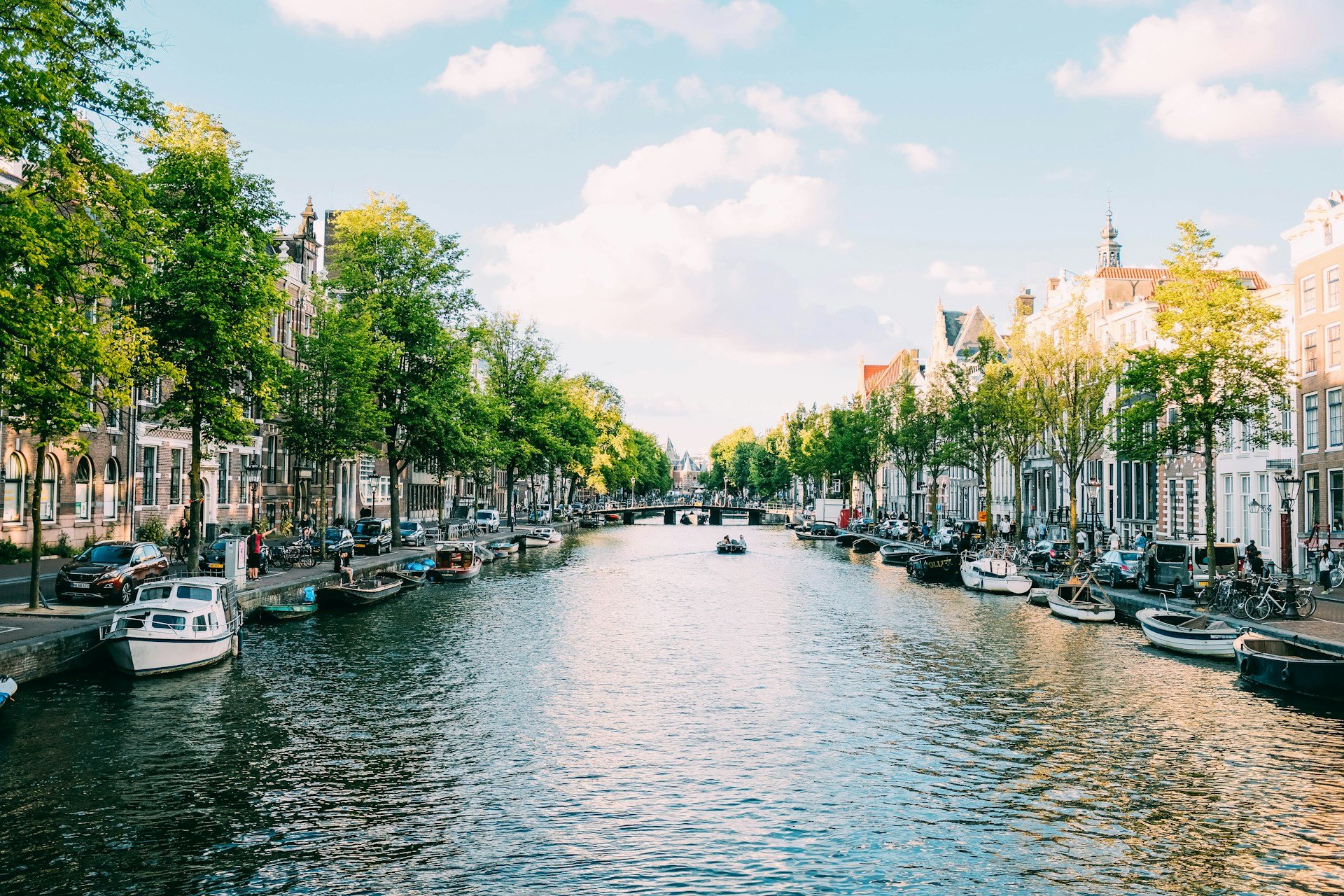
The City of Light—where romance meets art, cuisine meets culture, and every corner is a postcard.
Paris is packed with iconic landmarks. These are the absolute must-sees that define the city.
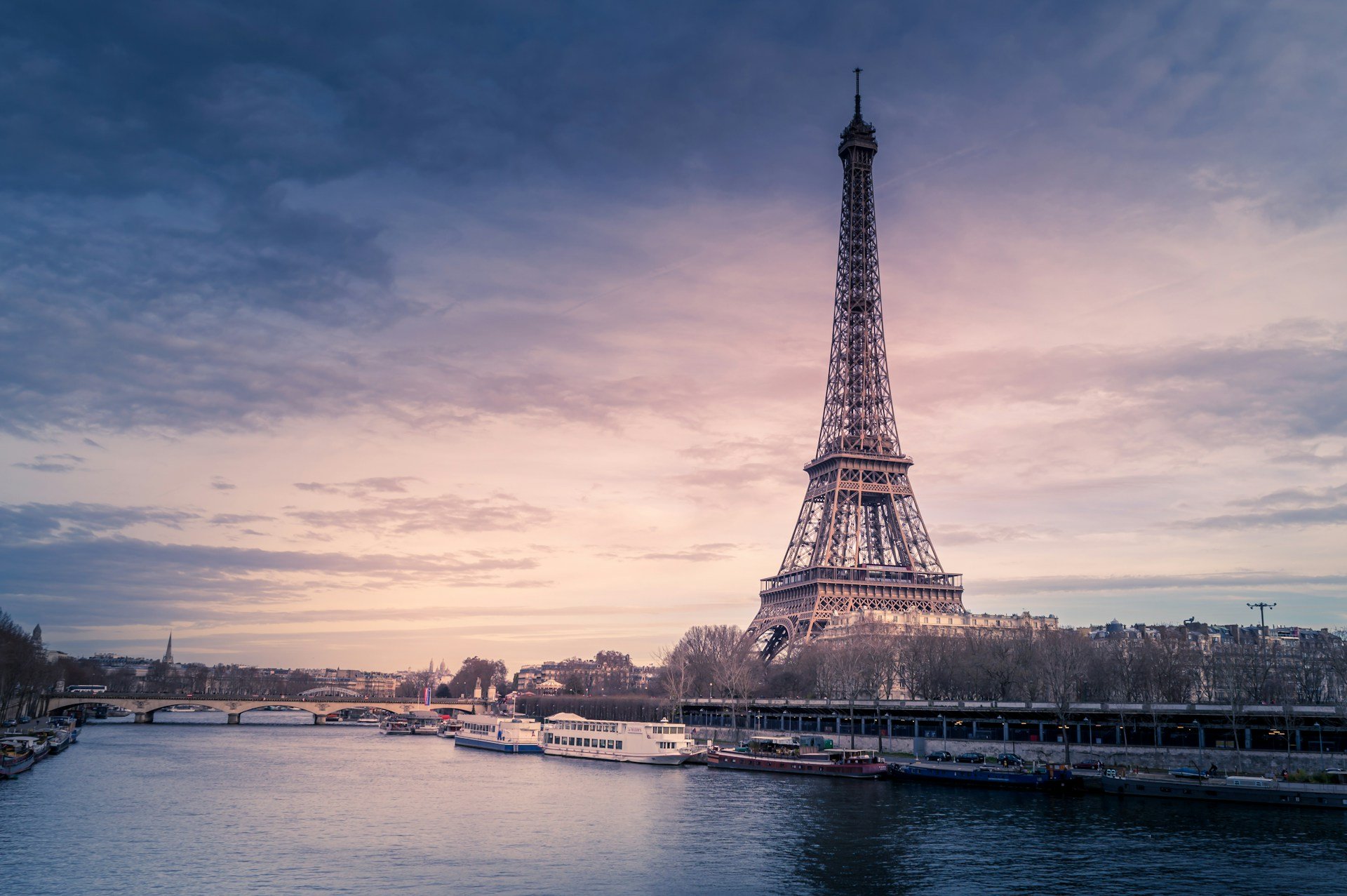
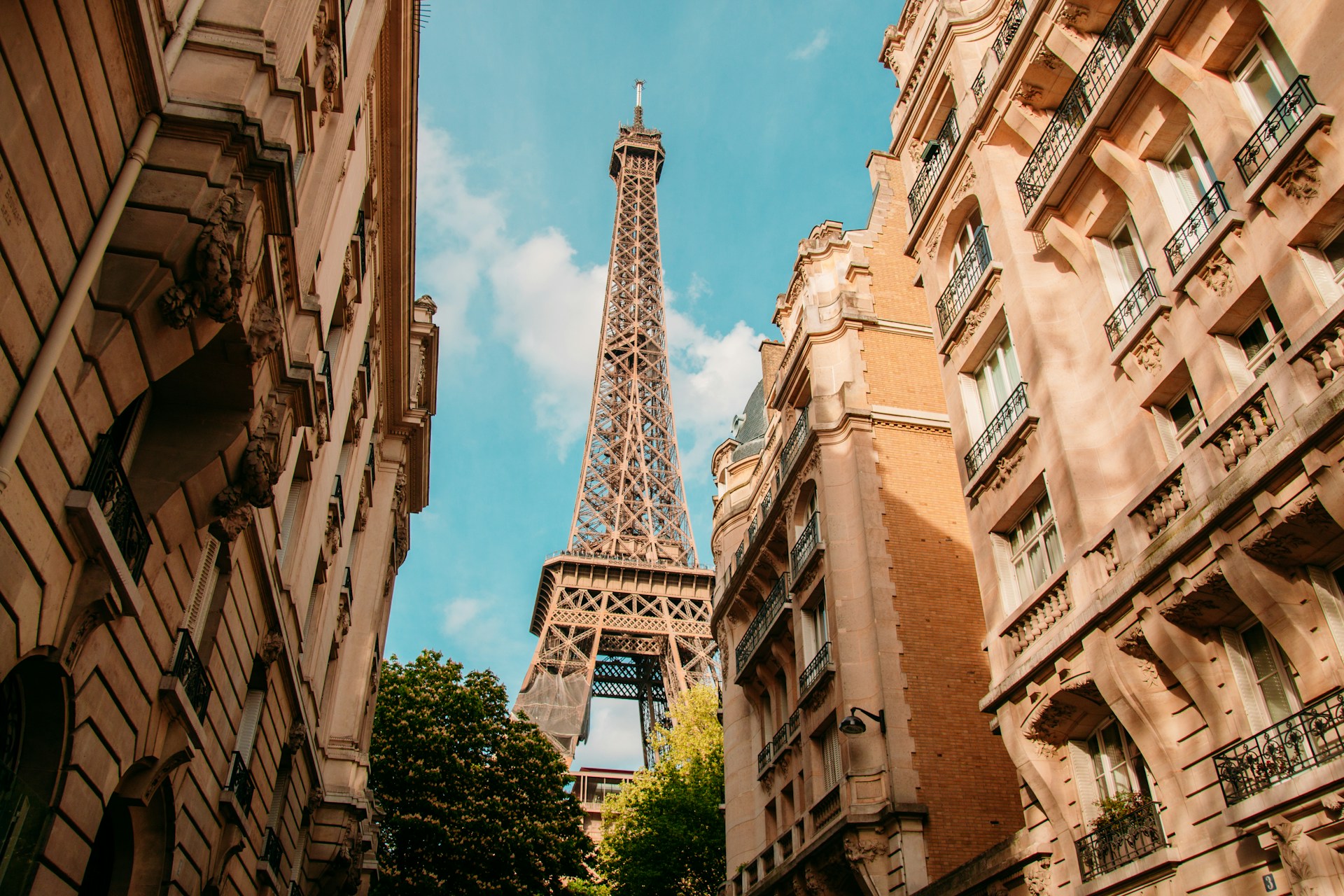
The symbol of Paris. Built for the 1889 World's Fair, now the most visited paid monument in the world. Climb or take the elevator to the top for panoramic views.
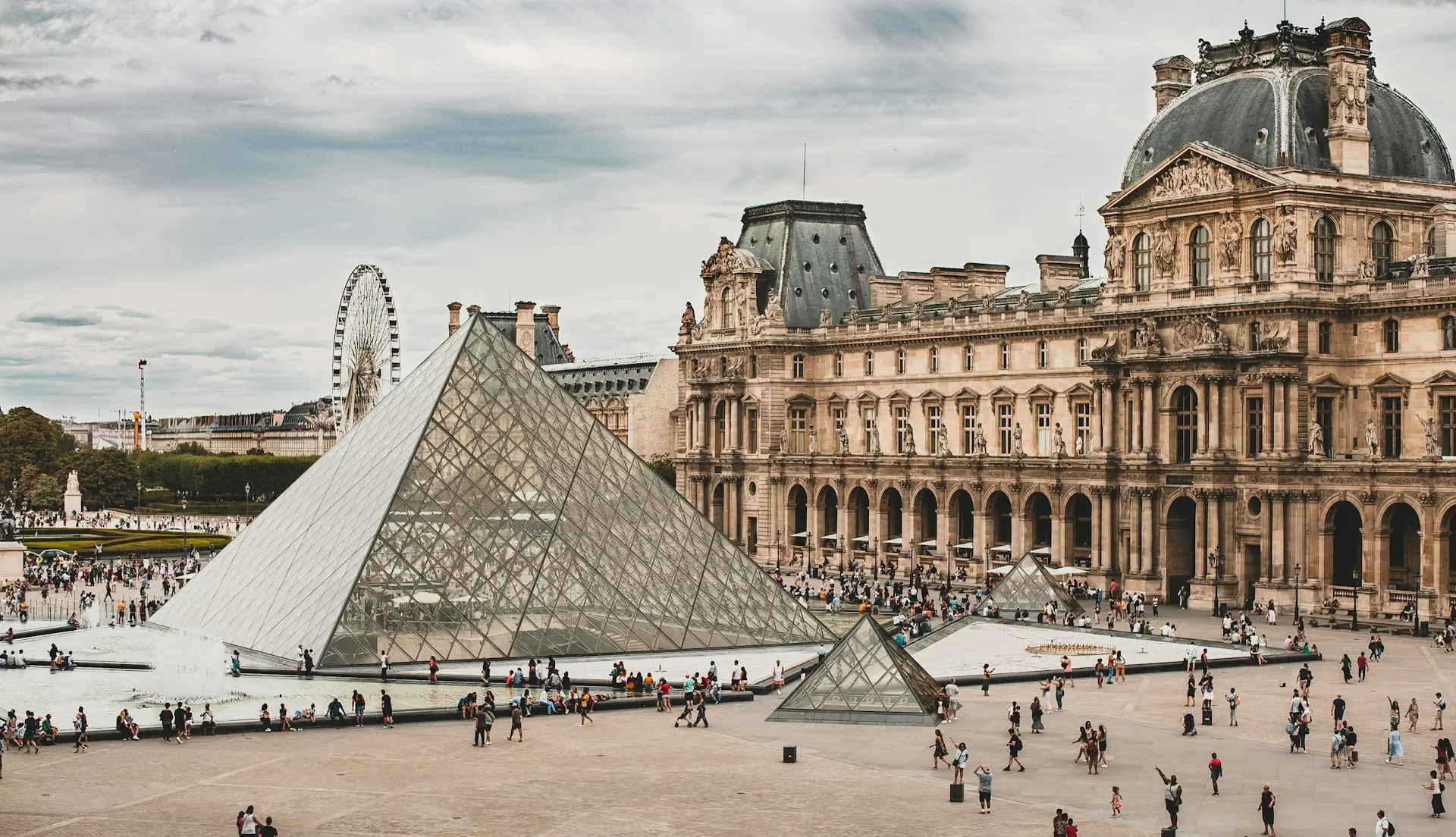
World's largest art museum. Home to the Mona Lisa, Venus de Milo, and 35,000+ artworks. The glass pyramid entrance is iconic in itself.
Gothic masterpiece on Île de la Cité. Currently under restoration after the 2019 fire, but the exterior is still viewable. Reopening planned for 2024.
Monumental arch honoring French military victories. Climb 284 steps to the top for spectacular views down the Champs-Élysées.
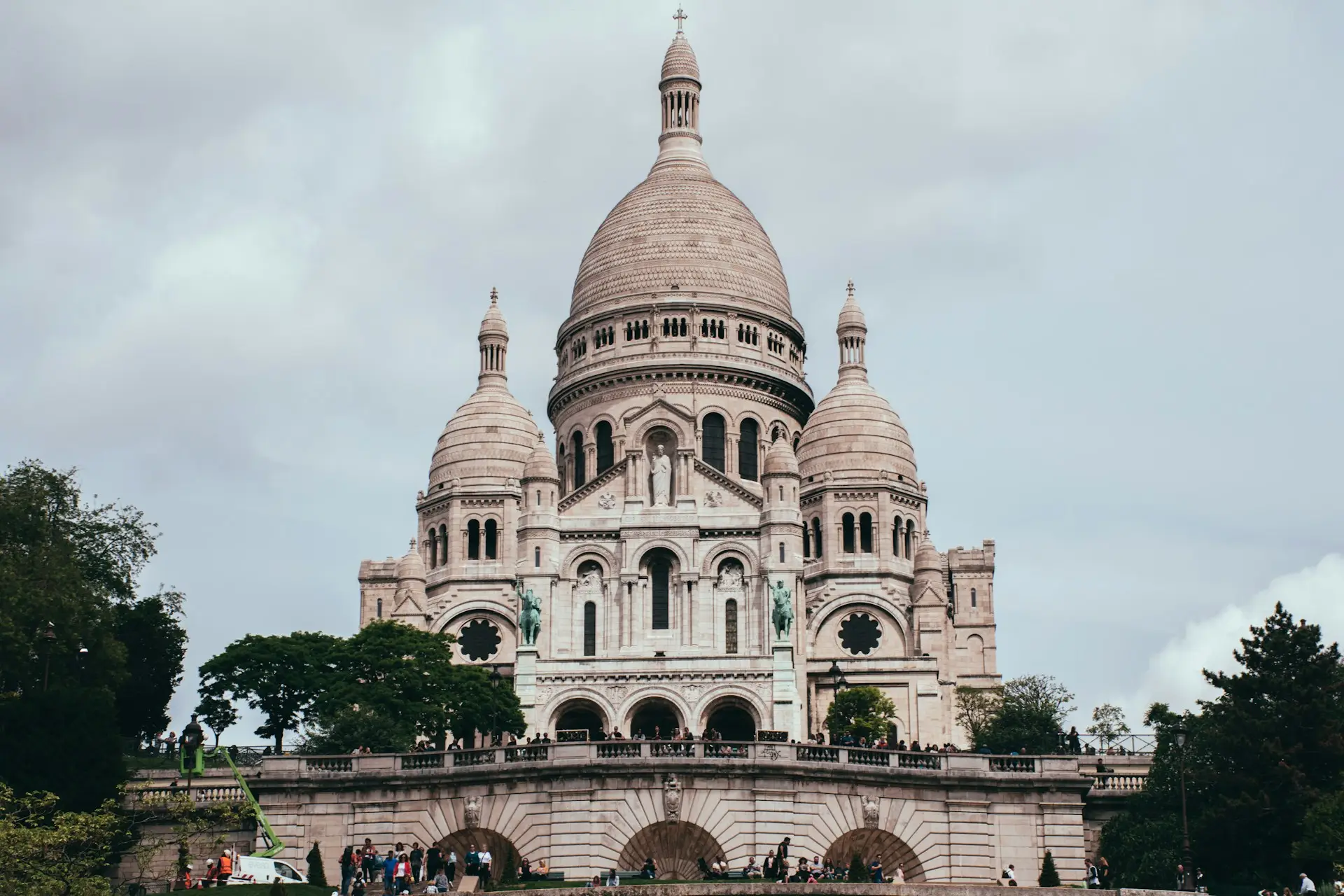
White Romano-Byzantine basilica atop Montmartre hill. Free to enter, with stunning city views from the steps. The dome offers even higher views.
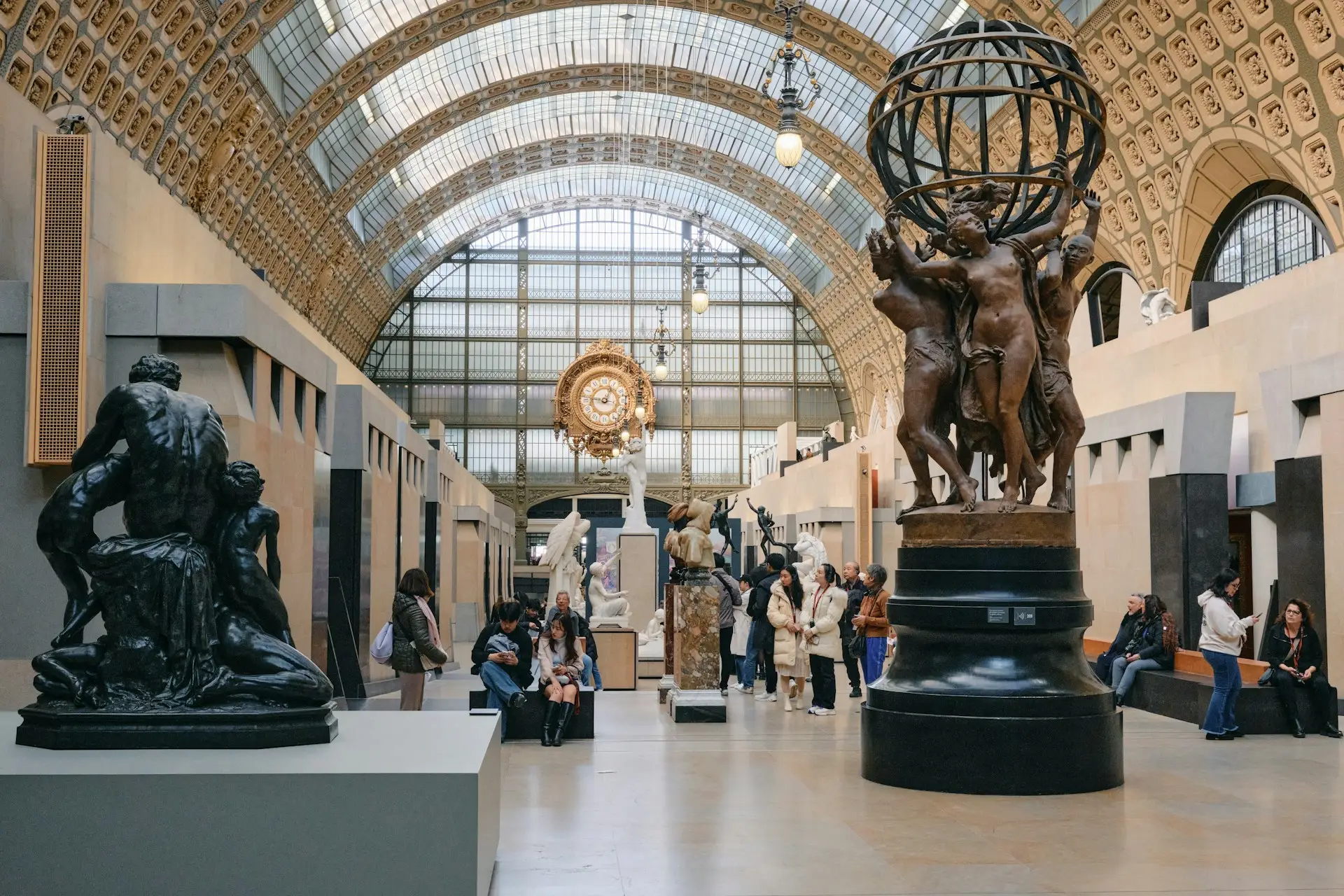
Impressionist paradise in a converted train station. Monet, Renoir, Van Gogh, Degas—all the masters. Less crowded than the Louvre.
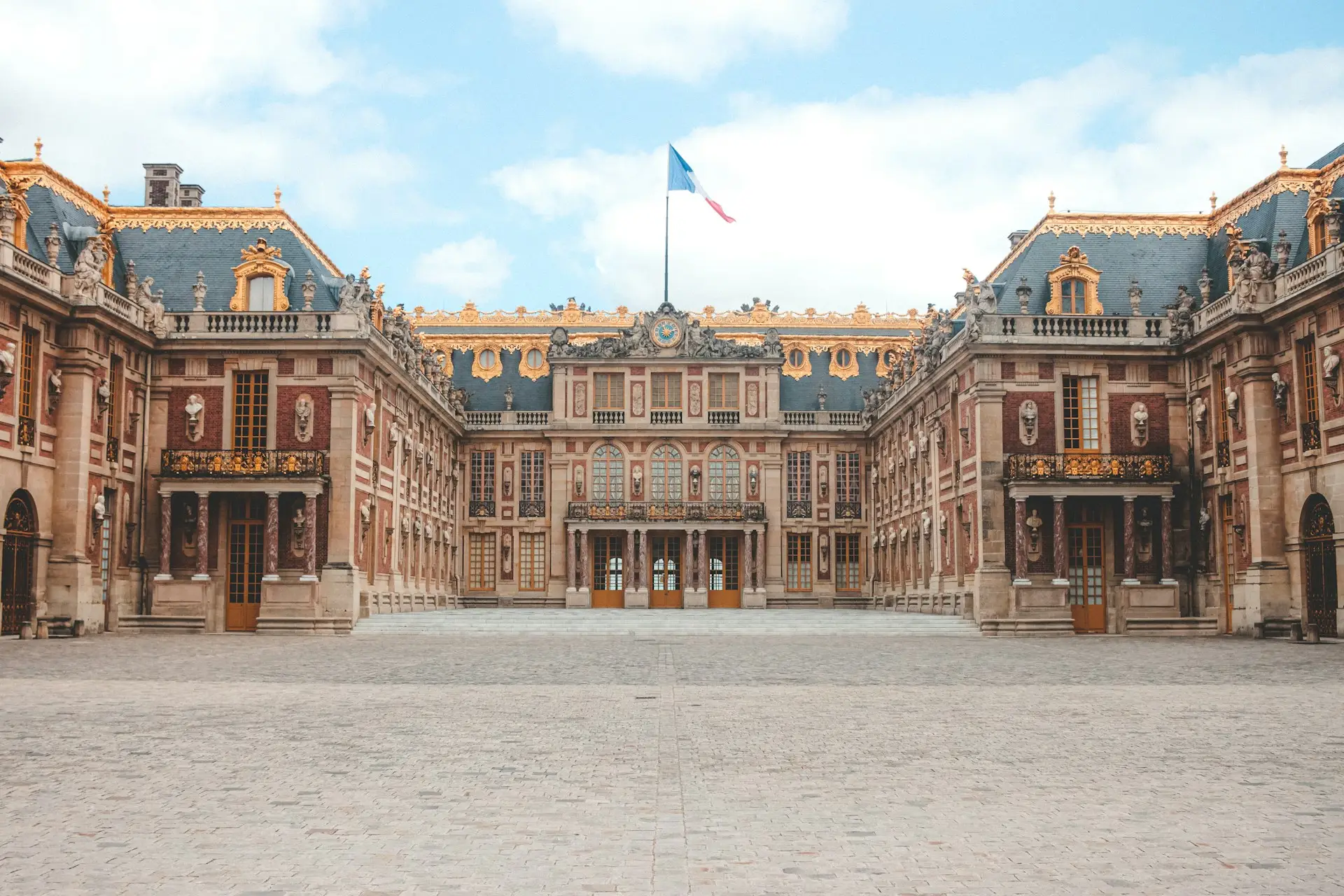
Opulent royal château just outside Paris. Hall of Mirrors, expansive gardens, and Marie Antoinette's estate. Reserve a full day.
Hidden gem with breathtaking stained glass windows. 13th-century Gothic chapel with 15 stunning glass panels depicting biblical scenes.
Paris is divided into 20 arrondissements spiraling clockwise from the center. Here are the must-visit districts.
Historic Jewish quarter turned trendy hotspot. Narrow medieval streets, hip boutiques, falafel shops, LGBTQ+ scene, and Place des Vosges.
Student district around Sorbonne University. Lively, intellectual vibe with bookshops, affordable restaurants, Panthéon, and Luxembourg Gardens.
Literary and artistic heart. Famous cafés (Café de Flore, Les Deux Magots), art galleries, designer boutiques, and sophisticated atmosphere.
Bohemian hilltop village crowned by Sacré-Cœur. Artists, street performers, steep streets, Moulin Rouge, and the famous "I Love You" wall.
Paris is expensive, but there are ways to visit on any budget. Here's what to expect per day.
Make the most of your time in Paris with this well-paced three-day plan.
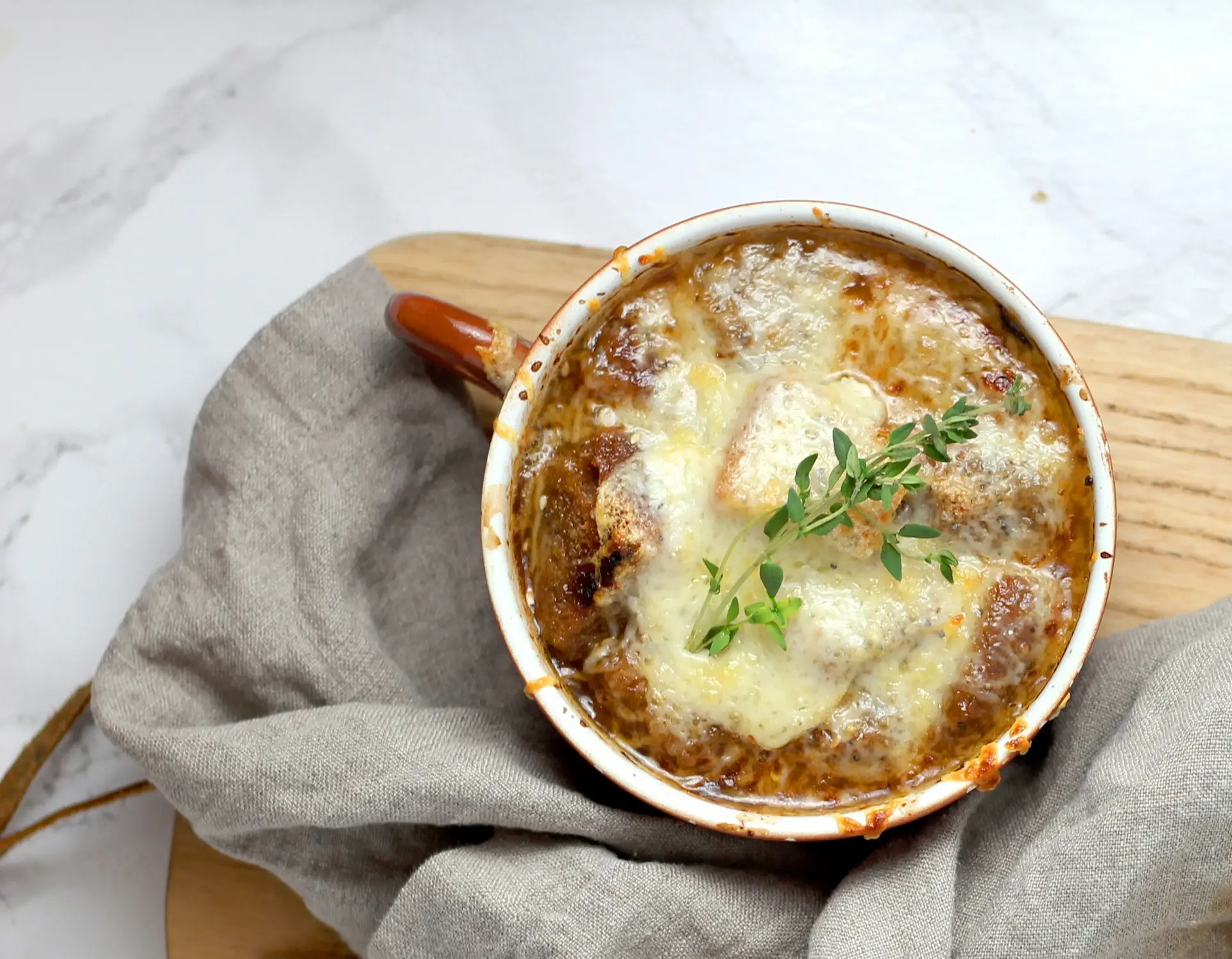
Paris is a culinary capital. From Michelin-starred restaurants to corner bakeries, the food is exceptional.
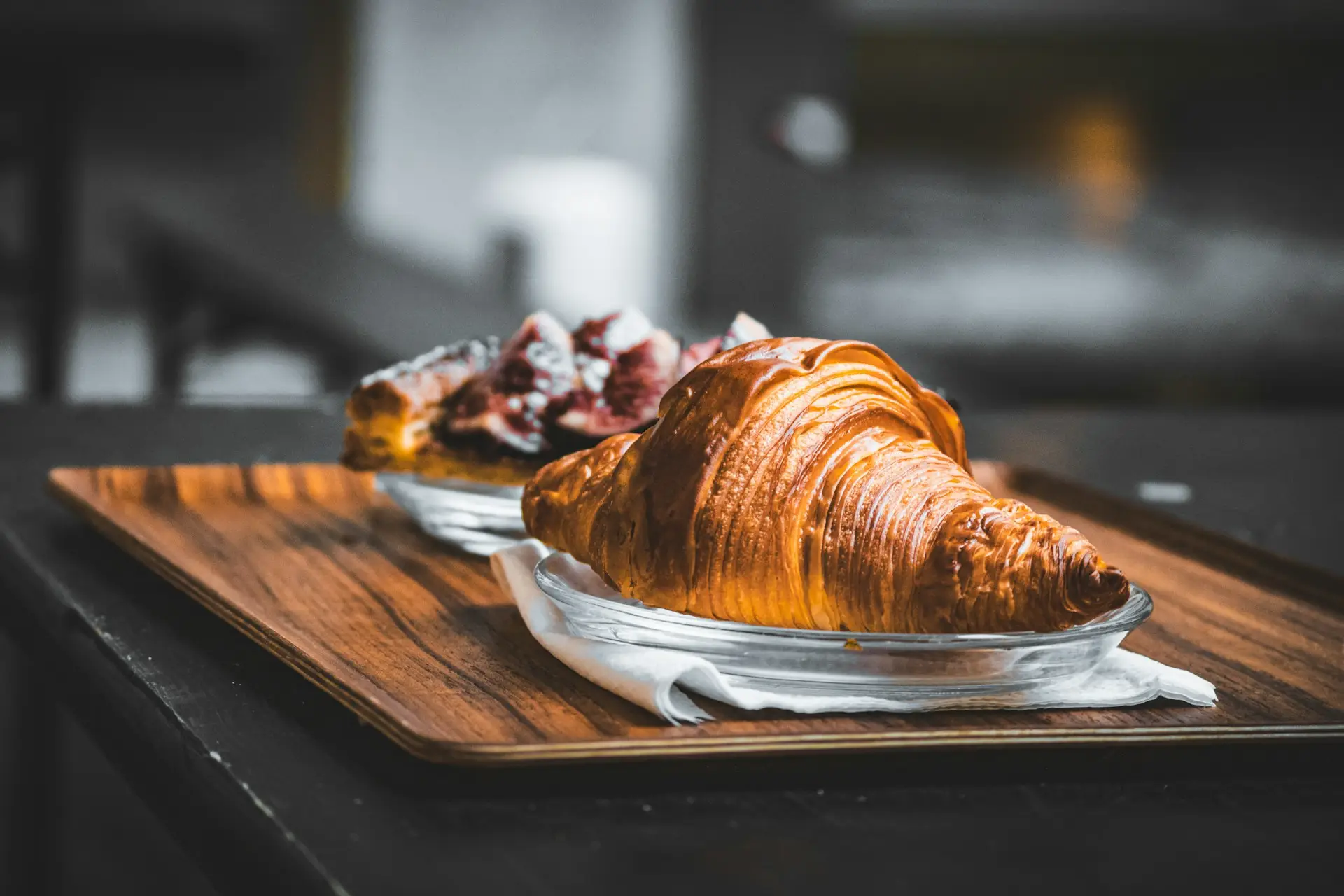
Start every day with a fresh croissant or pain au chocolat from a local bakery. Look for "Boulangerie Artisanale" signs for the best quality. €1-2 for breakfast.
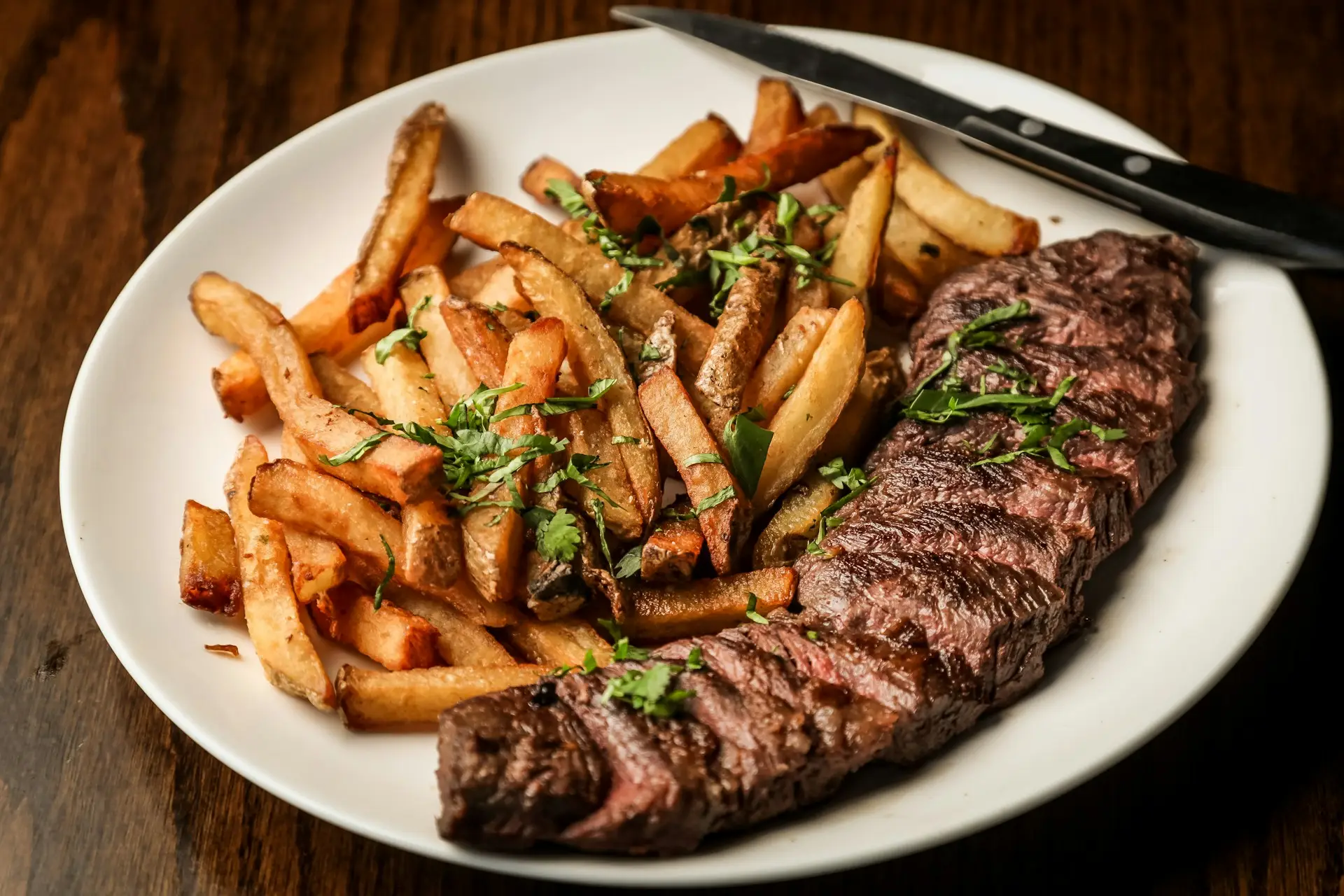
Traditional French bistros offer €15-25 set menus (menu du jour). Classic dishes like boeuf bourguignon, coq au vin, and steak frites. House wine is affordable.
Visit a fromagerie to sample French cheeses. Pair with a baguette and wine for a perfect picnic in Luxembourg Gardens or along the Seine.
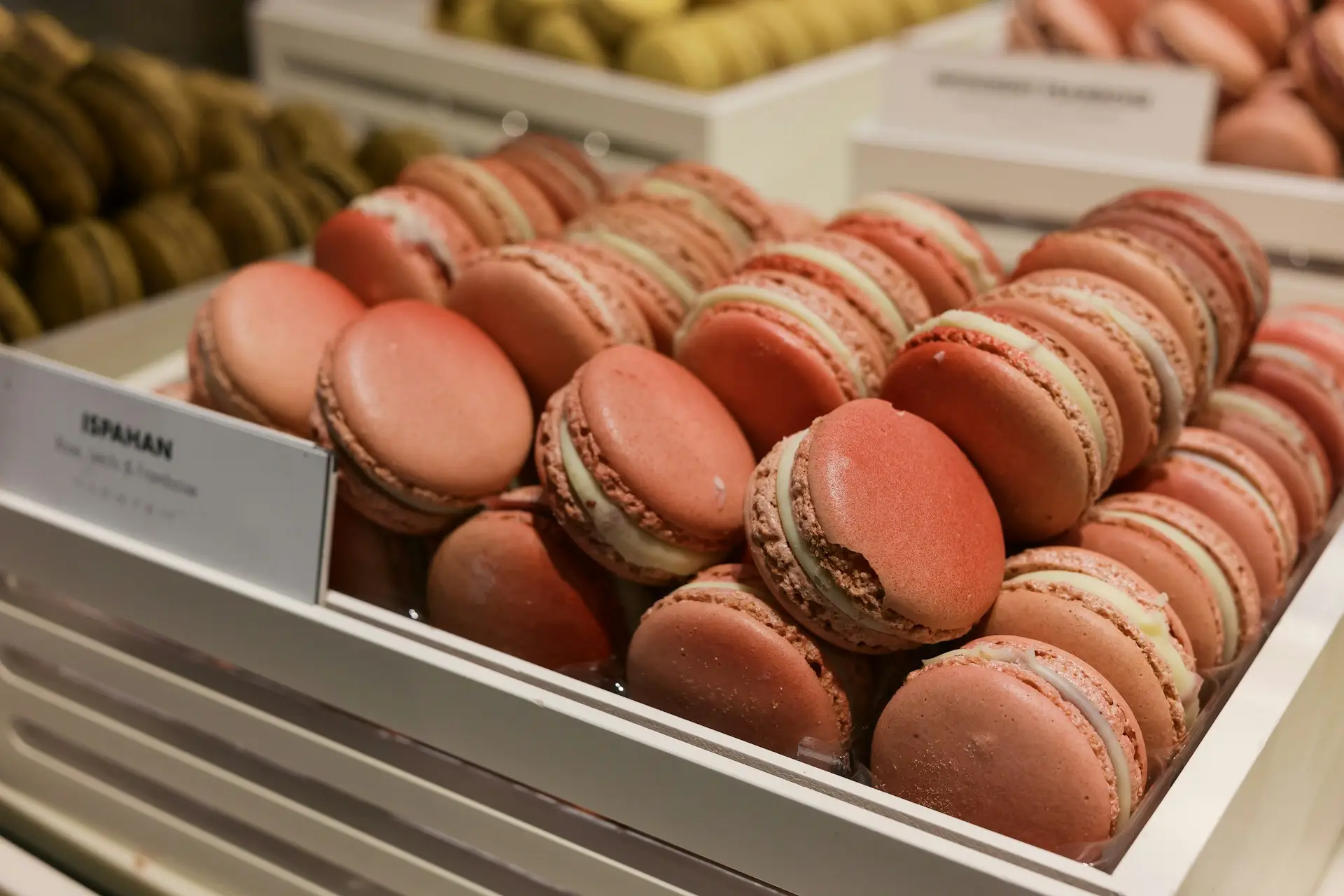
French pastries are art. Try macarons from Ladurée or Pierre Hermé, éclairs, tarte tatin, and mille-feuille. Angelina's hot chocolate is legendary.
Sit at an outdoor café and people-watch. Order "un café" (espresso) or "café crème" (cappuccino). Sitting costs more than standing at the bar.
Paris has 119 Michelin-starred restaurants. For a splurge, book months ahead. Lunch menus are more affordable than dinner tasting menus.
Buy the Paris Museum Pass (€62 for 2 days) if visiting 3+ museums. Includes Louvre, Versailles, Musée d'Orsay, Arc de Triomphe, and skip-the-line access.
First Sunday of each month = free entry to many museums (Louvre, Musée d'Orsay, etc). Arrive early as it gets crowded.
Buy a carnet (10-ticket book) for €16.90 instead of individual tickets (€2.15 each). Don't use the Métro late at night—walk or use Uber.
Learn "Bonjour" (hello), "Merci" (thank you), "S'il vous plaît" (please), and "Parlez-vous anglais?" (Do you speak English?). Parisians appreciate the effort.
Ask for "une carafe d'eau" at restaurants for free tap water. Paris has drinking fountains throughout the city. Skip expensive bottled water.
Beware of petition scammers, ring scams near Sacré-Cœur, and pickpockets on the Métro (especially lines 1, 2, 6, 9). Keep valuables secure.
Compare Paris with other European capitals to plan your perfect trip
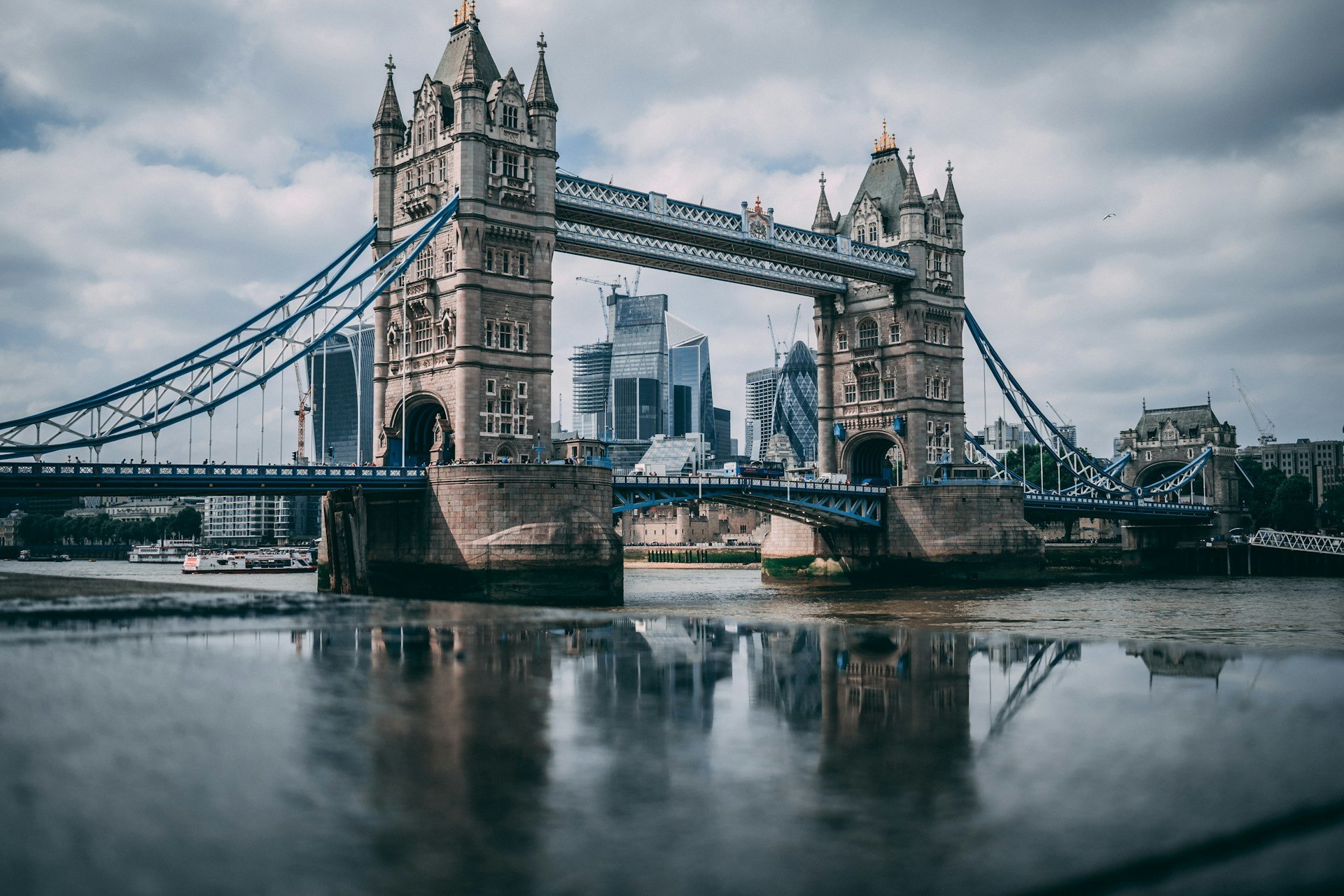
Compare Paris vs London →