Atlas Guide

Explore the World

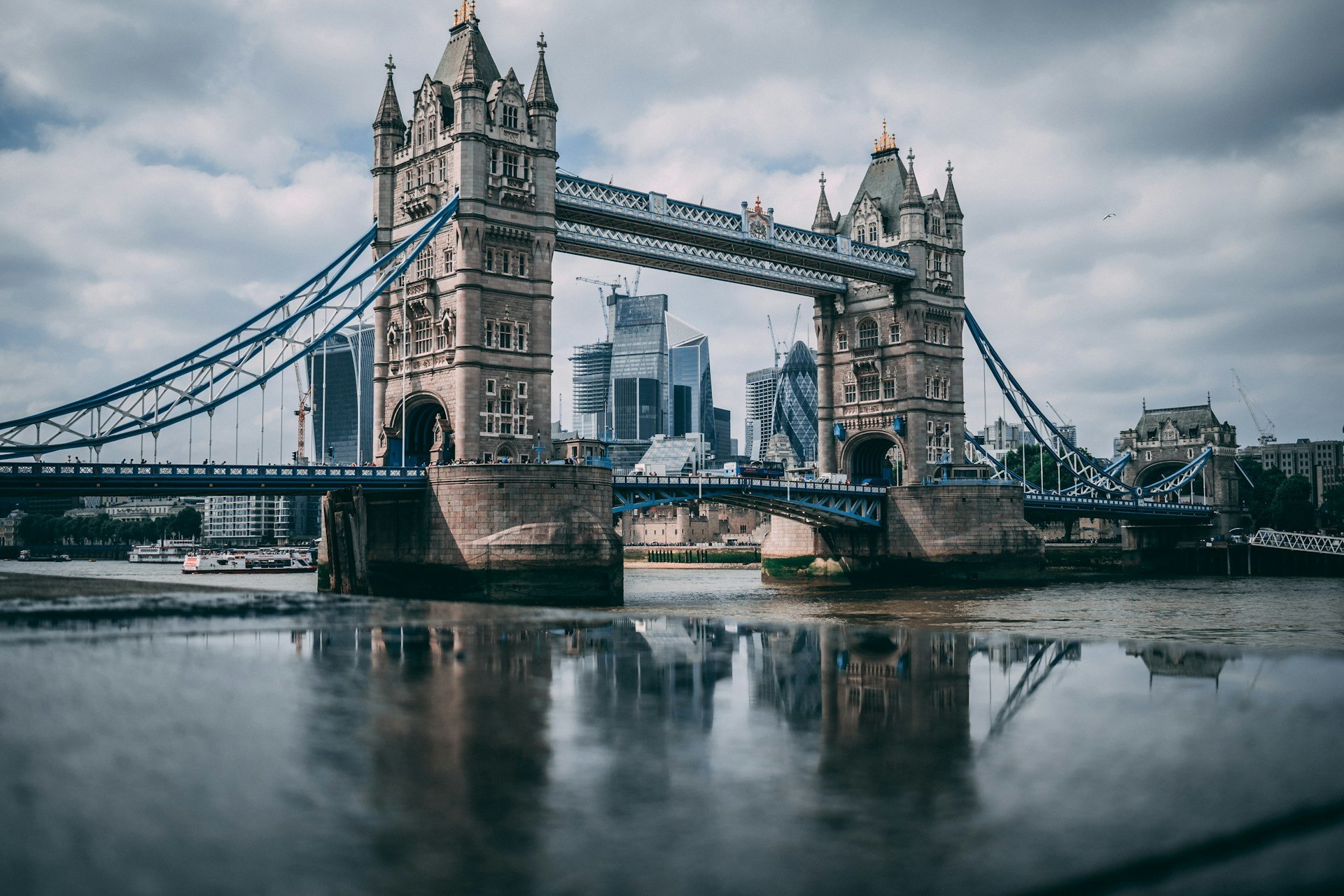
London skyline with Tower Bridge and the Thames at dusk
Europe · United Kingdom

London,
Brilliant

Two thousand years of history compressed into one ceaselessly reinventing city. The museums are free, the parks are vast, the food is world-class, and the pubs close too early — but somehow it all works perfectly.

🏛️ World's Best Free Museums
🎭 West End Theatre Capital
🌿 3,000 Acres of Royal Parks
🍜 Most Diverse Food City on Earth
About London

The City That Contains Multitudes

London defies easy description. It is simultaneously the most visited city in Europe and one of the most liveable — a place of extraordinary contradictions where a Tudor palace sits beside a steel-and-glass skyscraper, where the world's greatest free museums line the same street, and where over 300 languages are spoken within a single square mile. It has been burned, bombed, reinvented, and reimagined more times than any other city on earth, and each iteration has left its mark.

The Thames is London's spine — winding through the city from west to east, past the Houses of Parliament, the Tower of London, Tate Modern, and Shakespeare's Globe. North of the river sit the grand Victorian museums of South Kensington, the Georgian streets of Mayfair, and the buzzing markets of Camden and Shoreditch. South of the river, Southwark's cultural density is staggering, while leafy Richmond and Kew offer a completely different London — one of river pubs, deer parks, and the world's finest botanical gardens.

What surprises most first-time visitors is how green London is — 47% of the city's surface area is green space, from the sweeping Royal Parks to hidden Victorian cemetery gardens and neighbourhood allotments. And how genuinely free its greatest treasures are: the British Museum, the National Gallery, the V&A, Tate Modern, the Natural History Museum — all free, all world-class, all inexhaustibly rewarding.

🏨 Find Hotels in London

Tower Bridge over the Thames at golden hour Red telephone box on a London street
300+
Languages Spoken
Must-See

Top Attractions in London

From 2,000-year-old fortresses to cutting-edge contemporary art — London's greatest hits span the full sweep of human history and imagination.

Tower of London with Beefeater guards
🏰 Historic Fortress

Tower of London

Nearly 1,000 years of history in a single site. William the Conqueror's White Tower looms over the Thames, surrounded by walls that once held Anne Boleyn, Guy Fawkes, and the young princes who disappeared into history. Today it houses the Crown Jewels — the most dazzling collection of ceremonial regalia on earth. The Yeoman Warder (Beefeater) tours are funny, gruesome, and genuinely informative. Book tickets well in advance; queues are enormous in summer.

British Museum Great Court with glass roof
🏛️ World Museum — Free Entry

The British Museum

Eight million objects spanning two million years of human civilisation under one roof — and it's completely free. The Rosetta Stone, the Elgin Marbles, the Lewis Chessmen, the Sutton Hoo helmet, Egyptian mummies by the dozen. Norman Foster's stunning Great Court glass roof is one of the finest indoor spaces in Europe. Could occupy multiple days; focus on two or three galleries per visit. Timed entry tickets are free but required for the busiest periods.

Tate Modern Turbine Hall installation
🎨 Modern Art — Free Entry

Tate Modern

The world's most visited modern art museum, housed in a converted Bankside power station on the South Bank. Permanent collection featuring Picasso, Rothko, Dalí, Warhol, and Bourgeois is free; temporary exhibitions require tickets. The vast Turbine Hall has hosted some of the most talked-about art installations of the past two decades. The 10th-floor viewing terrace offers one of the finest views of St Paul's Cathedral and the Thames from anywhere in London.

Buckingham Palace with guards changing
👑 Royal Palace

Buckingham Palace

The working home of the British monarch and the focal point of royal London. The Changing of the Guard ceremony (daily in summer, alternate days in winter) draws enormous crowds — arrive 45 minutes early for a good view. The State Rooms are open to the public during August and September when the King is in residence at Balmoral. The gardens open for summer tours — the 42 acres of private grounds behind the Palace are extraordinarily beautiful.

Borough Market food stalls under railway arches
🥩 Food Market

Borough Market

London's oldest and greatest food market, trading near London Bridge since the 12th century. Today it's a cathedral of extraordinary produce — Neal's Yard cheeses, Monmouth Coffee, Brindisa Spanish charcuterie, Ethiopian injera, Japanese wagyu, and the best salt beef bagel you've ever eaten. Go hungry on a Thursday, Friday, or Saturday morning. The surrounding Bermondsey and Southwark streets are lined with excellent wine bars and restaurants.

Hyde Park in bloom on a spring day
🌳 Royal Park — Free

Hyde Park & Kensington Gardens

London's most famous park — 350 acres of Serpentine lake, sweeping lawns, lido swimming, horse riding, and the Diana Memorial Fountain. Connected seamlessly to Kensington Gardens and the Albert Memorial, it forms one continuous green corridor from Marble Arch to Kensington Palace. Hire a rowing boat on the Serpentine in summer; watch the Speaker's Corner free speech tradition on Sunday mornings; catch outdoor concerts at the Proms in the Park in August.

Where to Stay & Explore

London's Best Neighbourhoods

London is really a collection of villages that grew into one another. Each has its own character, architecture, and crowd — choosing the right base changes the whole experience.

🎭
Covent Garden & the West End

The beating heart of tourist London — theatres, street performers, world-class restaurants, and Covent Garden's Victorian market hall. Expensive to stay but unbeatable for location: everything from the British Museum to the National Gallery and Trafalgar Square is within walking distance. Best for first-timers who want to be in the middle of it all.

🏰
South Bank & Southwark

London's cultural powerhouse south of the river — Tate Modern, Shakespeare's Globe, Borough Market, the Shard, National Theatre, and BFI Southbank all within a 20-minute walk of each other. Great mid-range hotel options, excellent restaurant scene, and the Thames Path walk is one of the finest urban walks in Europe.

💅
Notting Hill & Portobello

Pastel-coloured townhouses, the world-famous Portobello Road antiques market (Saturdays), excellent independent restaurants, and a calm residential atmosphere that feels miles from tourist London. Best visited on a Saturday. Home to the Notting Hill Carnival in August — the largest street festival in Europe.

🎨
Shoreditch & East London

London's creative engine — street art, concept restaurants, independent fashion, rooftop bars, and the best brunch scene in the city. The Sunday markets at Brick Lane, Columbia Road Flower Market, and Spitalfields are essential. Home to London's Bangladeshi community, some of the finest Indian and Bangladeshi food in Europe, and the city's most energetic nightlife.

🎓
Bloomsbury & Fitzrovia

Academic, bookish, and quietly beautiful — home to the British Museum, the University of London, and the literary ghosts of Virginia Woolf and the Bloomsbury Group. Excellent mid-range accommodation, great independent bookshops on Museum Street, and conveniently central. Fitzrovia's Charlotte Street is one of London's best restaurant strips.

🏛️
South Kensington & Chelsea

The museum district — the V&A, Natural History Museum, and Science Museum cluster together in Exhibition Road. Chelsea is London's most expensive neighbourhood, home to the King's Road and the Chelsea Physic Garden. Sloane Square is one of London's finest small squares. Very wealthy, very leafy, and surprisingly pleasant for a walk.

🎵
Camden Town

The alternative heartbeat of London — Camden Market, live music at the Jazz Café and Roundhouse, street food from every corner of the world, and a heritage of punk, goth, and indie culture. Very much a tourist destination now, but still genuinely energetic and great fun for an afternoon. The Lock market food stalls are excellent value.

🍺
Greenwich & South-East London

Often overlooked but genuinely spectacular — the Royal Observatory sitting atop Greenwich Park with a panoramic view of Canary Wharf and the City, the Cutty Sark clipper ship, the National Maritime Museum, and a market village atmosphere that feels completely different from central London. Take the Thames Clipper from central London for a scenic approach.

Eat & Drink

What to Eat & Drink in London

London's food scene has been transformed beyond recognition over the past two decades. The city now rivals Paris for restaurant quality and beats everywhere for sheer diversity — from Michelin-starred tasting menus to legendary street food markets.

Traditional British pub interior with ales on tap
🍺 Essential Experience

The Great British Pub

No visit to London is complete without time in a proper pub. Not a themed Irish bar or a chain — a real, neighbourhood boozer with hand-pulled cask ales, a battered carpet, and a Sunday roast that could stop a clock. The George Inn in Southwark (London's last surviving galleried coaching inn, dating to 1677), The Prospect of Whitby in Wapping (London's oldest riverside pub, 1520), and The Lamb in Bloomsbury (original Victorian snob screens intact) are among the finest. Drink a pint of bitter or a half of London Pride. Order a Scotch egg. Stay longer than planned.

Full English breakfast with all the trimmings
🍳 British Classic

The Full English Breakfast

Bacon, eggs (fried, scrambled, or poached), sausages, baked beans, grilled tomatoes, mushrooms, black pudding, and toast — ideally eaten in a greasy spoon café for under £10. E. Pellicci in Bethnal Green (a Grade II listed family café since 1900) and Regency Café in Westminster are London institutions. Start the day right.

Colourful curry dishes at a Brick Lane restaurant
🍛 London Institution

Brick Lane Curry

Brick Lane in Shoreditch is the heart of London's Bangladeshi community and home to dozens of curry houses ranging from cheap and cheerful to genuinely excellent. Chicken tikka masala, lamb rogan josh, dal makhani — order a feast and share. For higher-end Indian, Dishoom (Bombay-style) has become London's most-loved restaurant group with queues to match.

Afternoon tea with scones and clotted cream
🫖 Quintessentially British

Afternoon Tea

Finger sandwiches, warm scones with clotted cream and strawberry jam, miniature cakes, and a pot of properly brewed tea — afternoon tea is one of London's great rituals. Claridge's, The Ritz, and Fortnum & Mason are the grand addresses. For a more affordable version, try Bettys at the café in Burlington Arcade or any of the tea rooms in the Victoria and Albert Museum.

Plan Your Trip

When to Visit London

London is a year-round destination — each season has its own distinct character and appeal. Here's an honest breakdown.

Jan
Feb
Mar
Apr
May
Jun
Jul
Aug
Sep
Oct
Nov
Dec
Peak Season Great Time to Visit Good with Caveats Off Season
🌸
Spring (Apr – Jun) — Recommended

The parks burst into blossom, the days stretch long, and the city feels refreshed. May and June are often the finest months — warm enough for terrace sitting, not yet mobbed by summer tourists. The Chelsea Flower Show (May) and Trooping the Colour (June) are two of London's most spectacular set pieces.

☀️
Summer (Jul – Aug) — Busy & Brilliant

London in summer is glorious when it's warm — outdoor Shakespeare at the Globe, open-air cinema in Somerset House, Wimbledon, Notting Hill Carnival (August bank holiday). The tourist crowds are at their peak and prices spike, but the city's energy is unmatched. Book absolutely everything in advance.

🍂
Autumn (Sep – Oct) — The Sweet Spot

September and October are arguably London's finest months — the summer hordes leave, prices drop, the parks turn golden, and the cultural season kicks into full gear with new theatre productions, gallery exhibitions, and restaurant openings. The light on the Thames in October is exquisite.

🎄
Winter (Nov – Feb) — Festive & Quiet

Christmas in London is genuinely magical — the Regent Street and Oxford Street lights, the Winter Wonderland in Hyde Park, the South Bank Christmas Market. January and February are the quietest months with lowest hotel rates and zero queues at the museums. Bring a warm coat; London winters are damp and grey but rarely bitterly cold.

Insider Knowledge

London Travel Tips

Things that every smart London visitor knows — and most guidebooks gloss over.

🚇
Tap Your Card, Don't Buy Tickets

Never buy a paper single ticket on the London Underground — they cost nearly twice as much. Simply tap your contactless bank card or phone on every yellow card reader when entering and exiting. TfL automatically caps your daily and weekly spend at the same rate as an Oyster card. Works on Tube, buses, Overground, Elizabeth line, and the DLR.

🆓
The Best Things Are Free

London's permanent museum collections are free by law — British Museum, National Gallery, Natural History Museum, V&A, Science Museum, Tate Modern, Tate Britain, National Portrait Gallery, Sir John Soane's Museum, Museum of London. This is extraordinary by global standards. Build your trip around these and you can have a world-class cultural holiday on a very modest budget.

🚶
Walk More Than You Think

London's Tube map is famously distorted — many stations that look far apart are actually a 10-minute walk. Covent Garden to Leicester Square is a 3-minute walk but two Tube stops. The South Bank from Westminster Bridge to Tower Bridge is a magnificent 50-minute riverside walk past some of the city's most famous landmarks. Download the Citymapper app for honest walking times.

🎭
Same-Day Theatre Tickets

The TKTS booth in Leicester Square sells same-day and advance West End theatre tickets at up to 50% off. Official theatre websites also release day seats (often premium seats sold cheap on the morning of the performance). The National Theatre, Royal Court, and Young Vic have some of the world's best theatre at very affordable prices — don't miss London's theatre scene.

Prepare for Rain (But Not Like You Think)

London's reputation for constant rain is exaggerated — it actually receives less annual rainfall than Rome or Miami. But the rain comes frequently in short showers throughout the year. A compact umbrella or a light waterproof jacket is essential. The good news: London's pubs, cafés, and covered markets (Covent Garden, Leadenhall, Oxford Covered Market) make taking cover genuinely enjoyable.

🚌
The Bus is a Moving Sightseeing Tour

The iconic red double-decker buses are not just for tourists — they're how Londoners actually move around. Sit on the top deck at the front and routes like the 11 (from Fulham to Liverpool Street via Chelsea, Victoria, Westminster, and the City) and the RV1 (South Bank to Covent Garden) are essentially free sightseeing tours. Always tap your card; no cash accepted on London buses.

Need to Know

Practical Information

The logistics of visiting London — transport, money, safety, and entry requirements.

✈️
Getting There
  • Heathrow (LHR) — Elizabeth line to central London, 35–45 min, £10.80
  • Gatwick (LGW) — Gatwick Express to Victoria, 30 min, £21.30
  • Stansted (STN) — Stansted Express to Liverpool Street, 47 min, £19.40
  • Luton (LTN) — Thameslink train + shuttle bus, 50–60 min from St Pancras
  • Eurostar from Paris (2h15), Brussels (2h), Amsterdam (3h50) to St Pancras
🚇
Getting Around
  • London Underground (Tube) — 11 lines, 272 stations; tap contactless to pay
  • Elizabeth line (Crossrail) — fast east-west route through central London
  • Buses — tap contactless, no cash; double-deckers cover the whole city
  • Thames Clipper river buses — scenic route between Putney and Woolwich
  • Santander Cycles (Boris bikes) — dock-to-dock hire from £3.30/30 min
💰
Money & Budget
  • Currency: British Pound Sterling (£) — cards accepted everywhere
  • Budget: £70–100/day (hostel, street food, free museums, bus/Tube)
  • Mid-range: £150–250/day (3-star hotel, restaurant meals, paid attractions)
  • London Pass covers paid attractions — worthwhile for Tower of London + extras
  • Tipping 10–12.5% at restaurants is standard; not expected in pubs
📶
Connectivity
  • Free Wi-Fi available in most cafés, hotels, and many public spaces
  • TfL Underground Wi-Fi at all Zone 1 stations
  • UK SIM cards — EE, Vodafone, Three; buy at Heathrow arrivals or any supermarket
  • Non-UK visitors: Airalo eSIM is the easiest option — buy before you fly
  • Network coverage excellent throughout Greater London
🏥
Health & Safety
  • London is very safe; standard urban vigilance required
  • Emergency services: 999 (UK) or 112 (EU standard)
  • NHS A&E departments provide free emergency treatment to all visitors
  • Moped theft of phones is an issue — don't use your phone while walking
  • Travel insurance strongly recommended for all non-UK visitors
📋
Entry Requirements
  • UK & Irish citizens — no visa or ETA required
  • EU/EEA citizens — Electronic Travel Authorisation (ETA) required from 2026, £10
  • US, Canada, Australia — ETA required from 2026; no visa needed for tourist stays
  • Other nationalities — check gov.uk for specific visa requirements
  • Post-Brexit: UK uses its own immigration rules, not Schengen
Trusted Partners

Book Your London Trip

Everything you need to plan and book your London visit in one place.

Common Questions

London FAQ

The questions every London-bound traveller asks — answered honestly.

The best time to visit London is late spring (May–June) or early autumn (September–October). May and June bring mild weather (17–22°C), the parks in full bloom, and events like the Chelsea Flower Show and Trooping the Colour. September is arguably even better — summer crowds have gone, prices drop slightly, and the cultural season (theatre, exhibitions, restaurants) kicks into high gear. December is magical for Christmas but expensive and cold.
Four to five days is ideal for a first visit. Three days is enough for the main landmarks (Westminster, Tower of London, South Bank, British Museum) but leaves no time to breathe or explore neighbourhoods. Five days lets you add Shoreditch, Notting Hill, the V&A and Natural History Museum, a day trip, and genuine time in pubs and markets. Honestly, London rewards longer stays more than almost any other city — there are residents who have lived there 20 years and still discover new things.
London is undeniably one of the world's most expensive cities, but it can be done affordably. The secret is that London's greatest cultural attractions — British Museum, National Gallery, V&A, Natural History Museum, Tate Modern, Tate Britain — are all completely free. Accommodation is the biggest expense; staying in Bloomsbury or Southwark gives better value than the West End. Eating at markets (Borough, Maltby Street, Kerb), pubs at lunch, and greasy spoon cafés keeps food costs very manageable.
No — any contactless bank card or phone with contactless payment works exactly like an Oyster card on all TfL transport (Tube, bus, Overground, Elizabeth line, DLR) and is capped at the same daily and weekly maximum. Simply tap in and tap out on every journey. If your bank card charges foreign transaction fees, buying an Oyster card at any Tube station for a £7 refundable deposit makes sense. Never buy paper tickets — they're significantly more expensive.
The best option for most travellers is the Elizabeth line (Crossrail) from Heathrow's terminals directly into central London (Paddington, Bond Street, Tottenham Court Road, Liverpool Street). Journey time is 35–45 minutes and costs around £10.80 — just tap your contactless card. The Heathrow Express is faster (15 min to Paddington) but costs £25+. Black cabs take 45–75 minutes and cost £55–85+ depending on traffic. Pre-booked minicabs are cheaper than cabs; Uber also works from Heathrow.
For the Tower of London, yes — book online to save money and skip the ticket queue. For Buckingham Palace State Rooms (summer only) and the Warner Bros. Harry Potter Studio Tour, book weeks or months in advance. Most free museums don't require advance booking but the British Museum recommends free timed-entry tickets for busy periods. For theatre, booking ahead gets the best seats; the TKTS booth in Leicester Square is best for same-day bargains. Restaurants: book Dishoom, The Wolseley, and any Michelin-starred places well in advance.
Keep Exploring

More Popular Destinations

London is just the beginning. These cities are equally unmissable.