
Abruzzo: Italy's Green Heart
I live in Abruzzo, and I find myself lucky about it.
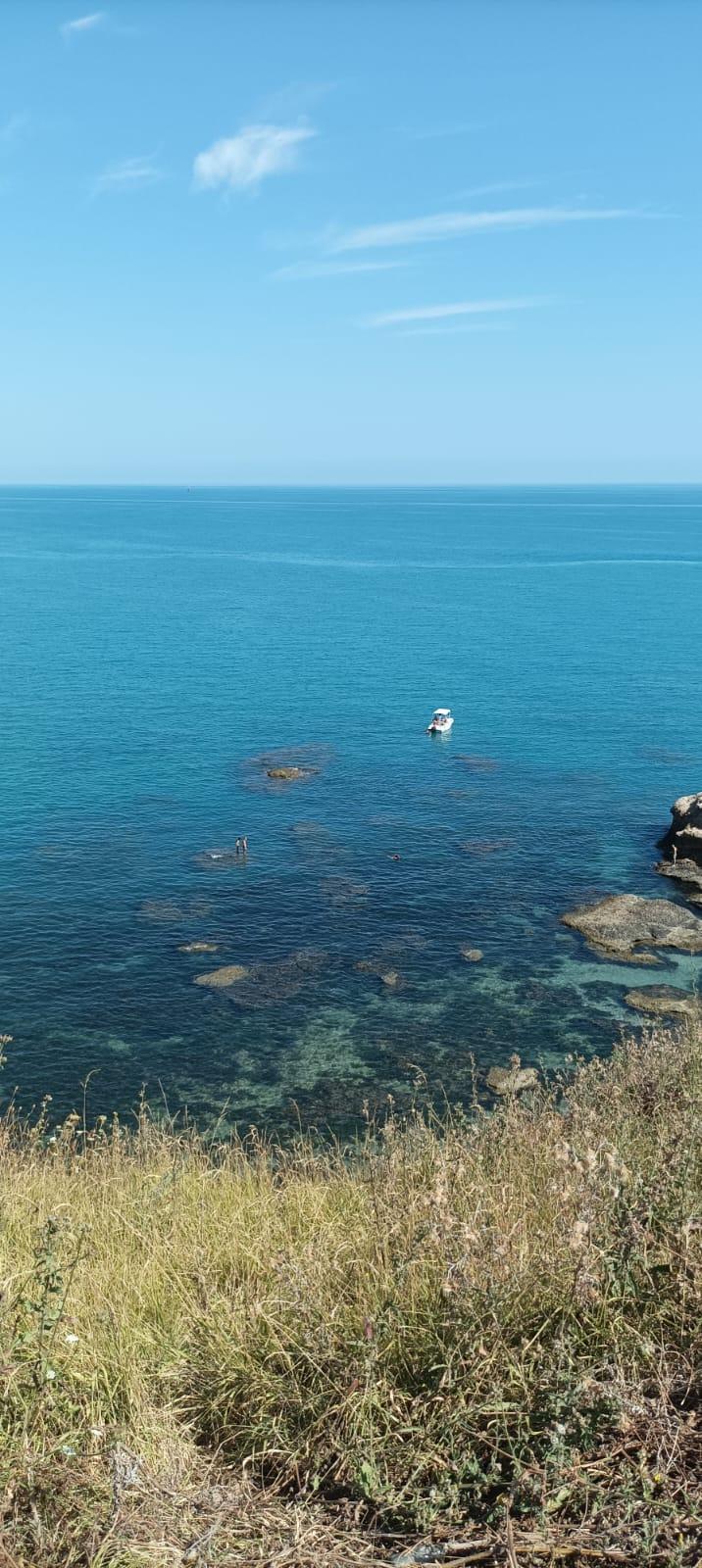
This region has a way of offering something different to everyone. Along the Adriatic coast, you find classic Italian seaside life — beach clubs, hotels, long lunches by the water, the kind of summer that stretches lazily into evening. It's cheerful and familiar, and people love it for exactly that.
But move inland and the landscape shifts completely. Valleys and rivers wind through the territory, quiet and unhurried, perfect for those who prefer their holidays with a little more adventure and a little less noise.
And then there are the mountains. The Gran Sasso, the Majella, the Sirente. In summer they offer cool air and green pastures; in winter, snow and silence. Scattered across these highlands are medieval castles, ancient villages — borghi — local festivals that have been celebrated for centuries. History here isn't something you visit — it's something you stumble into, almost by accident.
Abruzzo is often called Italy's green heart. I think what people really mean is that it still feels genuine. Unhurried. A place where there's always something unexpected waiting, if you're willing to look for it.
That's what I write about.
The Province of Chieti: Where the Mountains Meet the Sea
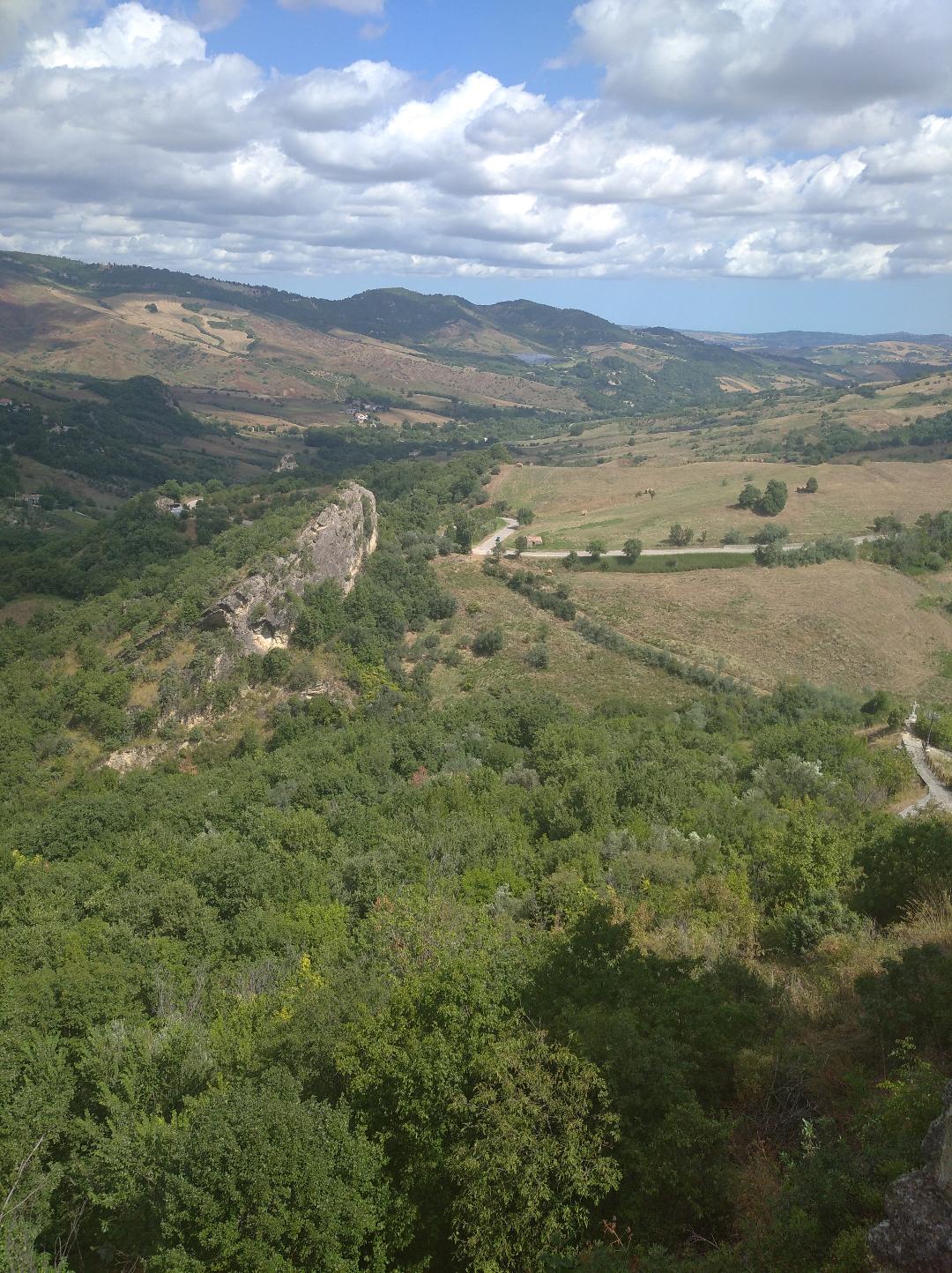
If I had to describe the province of Chieti in one image, it would be this: standing on a hilltop in the Val di Sangro, looking east, and seeing the Adriatic glittering on the horizon.
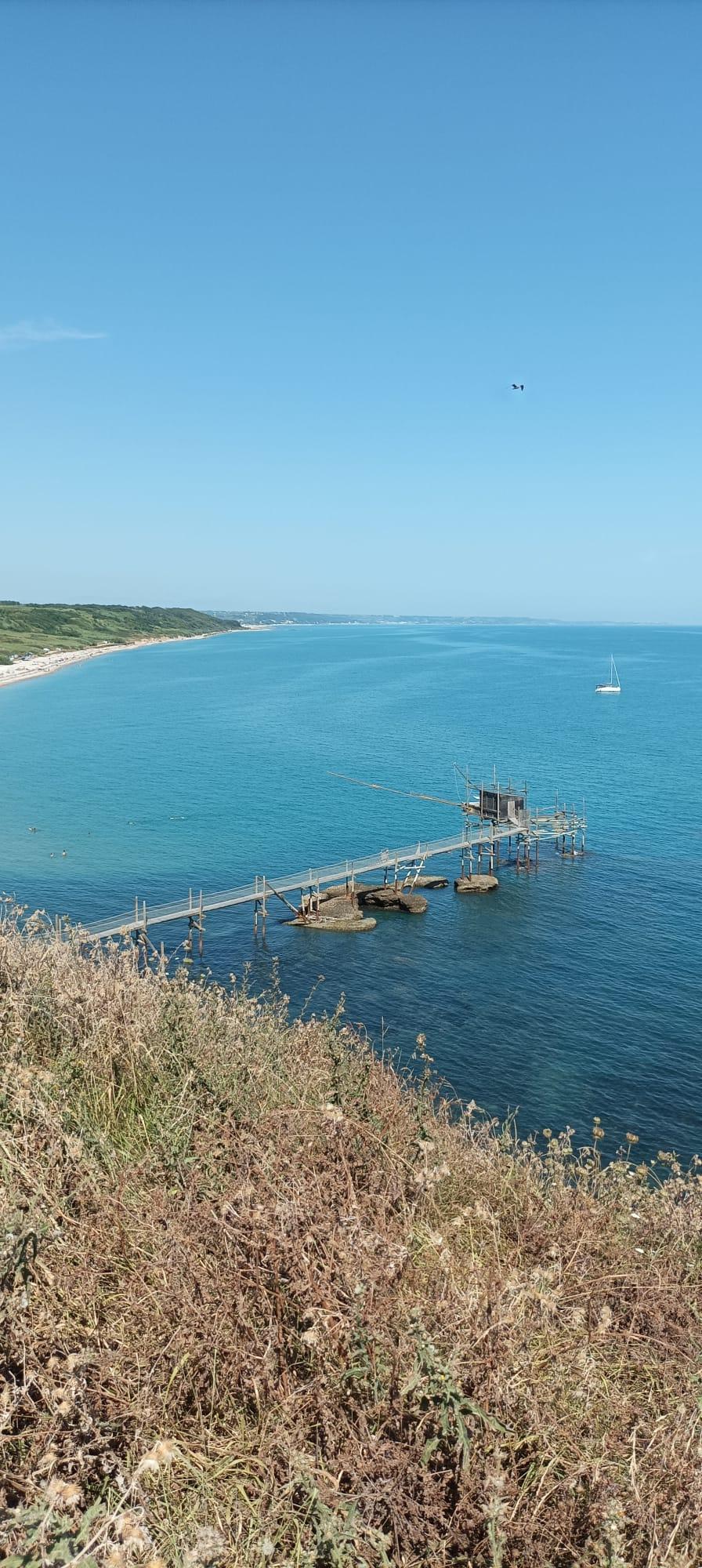
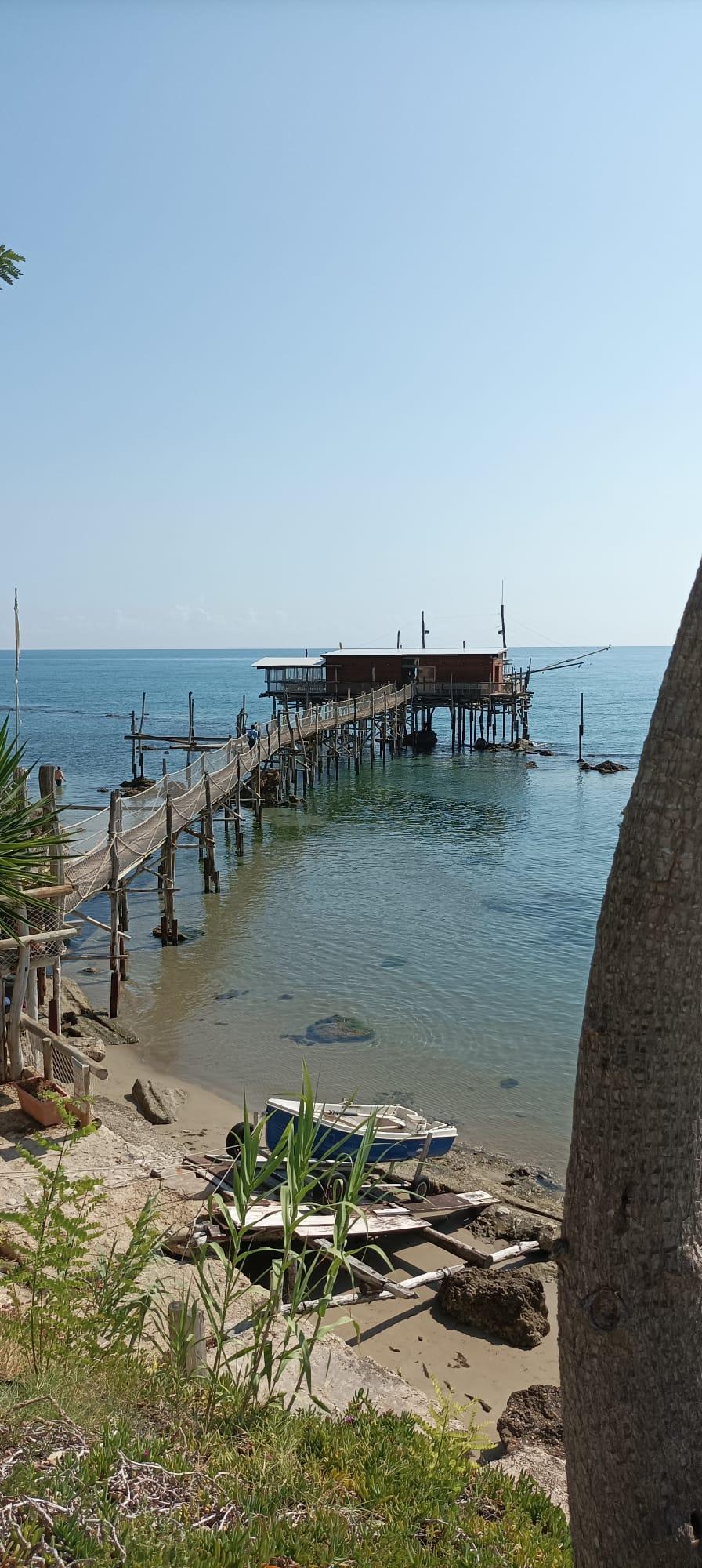
Along the coast, the trabocchi are the defining sight — ancient wooden fishing structures built on stilts over the sea, now famous well beyond Italy's borders. The dedicated cycling path that runs along this stretch of coastline has become one of the most scenic rides in the country, with views over the water that stop you in your tracks. And just south of Lanciano, the Punta Aderci nature reserve protects one of the last wild stretches of the Adriatic coast — no beach clubs here, just dunes, maquis, and clear water.
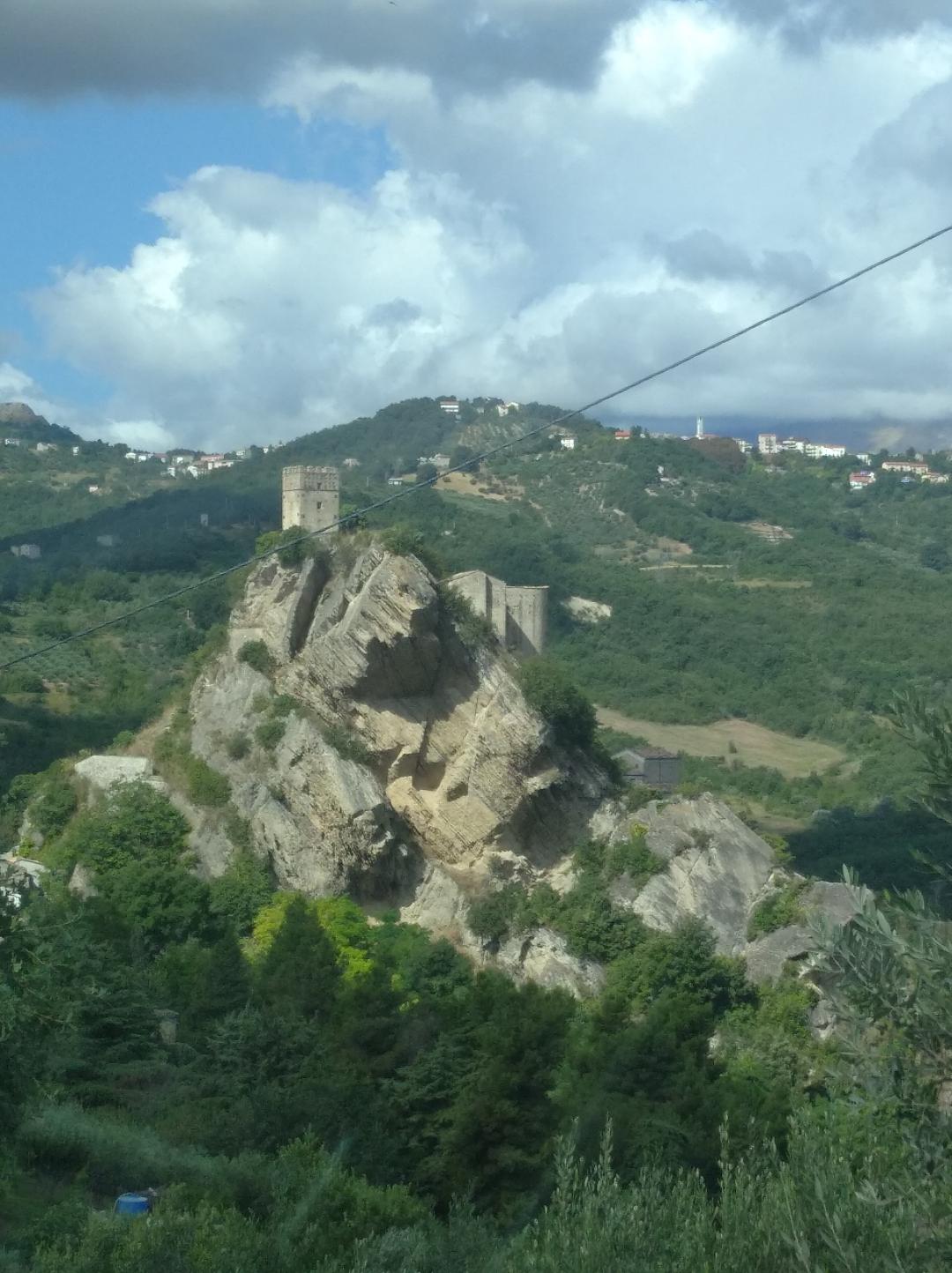
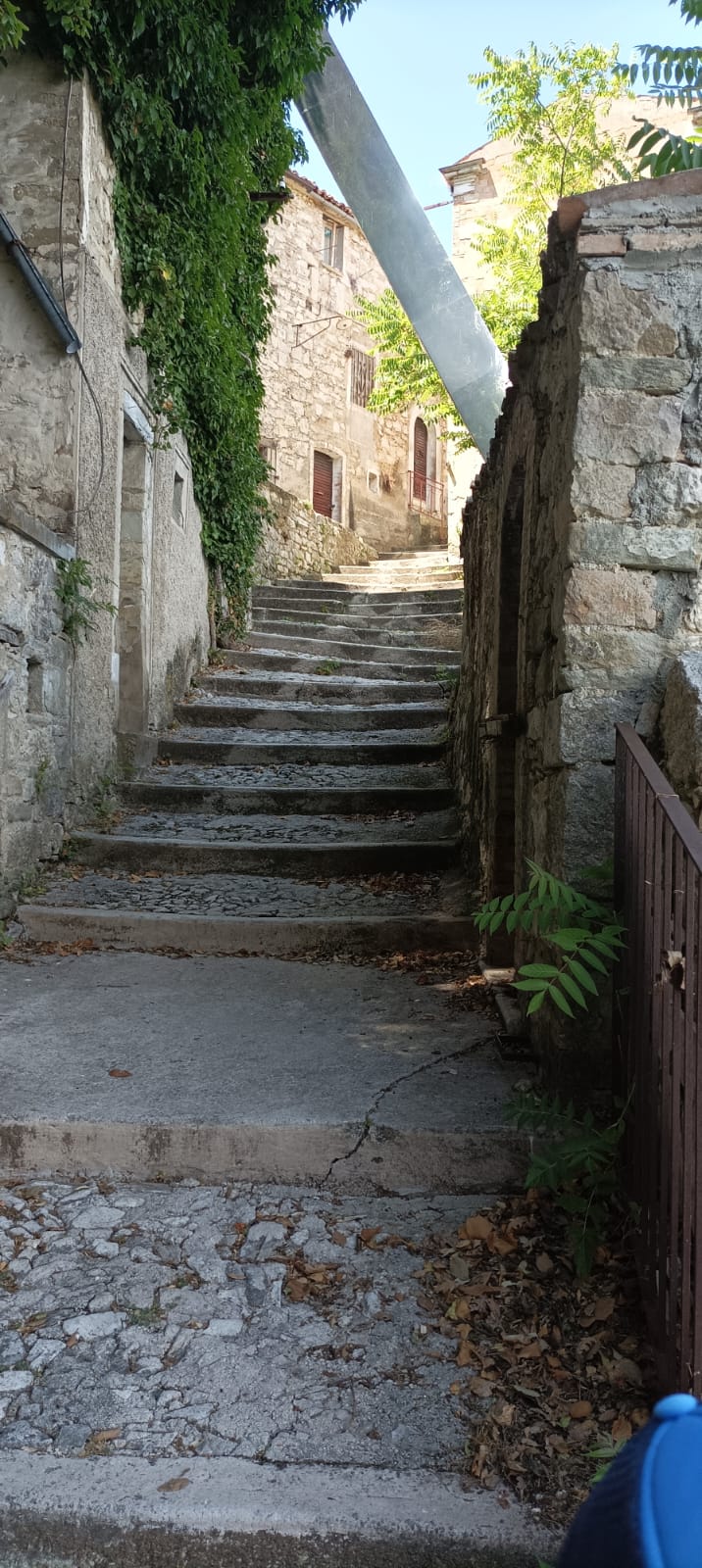
But drive inland, and the landscape shifts completely. Here the mountains seem to slide gently toward the sea, and the Val di Sangro opens up like a secret. This is where you find Roccascalegna, a medieval village built around a castle perched dramatically on a sheer rock face — one of those places that feels almost too cinematic to be real. Nearby, Montelapiano is a hidden gem with a colourful staircase and sweeping views over the Sangro valley. Archi, known as the Terrazza sul Sangro, offers panoramic viewpoints over the entire valley — and on clear days, you can make out the coast from there too. Casoli is worth a stop for its medieval castle and the nearby lakes of Serranella and Sant'Angelo.
And then, higher up in the valley, there is Buonanotte.
Buonanotte: A Village That Chose Silence
Higher up in the Val di Sangro valley, lies Buonanotte. Not on any major tourist map. Not easy to find. And that, in a way, is exactly the point.
Buonanotte was abandoned over the course of the twentieth century, pushed to its end by a combination of natural events — landslides, seismic instability, the slow erosion of the hillside beneath it — that made the village uninhabitable. The people left, one family at a time, until there was no one left to leave.
Getting there requires some commitment. If you're driving from Rome, plan for a full day — the journey is part of the experience. A car is essential; there is no public transport to speak of.
Because when you arrive, something shifts.
The silence is the first thing you notice. Not the absence of sound exactly, but a particular quality of quiet that feels earned. Walls still standing, half-swallowed by vegetation. Doorways that open onto nothing. The old church, still recognisable, holding its shape against the years. The castle above — visible, but no longer reachable, reclaimed by the hillside.
Someone has left a radio playing somewhere in the village. I'm still not sure if it made the place feel less lonely or more.
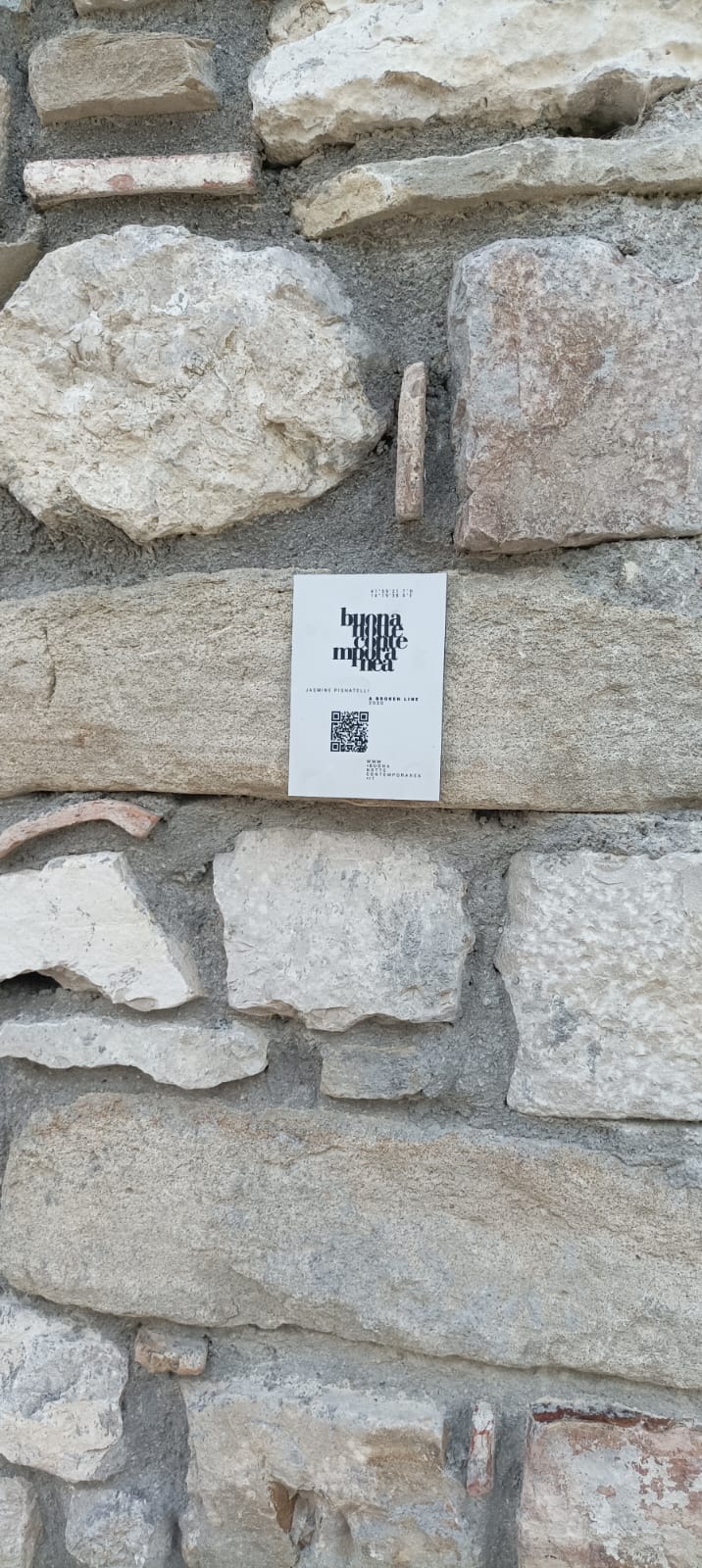
What makes Buonanotte genuinely surprising are the contemporary art installations scattered through the ruins — sculptures and interventions that don't fight the architecture but seem to grow out of it, as if they always belonged there. They add another layer to a place that already has plenty to say.
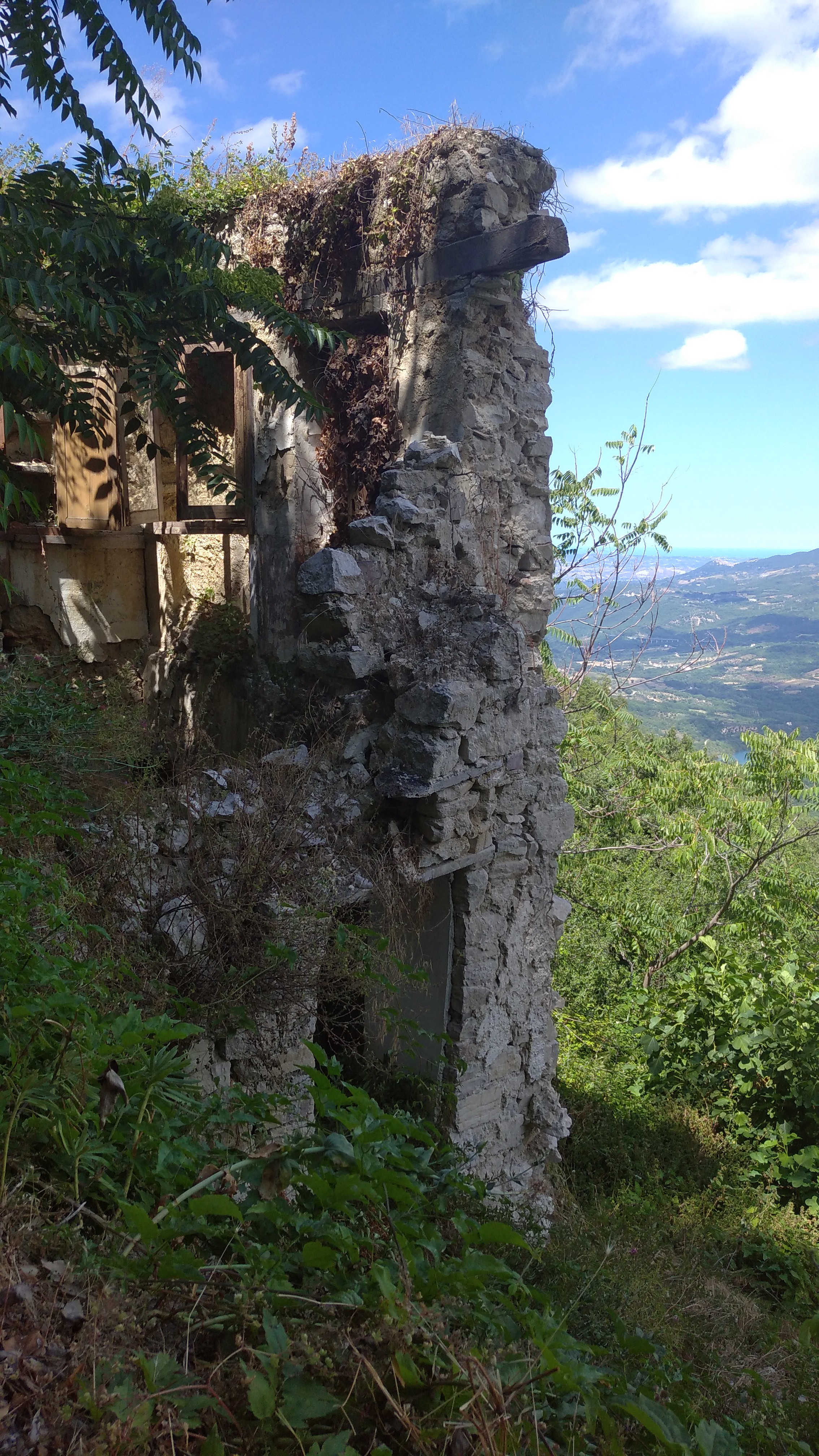
Walking through Buonanotte, you find yourself imagining the life that was here. The voices, the smoke from the chimneys, the children in the narrow streets. The village doesn't ask you to mourn it. It just invites you to remember that people lived here, fully and completely, and that the traces they left behind are still worth the climb.
Getting There
The most convenient gateway to this part of Abruzzo is Pescara Airport (PSR), the region's only international airport. Car rental is available directly at the airport — and for this trip, a car is not optional. Once you leave the main roads, public transport simply doesn't reach these villages.
From Pescara, Montebello sul Sangro is about 50 miles by road, roughly an hour's drive. The route takes you inland through the Val di Sangro, and the landscape shifts noticeably as you go — coast giving way to hills, hills giving way to valley.
If you're coming from Rome, the A25 motorway connects the two cities, a drive of roughly 150 kilometres. From there, head south toward the Val di Sangro.
Once you reach Montebello sul Sangro, follow the road uphill. It's narrow, it's longer than it looks on the map, and at some point you'll probably wonder if you've taken a wrong turn. You haven't. Keep going.
A practical tip: Lanciano or Vasto, both larger towns on the Adriatic coast, make good bases. They offer a range of accommodation and are within easy reach of both the coast and the inland valleys — useful if you want to combine Buonanotte with a day by the sea or along the trabocchi cycling path.
Where to Stay
Accommodation in this part of Abruzzo tends to be small, personal, and far from the hotel-chain experience — which is exactly the point.
If you want to be close to Buonanotte while keeping one foot on the coast, look for a B&B or agriturismo in the stretch between the Adriatic and the Val di Sangro valley. It's a surprisingly short distance geographically, but it feels like two different worlds. Staying somewhere in between lets you move freely between both — a morning in the ruins, an afternoon by the sea.
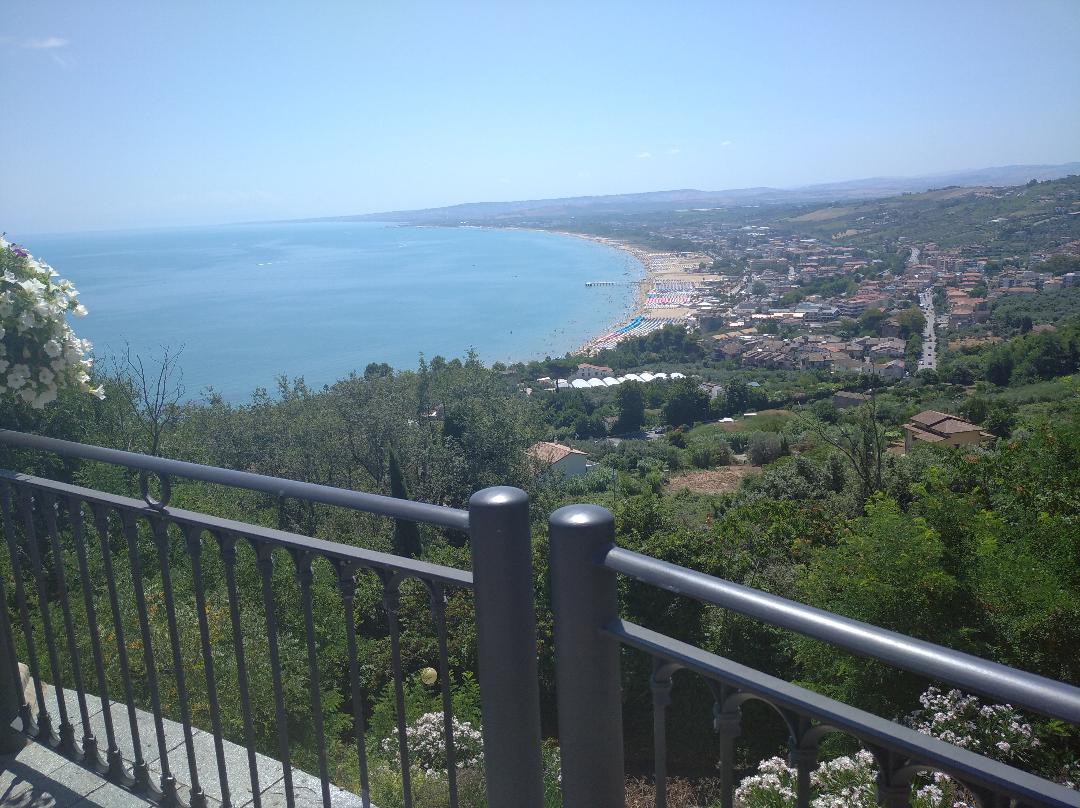
For those who prefer a proper town base, Vasto is my personal recommendation. The modern seafront has everything you'd expect from an Adriatic summer resort. But walk up to Vasto Alto, the old hilltop town, and the atmosphere changes completely — terraces overlooking the coast, stone streets, the kind of views that make you think of the Amalfi Coast without the crowds or the prices. It's one of those places that surprises you.
Why Abruzzo
Abruzzo is one of those places that hasn't been discovered yet — not really. And those who have found it tend to keep quiet about it, perhaps hoping it stays that way a little longer.
It has something for everyone, without trying too hard. Couples who want quiet and beauty. Families who need space and variety. Adventurers drawn to trails, rivers, and open landscapes. Slow travellers who want to sit somewhere beautiful and simply exist for a while. Abruzzo accommodates all of them, without ever feeling crowded.
The food deserves a mention — not because I'm going to list dishes and restaurants, but because you will eat well here. Consistently, unpretentiously, and without spending a fortune.
Which brings me to the last point: Abruzzo is still genuinely affordable. Good accommodation, good food, long beaches, empty mountain trails, medieval villages with no queue at the entrance.
Come before everyone else figures it out.