
Equatorial Guinea
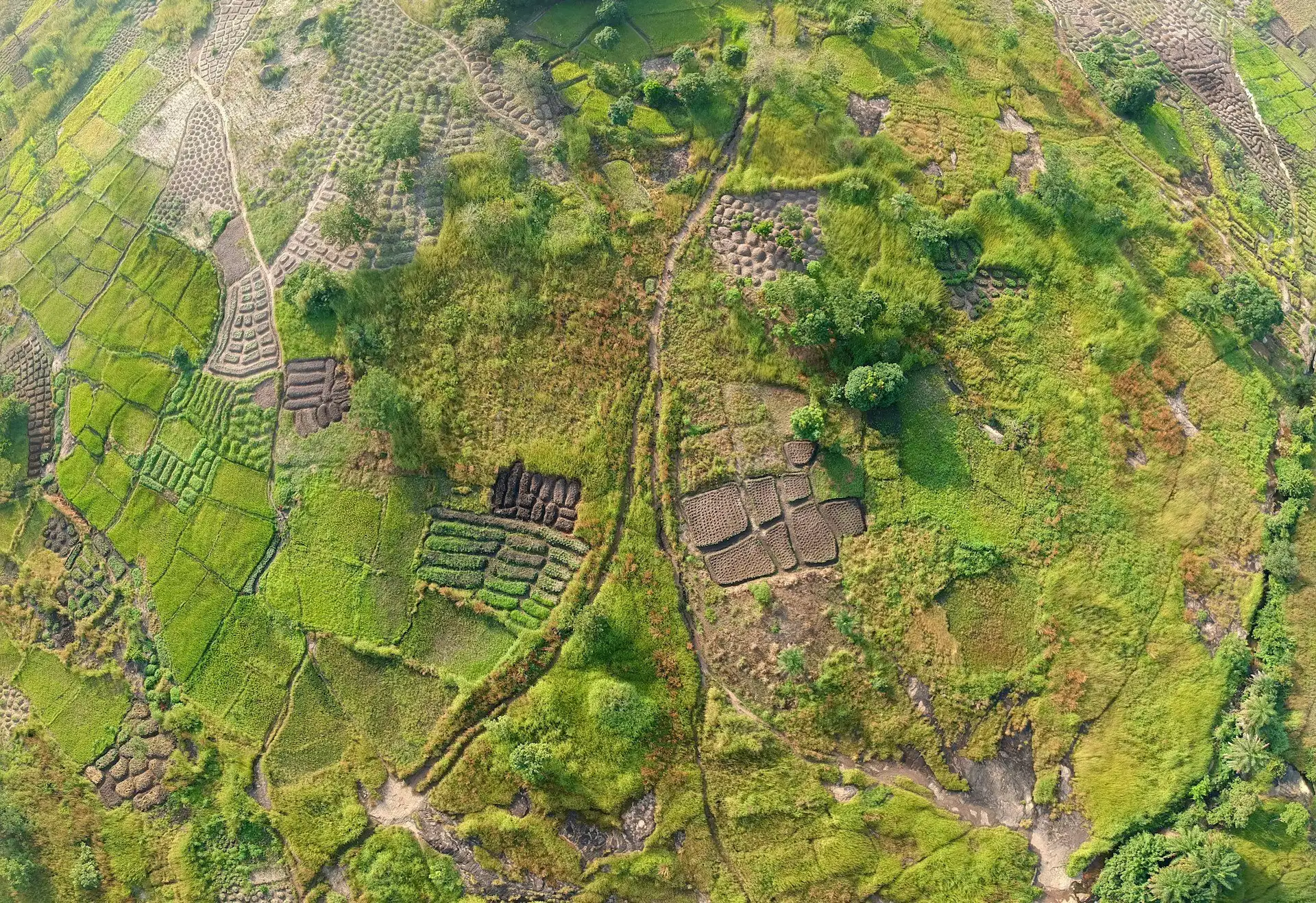
The only Spanish-speaking country in sub-Saharan Africa. A volcanic island with cloud forest and critically endangered primates found nowhere else on earth. Mainland rainforest that almost no tourist has walked through. Governed since 1979 by a family that has turned oil wealth into one of Africa's most complete kleptocracies. All of this is true at once.
What You're Actually Getting Into
Equatorial Guinea is one of Africa's most unusual countries and, by most visitor counts, among its least visited. It is unusual because of what it is: the only Spanish-speaking country in sub-Saharan Africa, a nation split between a volcanic island in the Gulf of Guinea (Bioko) and a mainland enclave bordered by Cameroon and Gabon (Río Muni), governed since 1979 by the same family in what has been described by multiple international human rights organizations as one of Africa's most repressive regimes. The discovery of offshore oil in 1995 turned a desperately poor colonial backwater into, briefly, sub-Saharan Africa's highest-GDP-per-capita country — a statistical distinction that concealed the near-total concentration of that wealth in the president's family and immediate associates while the majority of the population remained poor.
For the visitor, none of this is the reason to come. The reason to come — and there is a genuine one — is the nature. Bioko Island's volcanic cloud forest harbors primates found nowhere else on earth: the Bioko black colobus, one of Africa's most critically endangered primates; one of the world's largest remaining drill monkey populations in the Ebo Forest; and an endemic subspecies of red colobus. The island's rugged southern coast, accessible only on foot or by boat, has beach ecosystems that see almost no human visitors and have some of the Gulf of Guinea's most significant sea turtle nesting beaches. The mainland's Monte Alen National Park — almost never visited by tourists — contains western lowland gorillas, chimpanzees, forest elephants, and what may be the most intact remnant of lowland tropical rainforest in this part of West-Central Africa.
The complications are real. The visa process is among Africa's most bureaucratic, requiring invitation letters and advance embassy applications that most independent travelers abandon before completing. The governance environment — surveillance, restricted photography, political sensitivity — requires awareness and behavioral adaptation. The infrastructure outside Malabo and Bata is minimal. The tourist economy barely exists. Equatorial Guinea rewards the specific visitor who wants genuine wildlife solitude, has the patience for the visa, speaks Spanish or French, and approaches the country as a conservation destination rather than a conventional tourism one. For everyone else, it is genuinely not the right choice among the region's options.
Equatorial Guinea at a Glance
⚠️ Wildlife rating for specialist nature visits only. Not a general tourism destination. Visa complexity and governance context require careful consideration.
A History Worth Knowing
The territory that is now Equatorial Guinea has two distinct colonial histories that produce its current geographic split. Bioko Island, known as Fernando Poo to the Portuguese who first reached it around 1472, was claimed by Portugal and used as a base for the Atlantic slave trade before being ceded to Spain in 1778 as part of the Treaty of El Pardo. The mainland territory — Río Muni — was not firmly under Spanish control until the late 19th century, when the Berlin Conference's borders formalized what Spain claimed as Spanish Guinea. The two territories were administered separately for most of the colonial period and only united as a single entity in the final colonial decade before independence.
The Bubi people, indigenous to Bioko Island, and the Fang people, the dominant group on the mainland, had fundamentally different relationships with the Spanish colonial system. The Fang, who arrived on the mainland relatively recently (in historical terms, expanding from their Cameroonian homeland in the 19th century), became the majority population and the dominant political force after independence. The Bubi, with a longer presence on the island and a stronger historical identity, have been politically marginalized under successive post-independence governments and attempted an armed uprising in 1998 that was brutally suppressed.
Francisco Macías Nguema, who became independent Equatorial Guinea's first president in 1968, created one of independent Africa's most extreme kleptocratic terrors. His regime killed or drove into exile an estimated one third of the country's population over eleven years — roughly 80,000 people in a country that at independence had perhaps 300,000. He declared himself President for Life, God of Equatorial Guinea, and Supreme Miracle, and managed the country's economy so incompetently that by 1979 there was essentially no functioning state left. He was overthrown in August 1979 by his nephew, Teodoro Obiang Nguema Mbasogo, in a military coup. Macías was tried and executed, which is one of the more historically unusual cases of a dictator being removed by a family member and subsequently executed for crimes that the incoming ruler proceeded to repeat at somewhat lower intensity.
Obiang has governed since 1979, making him one of the world's longest-serving heads of state. The discovery of significant offshore oil and gas reserves in 1995 transformed the country's fiscal position without meaningfully improving the lives of most citizens. An estimated 80 percent of the population lives below the poverty line despite official per-capita GDP figures that would suggest otherwise. The oil revenues have been managed through offshore accounts, property purchases in Malibu and Paris and Geneva, and the construction of a new capital city (Oyala, now called Ciudad de la Paz) in the mainland jungle that cost billions and serves almost no one. Teodorin Obiang, the vice president and designated heir, was prosecuted in France and the United States for money laundering and has had significant assets seized. He retains his positions in Equatorial Guinea.
This history is not background information — it is the operating context that explains the visa requirements, the photography restrictions, the surveillance atmosphere, and the particular quality of a country that has significant natural wealth and almost no tourist infrastructure because the people who could build it have never had reason to.
Bioko Island (Fernando Poo) reached by Portuguese explorer Fernão do Pó. Used as a slave trade base before cession to Spain.
Treaty of El Pardo cedes Bioko and the mainland territory to Spain. Spanish Guinea is established across the colonial period.
October 12, 1968. Francisco Macías Nguema elected first president. What follows is one of independent Africa's most extreme reigns of terror.
Estimated 80,000 killed or exiled. A third of the population flees or dies. Economy collapses. The country is effectively destroyed as a functioning state.
Teodoro Obiang Nguema Mbasogo overthrows his uncle. Macías is tried and executed. Obiang begins the governance that continues today.
Significant offshore oil and gas reserves confirmed. Revenue transforms government finances without reaching the general population.
Bubi people on Bioko attempt armed uprising for independence. Brutally suppressed. Hundreds arrested, tortured, executed.
Obiang's son and VP Teodorin prosecuted in France (convicted 2017) and US for money laundering. Retains position. Assets partially seized.
Equatorial Guinea's Destinations
Equatorial Guinea's geographic split between the island (Bioko) and the mainland (Río Muni) creates two completely different visitor experiences that require separate planning. Bioko has better infrastructure, the wildlife that serious primate-focused visitors come for, and the capital. The mainland has Monte Alen's extraordinary forest and Bata, but almost no tourist infrastructure beyond what conservation organizations have built around the park.
Bioko Cloud Forest and Primate Survey
The southern half of Bioko Island is covered by montane cloud forest rising from the coast to the Pico Basile summit, and this forest is the only place on earth where the Bioko subspecies of the black-and-white colobus lives. The Bioko Biodiversity Protection Program (BBPP), a joint initiative of Drexel University and the Equatorial Guinea government, has been surveying and protecting these primates since 1998. The critically endangered Bioko black colobus, Pennant's red colobus, and the drill are all present. The drill colony in the Ebo Forest on Bioko's southwestern lowlands is one of the largest remaining in Africa. Guided primate surveys can be arranged through the BBPP's research station at Moka on Bioko's southern plateau — a highland settlement at around 1,400 meters with cooler temperatures and a landscape of cloud-forest-draped ridges that looks nothing like the rest of the Gulf of Guinea coast. The experience requires walking in dense wet forest behind guides who know where the groups range, which is not always where you'd expect, and the sightings are genuinely wild rather than habituated tourism encounters. This is the specific experience that makes Bioko worth the visa trouble.
Monte Alen National Park
Monte Alen covers about 1,400 square kilometers of lowland equatorial rainforest in the center of Río Muni — the largest protected forest area in Equatorial Guinea. The park receives almost no tourist visits in any given year, which means the wildlife is as undisturbed as any national park in Central Africa. Western lowland gorillas, chimpanzees, and forest elephants all move through the forest. The bird list is exceptional. The forest itself — cathedral canopy, 40-meter trees, the specific acoustic world of an equatorial forest at dawn — is in a condition that over-visited parks elsewhere cannot replicate. Access is from the town of Evinayong via a rough track to the park station at Alen. A basic research lodge exists that can host visitors. The park requires permits and a guide; arrange through your specialist operator before arrival. The absence of tourist infrastructure is both the challenge and the point.
Pico Basile (3,011m)
The highest peak in the Gulf of Guinea — an active stratovolcano that last erupted in 1923, though fumarolic activity continues near the summit. The ascent from the road head near the military communications station (which creates photography complications — do not photograph any military infrastructure on the approach) takes about 4 to 5 hours to the summit through a succession of forest types: lowland rainforest giving way to montane forest, then cloud forest, then the high-altitude heath and volcanic crater landscape near the top. The summit views, when the cloud clears, take in the entire island and the Gulf of Guinea to Cameroon and São Tomé. A guide is essential and can be arranged through Malabo tour operators or the BBPP. The military installations near the summit approach are a genuine complication — follow your guide's instructions precisely on where cameras are and are not appropriate.
Ureca and the Southern Beaches
The village of Ureca on Bioko's southern tip is one of the wettest inhabited places in Africa (annual rainfall exceeding 10,000mm in some years) and sits in the middle of one of the Gulf of Guinea's most significant sea turtle nesting areas. Leatherback, loggerhead, green, and hawksbill turtles nest on the beaches from July through January, with the peak at Ureca making it one of the highest-density sea turtle nesting sites in Africa. Access is by a full-day walk from Moka through the cloud forest, or by boat from the western coast. The village is small, the facilities are minimal, and the experience of arriving after a day's walk through unbroken forest to a remote beach where leatherback sea turtles emerge at night is entirely unadulterated.
Malabo
Malabo sits on the northern tip of Bioko Island in a volcanic caldera bay, with a setting that would be spectacular if the city's current condition reflected the geography. The colonial-era Spanish architecture — a cathedral, colonnaded government buildings, a central plaza — survives in varying states, and the older neighborhoods near the waterfront retain the scale and texture of a 19th-century colonial town. The Malabo National Park nearby has basic walking trails in the secondary forest surrounding the city. The oil boom brought a tier of international hotels and restaurants calibrated to the petroleum industry that coexists oddly with the rest of the city's infrastructure. Worth a day for the architectural history before heading to the forest.
Humpback Whale Season
Humpback whales use the Gulf of Guinea as a breeding ground between June and September, and the waters around Bioko Island's western and southern coast are reliable encounter zones. Boat trips for whale watching can be arranged through Malabo operators in season — the encounters range from distant blows and flukes to close breaching in years when the animals are particularly active inshore. The same trips that serve whale watching also cross the waters where the southern coast's turtle nesting beaches are most accessible by sea. The marine environment around Bioko has had almost no systematic scientific survey, which means the species diversity is likely significantly higher than documented.
Bata and the Río Muni Coast
Bata, the mainland's largest city, is a functional port town with a Spanish-influenced urban layout, a beachfront promenade, and a lively market that gives a sense of the mainland Fang cultural identity distinct from Bioko's Bubi heritage. The coast north and south of Bata has beaches in various states of accessibility — some require local transport and inquiry but are largely empty. The road south toward the Cameroonian border passes through forest and village landscapes that are interesting for the basic ecology if not for specific wildlife. Bata is the practical base for Monte Alen access and is worth a day of its own for the market and the coastal atmosphere.
Annobon Island
Annobon (also spelled Annobón) is a tiny volcanic island 700 kilometers southwest of Bioko in the South Atlantic — the most remote inhabited territory in the Gulf of Guinea. Formerly Portuguese (it was part of the same Treaty of El Pardo deal as Bioko), it was historically so isolated that its Portuguese-based creole language developed independently of mainland Portuguese for centuries. Almost no tourists visit. Access is by charter flight from Malabo when available. The island has dramatic volcanic scenery, a crater lake, and a community that has maintained a culture genuinely isolated from the mainland. Mention it here for completeness and for the specific traveler who finds the concept of a Portuguese creole-speaking community 700km into the South Atlantic compelling enough to make the effort.
Culture & Etiquette
Equatorial Guinea's culture reflects the same split as its geography. Bioko Island's Bubi people have a distinct culture and historical identity tied to the island — a tradition of organized village governance, specific ceremonial practices, and an identity that colonial and post-independence political marginalization has not erased. The Fang people of the mainland are the dominant political group and have the culture most visible in the national capital's public life — their music (the mvet, a harp-lute that is both instrument and epic poetry vehicle), their carving tradition (nlo byeri ancestor figures that influenced Picasso and are now in European museums), and their village-level governance through the abeng council structure.
The Spanish colonial legacy makes Equatorial Guinea culturally unlike any of its Central African neighbors. The Catholic church remains influential. Spanish-medium education has produced an educated class that reads García Márquez alongside Cervantes. The food has Spanish influences. The political discourse, such as it exists publicly, happens in Spanish. For a Spanish-speaking visitor, this creates a cultural familiarity that French-speaking Central Africa doesn't provide and that makes the country significantly more navigable.
Spanish is the working language of formal interactions throughout Equatorial Guinea. In Malabo and among the educated population, Spanish achieves things that French cannot in this specific country. "Buenos días" carries a cultural weight that "Bonjour" doesn't here. If you have basic Spanish, use it consistently — it marks you as someone who made an effort to meet the country on its own terms.
Your guide will tell you what can and cannot be photographed. Follow this without question. The restrictions go beyond the obvious (military, government buildings, police) to include some infrastructure, specific road junctions, and areas that may not be obviously sensitive to an outside eye. The consequences of ignoring this guidance are not worth testing.
"Buenos días/tardes, ¿cómo está?" before any request or transaction. In Bubi communities on Bioko, any interaction begins with an extended greeting that establishes you as a person rather than just a visitor with a requirement. This is not performative — it is how the culture operates and shortcuts are noticed.
Foreign visitors are required to register with police within 24 hours of arrival. Most hotels manage this automatically; confirm that yours is doing so. Do not let this slip — the bureaucratic consequences of failing to register are real and time-consuming.
Equatorial Guinea is a country where political expression carries genuine personal risk for citizens. Do not raise political subjects — the president, the government, the oil wealth, the Bubi repression of 1998, or anything connected to the governance situation — in conversation with Equatoguineans you've just met. Listen to what people share; do not probe. The consequences of being seen as politically engaged are unpredictable for both you and the people you're speaking with.
In addition to the obvious military and government buildings, be cautious about photographing police, port facilities, the presidential palace area in Malabo, any infrastructure related to the oil industry, and any official vehicles. The legal standard for what constitutes a prohibited photograph is broad and inconsistently applied. When in doubt, put the camera away.
In Bubi communities on Bioko and in rural Fang villages on the mainland, local languages are the primary communication medium. Your guide manages the translation but expecting Spanish to work everywhere will produce frustration and missed connections. Patience is the correct posture in places where communication requires a relay.
Independent travel in Equatorial Guinea is technically possible but practically difficult and inadvisable for first-time visitors. The combination of the political environment, the minimal tourist infrastructure, the difficulty of the visa, and the genuine complexity of the logistics (particularly for Monte Alen) makes a local guide or operator contact the difference between a functional trip and a frustrating one.
The Mvet
The mvet is a Fang instrument and oral literary tradition that has been described by scholars as one of Central Africa's most sophisticated cultural forms. The instrument itself is a harp-lute made from a branch with strings stretched between two calabash resonators. The tradition involves epic narrative poems — myths, histories, philosophical statements — delivered in performance over hours or days. The mvet performer (mvett) is a cultural specialist who trains for years and occupies a specific social role in Fang communities. The tradition is being maintained in rural mainland communities despite urbanization and has been documented by ethnomusicologists including Tsira Ndong Ndoutoume.
Fang Nlo Byeri
The nlo byeri are wooden ancestor figures carved by Fang communities to house the skulls of venerated ancestors, maintaining the connection between the living and the dead. The figures — characteristically with large heads, a powerful compact body, and an expression of composed authority — were collected extensively by European missionaries and traders in the early 20th century and ended up in the collections of Picasso (who acknowledged their influence on Cubism), Brancusi, and virtually every major European modernist museum. The originals are almost entirely outside Equatorial Guinea. What remains in the country is the living tradition of ancestral veneration that produced them.
Catholic Tradition
The Spanish colonial period left a strong Catholic institutional presence that survives the political transitions. Churches are active across both Bioko and the mainland. The Catholic calendar shapes the public year in ways visible in school schedules, public celebrations, and the architecture of every town center. For the visitor, the most practically relevant manifestation is that Sunday mornings have a particular quality — quieter markets, later opening hours — that is worth knowing for logistics planning.
The Oil Economy's Visible Effects
The oil industry's presence in Equatorial Guinea creates a visual and social texture that is unusual in Central Africa: international hotels calibrated to petroleum engineers, SUV convoys with tinted windows, a small tier of extremely wealthy connected individuals alongside widespread poverty, and a general atmosphere of money moving around without visible benefit to most of the population. Understanding this contrast — which is impossible to miss once you're there — is part of understanding the country. It is not a subtle feature of the political economy; it is visible on every main road in Malabo.
Food & Drink
Equatoguinean cuisine is built on the ingredients of the Gulf of Guinea rainforest: bushmeat (complicated by conservation concerns — see below), freshwater and saltwater fish, plantain, cassava, yam, and tropical fruits. The Spanish colonial influence left specific culinary footprints: the use of olive oil, certain sauces, and a restaurant culture in Malabo that serves Spanish-inflected food alongside West-Central African cooking. The Lebanese and Chinese communities have added their own restaurant tiers in Malabo and Bata. The oil industry's presence means that the capital has restaurants at international standard that would be entirely absent in a comparably sized city without the petroleum economy.
Pepita Fish Stew
The Bubi people's signature dish: freshwater or saltwater fish (depending on coastal or interior location) cooked in a sauce of ground pumpkin seeds (pepita), palm oil, and aromatics. The pepita sauce is rich, slightly nutty, and unlike anything in the West African coastal cooking canon — a specific Bioko Island tradition. Found at local restaurants throughout Malabo and in the highland communities around Moka. Eaten with boiled plantain or yam. The version made with fresh fish from the island's fishing communities, cooked in a clay pot over wood fire, is the reference standard.
Sopa de Mani (Groundnut Soup)
Groundnut soup in the Fang tradition: chicken or goat braised in a sauce of ground peanuts, tomato, onion, and the specific spicing of the mainland kitchen. The soup base is thick, rich, and intensely savory from the long cooking of the peanuts. Served over rice or with boiled yam. Every Fang cook has a version they consider authoritative. Found at restaurants throughout Bata and in village settings across Río Muni. The mainland version uses more chili than the Bioko version.
Ekwang (Cocoyam and Palm Oil)
Grated cocoyam mixed with palm oil and wrapped in cocoyam leaves, then steamed until the package is dense and deeply flavored. A dish shared across the Beti-Fang cultural zone of Cameroon, Gabon, and the Río Muni mainland. Labor intensive to prepare, filling, and entirely unlike the simpler cassava-based staples of neighboring cuisines. Found at community meals and local restaurants on the mainland. The palm oil and the specific cooking leaf give ekwang its distinctive flavor that no substitution replicates.
Gulf of Guinea Seafood
Bioko Island's surrounding waters produce barracuda, yellowfin tuna, red snapper, lobster, and crab of exceptional quality. The fish market at Malabo's port on early mornings is the place where the overnight catch arrives. The best seafood in Malabo is at the smaller restaurants near the port rather than the international hotels — specifically, the places where the fishing families sell what they caught that morning, grilled with oil and served with plantain. The simplest preparation is the correct one here.
A Note on Bushmeat
Bushmeat from forest animals — including monkey, duiker, and other species — is sold in markets and served at local restaurants throughout Equatorial Guinea. Many of these species are protected, and some (including species endemic to Bioko) are critically endangered. The primate poaching in Bioko's forests is documented as a significant conservation threat. Declining bushmeat politely but clearly — "no como carne de monte" (I don't eat bushmeat) — is appropriate and understood. This is not an abstract etiquette point: the drill and colobus populations you came to see are directly threatened by the bush meat trade.
Malamba and Cameroonian Beer
Malamba is a traditional sugar cane spirit — sharp, clear, and moderately strong — drunk in village settings across the mainland. The official beer market is dominated by Cameroon's breweries (33 Export, Castel, Guinness Cameroon) available throughout both Malabo and Bata. The oil industry's presence has brought imported wines and spirits into the international hotel tier of Malabo's restaurant scene. In rural settings and village communities, palm wine is the social drink, tapped and consumed fresh as it is across equatorial Africa.
When to Go
Equatorial Guinea has an equatorial climate with two rainy seasons and two drier periods, though "dry season" in a country with this much annual rainfall means "less wet" rather than genuinely dry. The timing is primarily relevant for the trail accessibility at Pico Basile and Monte Alen (better when drier), the humpback whale season (June to September), and the turtle nesting peak at Ureca (July to January). The cloud forest primates are present year-round.
Long Dry Season
Dec – FebThe main dry season. Trails on Pico Basile and in Monte Alen are most manageable. Cloud forest primate surveys productive in drier conditions. Lower rainfall makes the forest more navigable and the cloud more intermittent (meaning occasional views from altitude). The least uncomfortable season for outdoor activity in this equatorial environment.
Humpback Season
Jun – SepHumpback whales in the Gulf of Guinea. Turtle nesting beginning at Ureca from July. This period overlaps with the long rainy season which makes trail conditions difficult — if combining whale watching with primate surveys, the logistics are more demanding. Good for the marine wildlife focus; less good for forest walking.
Long Rainy Season
Apr – JunPeak rainfall on both Bioko and the mainland. Forest tracks at Monte Alen often impassable. Ureca route extremely difficult. The Pico Basile ascent is possible but challenging in wet conditions. Not a reason to avoid entirely for marine-focused visits — but for forest and trail activity, wait for the drier windows.
Short Dry Season
Nov – DecA shorter drier window between the rainy seasons. Good for trail access and primate surveys. Turtle nesting active at Ureca. November transitional; December clearly the drier side. A reasonable window for both forest and marine activities.
Trip Planning
Equatorial Guinea is the most difficult country in this series to enter. The visa requires an invitation letter, embassy application, and advance planning of at least six weeks. The tourist infrastructure outside Malabo is minimal, requiring advance arrangements with the few specialist operators and conservation organizations that facilitate visits. Spanish language ability is a significant advantage. Budget for a more expensive trip than the country's size and development level would suggest — the oil economy has made Malabo as expensive as a European capital city for food and accommodation.
The two core experiences — Bioko's primate forest and Monte Alen on the mainland — are genuinely separated and require separate logistics. A meaningful visit to both needs at least two weeks. One week is sufficient for Bioko Island only.
Malabo Arrival
Arrive Malabo Santa Isabel Airport. Transfer to hotel. Day two: the colonial architecture around Plaza de España, the port fish market at 6am, the BBPP office to confirm Moka arrangements. The city repays an unhurried morning walk — the colonial fabric is more intact than most post-independence Central African capitals.
Moka Plateau and Cloud Forest
Drive to Moka (2.5 hours on a road that climbs through forest zones). Four days: BBPP-guided primate surveys on days three and four, Pico Basile ascent on day five (guide essential, depart at 5am from the road head), Ureca walk preparation on day six or rest after the volcano. The BBPP researchers at Moka provide the best ecological orientation available in the country.
Ureca and Return
Day seven: full-day walk to Ureca through the southern cloud forest (guide absolutely essential — the track requires local knowledge). Overnight at Ureca if turtle season makes the evening worthwhile. Day eight: return walk or boat to the western coast and drive back to Malabo for international departure.
Malabo Base
Arrive. City orientation. BBPP briefing. Fish market. The BBPP can provide current information on primate group movements that will make the Moka survey days significantly more productive.
Bioko Island Full Circuit
Five days: Moka plateau primate surveys (two days), Pico Basile ascent, Ureca walk with overnight. Return to Malabo. This is the complete Bioko wildlife experience.
Mainland — Bata and Monte Alen
Fly Malabo to Bata (45 minutes). Day nine: Bata city, market, coastal orientation. Days ten to twelve: drive to Evinayong (3–4 hours), then track to Monte Alen research station (further 2 hours). Two days of forest walks from the station with ECOFAC guide. The forest at Monte Alen requires total immersion to understand — two days minimum.
Malabo and Northern Bioko
Three days on the north of the island: Malabo architecture and fish market, Malabo National Park trails, the Moca Valley (botanical garden and secondary forest accessible from the city).
Moka and Southern Bioko
Six days: Moka primate surveys (three separate survey days to maximize species encounters), Pico Basile, Ureca overnight for turtle season. The extra days at Moka allow the forest to stop feeling like a field trip and start feeling like a place.
Monte Alen, Mainland
Fly to Bata. Two days travel to Monte Alen station. Three nights at the station for extensive forest surveys — gorilla sign, elephant tracks, chimpanzee calls at dawn. The isolation of Monte Alen, with no other visitors and no ambient human noise, produces a specific quality of forest attention that the more accessible parks cannot replicate.
Bata and Departure
Return to Bata. Final day: the coast north of Bata, the Bata market. Fly home from Bata (connections via Douala, Libreville) or return to Malabo for international departure. The view from the plane of the forest canopy stretching to every visible horizon is the correct final image of the Equatorial Guinea mainland.
Visa — Start Early
The visa requires an invitation letter from an Equatoguinean citizen, resident, or registered organization. Specialist operators can provide this. Apply through the nearest Equatorial Guinea embassy at least 6 weeks before travel. The invitation letter is the key document — without it, the visa application will not be accepted. This is the most important pre-travel task and the one most likely to derail plans if left too late.
BBPP Contact — Essential for Bioko
The Bioko Biodiversity Protection Program (bbpp.info) manages the most important wildlife access on Bioko Island. Contact them before departure to arrange guided survey participation at Moka. They have current intelligence on primate group locations, trail conditions, and any security considerations around the forest. Their researchers are also the best source of ecological context for what you're seeing. This is not an optional extra — it is the access point for the experience Bioko offers.
Vaccinations
Yellow Fever vaccination mandatory for entry. Hepatitis A and B, Typhoid, and Rabies strongly recommended. Malaria prophylaxis essential throughout the country — year-round high transmission on both Bioko and the mainland. Typhoid and cholera risk in the mainland rural areas. Consult a travel health clinic with your specific itinerary at least six weeks before departure.
Full vaccine info →Cash and Currency
The XAF CFA franc is the currency, shared with other Central African countries and pegged to the euro. ATMs exist in Malabo but are not always functional. USD and euros can be exchanged at banks. Outside Malabo and Bata, cash is the only option. The oil economy has made Malabo significantly more expensive than comparable Central African cities — budget accordingly. BBPP visits, park permits, and guide fees are typically paid in cash.
Monte Alen Access
Monte Alen National Park is managed by ECOFAC (the EU's Central African forest conservation program) with a research and visitor station at Alen. Contact ECOFAC Equatorial Guinea (ecofac.org) before departure to arrange accommodation at the station and guided forest access. The station has basic facilities and a small team of guides. No prior arrangement means no access to the forest's interior — the park infrastructure is minimal enough that showing up without prior contact creates real logistical problems.
Photography Documentation
Carry your photography permit (obtainable through your visa invitation process or through your specialist operator) at all times. Know before each day's activity what can and cannot be photographed — your guide will brief you. Have a clear understanding of the military installations near Pico Basile's approach before the ascent. The default rule: when uncertain, do not photograph. No image is worth the bureaucratic and potentially legal consequences of violating the photography restrictions.
Transport in Equatorial Guinea
Transport in Equatorial Guinea separates neatly between the two zones. Bioko Island has paved roads from Malabo to Moka and along the northern and western coasts; the Pico Basile approach road is paved to the military installations. The mainland has paved roads between Bata and the main towns but the tracks to Monte Alen require 4x4. The inter-island connection is by domestic flight. There is no public transport system that reliably serves tourist needs.
Malabo to Bata (Domestic Flight)
$80–150 each wayCEIBA Intercontinental and Cronos Airlines operate between Malabo and Bata, a 45-minute crossing that is the only practical way to connect the island and mainland in reasonable time. The sea crossing is possible but takes 4+ hours in good conditions and requires a boat that is not always available for tourists. Domestic flights fill up — book as far ahead as possible, particularly in oil industry peak periods.
Hired 4x4 with Driver (Bioko)
$80–130/dayThe standard transport for the Malabo to Moka road and the Pico Basile approach. Drivers with knowledge of the island's roads, the specific photography restrictions near military areas, and the current Moka track conditions are available through Malabo hotels and the main tour operators. The road to Moka is in reasonable condition; the track to the BBPP station requires 4x4 in wet conditions.
Hired 4x4 with Driver (Mainland)
$80–130/dayEssential for the Bata to Evinayong and then Evinayong to Monte Alen station route. The track to Alen is rough and variable in condition — local knowledge of current track status is important. Your ECOFAC contact can advise on the current access situation and recommend drivers who know the route.
Taxis (Malabo and Bata)
XAF 500–2,000/tripShared and private taxis operate in both cities. In Malabo, yellow taxis run shared routes; private hire is negotiated. The city is small enough that taxi journeys within the urban area are short. For any movement toward the forest or outside the city, a 4x4 with driver is the appropriate choice rather than a standard taxi.
Coastal Boat (Bioko West Coast)
VariableFishing boats operate along Bioko's western coast and can provide access to the Ureca area by sea, which is the alternative to the full-day forest walk. Arrangements are made through Malabo's small boat hire community or through fishing village contacts. The western coast boat access requires calm weather and a boat captain who knows the landing points along the southern coast.
On Foot (Forest Trails)
Free (with guide)All forest activity — primate surveys on the Moka plateau, Pico Basile, Ureca walk, Monte Alen — is on foot with guides. The trails are maintained (partially) but not marked for independent navigation. A guide is not optional for any forest walking in Equatorial Guinea — the combination of navigation difficulty, the political sensitivity of wandering into unauthorized areas, and the wildlife safety considerations all make guided-only walking the correct approach.
Accommodation in Equatorial Guinea
Accommodation in Equatorial Guinea is polarized: Malabo has international hotels at oil-industry prices that are genuinely good, and outside Malabo there is very little. The BBPP station at Moka has basic accommodation for researchers that can sometimes host visiting conservation-focused travelers. Monte Alen's research station at Alen has basic lodge facilities. Bata has several mid-range hotels. Nothing in the country approaches the price-value ratio of comparable African destinations — the oil economy inflates all prices.
International Hotels (Malabo)
$120–250/nightHotel Bahia (formerly Sofitel), Hilton Malabo, and several smaller international properties serve the oil sector with reliable air conditioning, generator power, and restaurant facilities. Priced at European capital standards for what is a functional West African city — the oil economy is entirely responsible for this pricing. The Hilton's pool is the correct social space for expats and visitors in Malabo.
BBPP Station (Moka, Bioko)
$30–60/night (research-oriented)Basic accommodation at the BBPP's research station on Bioko's southern plateau, available when not at research capacity. The price is researcher-economy rather than tourist-economy. The access to forest surveys directly from the station is the value — not the facilities, which are simple. Contact BBPP in advance; availability varies with the research calendar.
Monte Alen Research Lodge
$25–50/nightBasic ECOFAC-managed accommodation at the Alen station. Simple rooms, communal facilities, meals cooked by station staff. The accommodation itself is straightforward; the fact that you're sleeping in the middle of some of the most intact lowland equatorial forest in West-Central Africa is the value. Arrange through ECOFAC Equatorial Guinea before departure.
Mid-Range Hotels (Bata)
$60–120/nightBata has several functional hotels at lower prices than Malabo — the absence of international oil companies in the mainland capital means less price inflation. Hotel Panorama and several others provide adequate facilities for a transit stay between flights and the Monte Alen access route. Bata is not a reason to spend more than two nights; it is a logistics base.
Budget Planning
Equatorial Guinea is the most expensive country in this series relative to what it offers the visitor, and the reason is entirely the oil economy: prices in Malabo are calibrated to petroleum engineers on corporate expense accounts rather than tourists on travel budgets. The conservation-focused accommodation at Moka and Monte Alen is priced differently — researcher economy rather than oil economy — which creates an unusual situation where the remote forest accommodation is dramatically cheaper than the capital city hotel.
- BBPP or ECOFAC station accommodation
- Self-provisioned or station meals
- 4x4 hire shared or with operator group
- Guide fees for primate surveys and forest walks
- Excludes international flight costs
- Mid-range hotel in Malabo
- Research station accommodation in forest
- Mix of local and hotel restaurants
- Private 4x4 for all excursions
- BBPP guided surveys and Pico Basile
- International hotel in Malabo
- All meals at hotel or international restaurants
- Private 4x4 and driver throughout
- Specialist guide for all activities
- Full domestic flight coverage
Key Cost Items
Visa & Entry
The Equatorial Guinea visa is among Africa's most complex to obtain. It requires an invitation letter (carta de invitación) from an Equatoguinean citizen, resident, or registered organization — without this, the application will not proceed. Specialist operators and the BBPP and ECOFAC conservation organizations can provide these invitation letters for legitimate conservation and tourism visits. No visa on arrival is available at any Equatorial Guinea entry point. The entire process takes 4 to 6 weeks minimum. Begin this process before you book your flights.
Apply through the nearest Equatorial Guinea embassy. Invitation letter from an EG citizen, resident, or registered organization required. Allow 6 weeks minimum. No visa on arrival. Yellow Fever certificate mandatory. This is the most complex visa in this series — start the process before doing anything else.
Family Travel & Pets
Equatorial Guinea is not a conventional family destination. The visa complexity, minimal tourist infrastructure, governance environment, and the specialist nature of the primary wildlife experiences make it unsuitable for families with young children or families seeking a comfortable, predictable holiday. For families with older teenagers who have genuine interest in conservation biology and the specific wildlife of the Gulf of Guinea, a well-prepared trip with all arrangements made in advance is possible and could be an extraordinary educational experience.
Wildlife for Older Teens
The primate surveys at Moka — walking through cloud forest with researchers looking for critically endangered species — is a genuinely formative experience for teenagers interested in conservation, ecology, or natural science. Age 14 and above is the practical minimum for the physical demands and the patience required. The BBPP can accommodate small family groups with appropriate advance arrangement.
Pico Basile for Active Families
The Pico Basile ascent requires a full 4–5 hours of uphill walking followed by a descent of similar duration. For fit families with teenagers, this is achievable and the summit experience is extraordinary. The forest zones encountered during the ascent — rainforest, montane forest, cloud forest, volcanic heath — are a practical ecology lesson that no classroom replicates. Age 12 and above for fit walkers.
Malaria — Essential for Families
Malaria transmission is high year-round throughout Equatorial Guinea. Pediatric prophylaxis requires specialist medical advice at least six weeks before departure. Full DEET, long-sleeved clothing after dusk, and nets at the research stations are all non-negotiable. Any fever during or after the trip requires immediate medical evaluation. This is the primary health consideration for any family visit.
Medical Facilities
Malabo's best facility is the Clinica La Paz and the oil-sector-supported medical center, which provides reasonable care for standard emergencies. Outside Malabo, medical facilities are extremely limited. Medical evacuation to Douala or Libreville (both within 1 hour by air) or to Madrid for anything serious is the plan. Ensure family medical evacuation is explicitly covered by your insurance.
Governance Context for Families
The restrictive political environment creates specific behavioral requirements that families need to discuss explicitly before arrival: no photography of certain areas, no political discussion, registration requirements, potential document checks. Older children and teenagers should be briefed on these before arrival, including the specific rule about photography near military infrastructure on the Pico Basile approach. These are not excessive requirements but they require preparation.
Food for Families
The international hotels in Malabo have Western-style menu options for families with specific dietary requirements. The research stations provide simple cooked meals from local ingredients. The main practical note for families is consistent bottled water — do not allow children to drink tap water anywhere in the country. The fish and plantain baseline of Equatoguinean cooking is generally acceptable to children who eat fish.
Traveling with Pets
Traveling with pets to Equatorial Guinea is not advisable. No established pet import framework exists for foreign visitors. Veterinary services outside the capital are nonexistent. The heat, humidity, and endemic disease burden create welfare concerns. The specific ecosystem sensitivity of Bioko's cloud forest and Monte Alen makes any introduction of domestic animals — even temporarily — ecologically inappropriate. Leave pets at home.
Safety in Equatorial Guinea
Equatorial Guinea is not a conflict zone, but the governance environment creates specific risks that differ from conventional crime-based safety concerns. The country is physically safe in the conventional sense — violent crime targeting tourists is uncommon. The risks specific to this destination are primarily political and bureaucratic: the photography restrictions, the surveillance of foreign visitors, the potential for arbitrary interaction with security forces, and the general atmosphere of a country where state authority is unpredictable in its application.
Political Environment
The Obiang government monitors foreign visitors, particularly journalists, researchers, and anyone perceived as investigating governance or human rights conditions. Do not discuss politics, do not photograph government buildings or security infrastructure, and do not attempt to contact opposition activists or their families. These restrictions are real and inconsistently enforced — which makes them more rather than less dangerous to test.
Photography Restrictions
Broader and more seriously enforced than most countries in this series. Military installations (including the communications facility on the Pico Basile approach), government buildings, the presidential palace area in Malabo, the port, and airport infrastructure are all prohibited. Your guide will advise on specific restrictions for each day's activities. Follow this guidance without exception.
Petty Theft (Malabo and Bata)
Pickpocketing and bag snatching occur in the markets and port areas of both cities. Keep valuables secured and not visibly expensive. Phone theft is the main risk. Standard urban precautions; lower risk than Kinshasa or Lagos but present enough to be aware of.
Forest Safety
The wildlife safety considerations in Bioko's cloud forest and Monte Alen are primarily about forest elephants (large, unpredictable, present in Monte Alen) and the terrain (dense vegetation, significant rainfall, elevation changes). Your guide's protocols for elephant encounters should be followed precisely. No wildlife in the Equatorial Guinea forests poses a predatory risk to humans, but forest elephants warrant the same respectful distance as anywhere in Africa.
Malaria
Year-round high transmission throughout the country. The primary health risk. Prophylaxis is non-negotiable. Any fever during or within two months after the trip requires immediate medical evaluation. The equatorial climate maintains transmission levels throughout all seasons.
Registration and Documentation
Foreign visitors are legally required to register with police within 24 hours of arrival. Most hotels manage this; confirm yours is doing so. Carry your passport and visa at all times. Document checks by police are possible anywhere in the country. Having complete, correct documentation removes friction from these encounters.
Emergency Information
Your Embassy / Consulate
The diplomatic presence in Equatorial Guinea is limited. Many countries handle EG from regional offices in Yaoundé, Libreville, or Madrid.
Book Your Equatorial Guinea Trip
Start with your invitation letter — contact BBPP (bbpp.info) for Bioko and ECOFAC for Monte Alen. Then the visa. Then flights. Then everything else. In that order.
The Island That Kept Its Secrets
In 1998 the Bioko black colobus population was estimated at fewer than 5,000 individuals on an island that was being stripped of its forest by charcoal production and subjected to sustained hunting pressure that the newly oil-wealthy government had no particular interest in stopping. The BBPP researchers who began working at Moka that year did so in a country where the concept of tourism as a conservation funding mechanism had essentially zero traction, where the government's relationship with the forest was primarily extractive, and where the odds of the endemic primate populations surviving another generation were poor.
Twenty-five years later, the Bioko black colobus is still there. The drill population has been partially stabilized. The research station at Moka is still operating. The forest they work in — cloud-wrapped, rain-soaked, extraordinary — has not been cleared. This is not a success story in the conventional sense of a country that got conservation right. It is the story of a specific group of researchers and their Bubi collaborators maintaining a presence in a difficult political environment long enough for the numbers to slowly shift in the right direction. The Fang people of the mainland have their own word for the patient maintenance of difficult things: mengon — the work that goes on whether or not anyone is watching, because the thing being maintained is worth maintaining.
The Bioko black colobus, moving through the cloud forest above Moka on a wet December morning, does not know any of this. It is simply moving through its forest, doing what colobus monkeys have been doing in this specific forest for far longer than any of the political arrangements around it have existed. The visitor watching it from the undergrowth below, if they are the right kind of visitor, goes home knowing that the forest's continuation is not guaranteed and that what they saw was worth keeping. That knowledge, applied consistently enough times by enough people, is roughly how conservation has worked everywhere it has worked at all.