
Comoros
Four volcanic islands in the Indian Ocean that the world's perfume industry depends on, whale sharks patrol each season, and an active stratovolcano smokes above a medina where the call to prayer echoes off walls that have been standing since the Sultanate of the Moon. Africa's most overlooked archipelago.
What You're Actually Getting Into
The Comoros sits at the northern end of the Mozambique Channel, roughly equidistant between the African coast and Madagascar, and has been accumulating distinctions that the outside world has largely failed to notice. It holds the record for more successful coups per capita than any country on earth — twenty successful or attempted coups since independence in 1975 — a statistic that is simultaneously a genuine political concern and a kind of dark comedy when you consider that the islands are smaller than Los Angeles and the population is under a million. It is among the world's poorest countries. It is also extraordinarily beautiful, culturally fascinating in its triple synthesis of Bantu African, Arab, and Malagasy traditions, and home to marine environments of a quality that the dive industry has barely begun to exploit.
The practical visitor picture: the Union of the Comoros (three islands — Grande Comore, Anjouan, and Mohéli) is a functioning if fragile state. Tourism infrastructure is thin but exists. Visa on arrival works well. French and Comorian (Shikomori) are the working languages. The islands are safe by the standards of the African mainland. The fourth island, Mayotte, is a French overseas department with entirely different entry requirements, infrastructure, and political status — it is covered in the islands section but is effectively visiting France rather than the Comoros.
Why come? Mount Karthala is one of the world's most active and most accessible stratovolcanoes, with a crater the size of Paris's inner ring and a two-day ascent through cloud forest that relatively few visitors make. Mohéli's Marine Park is among the Indian Ocean's best-preserved marine environments, with whale sharks from October to February, nesting sea turtles, and reef systems in a state unavailable in more heavily dived destinations. The ylang-ylang plantations and distilleries on Grande Comore and Anjouan produce the oil that goes into Chanel No. 5 and thousands of other perfumes, and visiting one is a sensory experience with no equivalent elsewhere. Moroni's Arab-influenced medina is the best-preserved on the Swahili coast, older than anything on the Kenyan or Tanzanian shoreline, and receives a fraction of Zanzibar's visitors. The Comoros is for people who find genuine satisfaction in being first.
Comoros at a Glance
A History Worth Knowing
The islands were settled in successive waves: Bantu-speaking Africans from the mainland arrived first, perhaps 2,000 years ago, followed by Malagasy settlers from across the channel, and then Arab and Persian traders who established the sultanate system that gave the islands their most distinctive architectural and cultural identity. The Arab influence was so thorough that the archipelago became known in Arab geographies as the Islands of the Moon — Juzur al-Qamar in Arabic, which is where the name Comoros derives. The Friday Mosque in Moroni, first built in the 13th century and rebuilt multiple times since, is the physical centre of this tradition.
The Sultanate of the Moon era produced the medinas that are Moroni's most distinctive feature: narrow coral-stone alleys, carved wooden doors in the Arab-Swahili tradition, mosques built to a scale appropriate to a trading city rather than an empire. The sultanates were never unified — each island had its own ruling family, and the politics between them were as complex as you'd expect from rival courts in a small archipelago. What unified them was Islam, trade, and the particular synthesized culture that emerged from the combination of African, Malagasy, and Arab traditions.
French colonialism arrived in the 1840s through a series of treaties with individual sultans on Grande Comore and Mayotte. The French made Mayotte their administrative center, and this preferential treatment began the differentiation that continues today: Mayotte received more investment, more French settlers, and eventually voted differently in the 1974 independence referendum. The three islands that became the independent Comoros voted for independence; Mayotte voted to remain French. France honoured Mayotte's vote and maintained sovereignty over the island despite the Comorian government's objections, a position that the UN has repeatedly criticized and the Comorian government has never accepted.
Independent Comoros since 1975 is a record of instability that reads like a political science textbook section on small-state fragility. The country has seen more coup attempts than almost any nation on earth — the most systematic being the series engineered by French mercenary Bob Denard, who staged or participated in four Comorian coups between 1975 and 1995 before being arrested by French special forces. The instability reflects genuine political tensions between the islands (Anjouan attempted to secede in 1997), the role of the military, and the competition between political families for control of a state that, however small, controls access to international aid and the civil service. The current government under President Azali has been more stable but has been criticized for democratic backsliding. For the visitor, this history is context rather than risk — but it explains why the infrastructure has been slow to develop and why the word that best describes the Comoros' political situation is "fragile."
Bantu-speaking Africans settle the islands. Malagasy settlers arrive from Madagascar. The triple cultural foundation begins.
Arab and Persian traders establish settlements. Islam takes root. The Islands of the Moon become nodes in the Indian Ocean trade network.
The Friday Mosque in Moroni first constructed. The Arab-Swahili medina architecture of Moroni takes its characteristic form.
France signs treaties with individual sultans. Mayotte becomes the administrative center. The differentiation between Mayotte and the other islands begins.
Three islands vote for independence; Mayotte votes to remain French. The Comoros declares independence July 6, 1975. France retains Mayotte despite UN criticism.
French mercenary Bob Denard participates in four coups. The Comoros becomes synonymous with political instability. Coup count accumulates.
Anjouan declares independence, triggering a constitutional crisis. Eventually resolved by the 2001 Fomboni Accords creating the Union structure.
After a 2009 referendum, Mayotte officially becomes France's 101st department and the EU's outermost region.
The Four Islands
Like Cabo Verde, the primary planning question for the Comoros is which island or islands to visit. The four islands have distinct characters and appeal to different types of travelers. Unlike Cabo Verde, they are close enough together that two islands in one trip is manageable without the logistical complexity of long inter-island connections. The guide below gives you an honest picture of each.
Grande Comore (Ngazidja)
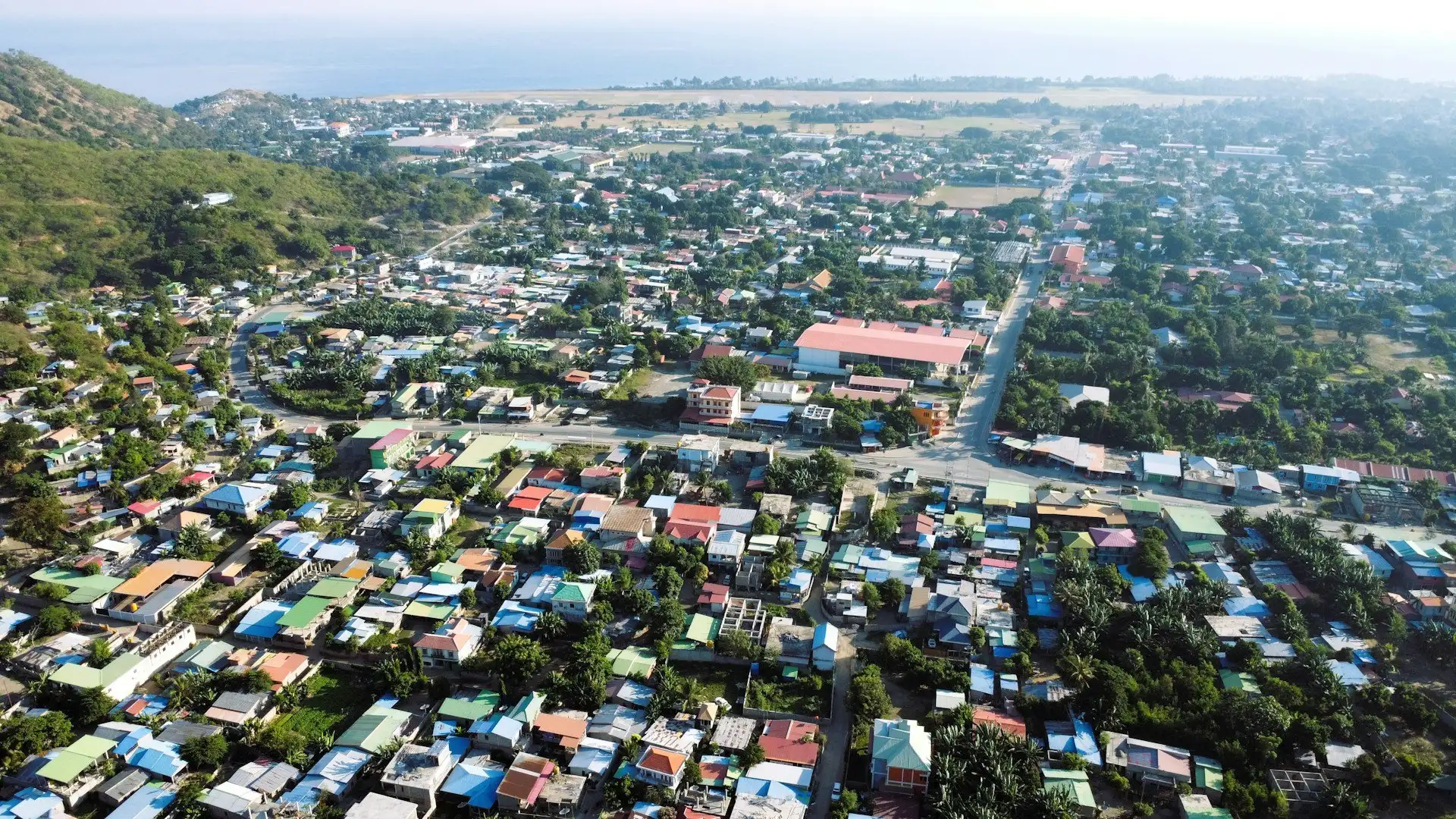
The largest island and the most visited by default — it has the main international airport (Hahaya), the capital Moroni, and Mount Karthala. Moroni's medina is the island's most compelling urban experience: a maze of coral-stone lanes, the 13th-century Friday Mosque at its center, carved wooden doorways in the tradition common to the Arab-influenced Swahili coast, and the particular quality of a city that has never been overrun with tourism and so retains a relationship between its residents and its architecture that polished heritage sites lose. The ylang-ylang plantations on the island's western slopes are worth a half-day with a local guide. The volcano dominates everything: on clear mornings the summit is visible from Moroni across the island's width, a perfect dark cone trailing a thin plume. The two-day ascent to Karthala's crater requires a guide and basic fitness. The crater itself — roughly 3 kilometers across, one of the world's largest active calderas — is both alien and magnificent, with sulfurous vents, lava flows from different eruption years in distinct color bands, and views on clear days to Anjouan.
Mohéli (Mwali)
The smallest of the three Comorian islands and the one that rewards the traveler who makes the additional effort to reach it. The Mohéli Marine Park, established in 2001, covers the island's entire coastal zone and is one of the better-managed marine protected areas in the western Indian Ocean. Sea turtles nest on the beaches from September to February — nesting density is among the highest in the region — and watching green turtles come ashore at night to lay eggs on a beach with no lights and no development is an experience of the kind that becomes increasingly difficult to find as coastlines develop. Whale sharks aggregate offshore October to February. The reef systems in Mohéli's marine park retain a structural integrity — hard coral coverage, fish biomass, water clarity — that overfished and over-dived reefs in more touristed Indian Ocean destinations have lost. The island has one small town (Fomboni), a few basic guesthouses, and a pace of life that makes Moroni feel metropolitan. Getting here requires a domestic flight or a ferry from Grande Comore.
Anjouan (Ndzuwani)
Anjouan is the most densely vegetated and the most densely populated island, with a landscape of steep green valleys, ylang-ylang and vanilla plantations, and the ruined palace of the Sultanate of Anjouan at Domoni that dates to the 17th century. The scent of ylang-ylang is literally present in the air on certain parts of the island — the distilleries process the flowers in the same day they are picked, and the smell of the cooking oil drifts across the hillsides in the harvest season. Mutsamudu, the island's main town, has its own Arab-influenced medina, smaller but architecturally comparable to Moroni's. The island attempted to secede in 1997 and was brought back into the union by African Union military intervention in 2008; the political wounds from that episode have largely healed but the island retains a sense of distinctness from Grande Comore's political class. Anjouan's beaches — particularly Moya Beach on the north coast — are among the most beautiful in the archipelago.
Mayotte (Maore)
Mayotte is politically France: euro currency, French administrative law, French healthcare, and EU membership, on an island 70 kilometers from Anjouan. This makes it a completely different visitor experience from the three Comorian islands. The infrastructure is far superior — the hospitals, roads, and basic services reflect French departmental funding. The diving in Mayotte's lagoon, particularly around the Saziley headland and the outer barrier reef, is rated among the Indian Ocean's best. The baobab forest at Kani-Kéli is unusual for the region. The social situation, however, is extremely complex: Mayotte receives massive migration from the Comoros (people crossing in precarious boats for the relative prosperity of French territory), creating significant tensions. Check entry requirements separately — EU/Schengen rules apply, not Comorian visa on arrival.
Culture & Etiquette
Comorian culture is the product of its specific Indian Ocean position: Bantu African rhythms in the music, Arab architecture and religious practice, Malagasy elements in the food and certain social customs, French colonial administration, and a maritime trading culture that has been absorbing outside influence for centuries without losing a core identity. The result is something distinctively Comorian — neither African nor Arab nor Malagasy nor French, but all of them and none of them exclusively.
Islam is central to daily life in a way that is visible in the architecture, the call to prayer that structures the day's rhythm, the dress of the women (many wear the Comorian shiromani, a colored wrap with gold thread), and the social norms around hospitality and gender interaction. It is a practiced rather than performed Islam — the kind that has shaped culture over centuries rather than arrived as a political project — which gives it a warmth and flexibility that visitors often find unexpectedly welcoming rather than constraining.
The grand mariage (the great wedding ceremony) is the central social institution of Comorian male identity. A man's social standing is measured by the lavishness of the grand mariage he gives — a celebration that requires years of saving and social investment and can consume a significant portion of a family's lifetime wealth. The grand mariage is not just a wedding; it is the mechanism by which a man enters full adult social standing, through the display of generosity that the community both celebrates and judges. Understanding this institution unlocks much of what seems puzzling about Comorian economic priorities and social behavior.
The Comoros is a Muslim country and conservative dress is appropriate everywhere outside beach environments. Covered shoulders and knees for both women and men when in towns, markets, and mosques. Women covering hair in the medina neighborhoods is appreciated though not strictly required for visitors. Bikinis and boardshorts are fine on resort beaches but not on the street or in markets.
Non-Muslims are generally welcome to view mosques from outside and sometimes from the entrance in the Comoros, but always remove shoes at the threshold and ask before entering. The Friday Mosque in Moroni is a functioning place of worship and the most significant in the archipelago — respectful observation is welcome; intrusive photography is not.
Being offered food or tea in a Comorian home or by a market seller is an expression of genuine social warmth. Accept graciously. If invited to eat in a home, eating with the right hand from communal dishes follows the local custom.
"Salama" (hello), "Baraka" (thank you), "La hadjati" (no need, when declining politely). Attempting any Shikomori words produces a response of surprised delight disproportionate to the effort, because almost no visitors bother. Arabic works in most contexts but Shikomori is warmer.
During Ramadan, eating, drinking, and smoking in public during daylight hours is deeply disrespectful in the Comoros. If you're visiting during Ramadan — which brings its own rewards in terms of evening atmosphere and community celebration — adjust your visible behavior to the social context.
In Comorian conservative culture, photographing women — particularly women in traditional dress — without explicit permission is inappropriate and will be received as such. Ask first, respect a refusal, and err heavily toward not photographing people in the medina unless you've established a social connection that makes the request natural.
The Comoros' history of coups and political tension is background rather than active threat to tourists, but it shapes the environment. Being aware of current political events — elections, demonstrations, inter-island tensions — and avoiding any gatherings that look political is appropriate situational awareness.
The Indian Ocean currents around the Comoros can be strong, and some beaches that look inviting have unpredictable rip currents. Ask locals or your guesthouse about specific beach safety before swimming anywhere new. The volcanic nature of the islands means the shoreline changes character significantly from one side to the other.
Twarab Music
Comorian twarab is a synthesis of the Arab taarab tradition of the wider Swahili coast with local African rhythms, Malagasy melodic elements, and Indian Ocean trade wind influences. The instruments include the oud, violin, ney (flute), and percussion, with vocal lines in Shikomori that draw on Arabic poetic forms. Unlike the Zanzibar taarab that has been somewhat commercialized for the tourist market, Comorian twarab remains almost entirely within its community context — it exists at weddings, religious celebrations, and private social gatherings rather than in performance venues. This makes it harder to find and more authentic when found.
The Grand Mariage
No institution shapes Comorian social and economic life more than the grand mariage. A man saves for years — sometimes decades — for the ceremony that will confer full adult social standing. The celebration lasts several days, involves the entire community, requires the groom to present substantial gifts to his bride's family and feed everyone who comes, and culminates in the couple's public recognition as a full social unit. The social pressure to have a grand mariage is enormous, and significant emigration to France from the Comoros is driven partly by the need to earn enough money to fund one. If you happen to be in the islands during a grand mariage, you may be invited; the hospitality extended to strangers at these events reflects the generosity that the celebration is designed to display.
The Coelacanth
In 1938, a South African museum curator named Marjorie Courtenay-Latimer noticed an unusual fish in a trawler's catch that didn't match anything in known ichthyology. It turned out to be a coelacanth — a fish known only from fossils and believed extinct for 65 million years. Living populations were subsequently found in the waters around the Comoros, where they had presumably been present the whole time, known to local fishers who had no reason to tell anyone. The coelacanth (gombessa in Comorian) is now the national symbol and appears on the country's banknotes. Diving with coelacanths is theoretically possible at depth around Grande Comore, though encounters are rare. The story of the coelacanth is also a reminder that the Comorian fishers' knowledge of their own marine environment has consistently outpaced the formal scientific record.
Ylang-Ylang Economy
The ylang-ylang flower (Cananga odorata) is distilled into the essential oil that is one of the key ingredients in Chanel No. 5, Givenchy's L'Interdit, and hundreds of other luxury perfumes. The Comoros and nearby Nosy Be (Madagascar) together produce around 80 percent of the world's ylang-ylang oil. The harvest is labor intensive: flowers must be picked in the early morning at exactly the right stage of opening and distilled the same day. The distilleries use wood-fired copper stills that haven't changed fundamentally in 150 years. Visiting a distillery in season (May to December, peak in June) and understanding the connection between these volcanic hillside operations and the perfume bottles on the shelves of European department stores is one of the Comoros' most unexpectedly affecting experiences.
Food & Drink
Comorian cuisine reflects the same triple synthesis as everything else about the islands: African base ingredients and techniques (plantain, cassava, coconut, fresh fish), Arab spicing (cardamom, cloves, cumin, saffron), and Malagasy touches (the specific way of cooking rice, the use of certain greens). The result is a cuisine that is genuinely distinctive and genuinely good, particularly in the fish and seafood dimension where the Indian Ocean provides ingredients of exceptional quality. The challenge for visitors is that restaurant culture is limited and the best food is home cooking that requires an invitation rather than a menu.
Langouste à la Vanille (Lobster with Vanilla)
The signature Comorian luxury dish: Indian Ocean rock lobster braised in a sauce of vanilla, coconut milk, and aromatics. Both vanilla and the lobsters come from the immediate surroundings — the vanilla pods from the hillside plantations, the langouste from the reef just offshore. The combination is the Comoros in a single dish: African abundance, Indian Ocean ingredient quality, and the spice trade that ran through these islands for a thousand years. Found at the better hotels and restaurants in Moroni and at guesthouses that offer set menus. Order it ahead when possible.
Mkatra Foutra (Coconut Bread)
Comorian flatbread made from rice flour and coconut milk, cooked on a flat griddle until crisp on the outside and yielding inside. Eaten at breakfast with cardamom-spiced tea, or as an accompaniment to fish stews. The coconut milk version is sweeter; the plain rice flour version is more neutral. Available at morning markets throughout Moroni and the island towns. The standard breakfast in a Comorian household is mkatra foutra, sweet tea, and whatever fruit is in season.
Grilled Indian Ocean Fish
Tuna, kingfish, barracuda, and reef fish caught daily by the pirogues you'll see leaving the harbor before dawn. Grilled over wood charcoal with a coconut and lime marinade, served with rice, banana fritters, and a fresh tomato-chili sauce. At local restaurants near the Moroni port and at any guesthouse that offers dinner, this is consistently the best available meal. The fish quality reflects the fact that what is offered was landed that morning and nothing else.
Pilao (Spiced Rice)
Comorian pilao is a whole-spice slow-cooked rice dish in the tradition of the wider Indian Ocean rice cultures — related to but distinct from East African pilau, Zanzibar biryani, and Malagasy vary sosoa. The spicing (cardamom, cloves, black pepper, saffron) is generous; the cooking method (frying the spices with onion and meat before adding rice and stock) is patient. Served at celebrations and family meals rather than everyday dining. The best pilao in Moroni is made in private kitchens; the second best is at the few restaurants that feature it on Friday after the mosque.
Mataba (Taro Leaf Stew)
Taro leaves cooked slowly with coconut milk, crushed peanuts, and spices until they collapse into a rich green stew served over rice. The Comorian version uses a specific variety of taro leaf that requires extended cooking to neutralize its natural irritants — the result is something between a stew and a sauce, deeply savory and completely vegetarian despite its richness. A staple of household cooking and available at local restaurants throughout the islands.
Spiced Tea and Fresh Juice
Comorian chai (spiced tea with cardamom, ginger, and cloves) is the morning and social drink across the islands. The version at any market stall is made properly with whole spices and condensed milk. Fresh juice from the island's fruit — passion fruit, papaya, mango, coconut water directly from the shell — is better than anywhere in East Africa because the fruit grows at the point of consumption. Alcohol is available but not prominent — the islands are Muslim and beer and wine are found mainly at tourist hotels. The best drink in the Comoros is a fresh coconut opened by a machete at a roadside stand for about 50 cents equivalent.
When to Go
The Comoros has a tropical maritime climate moderated by its volcanic topography. The main timing consideration depends on what you've come for: whale sharks and turtle nesting have specific windows, ylang-ylang harvest has its own season, and the Karthala ascent is best in the drier months when the summit is more likely to be clear. The cyclone season runs November to April but direct hits on the Comoros are infrequent — the islands' position means most cyclones pass north or south.
Dry Season
May – OctThe trade-wind dry season. Most reliable weather for Karthala ascent — clearer summits, more manageable trails. Ylang-ylang harvest at peak (June–August). Grand mariage wedding season. Seas calmer for inter-island travel. October marks the beginning of whale shark and turtle season on Mohéli. The optimal general-purpose window.
Whale Shark Season
Oct – FebWhale sharks aggregating off Mohéli and Grande Comore's western coast. Sea turtle nesting on Mohéli beaches from September. Diving conditions generally good. Some cyclone risk November–February but actual storms are infrequent. The marine visitor's optimal window, with the caveat that December–January are the wettest months on Grande Comore.
Main Wet Season
Nov – AprHeavy rainfall particularly on Grande Comore's windward slopes. Karthala often cloud-covered. Inter-island sea crossings rougher. However: the marine season peaks here, turtle nesting is active, and the islands are very green. Not a reason to avoid entirely — adjust expectations for the Karthala ascent and plan marine activities instead.
Ramadan
Varies annuallyRamadan in the Comoros brings the nightly breaking-of-fast atmosphere of the medinas to life in ways that daylight visiting doesn't reveal. The evening iftar meal, the communal prayers, the particular social warmth of shared fasting — these are worth timing for if you approach them respectfully. The flip side: daytime restaurants are closed, and the pace of everything shifts around the prayer schedule.
Trip Planning
The Comoros is straightforward to visit by the standards of this series, but it requires accepting that tourist infrastructure is thin. Visa on arrival removes the main administrative barrier. French is adequate for most logistics in Moroni and the guesthouse network. A local guide is strongly recommended for Karthala — the volcano is active, the weather changes rapidly, and the descent routes are not obvious. Mohéli's marine experiences work best through the small dive operators on the island who have current knowledge of whale shark locations and reef conditions.
One week covers Grande Comore properly (Moroni, Karthala, ylang-ylang). Two weeks adds Mohéli for the marine experience and potentially Anjouan. Three islands in under a week is rushed given the inter-island logistics.
Moroni Arrival
Arrive Hahaya Airport. Transfer to Moroni guesthouse. Day two: medina walk with a local guide (hire at the guesthouse or through Comoros Tourism). Friday Mosque exterior, the covered market, the port area in the afternoon. The city reveals itself slowly to people who move at its pace.
Mount Karthala
Pre-arranged two-day ascent. Day three: drive to Boboni village (about 1 hour from Moroni), begin the 6–7 hour climb through montane forest to the rim camp. Day four: explore the crater rim, descent to Boboni. The forest on the ascent path — cloud forest at altitude, with hanging moss and endemic Comoros olive pigeons — is the experience before the crater.
Grande Comore Coast
Rest day in Moroni after the climb. Day six: ylang-ylang plantation and distillery visit on the western slopes (arrange through your guesthouse). Day seven: snorkeling off the western coast or a half-day boat trip before your departure flight.
Grande Comore
Moroni medina, Karthala two-day ascent, ylang-ylang distillery. Four days is the right allocation for Grande Comore — enough for the volcano, the city, and a half-day on the coast.
Mohéli
Domestic flight to Fomboni (40 minutes). Four days: Mohéli Marine Park snorkeling and diving, sea turtle nesting night walk (September–February), whale shark boat trips (October–February), forest walks for Livingstone's flying fox (the world's largest bat). Mohéli moves at a pace that rewards stopping rather than rushing.
Return Grande Comore
Flight back to Grande Comore. Final days: the beach at Chomoni on the east coast (calmer and more beautiful than the Moroni town beach), the Saturday morning market at M'Beni village, a final medina evening as your comprehension of the city's geography has by now translated into something more than a map.
Grande Comore in Depth
Five days. Moroni medina with two separate walks at different times of day (the morning market version and the evening prayer version are different cities). Karthala two-day ascent. Ylang-ylang distillery. Snorkeling the western coast. The Trou du Prophète coastal rock pool. The village of Iconi and its ruined palace.
Anjouan
Flight to Mutsamudu (45 minutes). Four days: Mutsamudu's medina (smaller than Moroni's, more intimate), the Domoni sultanate ruins, ylang-ylang and vanilla plantations in the interior highlands, Moya Beach. The scent of ylang-ylang in the air around the distilleries is strongest in the early morning when flowers are being delivered.
Mohéli
Four nights. The full marine park experience: snorkeling, diving, whale shark trips, turtle nesting. One day in the interior forest to understand what Mohéli looks like when you're not in the water. The flying fox colonies at dusk are extraordinary — the world's largest bat, wingspan a meter, crossing the sky in hundreds above the forest canopy.
Return and Departure
Return flight to Grande Comore, depart Hahaya. One night buffer in Moroni recommended in case of inter-island flight delays, which happen regularly enough to plan for. The guesthouse time is not wasted.
Karthala Guide — Mandatory
A certified local guide is mandatory for the Karthala ascent and this is not bureaucratic formality. Karthala is active — it has erupted nine times since 1857 — and the crater environment has sulfurous gas pockets and unstable ground that require current knowledge. The Comorian Guide Association (Association des Guides de Montagne) operates out of Moroni and provides certified guides. Book at least 48 hours ahead and confirm the current volcanic status before your ascent date.
Vaccinations
Yellow Fever vaccination required if arriving from an endemic country. Hepatitis A and B, Typhoid, and routine vaccinations recommended. Malaria prophylaxis strongly recommended — Grande Comore and Anjouan have significant malaria transmission. Mohéli has lower but not zero risk. Consult a travel health clinic with your specific itinerary at least four weeks before departure.
Full vaccine info →Money
The Comorian Franc (KMF) is pegged to the euro (1 EUR = 491.97 KMF). ATMs exist in Moroni but are unreliable — carry euros or USD to exchange. Cash is required for almost everything outside the main hotels. Mohéli has extremely limited ATM access; bring sufficient KMF before leaving Moroni. Exchanging at hotels gives worse rates than the bank on the Boulevard de la République in Moroni.
Connectivity
Telma Comoros and Comores Télécom are the operators. SIM cards available at the airport and in Moroni. Coverage is good in Moroni and the main towns; limited in the interior and on Mohéli outside Fomboni. Download offline maps of all three islands before leaving Moroni. An Airalo eSIM for the Indian Ocean region covers the main connectivity needs.
Get Comoros eSIM →Diving Equipment
If you plan to dive on Mohéli, bring your certification card and check whether the local operators provide equipment rental (most do, but quality varies). Bringing your own mask, snorkel, and fins is advisable — particularly fins, which are the item most likely to be unavailable in the right size from a small island operator with limited stock. For whale shark snorkeling, fins and a snorkel are the minimum useful equipment.
Travel Insurance
Standard travel insurance covers the Comoros for most Western nationalities. Medical facilities are limited — the main hospital (El-Maarouf in Moroni) handles most cases but serious conditions require evacuation to Réunion, Mauritius, or mainland Africa. Medical evacuation coverage is important. Verify your policy covers the Karthala ascent as a hiking activity if you plan to climb.
Transport in the Comoros
Transport in the Comoros operates at island pace, which is to say it works but not always on the schedule a visitor might prefer. The islands are small enough that no road journey takes more than an hour and a half, but the condition of secondary roads — particularly on Anjouan and Mohéli — means that an hour and a half can be eventful. Inter-island transport by domestic flight is short and usually reliable; by ferry it is longer and subject to sea conditions.
Inter-Island Flights
$60–120/routeAir Comoros and International Air Service Co (IAS) operate between Grande Comore (Hahaya), Anjouan (Ouani), and Mohéli (Bandar Es Salam). Flights are short — 30 to 45 minutes — but schedules are not always reliable and planes are small (typically 12–19 seat aircraft). Book ahead and build buffer into connections. For Mohéli specifically, the flight is the correct choice over the ferry in most conditions.
Inter-Island Ferry
$15–40/routeFerry services connect the three islands but the Indian Ocean crossing to Mohéli can be rough and the boats range from adequate to genuinely uncomfortable. The Grande Comore–Anjouan crossing takes 3–4 hours in good conditions. Ferries are the local community's main transport and carrying capacity is basic. The crossing is fine for people with strong sea legs; less appealing for those prone to motion sickness.
Bush Taxi (Taxi-Brousse)
KMF 500–1,500/routeShared minibuses run fixed routes around each island, leaving from the market area in Moroni and from the ferry landing on the other islands. Cheap, frequent, and entirely functional for getting between towns. They leave when full and stop on request. The correct way to get around each island at local prices.
Private Taxi (Moroni)
KMF 2,000–5,000/tripPrivate taxis are available in Moroni and can be hired for the day for island exploration at roughly $30–50 per day negotiated in advance. This is the practical option for the Boboni village drive before the Karthala ascent and for the ylang-ylang distillery visit on the western side of the island. Negotiate before boarding; agree on the day rate if hiring for excursions.
Boat (Mohéli Marine Park)
$30–60/half-daySmall motorized fishing boats and purpose-built dive boats operate out of Fomboni and the villages around Mohéli Marine Park. These are the platform for whale shark snorkeling, turtle watching, and dive trips. Book through your guesthouse or the marine park office in Fomboni. Early morning departures for whale sharks before the wind picks up are standard practice.
Motorcycle Taxi
KMF 300–800/tripMotorcycle taxis operate in Moroni and on all three islands for short urban journeys. Practical for navigating within towns. Helmets are sometimes provided and worth asking for. The narrow medina lanes are inaccessible to four-wheeled vehicles, making the motorcycle taxi the practical option for reaching certain parts of Moroni's old town.
Accommodation in the Comoros
The Comoros' accommodation is limited but functional. Grande Comore has the widest range, from a handful of international-standard hotels to guesthouses in Moroni's medina that offer the most immersive experience of the city. Anjouan and Mohéli have small guesthouse networks appropriate to their character. No large resort hotel development exists on any island, which is either a disappointment (if you came for poolside comfort) or the point (if you came because it's the Comoros).
Hotels (Moroni, Grande Comore)
$60–150/nightRetaj Moroni, Itsandra Beach Hotel, and Galawa Beach are the established mid-range to upper options on Grande Comore. Itsandra is the most reliably consistent, with sea views and a functioning restaurant. Galawa has a beach position that makes it practical for snorkeling access. Neither approaches Zanzibar or Mauritius resort standards, which is fine — you're not in Zanzibar.
Medina Guesthouses (Moroni)
$30–70/nightSeveral small guesthouses operate within or near the Moroni medina. Staying here places you inside the city's daily life rather than observing it from a hotel lobby: the call to prayer at 5am, the market sounds, the smell of ylang-ylang tea from the neighboring houses. Facilities are simple; the experience is complete. Ask specifically about guesthouses with rooftop access — the view across Moroni's coral-stone rooftops to the harbor at dusk is the correct Comoros image.
Eco-Guesthouses (Mohéli)
$40–80/nightMohéli has a small network of family-run eco-guesthouses around the marine park, some of which are located on the beaches where turtles nest. Staying at a beach guesthouse during turtle season means walking out of your room at 10pm to watch sea turtles emerge from the surf. The guesthouses are simple and the meals are home-cooked Comorian food. They are also, in context, entirely perfect.
Plantation Guesthouses (Anjouan)
$25–60/nightA few small guesthouses and auberges in and around Mutsamudu and the Anjouan highland villages offer accommodation at the plantation level — ylang-ylang and vanilla growing visible outside the windows, the morning scent of the flowers, and the quiet of a highland community that very few visitors reach. The most immersive way to understand what the islands actually are.
Budget Planning
The Comoros is moderately affordable by Indian Ocean island standards — considerably cheaper than Mauritius, Seychelles, or Réunion, and slightly cheaper than Zanzibar for comparable accommodation. The main costs are the international flights to reach the islands (often routing via Nairobi or Addis Ababa adds a connection) and the inter-island domestic flights. Day-to-day costs for food, local transport, and market goods are low.
- Medina guesthouse or basic hotel
- Local restaurants and market food
- Taxi-brousse and motorcycle taxis
- Free beach and medina walks
- Excludes Karthala guide fees
- Comfortable hotel or quality guesthouse
- Mix of local and hotel restaurants
- Hired taxi for excursions
- Karthala guided ascent ($80–120)
- Whale shark boat trip on Mohéli
- Best available hotel per island
- Langouste à la vanille dinners
- Private transport throughout
- Diving courses and equipment
- Full inter-island flight itinerary
Quick Reference Prices
Visa & Entry
Entry to the Comoros is straightforward for most Western nationalities. Visa on arrival at Hahaya International Airport on Grande Comore is available for stays up to 45 days. The fee is typically $30 to $50 USD payable in cash at the immigration desk. The process is quick and consistently smooth. Mayotte is a different country for visa purposes — EU rules apply there, not the Comorian visa on arrival.
Available at Hahaya International Airport. Up to 45 days. Fee $30–50 USD in cash. No pre-application required for most Western nationalities. Yellow Fever certificate required if arriving from an endemic country. Simple and consistently smooth process.
Family Travel & Pets
The Comoros is a reasonable family destination for families prepared for limited infrastructure and enthusiastic about the right activities. The islands are genuinely warm toward children — Comorian culture is family-centered in the deepest sense — and the marine activities on Mohéli, the volcano atmosphere of Grande Comore, and the sensory richness of ylang-ylang country make compelling experiences for older children. Young children require more thought given the malaria risk and the limited medical facilities.
Turtle Nesting for Families
Watching sea turtles nest on a dark Mohéli beach is the Comoros experience that most strongly resonates with families who have made the trip. The experience is genuinely available, the beach guesthouses that front the nesting sites are simple but functional, and the emotional impact on children watching a turtle the size of a coffee table emerge from the surf has been described by every family that has witnessed it as one of the more affecting wildlife moments available anywhere.
Karthala — Age Considerations
The Karthala ascent is a serious two-day mountain hike involving 6–7 hours of climbing on day one. Fit and motivated children of 12 and above can manage it; younger children should not attempt it. The crater environment has hazards including volcanic gas vents. This is genuinely spectacular but it is not a casual family walk. Be realistic with your guide about the physical condition of your family before committing.
Whale Shark Snorkeling
Whale shark snorkeling on Mohéli is accessible to children who are confident swimmers and comfortable snorkeling. The whale sharks are gentle and the encounters are typically surface snorkeling rather than diving. Children 8 and older who can snorkel effectively will find this extraordinary. The boat trips are on small wooden fishing boats — not always the most comfortable platform but entirely safe.
Malaria — Essential Planning
Malaria is present on Grande Comore and Anjouan and requires full prophylaxis for children. Pediatric dosing requires medical advice at least four weeks before departure. DEET, long sleeves at dusk, and treated nets are all necessary. Any fever during or after the trip requires immediate medical evaluation. This is the primary health consideration for families visiting the Comoros.
Food for Children
Grilled fish, rice, coconut bread, fresh tropical fruit, and mataba stew are all generally child-friendly at the ingredient level. The spicing can be gentle or assertive depending on the cook — asking for mild versions is understood. Fresh coconut water from roadside stalls is the correct cold drink. Restaurant menus are limited; the better guesthouses produce home-style meals that work for most families.
Medical Facilities
El-Maarouf Hospital in Moroni is the best available facility and provides adequate care for most standard emergencies. Outside Moroni, medical facilities are very limited. On Mohéli there is a basic health center in Fomboni. For any serious condition, evacuation to Réunion or Nairobi is the plan. Ensure your insurance explicitly covers this and carry a comprehensive family medical kit.
Traveling with Pets
Bringing pets to the Comoros is not recommended and is administratively complex. The country has no formal published pet import framework that foreign visitors can reliably navigate. The island's veterinary services are minimal — animal care facilities outside basic farm-animal treatment essentially don't exist. The heat, humidity, and endemic diseases create welfare risks for animals from temperate environments. Leave pets at home.
Safety in the Comoros
The Comoros is generally safe by the standards of the African countries covered in this series. Violent crime targeting tourists is uncommon. The main risks are petty theft in Moroni's crowded areas, the active volcano (managed by using a certified guide and checking current status), ocean currents (managed by swimming only at known-safe beaches), and political instability (managed by avoiding demonstrations and political gatherings).
General Security
Safe for tourists by regional and international standards. Low violent crime rate. No conflict zones. The islands' small size and tight community networks make serious crime less common than in larger African cities. Moroni is safe during the day in all normal tourist areas; standard caution applies at night.
Petty Theft (Moroni)
Pickpocketing and bag snatching occur in the Moroni port area and the Volo-Volo market at busy times. Keep valuables secured and not visibly expensive. Phone theft specifically has increased as smartphone penetration has grown. Standard urban precautions; the risk is real but not high by African capital standards.
Political Instability
The Comoros' history of coups and political tension means that political situations can change. Monitor current news, avoid any political demonstrations (which can escalate quickly in the small capital), and register with your embassy. The risk to tourists from political instability is low but the historical pattern warrants awareness.
Volcanic Activity
Karthala is one of the world's most active volcanoes. The crater is safe to visit in normal conditions but eruptions are not predictable. The last significant eruptions were in 2005 and 2007. Check current status with the Comorian National Volcanological Observatory before any ascent and follow your guide's instructions precisely. In the event of any unusual activity (increased gas emissions, tremors, unusual smells), descend immediately.
Ocean Currents
The Indian Ocean around the Comoros has powerful currents, particularly on the windward (eastern) sides of the islands. Some beaches that look inviting have unpredictable rip currents and have had drownings. Ask your guesthouse specifically about safe swimming beaches. The marine park areas around Mohéli are generally safer but open ocean snorkeling for whale sharks requires a boat and guide.
Malaria
The primary ongoing health risk. Present year-round on Grande Comore and Anjouan; lower but not zero on Mohéli. Take prophylaxis for the full duration of your stay. DEET at dusk and after. Treated nets where provided. Any fever within two months of returning home requires immediate medical evaluation with information about your travel history.
Emergency Information
Your Embassy / Consulate
Very few Western embassies maintain a resident presence in Moroni. Most handle the Comoros from regional offices in Nairobi, Dar es Salaam, or Mauritius.
Book Your Comoros Trip
Everything in one place. The Comoros is one of the easiest entries in this series — visa on arrival, manageable logistics, and an experience with no equivalent in the Indian Ocean.
The Islands the Perfume Industry Keeps Secret
There is a specific moment, somewhere on the western slope of Grande Comore in early June, when you are walking between rows of ylang-ylang trees just as the pickers begin their morning work, and the scent of the flowers being gathered into baskets is so dense and warm that it feels less like a smell and more like a decision the air has made. The oil pressed from these flowers will travel to Grasse in small vials and be tested by noses trained to evaluate it against futures contracts, and some of it will end up in the bottle on the perfume counter in Paris or Tokyo where no label mentions the Comoros, the volcano above these hillsides, or the morning these particular flowers were picked.
The Comorian word that comes closest to capturing what the islands are to their people is ndzima — which carries the sense of a home that is also an island, a place that is by definition surrounded, which creates both the intimacy of the bounded and the horizon of the sea. Every island people develop some version of this concept eventually: the knowledge that you are contained and the knowledge that the ocean is infinite, held simultaneously. The Comoros has been developing it for 2,000 years, with Arab merchants and Bantu farmers and Malagasy fishermen all contributing to a culture that is entirely oceanic in its orientation and entirely its own.
The whale sharks don't know they're in the Comoros. The sea turtles arriving at Mohéli's beaches have been following the same magnetic map to the same shore for longer than any political arrangement has existed. The volcano will erupt again, as it always has. The ylang-ylang will be picked at dawn, as it always is. The islands continue, regardless of what the coup count is up to. That continuity is, in the end, what's worth traveling this far to witness.