
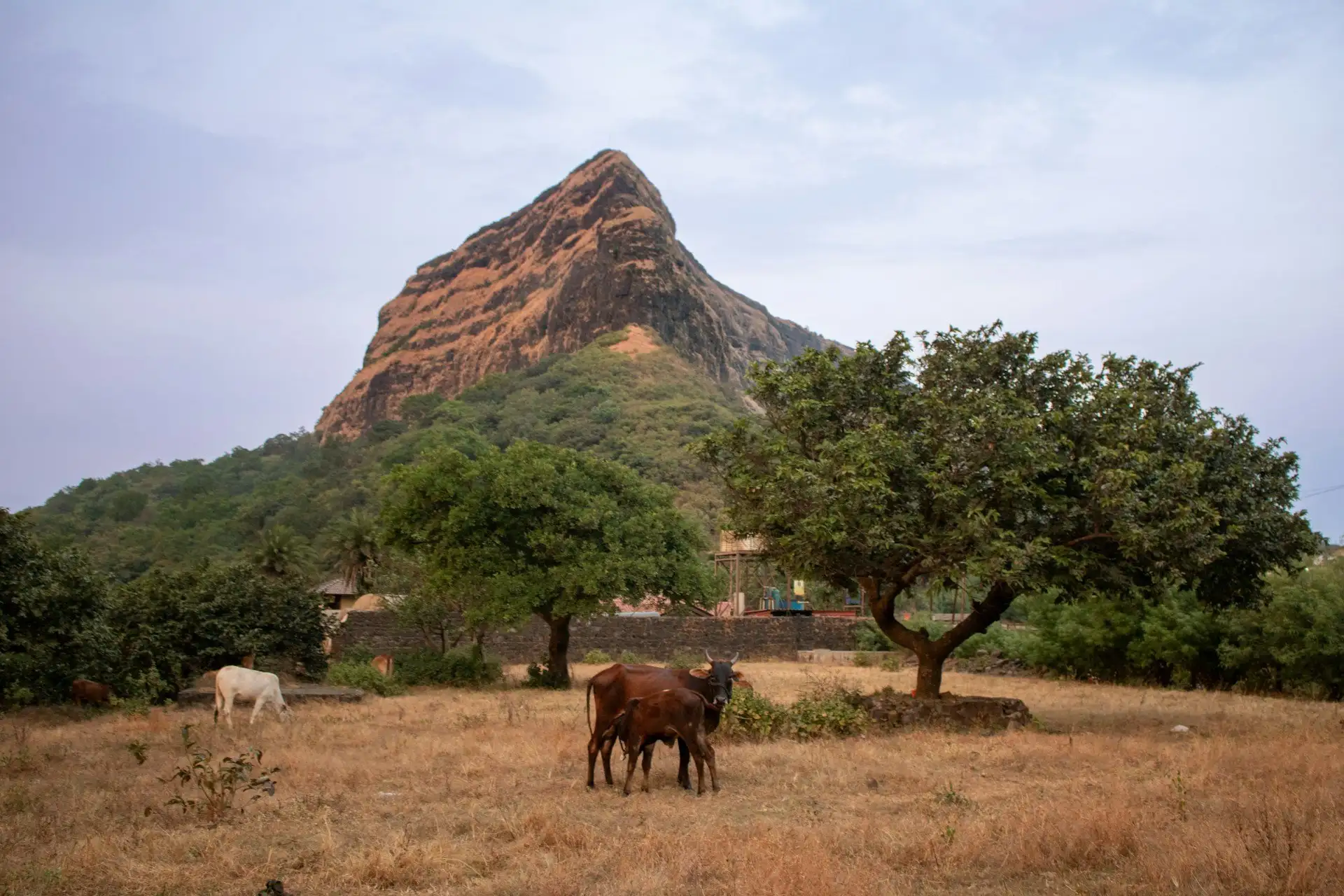
Burkina Faso
The land of upright people — named by a president who was assassinated for his principles. Home to Africa's greatest film festival, some of the continent's most extraordinary mask traditions, and a security crisis that has put it largely off-limits for international visitors. This guide tells the full story.
What You Need to Know First
Burkina Faso requires a different kind of introduction from most countries in this series. The honest thing to say upfront: as of 2026, most Western governments advise against all travel to Burkina Faso, or at minimum against all but essential travel, citing a jihadist insurgency that has spread from the country's Sahel border areas into the center, east, southwest, and the capital itself. Ouagadougou has experienced multiple terrorist attacks targeting hotels, restaurants, and public spaces that were once central to tourist life. This is not a precautionary warning of the kind that travel guides insert as a legal disclaimer. It is a genuine, serious security situation that the Burkinabè government and military are struggling to contain.
We document Burkina Faso because it matters to document — because what this country is, culturally and historically, is extraordinary, and because the Burkinabè people deserve to have their country known. The musicians, filmmakers, mask-carvers, farmers, and city-dwellers of Burkina Faso are not their government's security failures, and they are not footnotes to a crisis. This guide describes the country that exists and the conditions under which visiting it is or isn't currently sensible, and leaves the final judgment to you and to the most current official advisories from your government.
What Burkina Faso was, before the crisis: one of the most genuinely welcoming countries in West Africa, with a cultural richness that surprised nearly every visitor. Africa's greatest film festival. The Mossi kingdom's spectacular mask ceremonies. The Lobi people's extraordinary mud fortresses in the southwest. The Thursday livestock market at Gorom-Gorom in the Sahel, where Tuareg, Bella, Fulani, and Hausa traders converged in a setting of radical cultural beauty. Bobo-Dioulasso's live music scene, arguably the best in West Africa after Conakry and Dakar. The city of Ouagadougou, called Ouaga by everyone, with its moped density, its creative arts scene, its particular mix of tradition and modernity.
What Burkina Faso is now: a country under serious stress, governed since 2022 by a military junta that expelled French forces and pivoted toward Russia's Wagner Group, with large areas effectively outside government control. The situation is dynamic and the most current government travel advisories are the authoritative source. Check them before making any decision.
Burkina Faso at a Glance
⚠️ Ratings reflect the country's tourism qualities, not current safety conditions. See the Security section before planning any visit.
The Security Situation
The security situation in Burkina Faso has deteriorated significantly since 2015 and as of 2026 represents one of the most complex and dangerous environments for civilian travel in Africa. Understanding what happened, why, and what it means for visitors requires going beyond headline summaries.
The crisis originates in the broader Sahel insurgency that began in northern Mali and has spread across the region. Groups affiliated with al-Qaeda (JNIM — Jama'at Nusrat al-Islam wal-Muslimin) and the Islamic State in the Greater Sahara (ISGS) began operating in Burkina Faso's Sahel and Est regions around 2015 to 2016. The initial attacks targeted remote security posts and villages. Over subsequent years the insurgency expanded geographically: south through the Boucle du Mouhoun region, west toward Bobo-Dioulasso and the border with Ghana and Côte d'Ivoire, and into the capital itself.
Ouagadougou has experienced multiple significant attacks: the Splendid Hotel and Cappuccino Café attack in January 2016 killed 30 people including many foreign nationals; the French embassy and army headquarters were targeted in March 2018; the Grand Mosque and the Catholic Cathedral of Ouagadougou area was attacked in 2019; and there have been subsequent incidents. These were not random acts — they were deliberate targeting of locations associated with Western presence, government institutions, and religious plurality.
Two military coups — in January 2022 and then again in September 2022 — brought Captain Ibrahim Traoré to power. His government expelled the French military presence that had been operating in the country, severed ties with France diplomatically, and engaged the Wagner Group (Russia's private military company) for security assistance. As of 2026, the conflict continues. Government control over significant portions of the national territory — particularly the Sahel, Est, Nord, and parts of the Centre-Nord and Boucle du Mouhoun regions — is contested or absent. The UN estimates over two million people internally displaced, one of the worst displacement crises in the world.
What does this mean for potential visitors? The honest assessment: Burkina Faso is not currently a safe destination for most international tourists. The risk is not theoretical or precautionary — it is based on documented attacks on civilian and Western targets in Ouagadougou and across the country. Journalists, aid workers, and researchers with specific professional reasons to be there operate with security protocols that are beyond the scope of a travel guide. Tourists do not have equivalent infrastructure.
The situation is dynamic and could change in either direction. Consult the most current official advisories from your government, not this page, before making any decision. The US State Department, UK FCDO, French MEAE, German Auswärtiges Amt, and Australian DFAT all publish current, regularly updated assessments.
Sahel, Est, Nord Regions
Active insurgency. No civilian travel. Large areas without effective government control. Multiple armed groups operating. Even aid organizations have been forced to suspend operations in significant parts of these regions.
Ouagadougou
The capital has experienced multiple major terrorist attacks targeting hotels, restaurants, religious sites, and government buildings. Western embassies have reduced presence. Most major Western governments advise against travel here.
Boucle du Mouhoun, Centre-Nord
Insurgency has spread into these central and western regions. Road ambushes have occurred on main highways. Heavily restricted zones for aid operations.
Southwest (Cascades, Sud-Ouest)
Including Bobo-Dioulasso's hinterland and the Lobi country. Has seen insurgent activity expand into these regions, which were previously considered safer. Check current status carefully — this region's situation has been volatile.
All Border Areas
Borders with Mali, Niger, and Benin are particularly dangerous. The tri-border area (Burkina, Mali, Niger — known as the "three borders" zone) is the epicenter of the regional insurgency.
Bobo-Dioulasso City
The second city has been less directly affected than the capital and the north, but it is not insulated from the national situation. Some aid organizations maintain limited presence here. Check current conditions specifically.
A History Worth Knowing
The territory that is now Burkina Faso has been one of the most densely politically organized regions in West Africa for over a thousand years. The Mossi kingdoms, established from the 11th century onward, developed a sophisticated system of chieftaincies, cavalry warfare, and ceremonial culture that resisted Songhai expansion, survived the Mali Empire, and endured long enough to be still functioning when the French arrived. The Mossi Mogho Naaba (paramount chief) in Ouagadougou is still an active and respected figure today; his weekly Friday ceremony at his palace, the Naba's departure on horseback in full regalia, is one of West Africa's most distinctive public rituals.
The French conquest in the 1890s met serious resistance. Mogho Naaba Wobogo refused to accept French authority and was exiled. The territory was absorbed into French West Africa, renamed Upper Volta, and used primarily as a labor reserve for the Côte d'Ivoire plantations and railway construction — a colonial relationship that entrenched poverty and outmigration patterns that persist today.
Independence came in 1960. The subsequent decades brought a cycle of civilian governments and military coups that seemed, for a while, to be merely West Africa's standard political turbulence. Then came Thomas Sankara.
Sankara came to power in 1983 in a coup and governed until his assassination in 1987 — four years that became one of the most debated chapters in African political history. He renamed the country Burkina Faso: Burkina from Mooré meaning upright, proud, dignified; Faso from Dioula meaning fatherland. The people became the Burkinabè. He promoted women's rights with specific policies: banned forced marriage and female genital mutilation, appointed women to senior government roles at a time when no other African government was doing this. He planted ten million trees against desertification, refused IMF structural adjustment, nationalized land from traditional landlords and redistributed it to peasant farmers, and cut his own salary to make it equivalent to the average teacher's wage. He drove a Renault 5 rather than the Mercedes state car, was known to go jogging alone in the city, and gave some of the most quoted speeches in postcolonial African politics. He was assassinated in a coup led by Blaise Compaoré on October 15, 1987, with widely assumed French complicity that Paris has never fully addressed.
Compaoré governed for 27 years. He was ousted in 2014 by a popular uprising when he attempted to extend his term, fleeing to Côte d'Ivoire. The democratic transition that followed was partial and fragile. The jihadist insurgency that began in 2015 accelerated the fragmentation of state authority. Two more coups in 2022 brought the current junta to power. Sankara was given a state funeral by the junta in 2022 — political theater of the most pointed kind — as his assassin continues to live comfortably in Abidjan.
The Mossi establish chieftaincies across the central plateau. Their cavalry and political organization make them one of the Sahel's dominant powers for 800 years.
France defeats the Mossi kingdoms. Mogho Naaba Wobogo exiled. The territory becomes part of French West Africa and is used as a labor reserve.
Independence declared August 5, 1960. Followed by a cycle of coups and civilian governments over the next two decades.
Thomas Sankara comes to power. Renames the country Burkina Faso. Begins four years of revolutionary reform.
October 15, 1987. Compaoré takes power. Sankara's body is secretly buried; his murder is not officially acknowledged for decades.
Popular uprising ends Compaoré's 27-year rule. He flees to Côte d'Ivoire. A fragile democratic transition begins.
Jihadist attacks begin in the Sahel region. The insurgency expands rapidly over subsequent years.
January and September 2022 coups bring Captain Ibrahim Traoré to power. French military expelled. Wagner Group engaged. Insurgency continues.
Burkina Faso's Destinations
The following section describes Burkina Faso's destinations as they exist — their cultural and physical character, what made them worth visiting, and what visitors experienced before the current security situation made most of them inaccessible. We document this because the country and its people deserve accurate representation, and because conditions may change. Security assessments for each area are noted where relevant, but the overriding advisory remains: check current government travel guidance before acting on anything here.
Ouagadougou
Ouaga is — or was — a city with an extraordinary cultural energy for its size and income level. The FESPACO film festival, held every two years in February or March (odd-numbered years), transforms the city into the center of African cinema for two weeks: screenings in outdoor cinemas, debates with filmmakers, concerts, street food and a particular electricity in the air that everyone who attended describes with the same words. The Mogho Naaba's Friday ceremony at the royal palace, the Centre Artisanal de Ouagadougou for bronzework and leather, the Village Artisanal de Ouagadougou, and the particular late-night live music scene around the bars of the Zogona neighborhood — all of this constituted a city worth the trip on its own terms. The city has been the site of multiple terrorist attacks since 2016. Most Western governments advise against travel here as of 2026.
Bobo-Dioulasso
Bobo, as everyone calls it, was Burkina Faso's most beloved city for visitors: laid-back where Ouaga is intense, with a music culture centered on the balafon (the West African wooden xylophone that originated in this region) and the particular mix of Dioula, Bobo, and Peul cultures that gives the city its warmth. The Grand Mosque, built from banco (earthen plaster) in the Sudano-Sahelian style and rebuilt following the original 1893 structure, is one of West Africa's finest religious buildings. The Kibidwé neighborhood market, the Guimbi Ouattara palace, and the Maison de la Culture as a live music venue made Bobo a multi-day stop for most visitors. The security situation in the wider Cascades and Hauts-Bassins region has deteriorated since 2020. Check current conditions specifically for the city itself.
Lobi Country (Gaoua)
The Lobi people of the southwest built sukala — earthen multi-storey fortress-compounds with flat roofs, interior courtyards, and no external windows — as defense against slave raids. The Musée Ethnographique de Poni in Gaoua is consistently ranked among West Africa's finest ethnographic museums. The Lobi are historically known for resisting conversion to both Islam and Christianity with equal determination. The southwest has seen insurgent activity expand into it — areas that were considered among Burkina's safest ten years ago. Status as of 2026 requires specific current intelligence.
Gorom-Gorom
The Thursday livestock market at Gorom-Gorom in the Sahel was one of West Africa's most remarkable weekly gatherings: Tuareg nomads in indigo-dyed robes and silver jewelry, Fulani cattle-herders, Bella traders, and merchants from across the Sahel converging on a sandy town where camels, cattle, goats, and goods changed hands under the desert sun. The authenticity of the market was total — it existed for the people who used it, not for visitors — and that was precisely what made it compelling. Gorom-Gorom is in the Sahel region, which has been under active insurgency for years. It is not accessible under current conditions.
Tiébélé
The royal village of Tiébélé, near the Ghana border in the south, contains the most famous examples of Kassena decorated houses: earthen compounds whose exterior walls are covered in geometric patterns painted in ochre, white, and black by the women of the community. The designs have specific meanings within Kassena cosmology and are repainted seasonally. Tiébélé has been accessible to visitors and is in the relatively more stable south. Check current conditions for the route from Ouagadougou and for the border area.
W-Arly-Pendjari Complex
The W National Park in Burkina Faso's southeast is part of the transboundary W-Arly-Pendjari (WAP) complex shared with Benin and Niger. It holds elephant, lion, buffalo, and hippo and was one of West Africa's most important wildlife areas. The Est region, where W Park is located, is one of the most severely affected by insurgency. The park has been inaccessible to tourists for years and ranger operations have been severely compromised. Document it as part of Burkina Faso's natural heritage rather than a current destination.
Culture & Society
Burkina Faso has over 60 ethnic groups whose cultural traditions are sufficiently distinct that the country functions as a kind of compressed West African cultural atlas. The Mossi, who constitute roughly 50 percent of the population, dominate the central plateau. The Dioula-speaking communities of the west shaped the trade routes that connected the forest belt to the Sahara for centuries. The Fulani (Peul) pastoralists range across the Sahel with cattle. The Lobi of the southwest, the Gourounsi (including the Kassena of Tiébélé), the Bisa, the Bobo, and dozens of others each bring distinct architecture, ceremony, and cosmology.
What unified them in the popular imagination of travelers was something less easy to quantify: a particular warmth and openness that even experienced Africa travelers described as exceptional. The Burkinabè phrase Burkina Faso, pays des hommes intègres — the land of upright people — was not just a government slogan; it described a social texture that visitors encountered at the level of individual interactions every day. Whether that will survive the current crisis, the displacement, the fear, and the political ruptures, is something nobody can say yet.
Mask Traditions
The mask traditions of Burkina Faso are among West Africa's most complex and visually powerful. Mossi masks (Wan-Panga) are used at funerals and dry-season rites. Bwa butterfly masks, large horizontal constructions of wood and fiber, are used in initiation ceremonies. Bobo animal masks represent the spirit of the forest. Each tradition has its own society, its own rites, and its own rules about who may see what. The Musée National in Ouagadougou had one of the finest mask collections in the region. FESPACO screenings regularly included documentary work on these traditions.
African Cinema (FESPACO)
FESPACO — Festival Panafricain du Cinéma et de la Télévision de Ouagadougou — was founded in 1969 and has run continuously (with occasional interruptions) ever since. It is the most important film festival in Africa and one of the most significant in the developing world, providing the primary platform for African filmmakers to reach African audiences. The Étalon de Yennenga (Golden Stallion) award is cinema's highest honor on the continent. The festival created an entire film culture in Burkina Faso: mobile cinemas, film schools, a generation of Burkinabè directors who became central figures in African cinema.
Music
The balafon, a gourd-resonated wooden xylophone, originated in the broader region around Bobo-Dioulasso and remains the cultural heartbeat of western Burkina Faso. Victor Démé, a Bobo musician who worked for thirty years in France before returning to record an album in Bobo at 50 that became one of West Africa's most acclaimed records, represents the particular depth of the Burkinabè musical tradition. The kora, djembe, and talking drum also feature prominently across different ethnic traditions.
The Sankara Legacy
Thomas Sankara is everywhere in Burkina Faso — on murals, on t-shirts, in conversations about what the country should be. His image and his words circulate across African political thought from Dakar to Nairobi. The current junta invoked his legacy deliberately on taking power, giving him a state funeral and naming public spaces after him while governing in ways that would have been unrecognizable to him. The gap between the Sankara who actually existed and the Sankara who is now deployed as political symbol is itself a piece of Burkinabè history worth thinking about carefully.
"Ne y windiga?" (How are you? in Mooré), "I ni ce" (thank you in Dioula). In Ouaga you'll be speaking French; in rural areas even a few words of the local language are disproportionately valued.
The same principle as across the Sahel: accepting what is offered is an act of social recognition. Refusing without explanation is considered dismissive.
Mask ceremonies are religious events, not tourist performances. Many are closed to outsiders entirely. Those that allow visitors require explicit permission and a respectful engagement with the protocols.
Under the current junta this is actively enforced. The consequences are severe and unpredictable. Do not photograph anything that could be construed as security infrastructure.
The political situation is volatile and opinions about the junta, France, Russia, and the insurgency are passionately held and potentially dangerous to express openly. Listen more than you speak.
This is not generic caution — it is the specific advice of every security professional working in the country. Routes that were safe one week may not be the next.
Food & Drink
Burkinabè cuisine is built on sorghum, millet, maize, and beans — the reliable crops of a semi-arid Sahel country that has faced recurring drought and food insecurity. The cooking is honest and filling rather than elaborate, and at its best — a slow-cooked mutton stew over millet tô eaten in a courtyard in the evening — it carries a satisfaction that comes from food made with real knowledge of its ingredients. The food in Ouagadougou and Bobo-Dioulasso includes Lebanese and West African restaurant influences layered over the Burkinabè base.
Tô (Sorghum or Millet Paste)
The staple food of most of Burkina Faso. Tô is a thick, stiff paste made from sorghum or millet flour, cooked until it pulls away from the pot and set into a mound. Eaten with the right hand, broken off in pieces and dipped into a sauce — baobab leaf sauce, okra sauce, or peanut sauce with dried fish. It is acquired-taste food for foreigners but genuinely good once the texture makes sense. You'll eat it everywhere outside tourist restaurants.
Riz Gras (Rice with Sauce)
The urban food of Ouaga and Bobo: rice cooked in a tomato, onion, and chili base with meat (chicken, mutton, or beef) and vegetables. Found at every maquis (open-air restaurant) in the city for CFA 500 to 1,000. The maquis culture — plastic tables in a courtyard, a single fluorescent bulb, cold Brakina beer, and a specific absence of hurry — is one of the most pleasurable things Ouagadougou offers.
Brochettes
Grilled meat on skewers — mutton, beef, or chicken — cooked over charcoal at roadside grills and maquis across the country. Eaten with fresh bread and a piment sauce. At the better roadside places in Ouaga, the mutton brochettes with onion and tomato salad constituted a genuinely excellent meal for under CFA 1,000. Street food at its most functional and satisfying.
Capitaine (Nile Perch)
Despite being landlocked, Burkina Faso has significant freshwater fish from the Volta River system and the Kompienga reservoir. Capitaine — Nile perch — grilled whole or fried and served with attieké (fermented cassava couscous, imported culturally from Côte d'Ivoire) is the restaurant staple that signals you've arrived somewhere that takes its food seriously. The Guimbi restaurant in Bobo was legendary for its capitaine.
Brakina Beer and Dolo
Brakina is Burkina Faso's national lager, brewed in Ouagadougou since 1960 and the correct accompaniment to brochettes and maquis evenings. Dolo is traditional millet beer — reddish, slightly sour, and drunk communally from calabashes at village ceremonies and markets. It is made by women and sold at specific dolo bars in towns, where the clientele is local and the atmosphere is entirely separate from the tourist circuit.
Fruit and Street Snacks
Ouagadougou's mango season (March to May) produces fruit so good and so cheap that visitors eat it for breakfast, lunch, and dessert with no sense of repetition. Bissap (hibiscus juice), ginger juice, and tamarind drink are the standard cold beverages at every market and street corner. Boule de mil — fried millet dough balls — are the morning snack that the city runs on.
When to Go
Subject to security conditions: Burkina Faso's climate follows a Sahelian pattern — a long dry season from October to May and a shorter rainy season from June to September. The most comfortable travel window is November to February, when temperatures are lower and the harmattan dust wind from the Sahara gives the landscape a particular amber quality. The FESPACO film festival, held in February or March in odd-numbered years, was historically the single best reason to time a visit.
Cool Dry Season
Nov – FebCooler temperatures (18–32°C), dry roads, harmattan haze that gives the Sahel a particular amber light. FESPACO falls in February–March in odd years. Subject to security conditions, this is the optimal travel window.
Hot Dry Season
Mar – MayTemperatures rise sharply — 35 to 42°C. The mango season is spectacular. Dust increases. Long days of dry heat that require acclimatization. Functionally manageable for short visits but not comfortable for prolonged outdoor activity.
Rainy Season
Jun – SepRain transforms the Sahel briefly green. Temperatures moderate. Roads in rural areas become difficult. The brief period of green is genuinely beautiful in a landscape that spends most of the year brown. Some attractions inaccessible.
Late Hot Season
OctStill hot, the rains are ending, the landscape is green-brown and the roads are recovering. Transitional month with the least to recommend it climatically. The dry season's advantages begin in November.
Trip Planning
The planning section of this guide is written for the eventuality that security conditions improve enough to make a visit viable, and for the small number of people — journalists, researchers, NGO workers, development professionals — who have professional reasons to be in Burkina Faso under current conditions and need practical information regardless.
If you are a tourist planning a leisure trip to Burkina Faso in 2026, the single most important planning step is reading your government's current travel advisory and taking it seriously. This guide does not recommend visiting Burkina Faso under current conditions. When conditions change, this section will be more relevant.
For those who must be there, or for future visitors: French is essential. The country is compact enough that in better times, two weeks covered the main south-central circuit (Ouaga, Bobo, Tiébélé, Gaoua) thoroughly. FESPACO visits require booking accommodation three to four months in advance in Ouaga.
Vaccinations
Yellow Fever vaccination required for entry. Meningococcal meningitis vaccination is strongly recommended — Burkina Faso is in the "meningitis belt" and outbreaks occur. Hepatitis A, Typhoid, Rabies, and routine vaccines. Malaria prophylaxis essential throughout the country. Consult a travel health clinic well in advance.
Full vaccine info →Malaria
High transmission throughout the country, particularly in the rainy season. Burkina Faso has one of the highest malaria mortality rates in the world as a function of healthcare access. For visitors, prophylaxis plus DEET plus nets is the standard protocol. Take seriously: this is not background risk.
Connectivity
Orange, Telecel (Moov), and Onatel are the main operators. Coverage is reasonable in Ouagadougou and Bobo-Dioulasso. Rural coverage is limited. Under current conditions, satellite communication devices are advisable for anyone operating outside Ouagadougou. Download offline maps before any movement outside the capital.
Get West Africa eSIM →CFA Franc
The XOF CFA franc is shared across eight West African countries and pegged to the euro. ATMs in Ouagadougou and Bobo work with international cards. Outside major cities, cash is essential. Carry enough for your full itinerary before leaving the capital.
Insurance and Security
Standard travel insurance may exclude Burkina Faso under current government advisory conditions. Specialized kidnap and ransom insurance, along with medical evacuation cover that specifically includes Burkina Faso, is what anyone working in the country needs. Confirm coverage explicitly before traveling. EUCARE and AXA Assistance are among the providers with regional coverage.
Embassy Registration
Register with your embassy in Ouagadougou before travel. The US, French, German, and UK embassies are all present, though with reduced staff under current conditions. Some embassies have suspended non-emergency consular services. Know your embassy's emergency number before you need it.
Transport in Burkina Faso
Under better conditions, Burkina Faso's transport was manageable and well-suited to its geography. The country's compact north-south extent, paved roads connecting the major cities, and functioning bus services made it one of the easier landlocked West African countries to navigate independently. Much of this infrastructure remains physically intact; whether it can be used safely is a separate question entirely dependent on current conditions.
Mobylette (Moped)
CFA 200–500/city tripOuagadougou runs on mopeds to an extent that distinguishes it from every other West African capital. The moped-taxi (Sotraco or private hire) is the standard way to move within the city. The density of mopeds at rush hour on the Avenue de la Nation is one of the city's defining images — a flowing, buzzing river of two-wheeled traffic that somehow self-organizes. A city motorcycle taxi is the fastest and most honest way to move around Ouaga.
Intercity Buses
CFA 3,000–8,000/routeTSR, Rahimo Transport, and several other operators ran comfortable air-conditioned buses between Ouagadougou and Bobo-Dioulasso (4 hours), and connections north and east. Ouaga to Bobo was one of West Africa's better intercity bus journeys. Under current conditions, road safety on intercity routes varies significantly and requires current security intelligence.
Taxis (Ouaga)
CFA 300–1,500/tripGreen taxis in Ouagadougou run fixed-fare shared routes (taxi collectif) or can be chartered. The standard charter fare for a cross-city trip is around CFA 1,500. Always agree the price before getting in. In Bobo, taxis are similar in operation.
Domestic Flights
$80–150/routeAir Burkina historically connected Ouaga with Bobo-Dioulasso, Dori, and Dédougou. The airline's schedule and operations under the current junta government are variable. Domestic air is the practical option for reaching provincial cities when road security is uncertain, if services are running.
Rental Car / 4x4
CFA 30,000–60,000/dayCar rental is available in Ouagadougou. Under current conditions, self-driving outside the capital is not advisable without specific security intelligence and local expertise. In better times, a rental car for the Ouaga–Bobo circuit and the southwest was a perfectly reasonable approach.
Bush Taxi
CFA 1,000–4,000/routeShared bush taxis (bâchées) and minibuses cover all routes that buses don't serve. They leave when full from the gare routière. Cheap and comprehensive for shorter routes. Under current conditions, bush taxi use on routes beyond the main Ouaga-Bobo corridor requires careful judgment.
Accommodation in Burkina Faso
Burkina Faso had a diverse and genuinely good accommodation sector for a low-income West African country, ranging from international hotels in Ouaga to simple guesthouses in small towns that were clean, safe, and characterized by the particular Burkinabè warmth that visitors consistently noted. Several Ouaga hotels that were popular with aid workers, journalists, and travelers were the sites of terrorist attacks. The sector has contracted significantly under current conditions. The following represents what existed; current availability and security should be verified.
International Hotels (Ouaga)
$80–200/nightThe Laico Ouagadougou and a few business hotels in the Koulouba district operated to international standards. Note: the Splendid Hotel, which was the classic expat and traveler hotel in Ouaga, was the site of the 2016 attack. The sector has been reorganized; verify specific hotels' current status and security situation.
Guesthouses
$20–50/nightOuaga had excellent mid-range guesthouses in the Zogona and Zone du Bois neighborhoods. Bobo-Dioulasso's guesthouses were consistently praised. Simple rooms, courtyards, good food, and the maquis culture that defined Burkinabè hospitality. Many of these still operate; check current reviews and security.
Campements
$10–25/nightSimple rural guesthouses and campsite accommodation in smaller towns and near cultural sites. Not currently advisable outside the main cities given the security situation in rural areas. In better times they constituted some of the most authentic accommodation in West Africa.
NGO / Mission Guesthouses
$15–40/nightFor those with legitimate professional reasons to be in Burkina Faso, NGO and mission guesthouses in Ouagadougou and Bobo-Dioulasso offer secure accommodation with some security screening of guests. Access generally requires a professional affiliation.
Budget Planning
Burkina Faso was one of West Africa's more affordable destinations — a function of its economic position as one of the world's least-developed countries, which translated into low prices for food, accommodation, and transport that benefited visitors while reflecting genuine poverty in the population. The CFA franc's euro peg made budgeting straightforward for European travelers.
- Basic guesthouse or campement
- Maquis meals and street food
- Moped taxis and bush taxi transport
- Market and free cultural sites
- Very achievable when security allows
- Comfortable guesthouse with A/C
- Mix of maquis and sit-down restaurants
- Chartered taxi for city transport
- Guided cultural visits
- FESPACO festival expenses
- International hotel in Ouaga
- Good restaurants and bar evenings
- Private 4x4 transport
- Security-conscious logistics
- FESPACO special events
Quick Reference Prices
Visa & Entry
Most Western nationalities require a visa to enter Burkina Faso. The process has historically been handled through Burkinabè embassies abroad or through an e-visa system. Under the current junta government, visa processing arrangements have changed — the junta expelled French nationals and some other Western nationals faced additional scrutiny at certain periods. Current visa requirements and availability should be confirmed directly with the Burkinabè embassy or consulate relevant to your nationality before making any plans.
ECOWAS citizens (citizens of the 15-nation West African economic bloc) enter visa-free. If you are a West African citizen, standard ECOWAS freedom of movement applies.
Most Western nationalities require a visa. Under the current junta, processing arrangements have changed and some nationalities have faced restrictions. Confirm current requirements with the Burkina Faso embassy for your nationality before planning. Yellow Fever certificate required for entry and will be checked.
Safety in Burkina Faso
The security situation in Burkina Faso as of 2026 is the dominant fact of any visit. The pre-crisis safety context — which was genuinely good, with low violent crime, welcoming communities, and a stable political environment — no longer describes the country. What follows is an honest summary of the current situation.
Terrorist Attacks (Ouagadougou)
Multiple significant attacks since 2016 targeting hotels, restaurants, embassies, religious sites, and security installations. Western targets have been specifically chosen. The risk is not generic urban crime but directed political violence with international implications.
Insurgency (Most of the Country)
Active insurgency across the Sahel, Est, Nord, Centre-Nord, Boucle du Mouhoun, and parts of the southwest. Road ambushes, IED attacks, and attacks on villages have all occurred. Large areas outside government control.
Kidnapping Risk
Foreign nationals have been kidnapped in Burkina Faso and neighboring Sahel countries. The risk is particularly acute for Western nationals in rural and semi-urban areas. Kidnapping for ransom and hostage-taking by armed groups has affected aid workers, journalists, and travelers.
Political Sensitivity
Under the current junta, political expression and journalism face significant restrictions. Foreign nationals have been detained for social media activity and photography near government installations. Behave with extreme caution regarding any public political commentary.
Bobo-Dioulasso (Relatively)
The second city has been less directly affected by major attacks than the capital, but it is not insulated from the national situation. Aid organizations maintain limited presence. Check specific conditions at time of any visit.
If You Must Travel
Register with your embassy. Have a security professional brief on current conditions. Use encrypted communication. Have an emergency evacuation plan. Know your nearest embassy location and emergency number. Share your itinerary with someone at home. Never travel at night outside cities.
Emergency Information
Your Embassy in Ouagadougou
Several embassies operate with reduced staff under current conditions. Verify opening hours and emergency contact numbers before travel.
Useful Resources
For those with professional reasons to visit, or planning ahead for when conditions improve. Always verify current security before booking anything.
The Country That Named Itself After Its Own Principles
Thomas Sankara named this country after what he believed its people to be: hommes intègres, upright people. Forty years later, that aspiration is somewhere between deferred and actively contested. Two million people displaced. Large parts of the country outside any functioning state control. A military government that invokes Sankara's image while governing in ways he would have found horrifying. A population that, by all accounts, remains warm, creative, and stubbornly attached to the idea of what their country could be.
The Mooré word for this kind of perseverance in the face of difficulty is burkindi — which is, not coincidentally, the other root of the country's name. It means dignity, integrity, the quality of remaining upright when circumstances push against you. It describes a person who doesn't break under pressure. It described the Mossi cavalrymen who resisted the Songhai Empire. It describes what the farmers, the filmmakers, the musicians, and the ordinary city-dwellers of Burkina Faso are doing right now, under conditions that no travel guide can adequately convey. Hold that word. The country will, eventually, be worth visiting again.