
Garden
Route
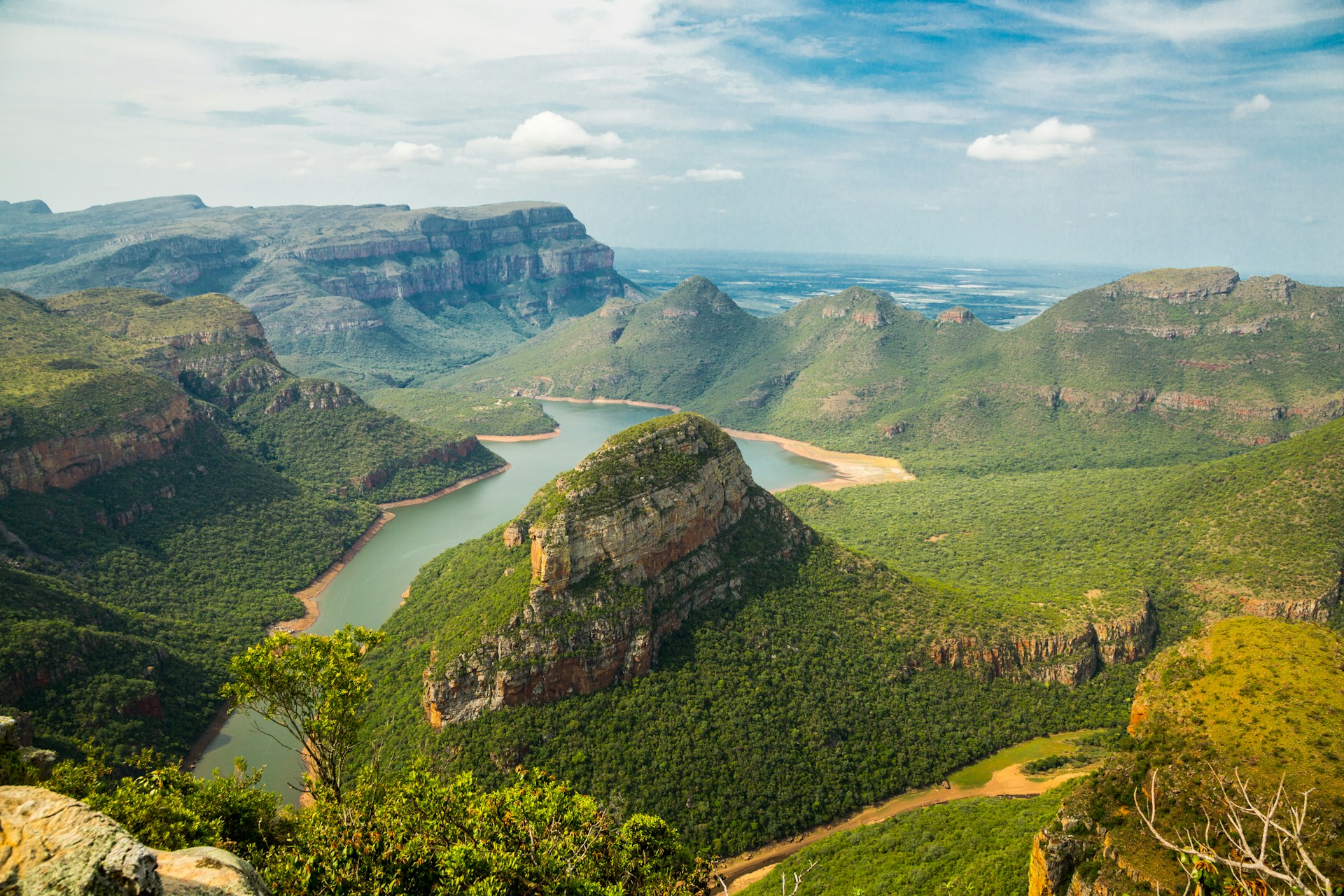
Cape Town to Port Elizabeth along 1,200 kilometres of coastline where wine estates give way to whale watching, ancient forests meet the Indian Ocean, and the elephants at the end make the whole thing feel like it was scripted.
Route Overview
The Garden Route is South Africa's most famous drive and one of the best coastal roadtrips anywhere on earth. It runs along the southeastern coast from Cape Town to Port Elizabeth, through a landscape that changes character so often you'll wonder whether the country is showing off on purpose. Wine estates in mountain valleys. Whales breaching fifty metres from shore. Indigenous forests old enough to make European cathedrals feel recent. A lagoon town with oysters and sandstone cliffs. Beaches where the Indian Ocean is warm enough to swim in without swearing. And at the end, a national park full of elephants who walk up to your car and look at you with the calm indifference of beings who know they were here first.
The roads are excellent throughout. The N2 highway is the spine of the route: well-maintained, well-signed, and scenic enough that the driving itself feels like an activity rather than a transfer. You drive on the left, which takes about twenty minutes to stop finding alarming. The daily distances are short enough that you're never spending more than three hours in the car, which leaves the rest of the day for the things that actually matter: wine, wildlife, water, and the kind of sunsets that make you reconsider your priorities.
South Africa is extraordinarily good value for visitors from Europe, North America, and the UK. A bottle of world-class Stellenbosch Cabernet costs less than a mediocre Bordeaux. A three-course meal at a restaurant that would charge three figures in London costs R400 (about €20). The accommodation ranges from excellent guesthouses at R1,500 a night to genuine luxury lodges that would cost five times as much anywhere else. The Garden Route is the roadtrip that gives you everything and charges you surprisingly little for it.
The Itinerary
Mother City and Wine Country
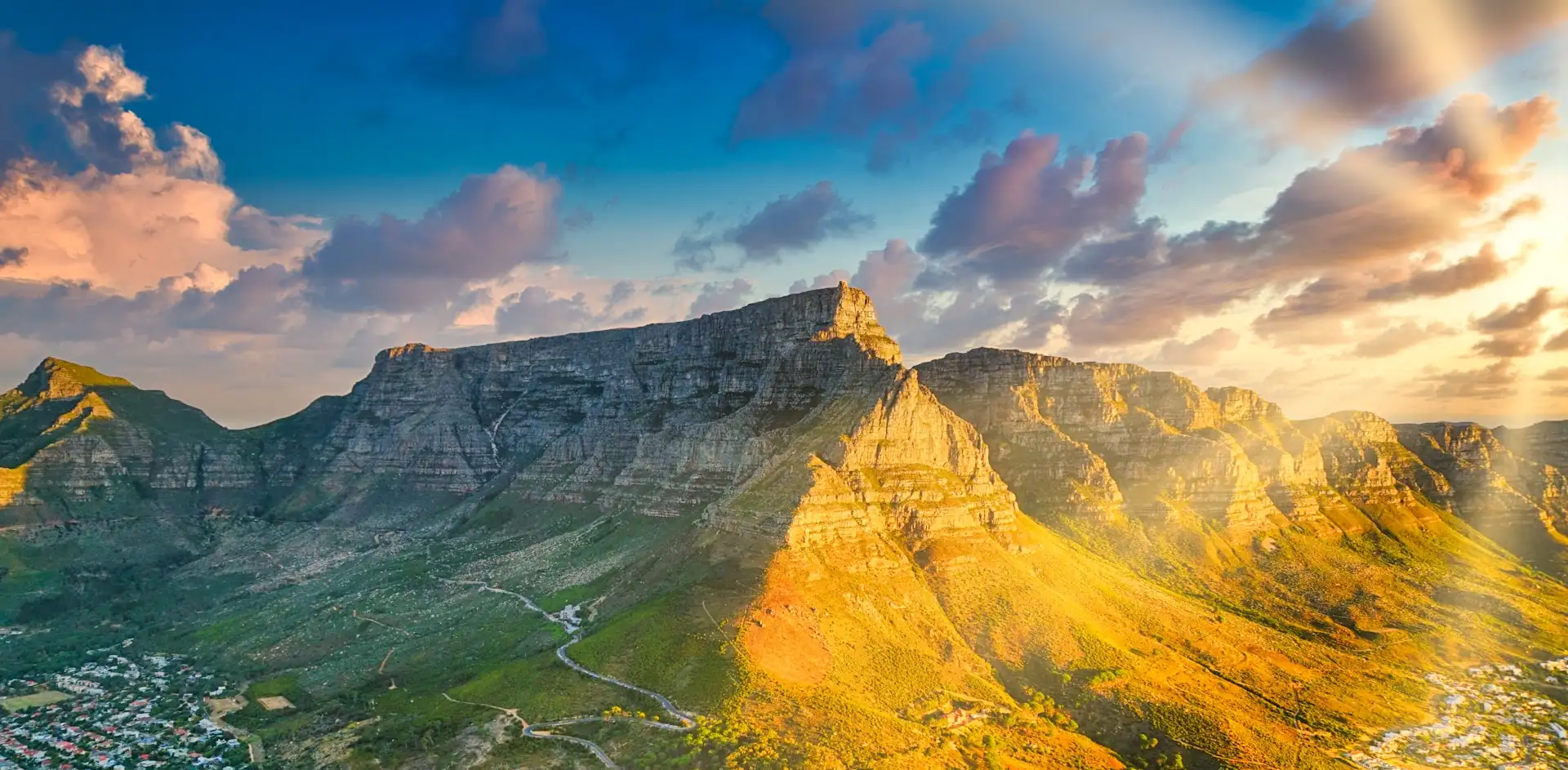
Start in Cape Town. If you have time before picking up the car, Table Mountain by cable car (or on foot if you're fit and the weather is clear) is non-negotiable. The V&A Waterfront is pleasant for a meal. Bo-Kaap's colourful houses photograph well but the real draw is the Cape Malay food. If you have a morning free, the drive to Cape Point through the peninsula is worth three hours.
Pick up your rental car and drive forty-five minutes to Stellenbosch, the heart of South African wine country. The town itself is beautiful: oak-lined streets, Cape Dutch architecture from the 1700s, and more wine estates within a twenty-minute radius than you can responsibly visit in two days. Delaire Graff has the best views. Tokara has exceptional olive oil alongside the wine. Jordan does one of the best Cabernet Sauvignons in the country. On day two, drive twenty minutes to Franschhoek for the wine tram (a hop-on hop-off tram and bus loop that solves the designated driver problem entirely) and lunch at one of the valley's restaurants. Franschhoek calls itself the gourmet capital of South Africa and, for once, the self-promotion is earned.
- Table Mountain - Cable car or hike. Clear mornings are best. Book online to skip the queue.
- Stellenbosch Wine Estates - Delaire Graff, Tokara, Jordan, Waterford, Rust en Vrede. Tasting R50-150 each.
- Franschhoek Wine Tram - Hop-on hop-off loop covering eight estates. Book ahead in peak season.
- Jonkershoek Nature Reserve - Mountain hiking with fynbos and waterfalls if you need to walk off the wine.
The Whale Coast
Drive over Clarence Drive, one of the most scenic coastal roads in the country, and stop at Betty's Bay to see the African penguin colony at Stony Point. The penguins are accustomed to visitors and you can watch them from boardwalks a few metres away. Continue to Hermanus, a town that exists in two modes depending on the season.
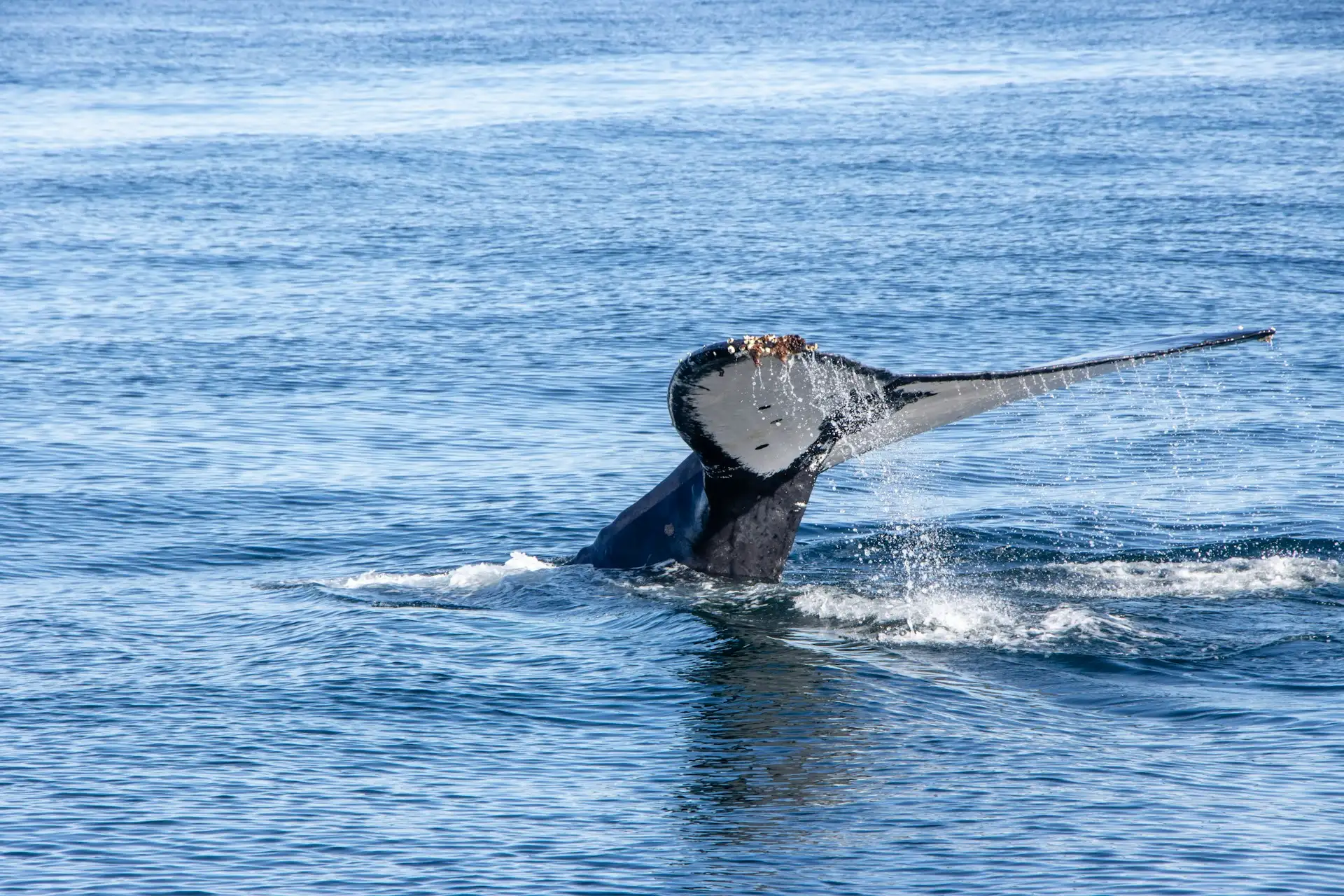
From June to November, southern right whales come into Walker Bay to calve, and the cliff path along Hermanus's coast becomes the best land-based whale watching location in the world. The whales come within fifty metres of shore. The town has a whale crier who walks the streets blowing a kelp horn when whales are spotted. It sounds like folklore. It is not. Outside whale season, Hermanus is still worth two nights for the cliff path walk (twelve kilometres of dramatic coastline), the local wine route in the Hemel-en-Aarde Valley (Hamilton Russell and Creation are exceptional), and the nearby town of Gansbaai, where great white shark cage diving is available for those who want that particular adrenaline experience.
- Betty's Bay Penguins - Stony Point African penguin colony. Boardwalk viewing, less crowded than Boulders Beach.
- Hermanus Cliff Path - 12 km coastal walk. Best whale watching June-November. Spectacular any time.
- Hemel-en-Aarde Wine Valley - Hamilton Russell, Creation, Bouchard Finlayson. Cool-climate Pinot Noir country.
- Gansbaai Shark Diving - Great white shark cage diving. Book ahead. Not for everyone, unforgettable for those who do it.
The Southernmost Point of Africa
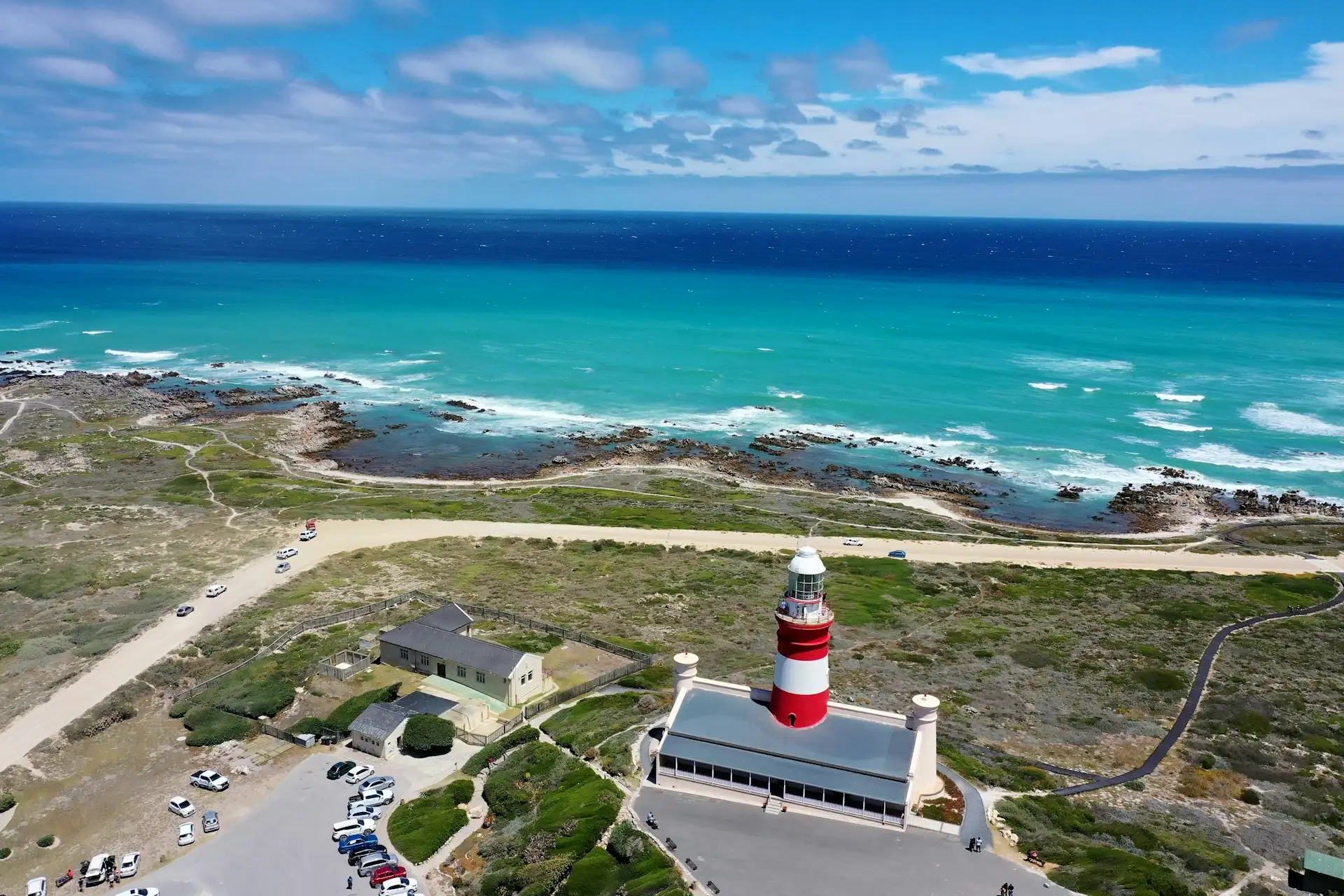
This is the transition day that connects the Overberg to the Garden Route proper, and it includes a stop that most people get wrong. Cape Agulhas, not Cape Point, is the southernmost point of Africa. It's where the Atlantic and Indian Oceans officially meet. The red and white lighthouse is photogenic, the marker at the tip is obligatory, and the windswept landscape has a raw quality that the Cape Peninsula's tourist-polished coast doesn't quite match. Stop at Struisbaai nearby for what is claimed to be the longest natural beach in the Southern Hemisphere.
Continue to Mossel Bay, where the official Garden Route begins. The Dias Museum Complex tells the story of the Portuguese explorers who stopped here in 1488 and left messages in a boot hanging from a milkwood tree (the Post Office Tree, still standing). The Cape St Blaize lighthouse walk offers views along the coast. Mossel Bay doesn't get the attention that Knysna and Plettenberg Bay receive, which is exactly why it's a good overnight: quieter, cheaper, and with a waterfront that's pleasant without trying too hard.
- Cape Agulhas - Southernmost point of Africa. Lighthouse, ocean-meeting marker, windswept drama.
- Struisbaai - Enormous beach, fishing harbour, far fewer tourists than you'd expect.
- Dias Museum Complex - Maritime history, replica caravel, the Post Office Tree from 1500.
- Cape St Blaize Lighthouse - Coastal walk with views. Start or end point of the full St Blaize Trail.
Heart of the Garden Route
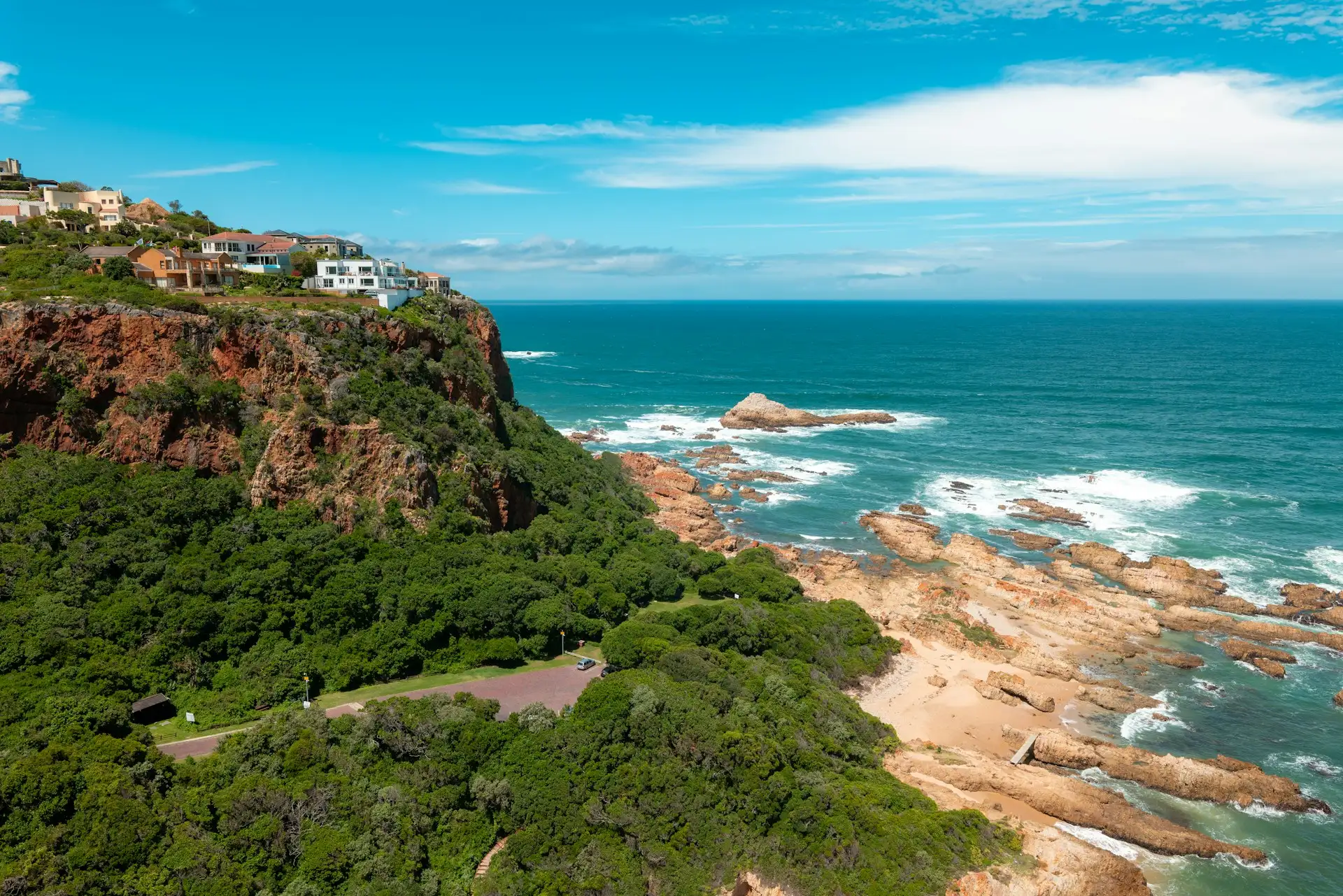
Knysna is the town that defines the Garden Route. It sits on a lagoon flanked by two enormous sandstone headlands called The Heads, and the combination of water, cliffs, forest, and a waterfront lined with restaurants and galleries makes it the place where most people wish they'd booked an extra night. Drive to the eastern head for the viewpoint: the lagoon below, the Indian Ocean beyond, and the indigenous forest running to the horizon in every direction.
The Knysna oysters are famous for a reason. Eat them at the waterfront restaurants with a local craft beer and the view as garnish. Take a ferry to Featherbed Nature Reserve on the western head for a guided walk and a 4x4 ride. Drive to Brenton-on-Sea for a beach that looks like it belongs in a travel advertisement because it regularly is one. Hike in the Knysna Forest to see yellowwood trees that were growing when the Normans invaded England. If you have the time, the Cango Caves near Oudtshoorn (ninety minutes inland through the Outeniqua Pass) are dramatic limestone formations worth the detour.
- The Knysna Heads - Eastern Head viewpoint. The defining view of the Garden Route. Go late afternoon.
- Featherbed Nature Reserve - Ferry to western head, guided walk, 4x4. Book ahead in season.
- Knysna Forest - Ancient indigenous forest. Garden of Eden and Millwood trails for yellowwood giants.
- Brenton-on-Sea - Long beach, warm water, virtually empty outside December/January.
Beaches and Ancient Forests
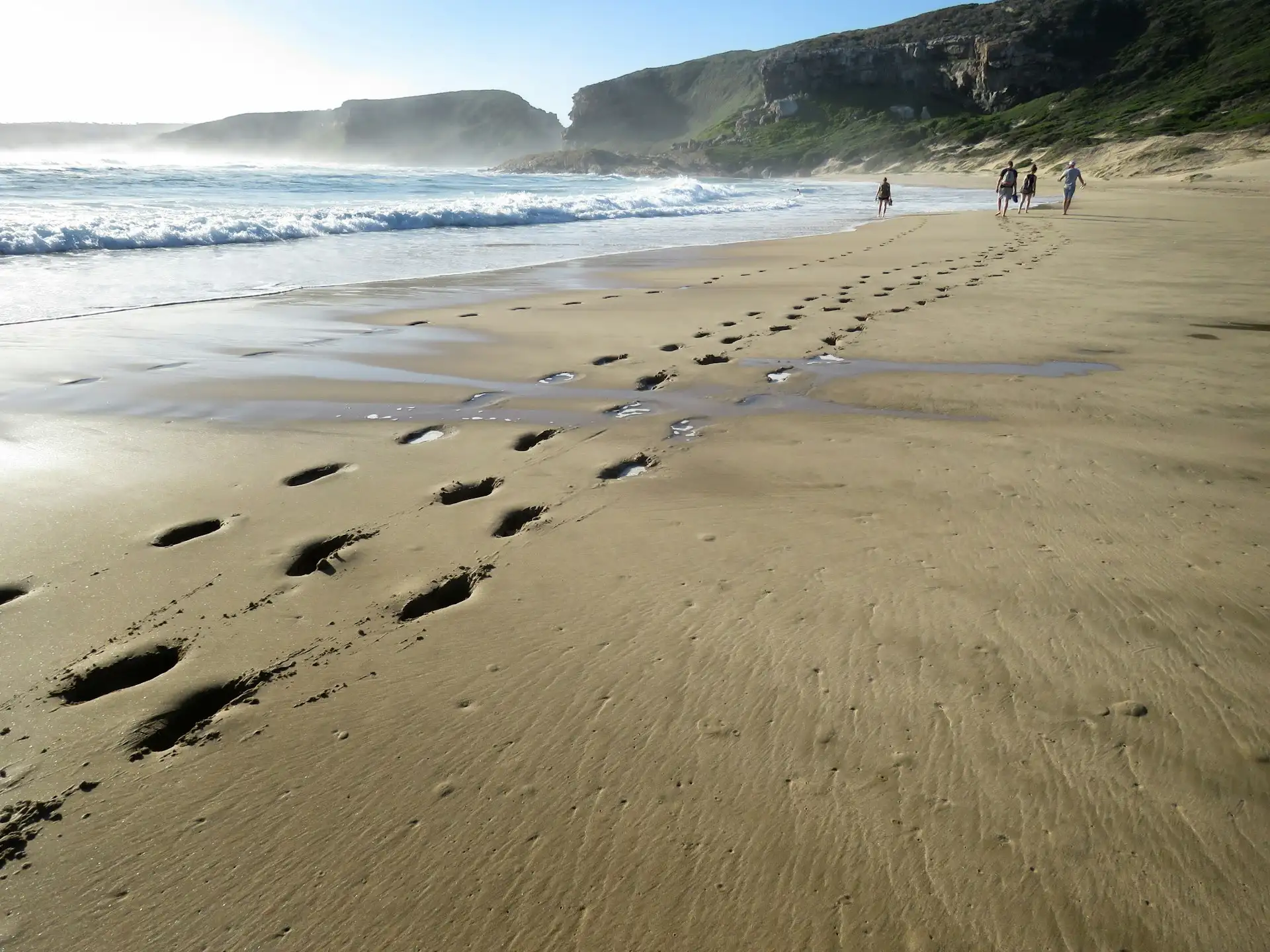
Plettenberg Bay is where the Garden Route does its best impression of a tropical beach destination. The water is warmer here than in Cape Town (the Indian Ocean side of the country is significantly more swimmable), the beaches are long and sandy, and the backdrop of mountains and indigenous forest means even lying on a towel comes with a view. Robberg Nature Reserve is the highlight: a three-to-four-hour coastal hike around a rocky peninsula with seals, dolphins visible from the cliff tops, and views that justify every step.
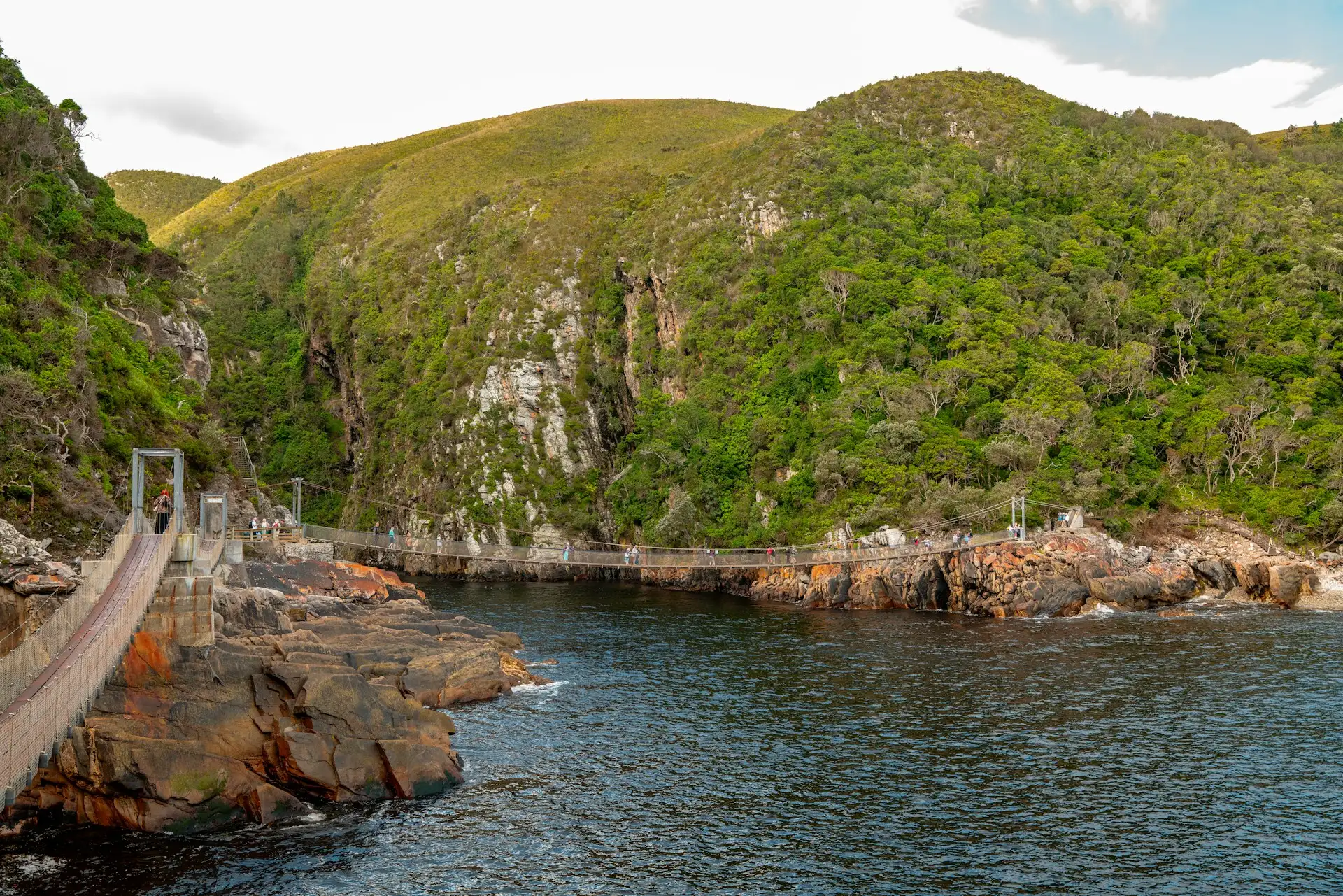
Continue to Tsitsikamma National Park, where 800-year-old forest meets the ocean at a river gorge. The suspension bridge over Storms River Mouth is the iconic photograph, but the Waterfall Trail (a gentle walk to a waterfall in the forest) and the kayaking on Storms River are the experiences that stay with you. Nature's Valley, a small settlement on a pristine beach backed by forest, is the Garden Route at its most quietly extraordinary. The Tsitsikamma Canopy Tour (ziplines through the forest canopy) is available for those who want their nature with adrenaline.
- Robberg Nature Reserve - Coastal peninsula hike, 3-4 hours. Seals, dolphins, spectacular views. Best hike on the route.
- Plettenberg Bay beaches - Lookout Beach for surfing, Central Beach for swimming, Robberg Beach for walking.
- Tsitsikamma Suspension Bridge - Storms River Mouth. The photograph everyone takes. Worth it anyway.
- Nature's Valley - Secluded beach, forest walks, river lagoon. The Garden Route's quietest jewel.
Safari and Journey's End
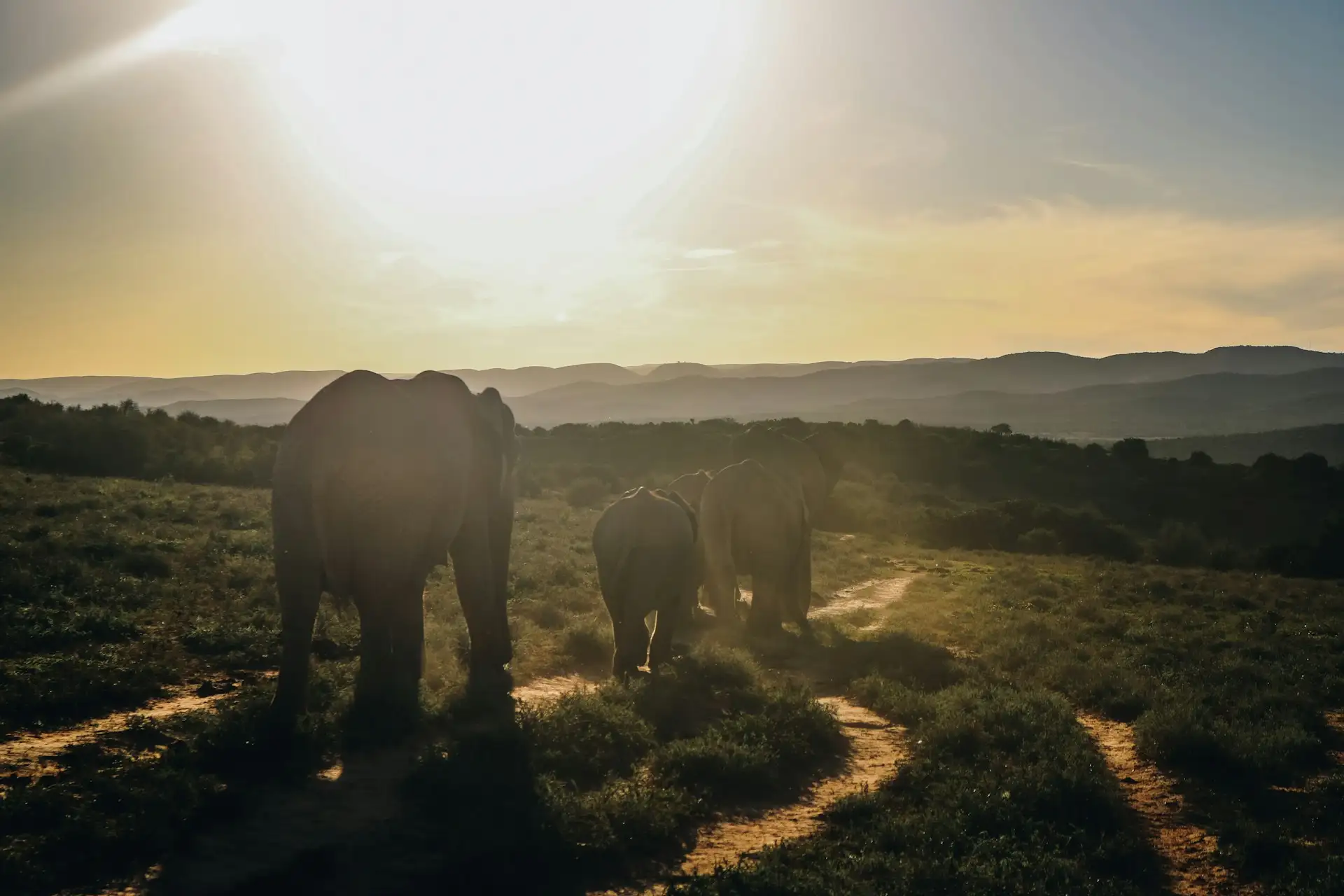
The Garden Route saves its most dramatic contrast for last. You leave the coast, drive inland through rolling hills, and arrive at Addo Elephant National Park, South Africa's third-largest national park and the only Big Five reserve in the southern Cape. The park is home to over 600 elephants, along with lions, leopards, buffalo, rhinos, and the unique flightless dung beetle (found almost nowhere else on earth and so central to the park's ecosystem that the signs at the gate tell you to check your tyres).
Self-drive game viewing is straightforward: the roads are gravel but well-maintained, the animals are used to cars, and the elephants in particular come close enough that you can hear them chewing. The waterhole at Main Camp has a viewing platform where you can watch elephants come and go while eating lunch. Book a guided night drive through the park office for a chance to see nocturnal species. Addo is malaria-free, which makes it a genuine alternative to Kruger for visitors who want safari without the health logistics. Continue to Port Elizabeth (Gqeberha) to return your car and fly out, or stay a night on the beachfront if your flight is the following morning.
- Addo Elephant National Park - Self-drive safari, 600+ elephants, Big Five. Entry ~R300. Allow a full day minimum.
- Main Camp Waterhole - Elephant viewing from the restaurant terrace. Bring binoculars and patience.
- Guided Night Drive - Book at the park office. Different species emerge after dark. Worth every rand.
- Port Elizabeth Beachfront - Kings Beach, Hobie Beach, Boardwalk. A pleasant final evening.
Must-See Locations
The Garden Route doesn't have weak days. But a few places define the trip and become the stories you tell afterwards.
Knysna
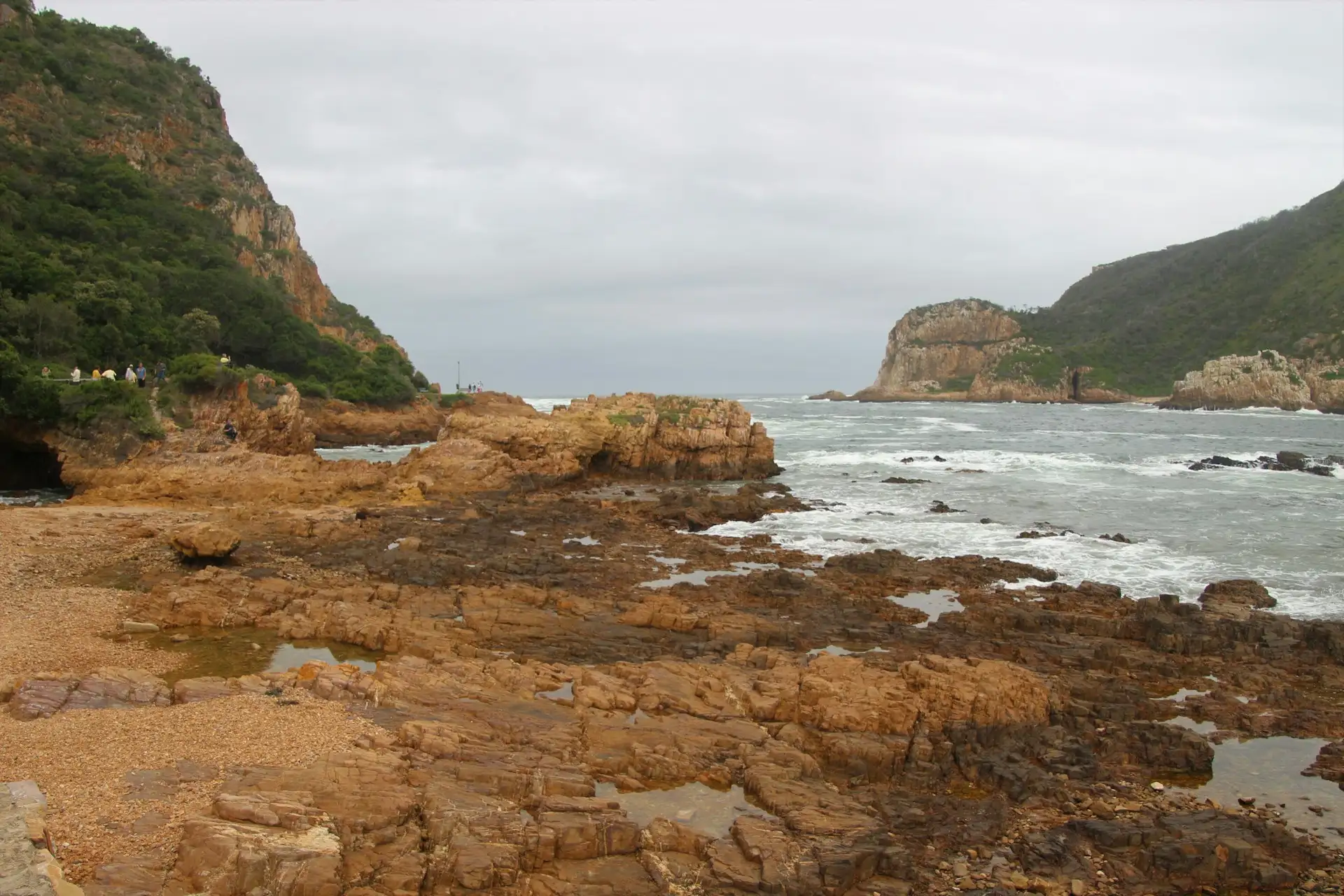
Lagoon town flanked by sandstone cliffs. Oysters, craft beer, ancient forests, and a waterfront that makes you reconsider your return date. The heart of the Garden Route.
Tsitsikamma
Where 800-year-old forest meets the Indian Ocean at a river gorge. Suspension bridge, waterfall trails, kayaking, and the most dramatic meeting of forest and sea on the continent.
Hermanus
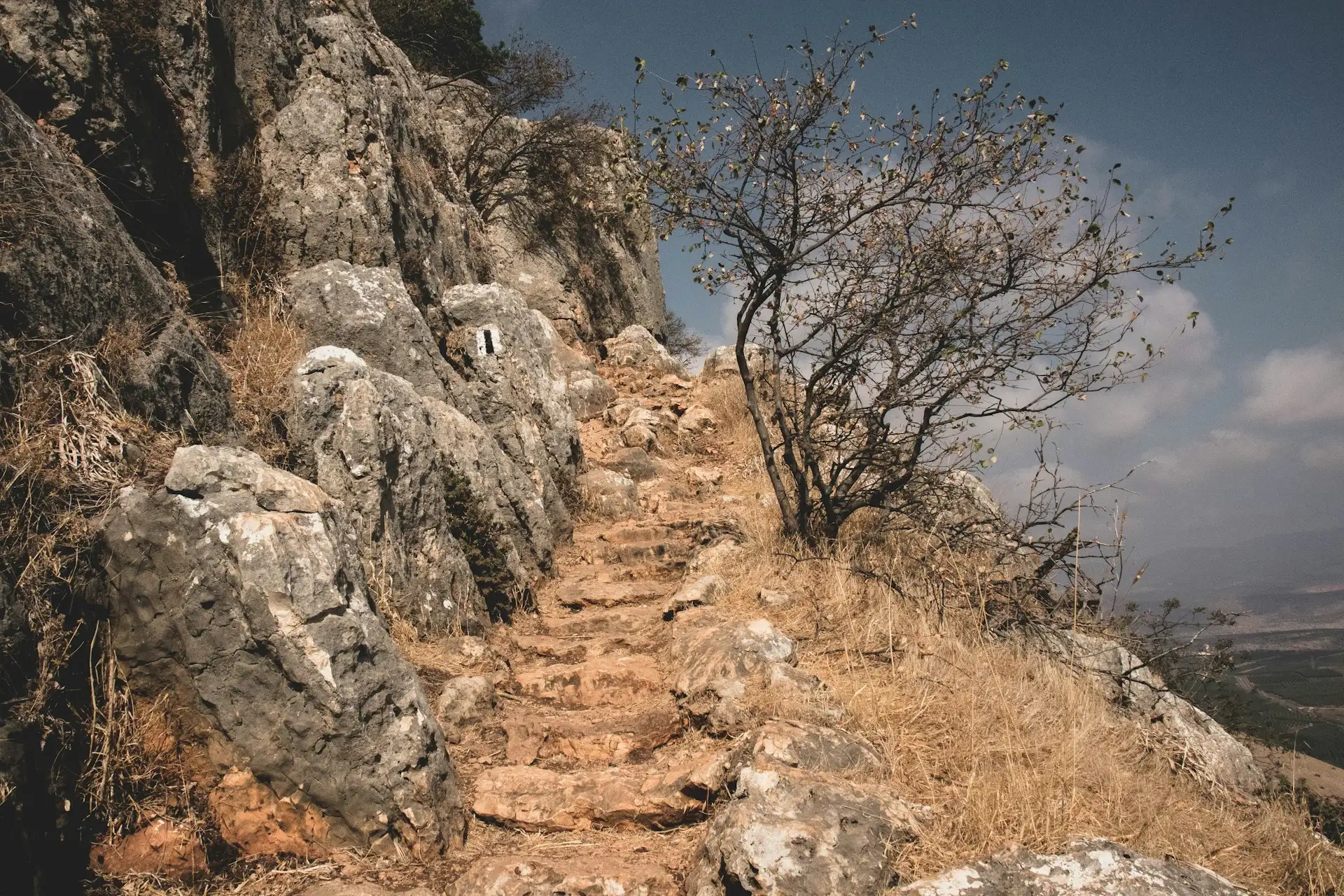
The world's best land-based whale watching. Southern right whales come within fifty metres of shore from June to November. The cliff path walk is exceptional year-round.
Driving & Safety
The Garden Route is one of the easiest roadtrips in Africa to drive. Roads are excellent, distances are manageable, and the infrastructure along the way is good. That said, South Africa has its own set of road and safety considerations that differ from what European and North American visitors are used to.
Drive on the Left
South Africa drives on the left. This takes about twenty minutes to feel normal if you're used to the right. Roundabouts go clockwise. The biggest risk is at petrol stations and parking lots where muscle memory kicks in. Take it slowly on day one.
Road Quality
The N2 highway and all main Garden Route roads are excellent tar. No 4x4 needed. Addo's internal roads are gravel but fine for a sedan. Occasional potholes outside the main route. Speed cameras are common; fines arrive in the post.
Fuel
Petrol stations are frequent along the N2. South Africa has petrol attendants who fill your car for you (tipping R5-10 is standard). Fuel is significantly cheaper than Europe. Most stations accept cards but carry some cash for tips.
General Safety
The Garden Route is generally safe for tourists. Lock your car, don't leave valuables visible, use secure parking where available. Avoid driving at night outside of towns. Don't pick up hitchhikers. Standard awareness goes a long way.
Wildlife on Roads
Baboons are bold and will approach your car, particularly on passes. Do not feed them. Do not open windows. In Addo, elephants have right of way. Keep a respectful distance from all wildlife. This is their country.
Load Shedding
South Africa experiences scheduled power cuts. This rarely affects tourists significantly, but it means some traffic lights may be off (treat as a four-way stop) and some accommodations use generators. Check the Eskom schedule app.
Essential Tips
🌞 Best Season
October to April is warmest for swimming and outdoor activities. June to November is whale season in Hermanus. December-January is peak season: busy beaches, higher prices, but festive energy. The Garden Route works year-round thanks to its mild climate, though winter can be rainy.
🏨 Accommodation
Mix guesthouses (B&Bs), boutique hotels, and self-catering cottages. South African guesthouses are exceptional value and often include breakfast. Book Knysna, Plett, and Stellenbosch well ahead for December-January. Addo has rest camps inside the park with chalets and camping.
💉 Health
The Garden Route is malaria-free. No special vaccinations required for this route (unlike Kruger/Limpopo). Tap water is safe to drink in all towns on the route. Sunscreen is essential: the South African UV index is fierce. Pack factor 50 and use it.
💳 Money
South African Rand (ZAR). Cards accepted nearly everywhere. Tip 10-15% at restaurants, R5-10 for petrol attendants, R10-20 for car guards. The exchange rate makes South Africa extremely good value for European and US visitors. ATMs are plentiful along the route.
📷 Photography
The Knysna Heads at golden hour. Whale breaches in Hermanus. Elephants at the Addo waterhole. The Tsitsikamma suspension bridge at dawn. Cape Agulhas marker at sunset. This route is relentlessly photogenic. Bring a zoom lens for wildlife.
👜 Packing
Layers: mornings can be cool, afternoons warm. Sunscreen (factor 50, non-negotiable). Binoculars for wildlife and whales. Hiking shoes for Robberg and Tsitsikamma. Swimsuit. Light rain jacket. Power adapter (Type M/Type D plugs, unique to South Africa). Valid driver's licence.
Budget Planning
South Africa is one of the best-value travel destinations for visitors from Europe, North America, and the UK. The Garden Route specifically offers world-class wine, accommodation, and dining at prices that would be impossible in comparable destinations. Your biggest cost is likely the flight to get there. Once you arrive, everything is surprisingly affordable.
Book Your Trip
Everything in one place. These are services worth actually using.
The Road Trip That Has No Bad Days
Other great drives ask you to choose. Coast or mountains. Culture or nature. Food or adventure. The Garden Route doesn't. It gives you wine estates with mountain views on day one, whales breaching off the cliff path on day three, ancient forests where the canopy closes above your head on day six, and six hundred elephants walking up to your car on day ten. Each day is different from the last and better than you expected.
South Africa gets complicated when people try to summarise it. The Garden Route is the part that doesn't need qualifying. It's just good. Beautiful coast, excellent wine, extraordinary wildlife, warm people, and prices that make you wonder what you've been paying elsewhere. Drive it once and you'll understand why people come back.