
Montenegro Travel Scams
Montenegro is one of the Adriatic's safest, most dramatic coastlines. It still has a handful of tourist traps worth knowing, mostly around seafood pricing, unlicensed boat tours, and airport taxis.
Montenegro Scam Overview 2026
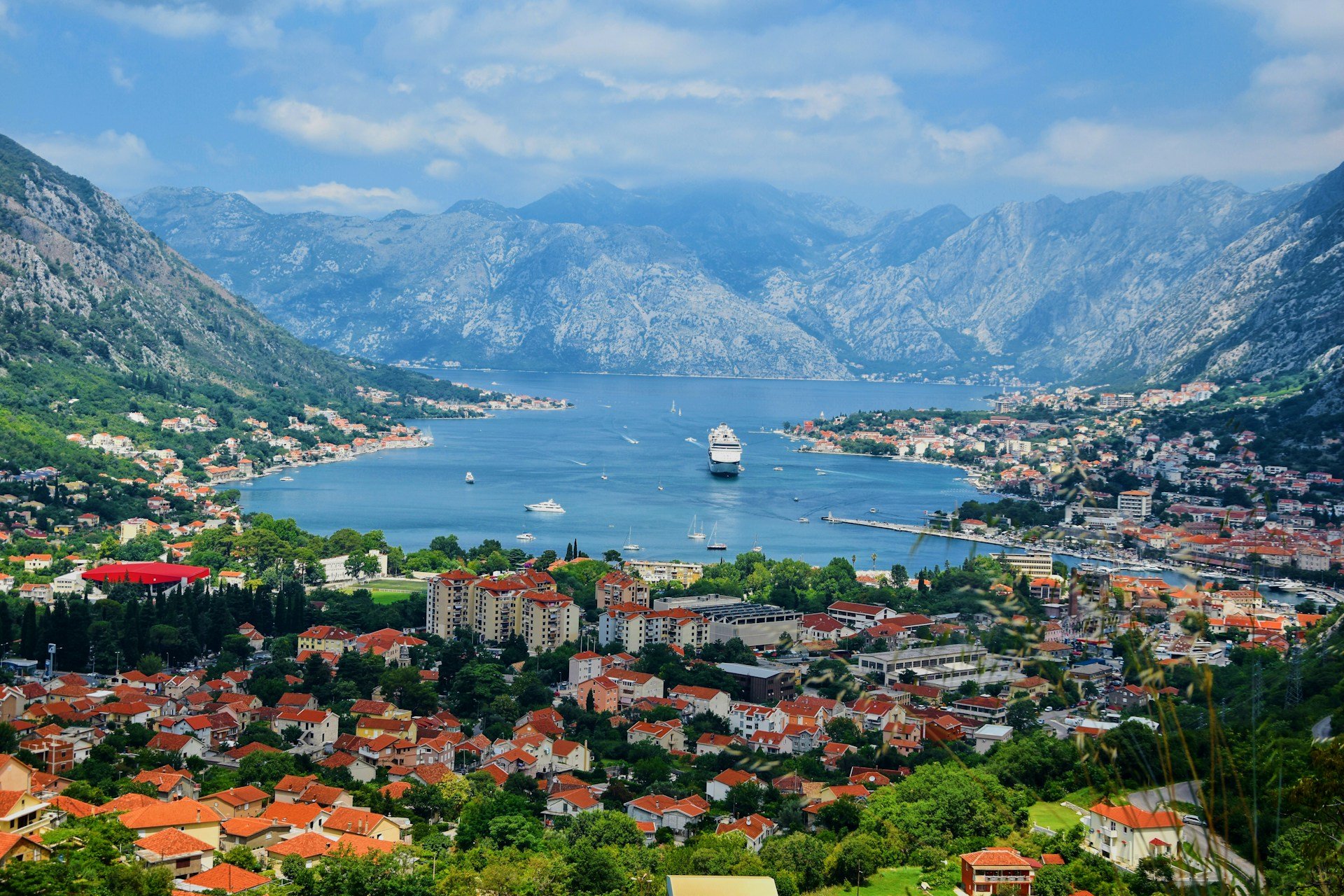
Montenegro draws over 3 million visitors a year, a huge number relative to its population of roughly 620,000, almost all concentrated along a narrow stretch of Adriatic coast between Herceg Novi and Ulcinj, with the fjord-like Bay of Kotor as the centerpiece. That concentration into a small coastal strip during a short summer season creates the same conditions found in other dense Mediterranean tourist zones: seasonal operators, price markups near the most photographed spots, and a handful of touts working the cruise ship crowds that dock in Kotor.
Montenegro's tourist scams fall into three categories. The first is restaurant pricing, particularly seafood sold by weight without a clearly stated rate. The second is unlicensed or informal tour and transport operators, boat trips, taxis, and rental cars. The third is ordinary overcharging in the most touristed few blocks of Kotor's Old Town and Budva's coastal strip. All three are covered here with specific locations, prices, and what to do.
Muggings and violent tourist crime are rare. Montenegro's overall crime rate against visitors is low even in the busiest coastal towns during peak season.
Seafood sold by weight without a clear rate is the most consistently reported issue, concentrated in Kotor and Budva's tourist-strip restaurants.
Boat trips, taxis, and rental cars from informal or unlicensed operators are the main source of overcharging and safety shortcuts.
Card skimming is uncommon. Dynamic currency conversion at payment terminals is the main digital-adjacent issue.
Montenegro Safety at a Glance
Kotor & the Bay Scams
Kotor's walled Old Town and the dramatic mountains ringing the bay make it Montenegro's most visited destination, and one of the busiest cruise ship ports on the Adriatic. The narrow stone streets pack in enormous crowds on cruise days, which is exactly when the town's few scams are most active.
🍺 Seafood Priced by Weight, Undisclosed Rate
Fresh fish and shellfish are commonly priced by weight rather than as a fixed dish, a normal and legal practice across the Adriatic. Some tourist-strip restaurants list the per-kilogram price in small print, in a currency-ambiguous way, or omit it from the menu shown to English-speaking tables, then bring out a fish weighing considerably more than a diner expected. The bill, calculated after the fact, can run two or three times what a diner assumed they were ordering.
Always ask the per-kilogram price before ordering any fish or seafood sold by weight, and ask to see the fish weighed in front of you before it's cooked. If a menu doesn't show a clear per-kilogram price in euros, ask directly rather than assuming.
🎭 Fortress Walk Unofficial Guide Upsell
The climb to the fortress of St John above Kotor's Old Town requires only the official entry ticket, sold at the ticket booth at the wall's base. Individuals near the entrance sometimes imply a guide is required, or offer an unofficial escort for a fee that adds nothing beyond what any visitor can do alone with a map.
Buy your ticket directly at the official booth. No guide is required to enter or complete the climb. If you want a knowledgeable guide, book one in advance through a reputable local tour company rather than accepting an offer at the gate.
🛲 Unlicensed Blue Cave & Bay Boat Tours
Most operators running trips to the Blue Cave near Rose, Our Lady of the Rocks island, and the Bay's other stops are legitimate and licensed, but touts on the Kotor waterfront occasionally offer a cheaper, informal trip on a boat without proper safety equipment or insurance, particularly during the busiest cruise ship hours when demand is highest.
Book through an established operator with visible reviews and a proper storefront or booking desk rather than a boat tout working the waterfront crowd. Confirm life jackets are provided before boarding.
🐕 Cat Souvenir & Tourist Strip Markup
Kotor is famous for its resident cats, and souvenir shops inside the Old Town walls price cat-themed magnets, mugs, and trinkets at a consistent premium over shops just outside the walls or in nearby residential streets, standard tourist-strip markup rather than anything deceptive.
Walk a few streets beyond the Old Town's main tourist artery for meaningfully lower prices on the same or similar souvenirs.
Budva Coast Scams
Budva anchors Montenegro's busiest stretch of beach resort coastline, with a lively Old Town, a strong nightlife scene, and easy access to Sveti Stefan's famous island views. It shares Kotor's restaurant pricing issue and adds its own beach and nightlife-specific patterns.
🏜 Sunbed & Umbrella Overcharging
Private beach concessions along Budva's main beach and neighboring Becici charge for sunbeds and umbrellas without always displaying a clear price, and some tourists have reported being charged more than the rate given to locals or quoted verbally at the start.
Ask the price of a sunbed before sitting down, and look for a posted price list, most concessions have one even if it isn't prominently displayed. Public sections of beach remain free with a towel on the sand.
🍺 Nightlife Strip Surprise Bills
Some bars in Budva's busiest nightlife strip bring drinks without confirming prices first, and a "table charge" or unstated service fee occasionally appears on the final bill. This mirrors a pattern found on many Mediterranean party coasts rather than being unique to Budva.
Ask for a printed drinks menu with prices before ordering anything, and check your bill against what you ordered before paying. If a bar won't show prices upfront, that's reason enough to drink elsewhere.
🚗 Unofficial Parking Attendants
Informal "car guards" direct visitors into parking spots, sometimes on ordinary free street parking, and request a fee to watch the vehicle, occasionally implying the car will be at risk if unpaid.
A small tip is normal and generally worth paying for the peace of mind, but you're not obligated to pay an aggressively demanded amount. Use official paid parking or a hotel garage where available.
Podgorica & Mountain Region Scams
Podgorica, Montenegro's low-key capital, and the mountainous interior around Durmitor National Park and Lake Skadar see far fewer tourists than the coast, which keeps the scam profile low, but self-drive visitors heading into the mountains should know the two issues most likely to affect them.
🚗 Rental Car Damage Disputes on Mountain Roads
Montenegro's serpentine mountain roads, including the famous switchbacks above Kotor and routes into Durmitor, are hard on tyres and undercarriages, and a small number of budget rental agencies dispute claims aggressively at return, similar to patterns reported in other self-drive destinations. Some also carve windscreen or tyre damage out of the standard excess waiver.
Photograph the vehicle thoroughly, including tyres and windscreen, before driving off, and check specifically whether your excess waiver covers windscreen and tyre damage before signing. Book through an established rental brand rather than the cheapest unfamiliar local option.
⛽️ Rural Fuel Station Overcharging
A small number of remote fuel stations outside major towns charge more than the standard national rate, taking advantage of visitors with no nearby alternative.
Fill up in Podgorica or a larger coastal town before heading into the mountains where possible, and check the displayed price per liter before fueling at any unfamiliar rural station.
Transport Scams & Traps
✈️ Airport Taxi Overcharging
Licensed taxis operate from official ranks outside both airports and are metered, but unlicensed drivers approach travelers inside and just outside the terminal offering a flat rate well above the metered fare. A legal metered ride from Tivat to Kotor typically runs EUR 15-20; opportunistic quotes at the terminal can run notably higher.
Walk past anyone who approaches you inside the terminal and go to the official taxi rank outside. Pre-book a transfer through your hotel if you prefer price certainty, or confirm the meter is running as soon as your ride starts.
🚎 Kotor Cruise Terminal Taxi Touts
On cruise ship days, drivers cluster near the dock offering tours and transfers at inflated prices to passengers with limited time ashore, playing on the pressure of a fixed departure time.
Agree the price clearly before getting in, and know that Kotor's Old Town is walkable directly from the cruise dock, meaning a taxi often isn't necessary at all for a short visit.
🚌 Coastal Bus Route Confusion
Local buses along the coastal road are cheap and reliable but don't always have clearly posted fares, and drivers occasionally round up for visitors unfamiliar with the standard rate.
Ask your accommodation what the standard fare should be before boarding, and have small denomination euros ready.
Food & Drink Traps & What Things Should Cost
Montenegro's coastal cuisine leans heavily Mediterranean, fresh fish, olive oil, prosciutto-style pršut, and excellent local wine, and is genuinely inexpensive once you're a few streets back from the busiest tourist strips.
What Things Actually Cost in Montenegro 2026
📄 Undisclosed Cover & Bread Charges
Some restaurants automatically bring bread and a small appetizer and charge for it without asking, or add a cover charge not clearly stated on the menu. Amounts are usually small, EUR 2-5 per person, but it adds up and catches diners off guard.
Ask if there's a charge for bread or a welcome plate as soon as it arrives, and decline it if you don't want to pay. Check the bottom of the menu for any stated cover charge before ordering.
Use a Wise card or Revolut to pay in euros at the real exchange rate with zero foreign transaction fees. Both send instant transaction notifications, which means you catch any seafood-by-weight surprise or overcharge immediately. When paying by card, always choose to be charged in euros rather than your home currency if a terminal offers the choice, since the "convert to my currency" option almost always carries a worse rate.
Shopping Traps
🎉 Old Town Souvenir Markup
Souvenir shops cluster inside both Old Towns and price magnets, local liquor (rakija), and olive oil products at a premium over shops a short walk outside the walls.
Walk a few streets away from the main tourist artery for meaningfully lower prices on the same or similar products, or buy local wine, rakija, and olive oil at a supermarket for the best value.
🍺 Unlabeled Homemade Rakija
Homemade rakija (fruit brandy) sold in unlabeled bottles at roadside stalls varies enormously in quality and alcohol content, and occasionally in safety, since production isn't regulated the way commercial spirits are.
Buy rakija from a shop or winery with proper labeling if you want to bring some home, rather than an unlabeled roadside bottle of uncertain origin.
Digital Scams
💳 Dynamic Currency Conversion at Payment Terminals
Some card terminals and ATMs offer to charge you in your home currency instead of euros, framed as a convenience. The exchange rate applied is almost always worse than what your own bank would give you converting from euros, effectively a hidden markup on every transaction.
Always choose to be charged in euros when a terminal or ATM asks. Decline any "convert to my home currency" prompt.
🌐 Fake Villa & Apartment Rental Listings
Fake holiday rental listings for villas and apartments in Kotor and Budva appear on social media marketplaces, using photos taken from genuine listings, and typically request payment by direct bank transfer outside the platform.
Book through an established platform like Booking.com or Airbnb and keep payment within the platform rather than transferring money directly to an owner offering an off-platform discount. Use a credit card for stronger dispute protection where possible.
An eSIM gives you local data from arrival for navigation, price checking, and booking verification along the coast. Coverage is strong along the coastal strip and drops off in more remote parts of Durmitor National Park.
Universal Prevention Guide
Most tourist problems in Montenegro are avoidable with a small amount of preparation. The following practices address the country's specific risk profile: seafood pricing, unlicensed operators, and standard tourist-strip overcharging.
Ask the Price Before Any Seafood Is Weighed
Always confirm the per-kilogram rate before ordering fish or shellfish sold by weight, and ask to see it weighed before it's cooked. This single habit prevents Montenegro's most consistently reported tourist complaint.
Decline Dynamic Currency Conversion
Always choose to pay in euros when a card terminal or ATM offers a choice of currency. The "convert to my currency" option is a hidden markup, not a convenience.
Book Tours and Transfers Through Established Operators
For boat trips, taxis, and rental cars, a company with a proper storefront, visible licensing, and online reviews carries meaningfully less risk than an informal tout working a waterfront or airport arrivals hall.
Check Menus for Displayed Prices
Confirm a restaurant has clear, displayed pricing, including any cover or bread charge, before sitting down, particularly in the busiest few blocks of Kotor and Budva's Old Towns.
Save Emergency Numbers Before You Go
Montenegro emergency: 112. Police: 122. Ambulance: 124. Fire: 123. Save these alongside your travel insurer's emergency line before setting off, especially into the mountain interior.
Photograph Rental Cars Before Mountain Driving
Photograph and video your rental car thoroughly before any drive into the Durmitor or Kotor serpentine mountain roads, and confirm your excess waiver covers windscreen and tyre damage.
Booking experiences through GetYourGuide means licensed, insured, vetted operators for Bay of Kotor boat tours, Blue Cave trips, and Durmitor National Park excursions. All operators are reviewed, all prices are transparent, and you have consumer protection if something goes wrong.
Solo Women Travelers
Montenegro is a genuinely safe destination for solo women travelers by regional and global standards, with low reported rates of harassment even in the busiest coastal towns during peak season. The specific risks that apply overlap with the general scams covered above, with little that's meaningfully gender-specific beyond ordinary precautions.
Budva's nightlife strip is lively but generally manageable; standard precautions, watching your drink, arranging transport back rather than walking alone late at night, apply as they would in any busy resort town. Kotor's Old Town is very safe to walk at any hour given how compact and well-trafficked it is. Self-driving solo into the Durmitor mountain interior is straightforward on main routes but worth planning around daylight hours given limited services and phone coverage in the most remote stretches.
Reporting Scams in Montenegro
If you are the victim of a scam or crime in Montenegro, reporting it creates a record that supports insurance claims and card disputes, and contributes to local awareness of active patterns, particularly useful for the seafood pricing and unlicensed operator issues given how consistently the same tactics repeat during peak season.
Step-by-step: What to Do if You're Scammed
Montenegro is Worth It. Ask the Price First.
The vast majority of the millions of people who visit Montenegro each year come away with nothing worse than a sunburn and a phone full of Bay of Kotor photos. The scams documented here are minor and entirely avoidable, and a traveler who asks the per-kilogram fish price before ordering, books boat trips through a proper operator, and declines dynamic currency conversion at the till will navigate Montenegro without losing money to any of them.
Montenegro packs an extraordinary amount of coastline, mountain, and history into a genuinely small country. Go, enjoy it, and spend your money on things that deserve it.