
What You're Actually Dealing With
The Scams That Actually Catch People
Estonia's scam profile is thin and geographically concentrated. Almost everything happens within a few hundred metres of Tallinn's Town Hall Square.
A bar presents a bill that is significantly higher than what was ordered. Extra drinks appear on the tab. Items are double-charged. Prices on the bill don't match the menu — or there was no menu and drinks were served without prices being quoted. This targets stag parties and groups drinking late who are less likely to scrutinise the bill carefully. The venues doing this are a small minority of Old Town bars but they are persistent and specifically located on the tourist-facing streets.
- Check the menu price before ordering anything and confirm the price if none is displayed — if no price is shown and staff won't tell you, leave.
- Check every item on the bill against what was ordered before paying; a polite "can we go through this together?" is entirely reasonable.
- Pay by card where possible — it creates a transaction record and most inflated-bill venues prefer cash precisely to avoid this.
- Drink in the bars used by locals rather than the ones with touts outside waving menus at passing groups — the former are in Telliskivi, Kalamaja, and a block or two off the main tourist drag.
An attractive person or a tout approaches a group of men with an invitation to a nearby bar or club for "free entry" or a "first drink free." Inside, drinks are served at €30-100 each. Company is provided. The bill at the end runs to hundreds or thousands of euros per person. Leaving without paying is made difficult by the presence of large staff. This is the oldest tourist scam in Tallinn and it still runs successfully because it's hard to discuss among men who ended up there through poor decisions.
- Don't follow anyone into a bar you didn't choose yourself based on its visible menu and posted prices.
- If you end up somewhere with no visible prices, ask for a written price list before anyone orders anything — and leave if one isn't produced.
- If presented with an inflated bill and you're being prevented from leaving, call the police (110) immediately. This is extortion and Estonian police take it seriously.
Unlicensed or poorly regulated taxis at the airport and outside Old Town venues quote prices significantly above what a metered or app-booked taxi would charge. The airport to central Tallinn costs €8-12 in a Bolt; street taxis have quoted €30-40 to arrivals. Late night outside bars, taxis also charge whatever they think they can get from intoxicated groups.
- Use Bolt — it was founded in Tallinn, works flawlessly throughout Estonia, and shows the price before confirmation.
- The airport has a Bolt pickup zone. Don't accept offers from drivers who approach you inside the terminal.
- If you use a street taxi, agree the price before getting in and insist on the meter being started.
Card skimming at ATMs is low in Estonia by European standards but documented cases occur at standalone machines in tourist areas. Since Estonia is so cashless, most visitors barely need ATMs — the exposure is genuinely minimal if you just use your card for purchases.
- Use ATMs inside bank branches — SEB, Swedbank, LHV, and Coop Pank are the main Estonian banks.
- Cover your PIN and enable transaction notifications on your card app.
- In practice: Estonia is so cashless that you probably won't need an ATM at all. Pay by card everywhere.
Restaurants directly on Raekoja plats and the main tourist streets charge premium prices for food that ranges from average to good. This is standard tourist-area pricing rather than fraud — prices are on the menu — but visitors who eat only here will leave with an inaccurate sense of how expensive Estonia is. A main course on the square runs €18-28; the same quality meal two streets away in Telliskivi or Kalamaja costs €12-18.
- Eat on the square at least once for the atmosphere — the medieval setting at night is genuinely worth experiencing — but don't judge Estonian food or prices by it.
- Telliskivi Creative City, Kalamaja, and the Balti jaam market area have the restaurants Tallinn locals actually use.
- Check the bill before paying — legitimate restaurants sometimes make errors, and it's always worth a ten-second look.
The clipboard petition approach — sign for a cause, get distracted, get pickpocketed — and aggressive collection from street performers after you've paused to watch operate in Tallinn's Old Town during summer peak season. Neither is common by Southern European standards but both occur enough to mention.
- Don't sign anything on the street from someone you didn't approach yourself.
- If you watch a street performer, have an amount in mind before stopping — the collection comes at the end and social pressure is part of the act.
- Keep phones in pockets in the most crowded parts of the Old Town during peak summer.
The Destinations — Honest Takes
Estonia is small enough to cover thoroughly in a week. Tallinn is the anchor, but Tartu, the islands, and the coast each have their own distinct character.
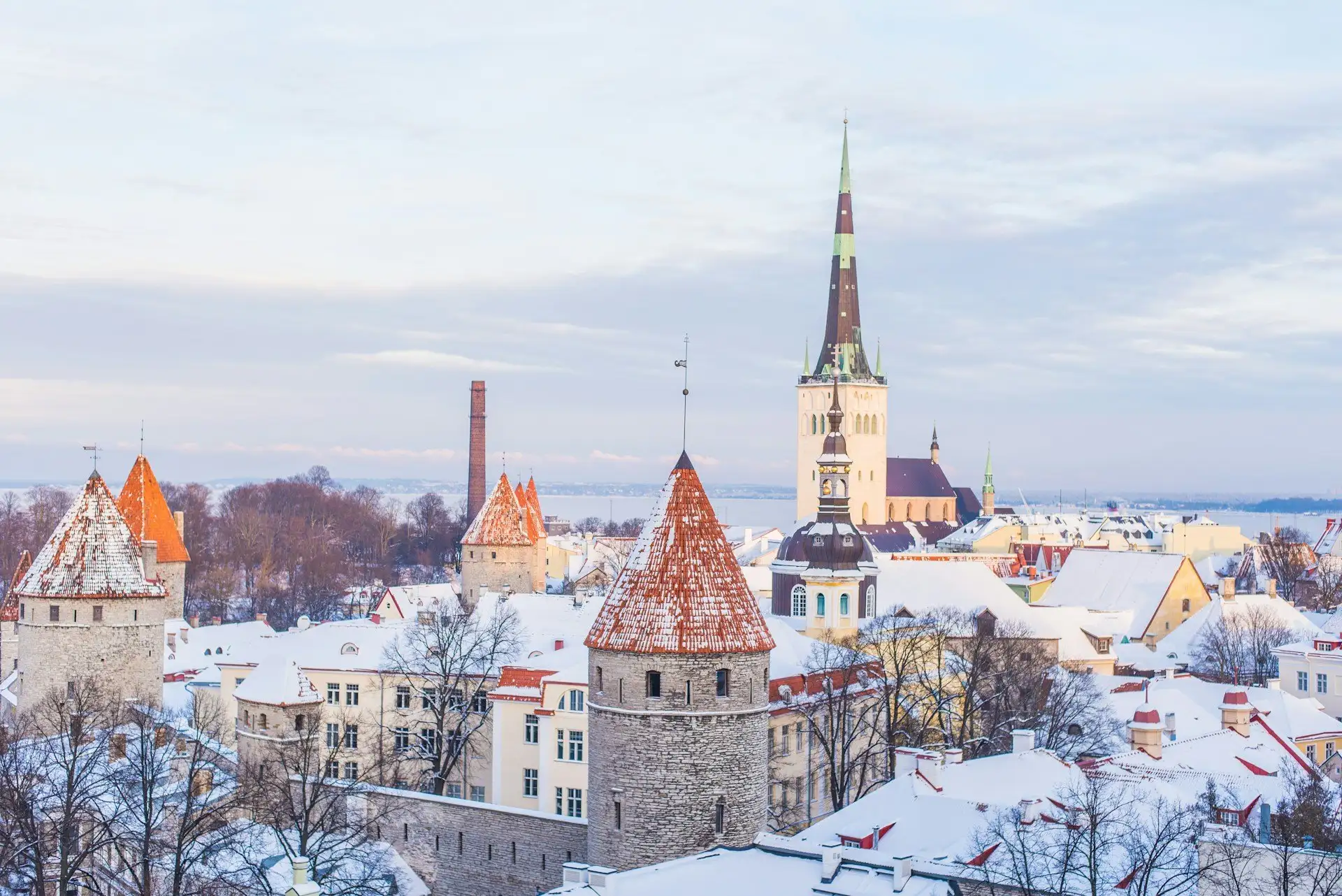
Tallinn's medieval Old Town is one of the best-preserved in Northern Europe — limestone towers, a functioning city wall, the 15th-century Town Hall, and the upper town (Toompea) with cathedral and castle looking down over the lower city. It's genuinely beautiful and it knows it, which is why the tourist infrastructure on the main streets has developed accordingly. The city beyond the Old Town is where Tallinn actually lives: Telliskivi Creative City in a converted factory complex, the Kalamaja wooden house district, the Balti jaam street food market, and Kadriorg park with its baroque palace built by Peter the Great.
- Use Bolt for all taxis — the app was founded here and works perfectly throughout the city
- Check bar bills before paying, especially in groups after a few rounds on the tourist-facing streets
- Don't follow touts into venues — choose your own bar based on visible menus and prices
- The Telliskivi and Kalamaja neighbourhoods have the bars and restaurants locals actually use, and they're a 15-minute walk from the Old Town
- The Lennusadam Seaplane Harbour museum is one of the best maritime museums in Europe and almost never appears on "top things to do" lists
Tartu is Estonia's university city and intellectual capital — a town of 100,000 with a 17th-century university that has shaped Estonian national identity since the 19th century, a river promenade that gets lively in summer, and a culture of coffee shops, independent bookshops, and seasonal festivals that feels completely different from Tallinn's medieval tourist circuit. The Estonian National Museum on the edge of the city is the best museum in Estonia and one of the best in the Baltics. Two hours from Tallinn by bus; worth an overnight.
- Essentially zero tourist scam presence — Tartu operates as a normal city for students and residents
- The AHHAA science centre next to the National Museum is genuinely excellent and interactive enough for adults
- Lux Express buses from Tallinn are comfortable, reliable, and cheap — book online in advance
Pärnu is Estonia's summer capital — a resort town on the Baltic coast two hours south of Tallinn that fills with Finnish and Estonian holidaymakers in July and August for its long sandy beach, spas, and wooden villa architecture from the interwar period. Outside summer it's quiet to the point of sleepy, which is its own kind of appeal. The beach is genuinely good — wide, clean, and backed by pine forest rather than concrete development. The Ammende Villa, a 1905 Art Nouveau mansion now operating as a hotel, is the most beautiful building in the city.
- No meaningful scam presence at any time of year
- In peak July-August, accommodation books out weeks in advance — plan ahead
- The Pärnu Museum covers the city's history as a Hanseatic trading port and is a good wet-weather option
Saaremaa is Estonia's largest island, connected to the mainland by a causeway via Muhu Island, and operates at a pace that makes Pärnu feel hectic. The Kuressaare Episcopal Castle on the southern coast is one of the finest medieval fortifications in the Baltic — intact, stone-vaulted, and jutting into the sea. The island has a meteorite crater lake (Kaali) that is 4,000 years old and surrounded by legend. In summer it's the destination of choice for Estonian families; in winter it's almost entirely deserted and the flat, windswept landscape has a specific grey beauty.
- No scam presence whatsoever
- The island is best explored with a rental car — public transport is limited outside the main Kuressaare route
- Saaremaa juniper gin and local craft beer are the things to drink here; both are made on the island and available at farm shops and the Kuressaare market
Lahemaa is a 70km stretch of Baltic coastline east of Tallinn — pine forests, peat bogs, Soviet-era manor houses repurposed as guesthouses, fishing villages, and a boulder-strewn coastline that extends into the Gulf of Finland. The Palmse manor is the most impressive of the historic estates. The bog walks in Viru raba are accessible from a wooden boardwalk and give a specific experience of Estonian wilderness that most visitors never encounter. An easy day trip from Tallinn but better as an overnight.
- No tourist scam presence of any kind
- Rental car is the only practical way to explore the park properly — the main trails and manor houses are spread across a wide area
- The Viru raba bog trail starts from a car park off the Tallinn-Narva highway and takes about 90 minutes round trip on boardwalks above the peat — go in early morning for the mist
Narva is Estonia's easternmost city, directly on the Russian border with the Narva River between them. The Narva castle faces the Russian Ivangorod fortress across 200 metres of water — a medieval standoff that has been going on for five centuries. The city is 97% Russian-speaking, which gives it a character entirely different from the rest of Estonia. Since 2022 and the war in Ukraine, the Russia border crossing is closed to most nationalities and the city has a different psychological weight than it did. The castle and the old town ruins are worth the three-hour bus from Tallinn for anyone interested in borders, history, and geopolitical edges.
- Low risk for tourists — the city is quiet and does not have a tourist-facing scam industry
- The Russia border is closed to most EU and Western passport holders since 2022 — do not attempt to cross
- Check your government's current advisory for travel to areas near the Russian border before visiting
Before You Go — The Checklist
- ✓ Use Bolt for every taxi journey — it was founded in Tallinn, shows the price before confirmation, and eliminates the overcharging dynamic entirely.
- ✓ Check bar bills before paying, especially in groups — cross-reference every item against what was ordered and query anything that doesn't match.
- ✓ Don't follow anyone into a bar or club you didn't choose yourself — "free entry" and "first drink free" offers lead to venues with no visible prices and very large bills.
- ✓ Pay by card wherever possible — Estonia is nearly cashless, most venues accept cards, and a card transaction creates a record that cash does not.
- ✓ If you're presented with an extortionate bill in a venue and feel you can't leave, call 110 (police) — this is extortion and Estonian authorities treat it as such.
- ✓ Always pay in euros — decline any offer to pay in your home currency at ATMs or card terminals.
- ✓ Walk one street off the main tourist drag for bars, restaurants, and cafés — quality goes up and price goes down almost immediately.