Atlas Guide

Explore the World

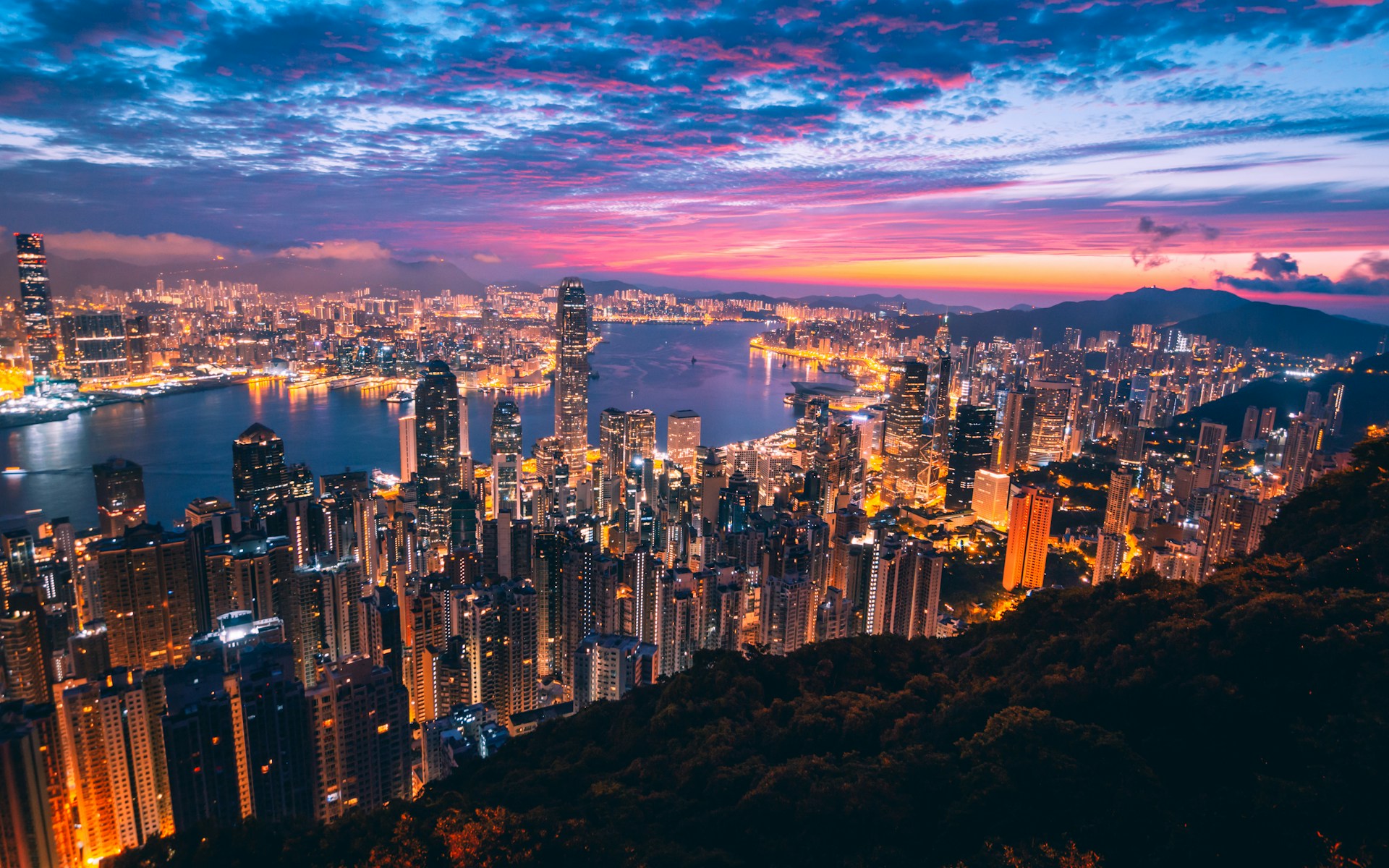
Hong Kong skyline at night with Victoria Harbour and neon-lit skyscrapers
Asia · China SAR

Hong Kong,
Vivid

The world's most electrifying skyline rising from a mountainous harbour, streets that never sleep, a food culture of staggering depth and variety, and a city energy unlike anything else on earth. Hong Kong hits every sense at once — and leaves you wanting more.

🌆 World's Most Dramatic Skyline
🍜 Asia's Greatest Food City
🚇 World's Best Metro System
🏔️ City Surrounded by Jungle
About Hong Kong

Where East Meets West at Full Volume

Hong Kong is one of those cities that resets your understanding of what urban life can be. Seven million people compressed into 1,110 square kilometres, 80% of which is protected country parks and jungle-covered hills — the result is a density of human activity that is simultaneously overwhelming and exhilarating. No other city packs so much into so small a space: the world's most dramatic skyline, one of Asia's greatest food cultures, ancient temples wedged between glass towers, and hiking trails that begin ten minutes from the financial district.

The city divides across Victoria Harbour — Hong Kong Island to the south, with the financial centre of Central, the colonial remnants of Sheung Wan, and the hillside residential neighbourhoods rising steeply behind; and Kowloon to the north, grittier, denser, more local in character, with the night markets of Mong Kok, the golden mile of Nathan Road, and the Temple Street Night Market stretching into the small hours. The Star Ferry between them — a crossing of just eight minutes — is one of the great short journeys of the world.

Beyond the urban core lie the New Territories and the outlying islands — Lantau, with its Big Buddha and Ngong Ping cable car; Lamma, with its seafood restaurants and car-free lanes; Cheung Chau, with its festivals and windsurfers. Hong Kong surprises everyone who looks beyond the skyline: more hiking trails than Switzerland relative to area, some of Asia's finest beaches, and a quieter, greener dimension that most visitors never discover.

🏨 Find Hotels in Hong Kong

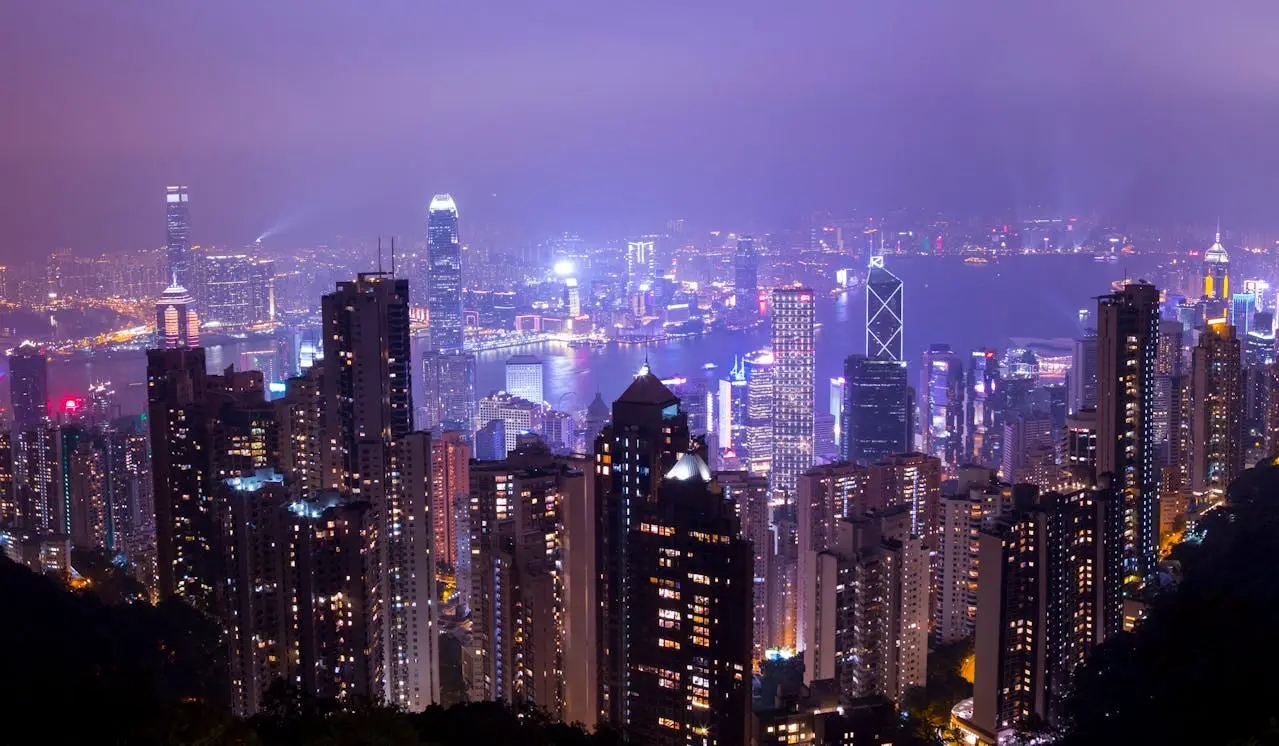
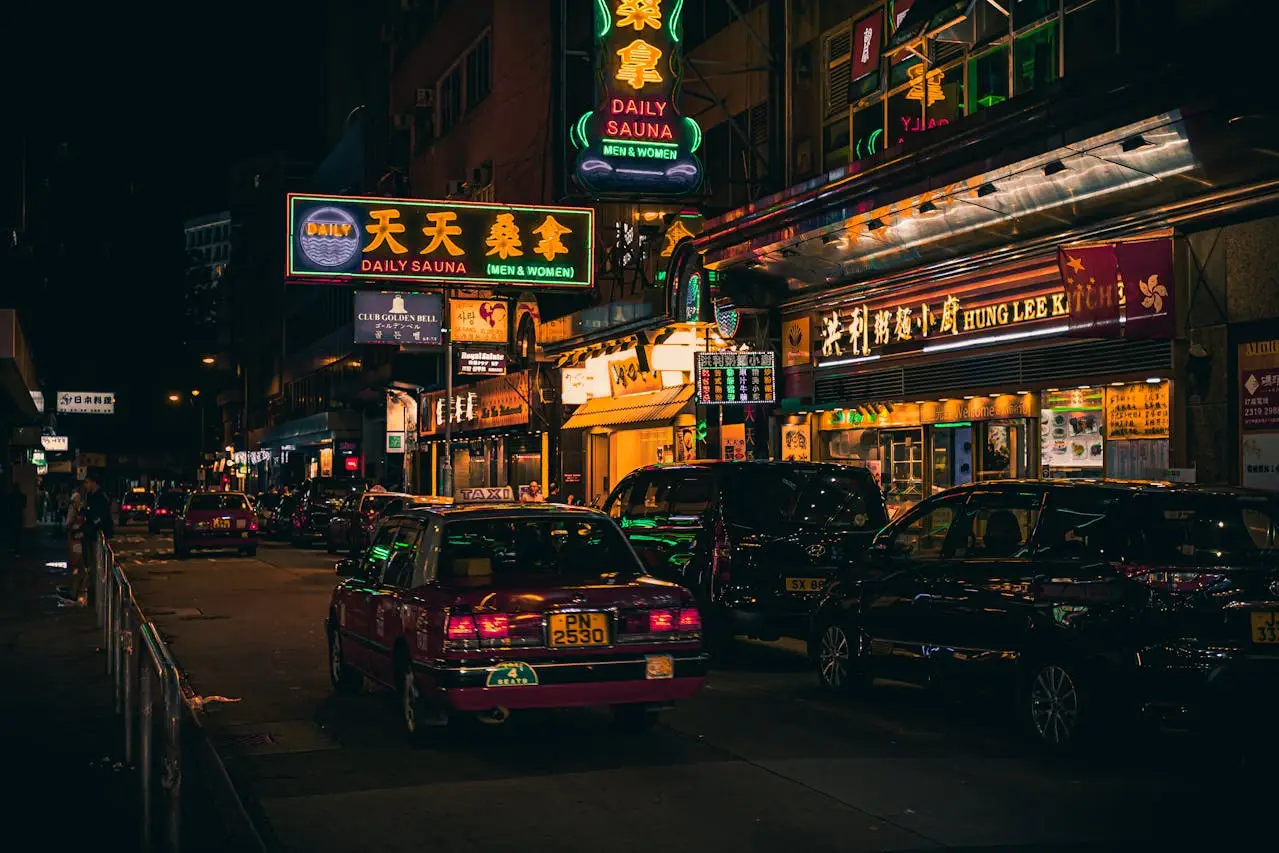
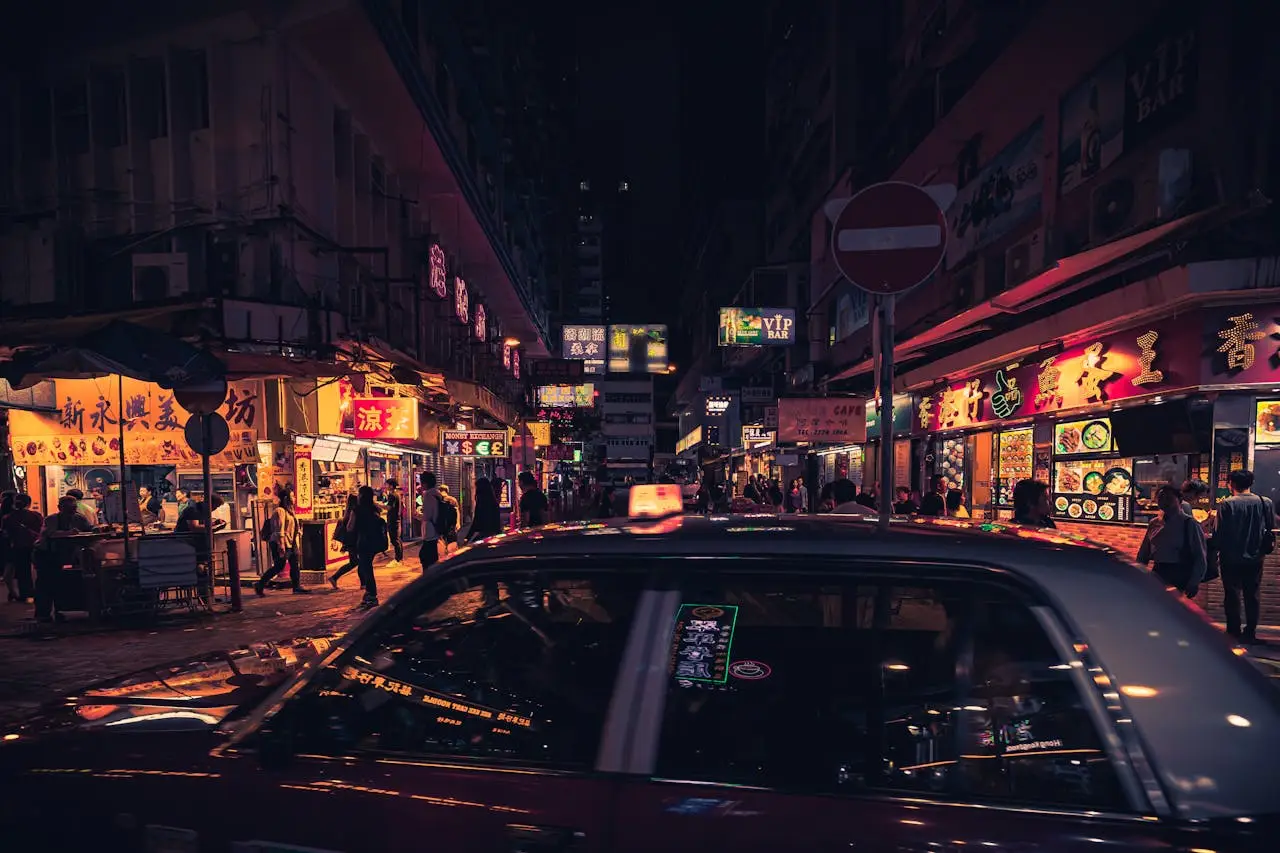
Victoria Harbour panorama with Hong Kong Island skyline reflected at dusk Neon-lit street in Mong Kok with signs in Chinese and English
7,800+
Restaurants in the City
Must-See

Top Attractions in Hong Kong

From the peak above the world's most dramatic harbour to ancient hilltop temples, neon-soaked night markets, and a giant Buddha on a misty island — Hong Kong delivers relentlessly.

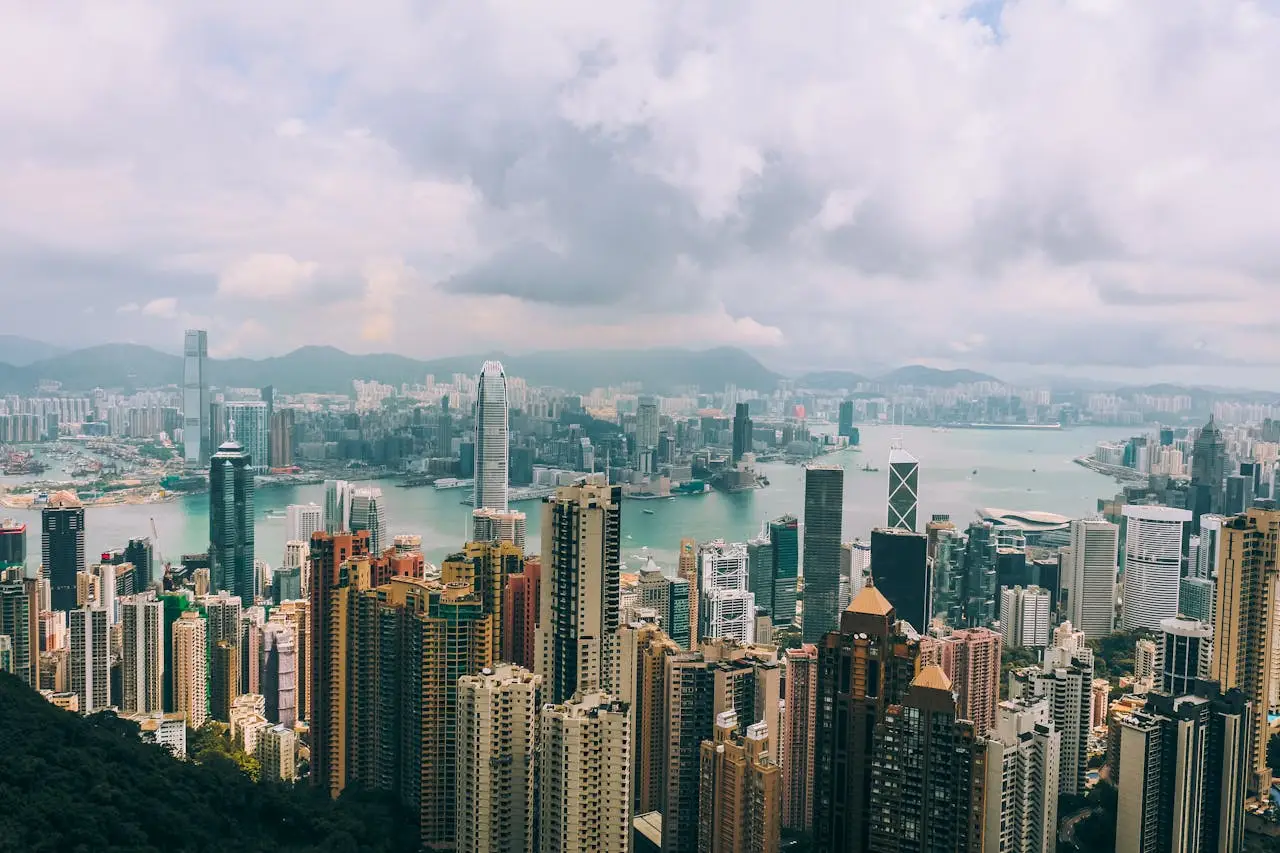
View from Victoria Peak over Hong Kong skyline and harbour on a clear day
🏔️ Iconic Viewpoint

Victoria Peak

The 552-metre summit above Central offers one of the world's most celebrated views — the entire Hong Kong skyline laid out below, Victoria Harbour shimmering between the towers, Kowloon and the New Territories stretching beyond. The Peak Tram funicular railway (operating since 1888) is the classic way to ascend — buy tickets online to avoid the queues, which can be over an hour in peak season. Go at dusk to catch the city in both daylight and after the Symphony of Lights laser show begins at 8pm. The free Lion's Pavilion lookout on the walking path is better than the paid Sky Terrace.

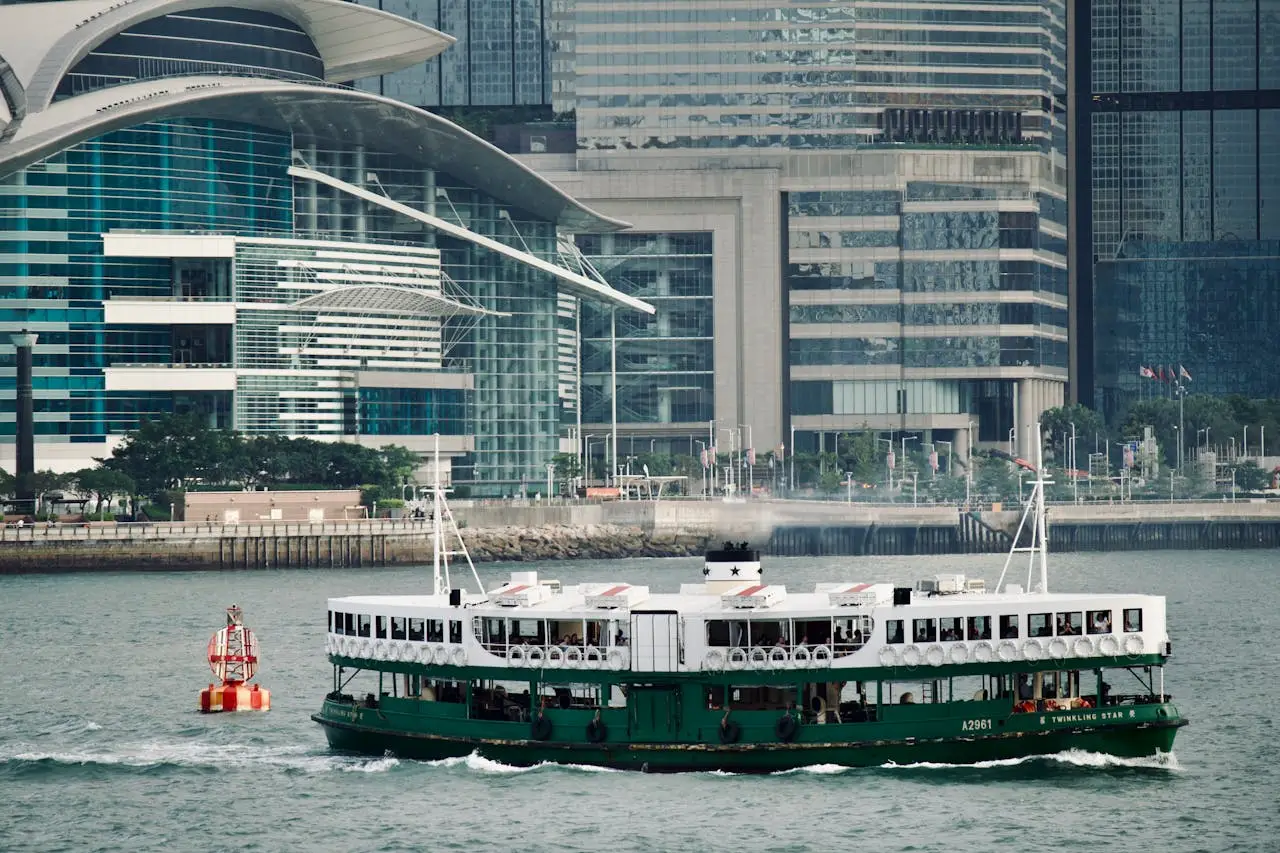
Green and white Star Ferry crossing Victoria Harbour with skyline backdrop
⛴️ Iconic Crossing

Star Ferry

For HK$3.40 (about 40 euro cents), the Star Ferry offers what may be the world's greatest value sightseeing experience — an eight-minute crossing of Victoria Harbour on a century-old green-and-white double-decker ferry, with the full Hong Kong Island skyline ahead and Kowloon behind. Operating since 1888, it is one of Hong Kong's most enduring icons. Cross in both directions, sit on the upper deck at the front, and go at night when the skyline is lit. The piers at both Central and Tsim Sha Tsui are beautiful in their own right.

Temple Street Night Market Kowloon with food stalls and crowds under neon signs
🌙 Night Market

Temple Street Night Market

Hong Kong's most atmospheric night market — a kilometre of stalls in Yau Ma Tei selling everything from electronics and knock-off watches to jade jewellery, street food, and paper offerings. Fortune tellers set up between the stalls, Cantonese opera performers sing from improvised stages, and the smell of grilled squid and stinky tofu hangs over everything. It opens around 4pm and reaches peak energy from 8pm to midnight. Free to browse; eat at the outdoor dai pai dong food stalls for the full experience.

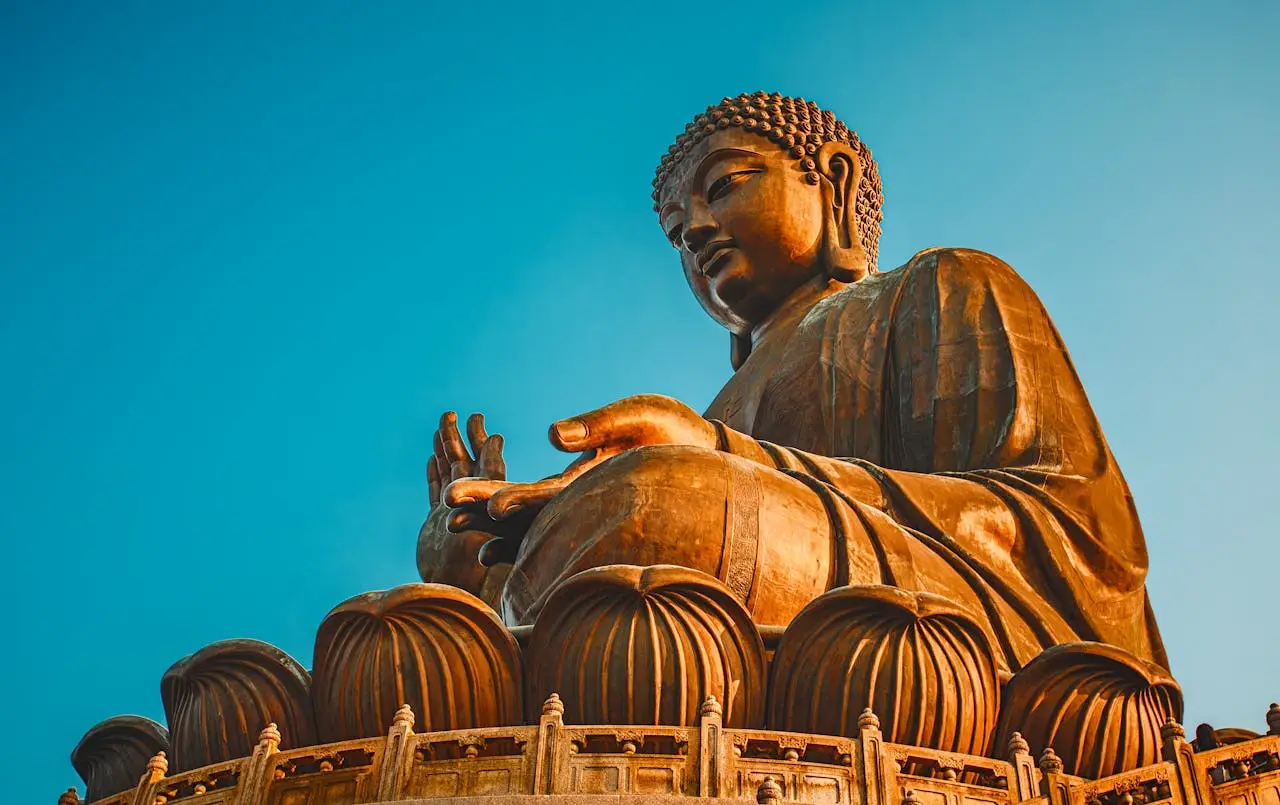
Tian Tan Big Buddha on Lantau Island emerging from morning mist
🙏 Island Pilgrimage

Big Buddha & Lantau Island

The 34-metre Tian Tan Buddha sits atop Ngong Ping plateau on Lantau Island, reached by the spectacular Ngong Ping 360 cable car (25 minutes from Tung Chung MTR, with glass-floor cabins available). The adjacent Po Lin Monastery is one of Hong Kong's most important Buddhist sites and serves excellent vegetarian lunches. Lantau itself is Hong Kong's largest island — home to Disneyland, the airport, beautiful Mui Wo fishing village, and some of the city's finest hiking trails along the Lantau Trail. A full day out from the urban centre.

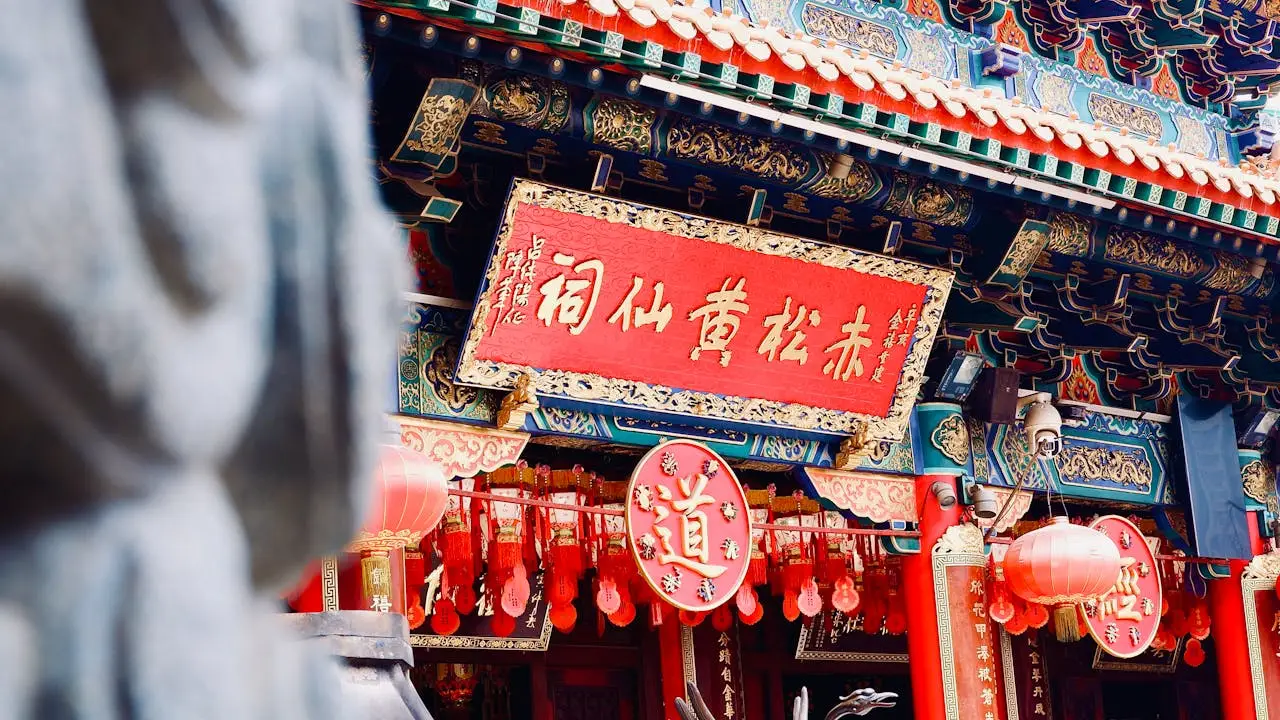
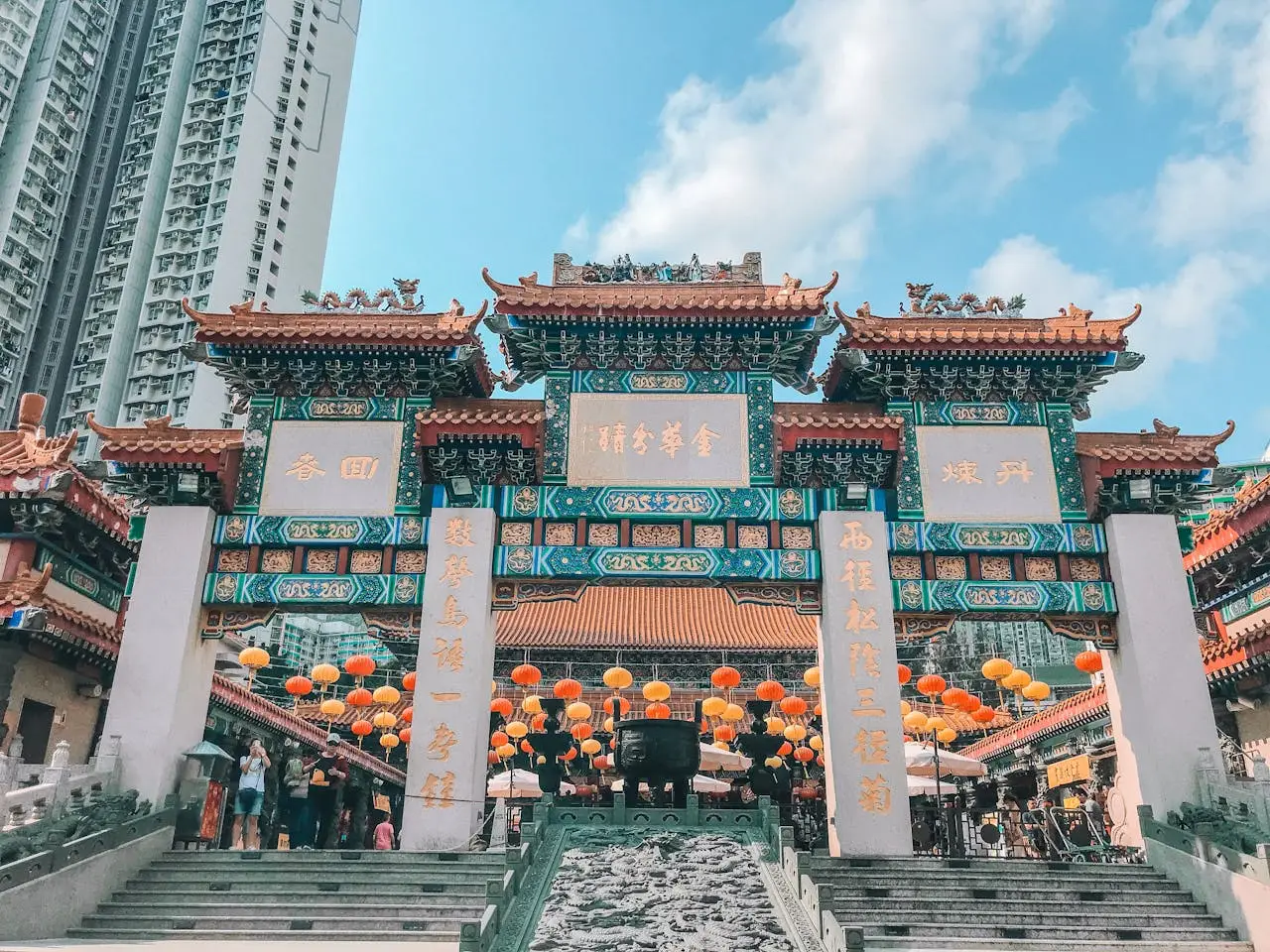
Wong Tai Sin Temple colourful altar with incense smoke and worshippers
🏮 Living Temple

Wong Tai Sin Temple

The most vibrant and actively worshipped temple in Hong Kong — a large Taoist-Buddhist complex in Kowloon where thousands of worshippers come daily to shake kau cim fortune sticks, make offerings, and consult the resident fortune tellers. The incense smoke is thick, the colours are extraordinary, and the atmosphere is utterly genuine — this is a working religious site, not a tourist attraction, and that distinction makes it one of the most memorable places in the city. Free entry. Take the MTR directly to Wong Tai Sin station.

Mong Kok street scene with dense crowds, market stalls and towering signs
🌆 Urban Intensity

Mong Kok

The most densely populated urban district on earth — a relentless assault of markets, restaurants, electronics shops, bubble tea stalls, and humanity in motion. The Ladies' Market on Tung Choi Street, the Goldfish Market, the Flower Market, and the Bird Garden all operate within a few blocks of each other. Mong Kok is where Hong Kong's working-class local culture is most visible and most alive — come hungry, wear comfortable shoes, and surrender to the energy. Best experienced on a weekend afternoon and evening.

Where to Stay & Explore

Hong Kong's Best Districts

Hong Kong is divided by its harbour into two very different urban experiences. Understanding the districts on each side — and the islands beyond — determines what kind of trip you have.

🏦
Central & Admiralty — Financial Core

Hong Kong Island's financial heart — glass towers, the Peak Tram terminal, the Mid-Levels escalator (the world's longest outdoor covered escalator), and some of the city's best bars and restaurants in Lan Kwai Fong and SoHo. The most expensive area to stay but unbeatable for convenience. The Sheung Wan neighbourhood immediately west has more character, excellent antique shops on Cat Street, and the atmospheric Man Mo Temple.

🍜
Wan Chai & Causeway Bay — Local Pulse

The most local and liveable stretch of Hong Kong Island — markets, hawker stalls, the enormous Times Square shopping mall, the Hong Kong Convention Centre, and some of the city's best traditional dai pai dong restaurants. Causeway Bay's Victoria Park is the site of the annual Lunar New Year flower market. A good base that balances local character with tourist convenience. Cheaper hotels than Central with equally good MTR access.

🎨
Sai Ying Pun & Kennedy Town — Hip West

Hong Kong Island's most fashionable emerging district — independent cafés, natural wine bars, concept restaurants, and a young local-expat crowd that has colonised the western end of the island. The University MTR station connects to the rest of the city easily. Kennedy Town has a relaxed village-within-the-city atmosphere and some of Hong Kong's best neighbourhood restaurants. The praya (waterfront) at Kennedy Town is excellent for an evening walk.

🌟
Tsim Sha Tsui — The Classic Kowloon Base

The tourist heart of Kowloon — the Avenue of Stars along the Tsim Sha Tsui waterfront, the best view of the Hong Kong Island skyline from the promenade, the Hong Kong Museum of Art, the Peninsula Hotel (the most famous in the city), and direct access to the Star Ferry. Nathan Road is the main shopping artery. A very good base for first-time visitors — well-connected, central, and with a wider range of hotel prices than Central on the island side.

🏮
Yau Ma Tei & Mong Kok — Real Kowloon

The most authentically local part of Kowloon — Temple Street Night Market, the Jade Market, the most densely packed streets in the world, and an energy that never fully switches off. Good budget and mid-range hotel options. Less polished than TST but far more character. The MTR Red Line connects both to the rest of the network in minutes. The best area for street food and market browsing.

🌿
Outlying Islands — The Other Hong Kong

Lantau (Big Buddha, Disney, hiking), Lamma (seafood restaurants, no cars, laid-back villages), Cheung Chau (traditional fishing village, famous bread and fish balls, windsurf beach), and Peng Chau — all reachable by regular ferry from Central Pier. A half-day or full-day trip to any of them reveals a completely different Hong Kong that most visitors never see. Lamma for lunch and Lantau for the Buddha are the two most popular combinations.

Eat & Drink

What to Eat in Hong Kong

Hong Kong's food culture is one of the greatest on earth — a city obsessed with eating at every hour of the day and night, where a humble noodle shop and a three-Michelin-star restaurant are equally serious about their craft.

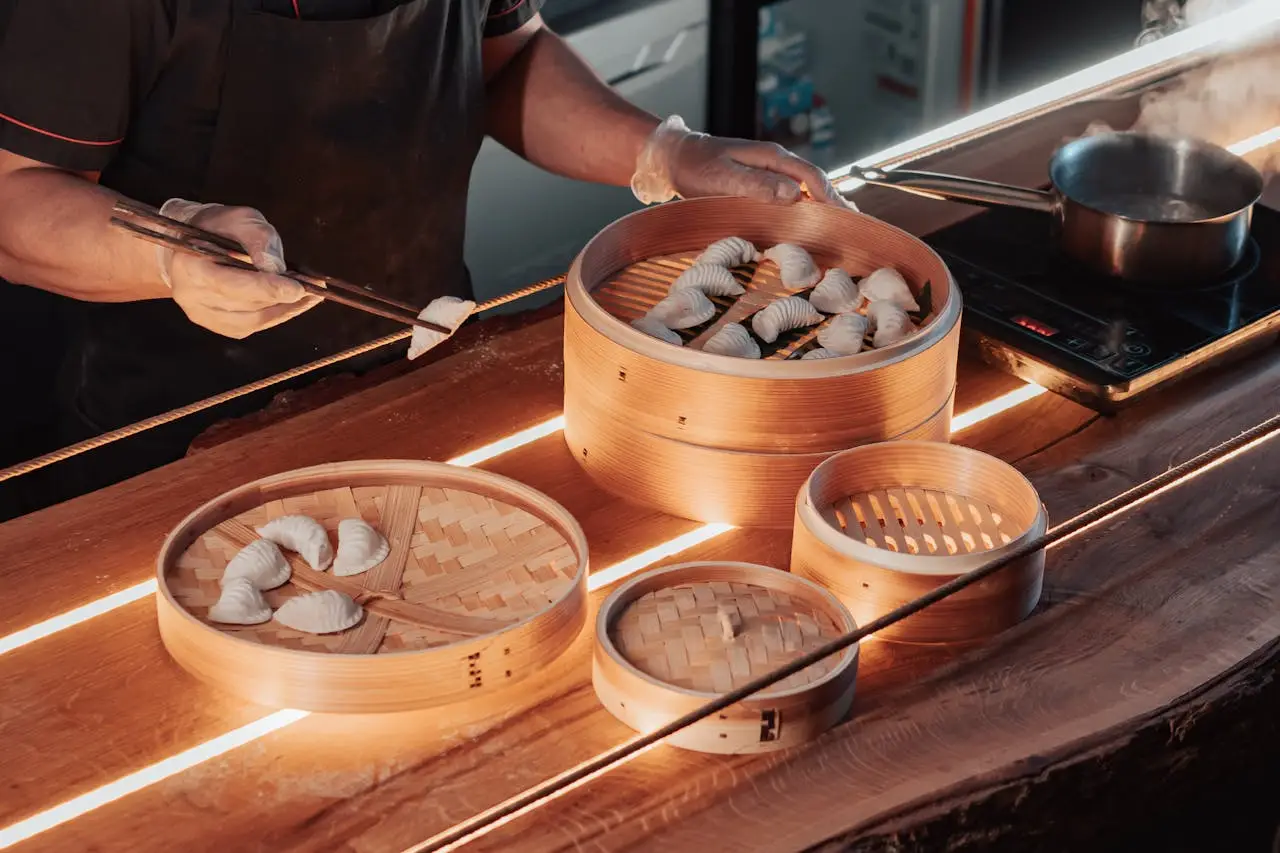
Bamboo steamer baskets of har gow and siu mai dim sum with tea
🍵 Essential Experience

Dim Sum & Yum Cha

Dim sum — the Cantonese tradition of small steamed, baked, and fried dishes served alongside Chinese tea (yum cha, literally "drink tea") — is Hong Kong's most important food ritual and one of the world's great eating experiences. Order har gow (crystal prawn dumplings), siu mai (pork and prawn dumplings), char siu bao (barbecue pork buns), cheung fun (steamed rice noodle rolls), lo mai gai (sticky rice in lotus leaf), and egg tarts. Go for breakfast or brunch — the city's dim sum restaurants are busiest and best from 8am to noon on weekends. Tim Ho Wan (one Michelin star, extremely affordable) and Luk Yu Tea House (unchanged since the 1930s) are the legendary addresses.

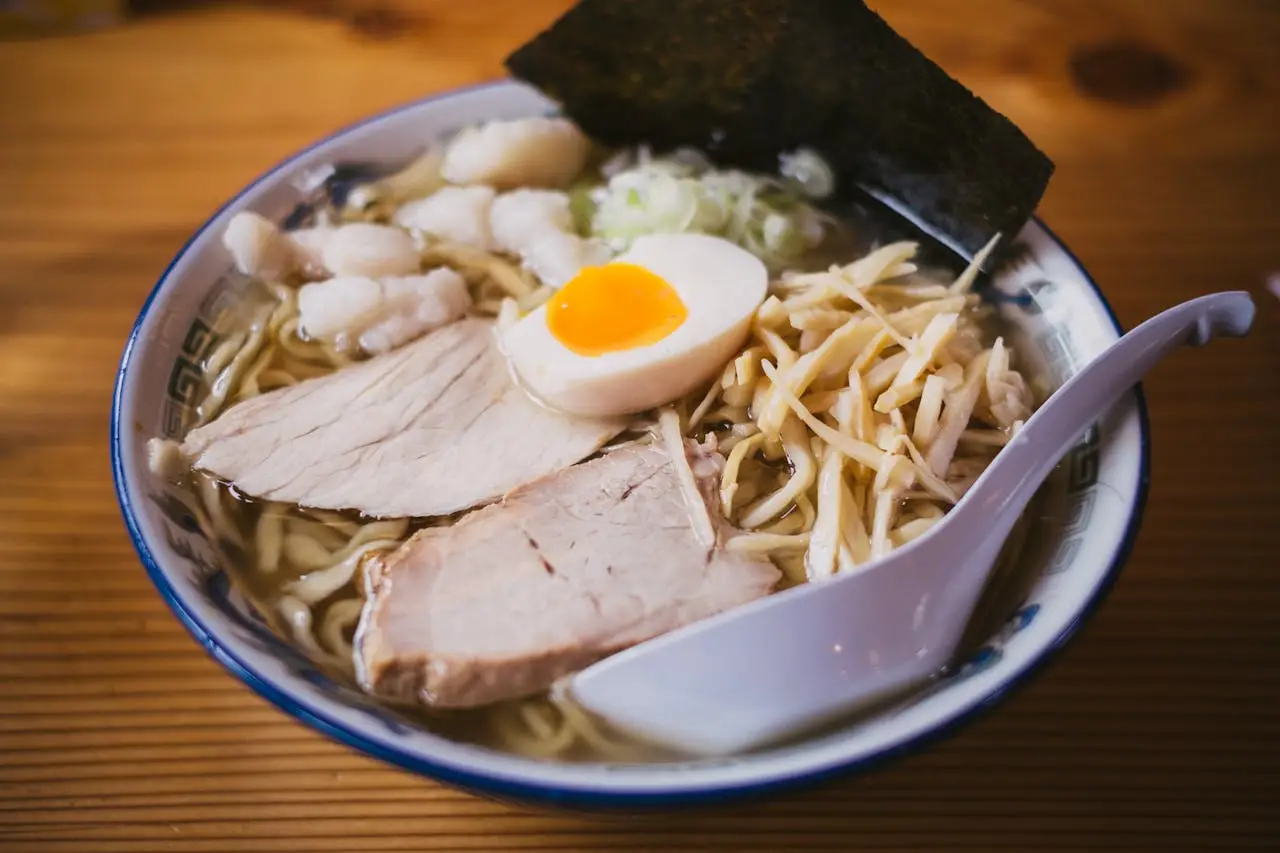
Hong Kong wonton noodle soup in clear broth with prawns
🍜 Soul Food

Wonton Noodle Soup

Hong Kong's wonton noodle soup is one of the most refined and obsessed-over dishes in Chinese cuisine — thin egg noodles with a firm bite (the texture comes from the alkaline water), plump wontons filled with whole prawns and pork in a clear broth made from dried flounder, shrimp roe, and pork bones. Proper practitioners spend years perfecting their broth. Mak's Noodle in Central has served essentially the same bowl since 1968. A full bowl costs HK$50–80 and is deeply, completely satisfying.

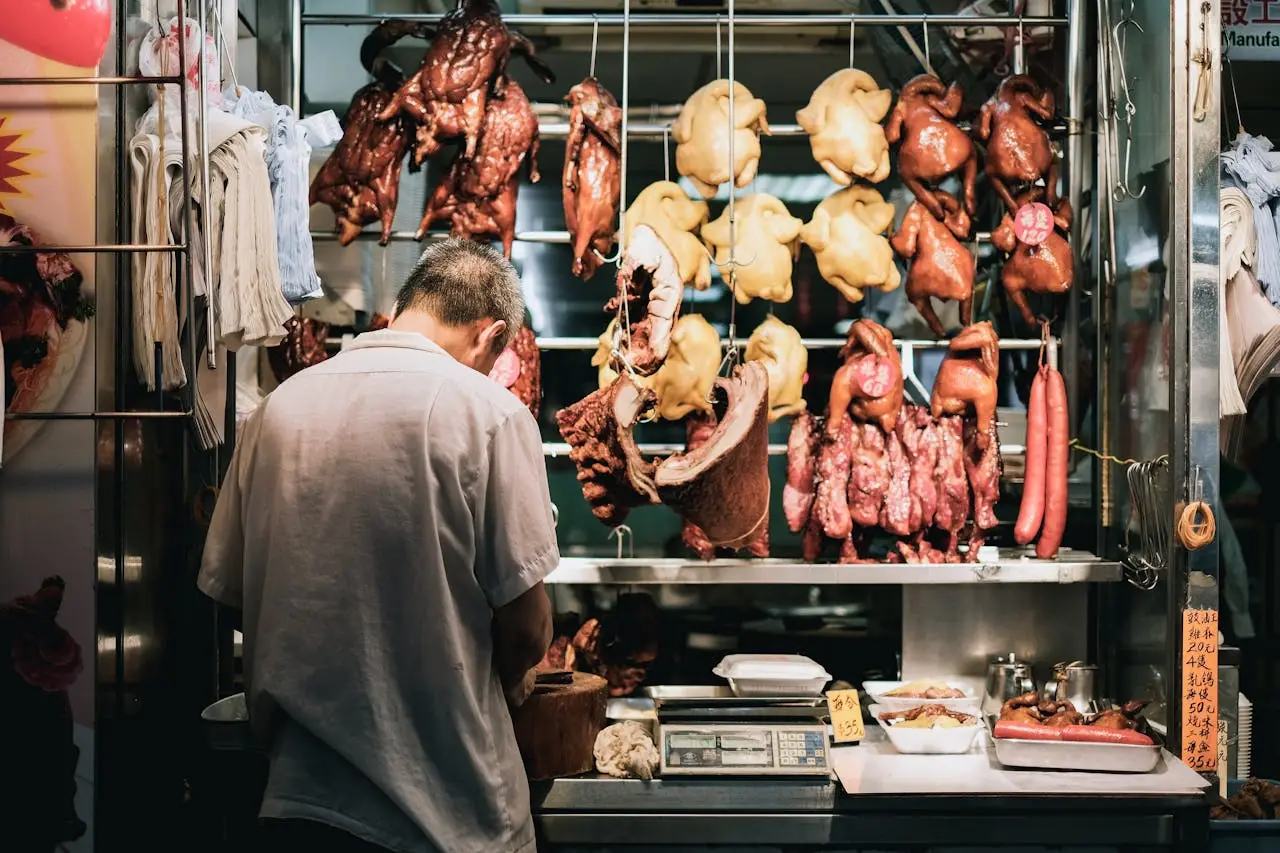
Cantonese roast duck and char siu pork hanging in a Hong Kong shop window
🦆 Cantonese Classic

Cantonese Roast Meats

The lacquered ducks, glistening char siu (honey-glazed barbecue pork), and crispy-skinned siu yuk (roast pork) hanging in roast meat shop windows are one of Hong Kong's most iconic sights. Order a plate of mixed roast meats over steamed white rice (siu mei fan) at any traditional roast meat shop for HK$50–80 — it is one of the city's greatest cheap meals. Yung Kee in Central (open since 1942) and Joy Hing in Wan Chai are beloved institutions. The roast goose at Yung Kee is legendary.

Hong Kong cha chaan teng cafe with milk tea and pineapple bun
☕ Hong Kong Institution

Cha Chaan Teng

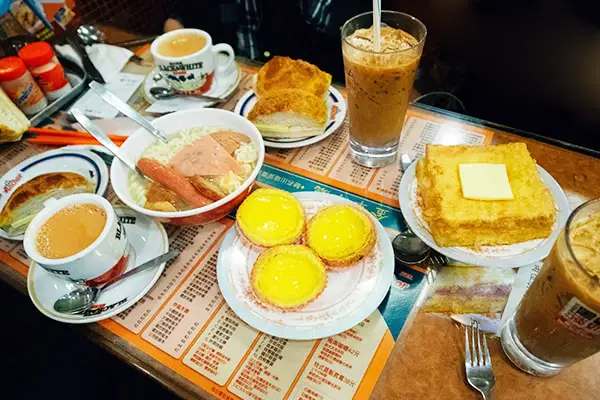
The cha chaan teng — Hong Kong café — is one of the city's most distinctive institutions: a uniquely local hybrid born of Western-influenced menus, Cantonese sensibility, and extraordinary speed. Order a Hong Kong milk tea (the world's best, made with evaporated milk and brewed through a silk stocking filter), a pineapple bun (bolo bao — no actual pineapple, just a crunchy-topped sweet bun) with a thick slab of cold butter, and a plate of satay beef instant noodles. Luncheonette-style, fast, cheap, and completely irreplaceable. Look for the plastic stools, laminated menus, and condensation running down the windows.

Plan Your Trip

When to Visit Hong Kong

Hong Kong's subtropical climate means timing your visit correctly makes an enormous difference. The difference between October and July is the difference between paradise and a sauna.

Jan
Feb
Mar
Apr
May
Jun
Jul
Aug
Sep
Oct
Nov
Dec
Best Time to Visit Good — Warmer or Mistier Acceptable with Caveats Typhoon Season — Avoid
🍂
Autumn (Oct – Dec) — The Best

October to December is Hong Kong at its finest — typhoon season is over, humidity drops dramatically, temperatures are ideal (18–26°C), and the sky is often crystal clear for Victoria Peak views. The city's biggest cultural events cluster in this window: the Hong Kong International Film Festival, Art Basel Hong Kong, and the spectacular Chinese New Year preparations in late January or February. Peak hotel prices but absolutely worth it.

🌸
Spring (Mar – Apr) — Good Alternative

March and April are warm (20–25°C) and relatively uncrowded — a good second choice if autumn flights are too expensive. The sky can be misty (the local phenomenon known as "wet season haze" affects visibility for Peak views), and humidity begins to rise in April. Lunar New Year falls in January or February and transforms the city with decorations, flower markets, and spectacular fireworks over the harbour.

🌀
Typhoon Season (Jun – Sep) — Avoid

June to September is typhoon season — Hong Kong can be hit by multiple major storms during this period, which can disrupt transport, close attractions, and confine you to your hotel for days at a time. Even without typhoons, the heat (32–35°C) and humidity (85–95%) make outdoor activities genuinely miserable. Hotel prices drop but the savings rarely justify the experience. Only recommended if you have no flexibility on dates.

🧧
Lunar New Year — Spectacular but Plan Ahead

Lunar New Year (January or February, dates shift annually) is Hong Kong's most important festival and one of the most spectacular times to visit — the Tsim Sha Tsui flower market, the harbour fireworks, lion dances in every neighbourhood, and the extraordinary energy of the city in celebration. However: many restaurants and shops close for several days, transport is packed, and hotels are expensive. Book everything months in advance if visiting at this time.

Insider Knowledge

Hong Kong Travel Tips

What experienced Hong Kong visitors know — practical wisdom that separates a great trip from a memorable one.

🐙
Get an Octopus Card on Arrival

The Octopus card (HK$150 at any MTR station — HK$50 refundable deposit plus HK$100 credit) is Hong Kong's contactless payment miracle. Use it on the MTR, buses, trams, the Peak Tram, the Star Ferry, the Airport Express, ferries to the outlying islands, and in 7-Eleven, McDonald's, and hundreds of other shops. Without one, you're paying cash for every journey and slowing everyone behind you at the turnstile. Get it from the airport MTR station before you even reach the city.

🚋
Ride the Tram — It's the Best HK$3 You'll Spend

Hong Kong Island's double-decker trams ("ding dings") run the full length of the northern shore from Kennedy Town to Shau Kei Wan for a flat HK$3 fare — one of the great urban transport bargains in the world. Sit on the top deck at the front, and the tram becomes a slow-moving sightseeing tour through Central, Wan Chai, Causeway Bay, and beyond. They're slower than the MTR but infinitely more atmospheric. Pay with Octopus card when you exit.

🌅
The Peak on a Clear Autumn Morning

Victoria Peak is transcendent on a clear autumn day — but the view is completely obscured on misty or hazy days. Check the Hong Kong Observatory forecast for visibility before making the trip, and go early morning rather than evening for the clearest skies (sea breezes clear haze during the day). The free Lion's Pavilion on the walking loop gives a better, less commercial view than the paid Sky Terrace 428 at the Peak Tower. Buy Peak Tram tickets online — the queues without them can be 60–90 minutes.

🍱
Eat at Lunch Prices, Not Dinner Prices

Hong Kong restaurants charge significantly different prices for lunch versus dinner — including at some Michelin-starred restaurants that offer set lunches for a fraction of their evening prices. Tim Ho Wan's cheapest dim sum is available all day and costs HK$28–42 per dish. A roast meat plate lunch at a local shop is HK$50–80. An egg tart from a dai pai dong is HK$6. You can eat extraordinarily well in Hong Kong for under HK$200 per day if you eat where locals eat and go at lunch time.

🥾
Hong Kong's Hiking Is World-Class

Over 70% of Hong Kong's land area is protected country park — and the hiking trails begin minutes from the urban core. The Dragon's Back ridge trail on Hong Kong Island is regularly voted one of Asia's best urban hikes (trailhead from Shek O Road, 8.5km, moderate difficulty). The Lantau Trail on Lantau Island passes through stunning mountain scenery. The MacLehose Trail in the New Territories is a 100km long-distance route. All trails are free, well-marked, and accessible by public transport. Bring water — the heat and humidity are serious.

📱
VPN and Internet Access

Unlike mainland China, Hong Kong has its own internet infrastructure with no content blocking — Google, Facebook, Instagram, WhatsApp, and all Western services work normally without a VPN. However, if you're planning to cross into Shenzhen or mainland China during your trip, install a VPN before you travel (they cannot be downloaded from within China). Hong Kong SIM cards and eSIMs are available at the airport and provide excellent 5G coverage. Local SIM cards do not automatically work in mainland China — buy a separate mainland SIM if needed.

Need to Know

Practical Information

Everything you need to navigate Hong Kong smoothly — from airport to Octopus card to knowing which side of the escalator to stand on.

✈️
Getting There
  • Hong Kong International Airport (HKG) — on Lantau Island; one of Asia's busiest hubs
  • Airport Express MTR — 24 minutes to Central, HK$115; runs every 10 min, 5:50am–1:15am
  • Buy Octopus card at the airport MTR station immediately on arrival
  • Airport bus (A routes) — slower but cheaper; covers more areas including Kowloon for HK$33
  • Taxi to Kowloon ~HK$300; to Hong Kong Island ~HK$390 (plus tunnel toll)
🚇
Getting Around
  • MTR — world-class metro; fast, clean, punctual; use Octopus card for discounted fares
  • Tram (ding ding) — HK$3 flat fare on Hong Kong Island's north shore; iconic experience
  • Star Ferry — HK$3.40 Central–Tsim Sha Tsui; HK$2.70 Wan Chai–Hung Hom
  • Bus — comprehensive network covering areas without MTR; Octopus card accepted
  • Taxi — red (urban), green (New Territories), blue (Lantau); metered, reliable, English receipts
💰
Money & Budget
  • Currency: Hong Kong Dollar (HKD); 1 USD ≈ 7.78 HKD (fixed peg)
  • Budget: HK$400–600/day (hostel, local eateries, public transport)
  • Mid-range: HK$1,200–2,000/day (3–4 star hotel, restaurant meals, attractions)
  • No sales tax or VAT in Hong Kong — prices are genuinely what you pay
  • Tipping is not standard at local restaurants; 10% service charge added at hotel restaurants
📶
Connectivity
  • Excellent 5G coverage throughout Hong Kong — one of the world's best-connected cities
  • No internet censorship — all services work freely (unlike mainland China)
  • SIM cards available at airport: 3HK, SmarTone, China Mobile HK; 8-day tourist SIMs from HK$68
  • Airalo eSIM works well — buy before travel for instant connectivity on landing
  • Free Wi-Fi at MTR stations, most cafés, and the GovWiFi public network
🏥
Health & Safety
  • Hong Kong is very safe — low violent crime, minimal street harassment
  • Emergency services: 999 (Police/Fire/Ambulance)
  • Public hospitals are excellent; private hospital care is world-class but expensive
  • Travel insurance strongly recommended — especially for medical evacuation cover
  • Typhoon warnings (T8 or above) mean all public transport stops — monitor the HK Observatory app
📋
Entry Requirements
  • Visa-free entry for 160+ nationalities — separate from mainland China visa policy
  • UK citizens: 180 days visa-free; EU, US, Canada, Australia: 90 days
  • Passport must be valid for at least 1 month beyond planned departure date
  • No visa required for the vast majority of international visitors
  • Crossing to mainland China requires a separate China visa — apply before travel
Trusted Partners

Book Your Hong Kong Trip

Everything you need to plan and book your Hong Kong visit in one place.

Common Questions

Hong Kong FAQ

The questions every Hong Kong-bound traveller asks — answered honestly.

October to December is the best time to visit Hong Kong by a significant margin. The typhoon season has ended, humidity drops, temperatures are perfect (18–26°C), and the sky is often brilliantly clear for Victoria Peak views. November is arguably the finest month — cool, clear, and not yet at peak Christmas hotel prices. March and April are a reasonable second choice. Avoid June to September unless you have no flexibility — typhoons, extreme heat, and oppressive humidity make it a genuinely unpleasant time to be outdoors.
Most international visitors do not need a visa for Hong Kong — citizens of over 160 countries can enter visa-free for between 30 and 180 days. UK citizens get 180 days; US, Canadian, Australian, and EU citizens get 90 days. Hong Kong has its own immigration policy entirely separate from mainland China — a China visa does not cover Hong Kong and vice versa. Check the Hong Kong Immigration Department website for your specific nationality's allowance.
Hong Kong is one of the safest cities in Asia for tourists. Violent crime is very rare, and the streets are busy and well-lit at virtually all hours. The main risks are petty theft in crowded markets and tourist areas. The MTR is safe at all hours. Walking alone at night in most parts of the city is perfectly normal. Exercise the same common-sense awareness you would in any major city and you are extremely unlikely to encounter any problems.
The Airport Express MTR is the best option for most visitors — 24 minutes to Central, HK$115, running every 10 minutes from 5:50am to 1:15am. Get your Octopus card at the airport station before boarding (it works on the Airport Express too). If you're staying in Kowloon, the Airport Express stops at Tsing Yi and Kowloon stations before Central. For budget travellers, the A21 bus to Tsim Sha Tsui costs HK$33 and takes about 50 minutes. Avoid taxis from the airport — they are legitimate but significantly more expensive.
Yes — Shenzhen is directly across the border and reachable in under an hour by MTR from Tsim Sha Tsui (take the East Rail Line to Lo Wu or Lok Ma Chau border crossings). However, you need a valid China visa to enter — this is a separate immigration system from Hong Kong and must be arranged before your trip. Shenzhen makes an interesting half-day trip for its density, street food, electronics markets, and sheer contrast with Hong Kong. For further travel into China (Guangzhou, Beijing, Shanghai), book high-speed trains from West Kowloon station.
Hong Kong has extraordinary free experiences: the Symphony of Lights laser show nightly at 8pm from the Tsim Sha Tsui waterfront (free); Wong Tai Sin Temple (free entry); browsing Temple Street Night Market and Mong Kok markets; riding the tram end-to-end on Hong Kong Island (HK$3); taking the Star Ferry (HK$3.40); hiking the Dragon's Back trail; exploring the streets of Sheung Wan and Sham Shui Po; and watching the planes land at Kai Tak Memorial Park. Hong Kong rewards walkers generously.
Keep Exploring

More Popular Destinations

Loved Hong Kong? These cities are equally unmissable.