Atlas Guide

Explore the World

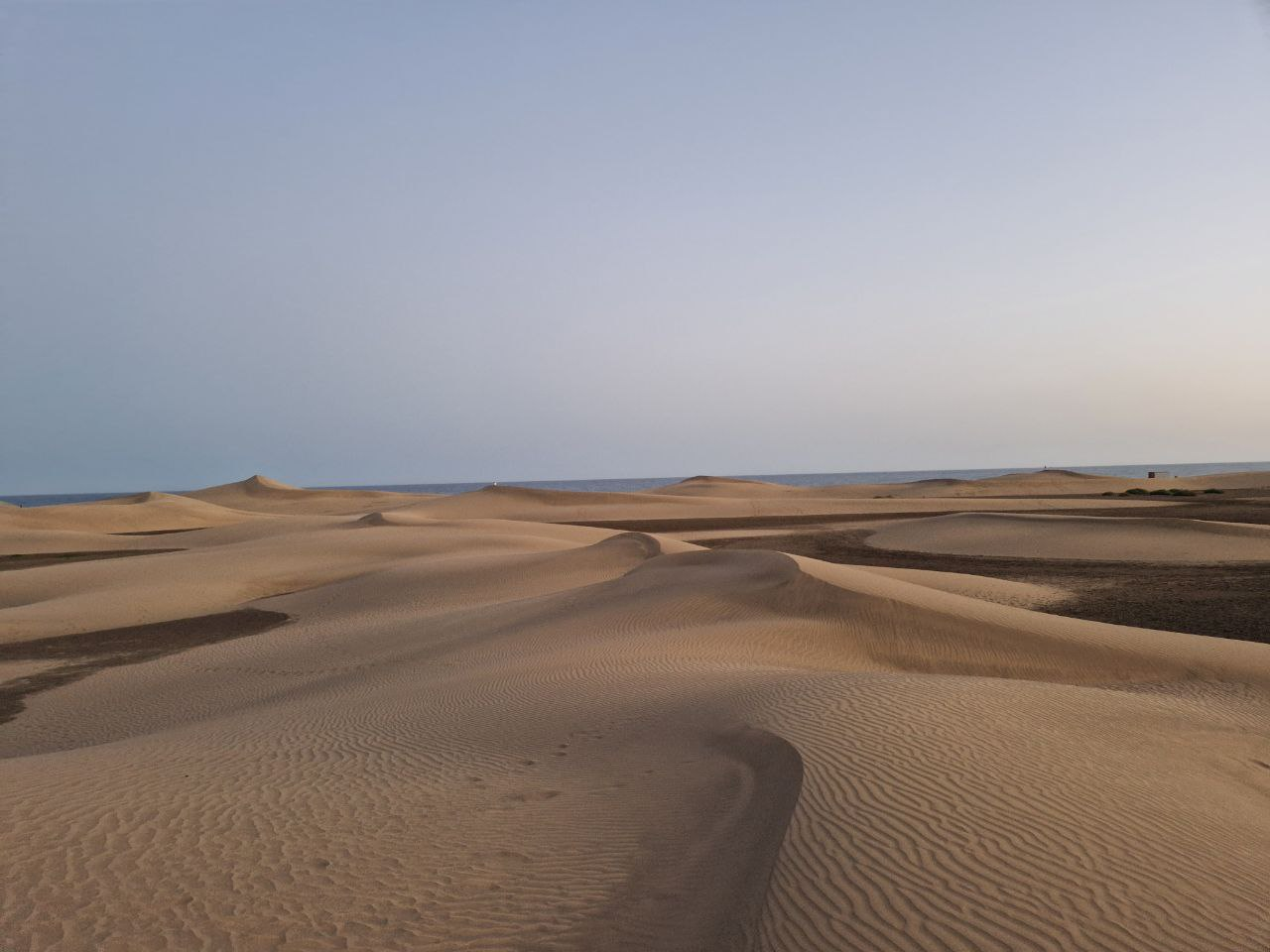
Maspalomas golden sand dunes meeting the Atlantic Ocean in Gran Canaria at sunset
Atlantic · Spain

Gran Canaria,
Eternal Spring

A continent compressed into 1,560 square kilometres — Saharan dunes, volcanic peaks, lush ravines, colonial cities, and 60 kilometres of Atlantic beaches, all bathed in 300 days of sunshine a year. No wonder they call it the island of eternal spring.

🌅 300 Days of Sunshine
🏜️ Saharan Dunes at Maspalomas
🏔️ Volcanic Mountains & Pine Forests
🏖️ 60km of Atlantic Beaches
About Gran Canaria

A Continent in Miniature

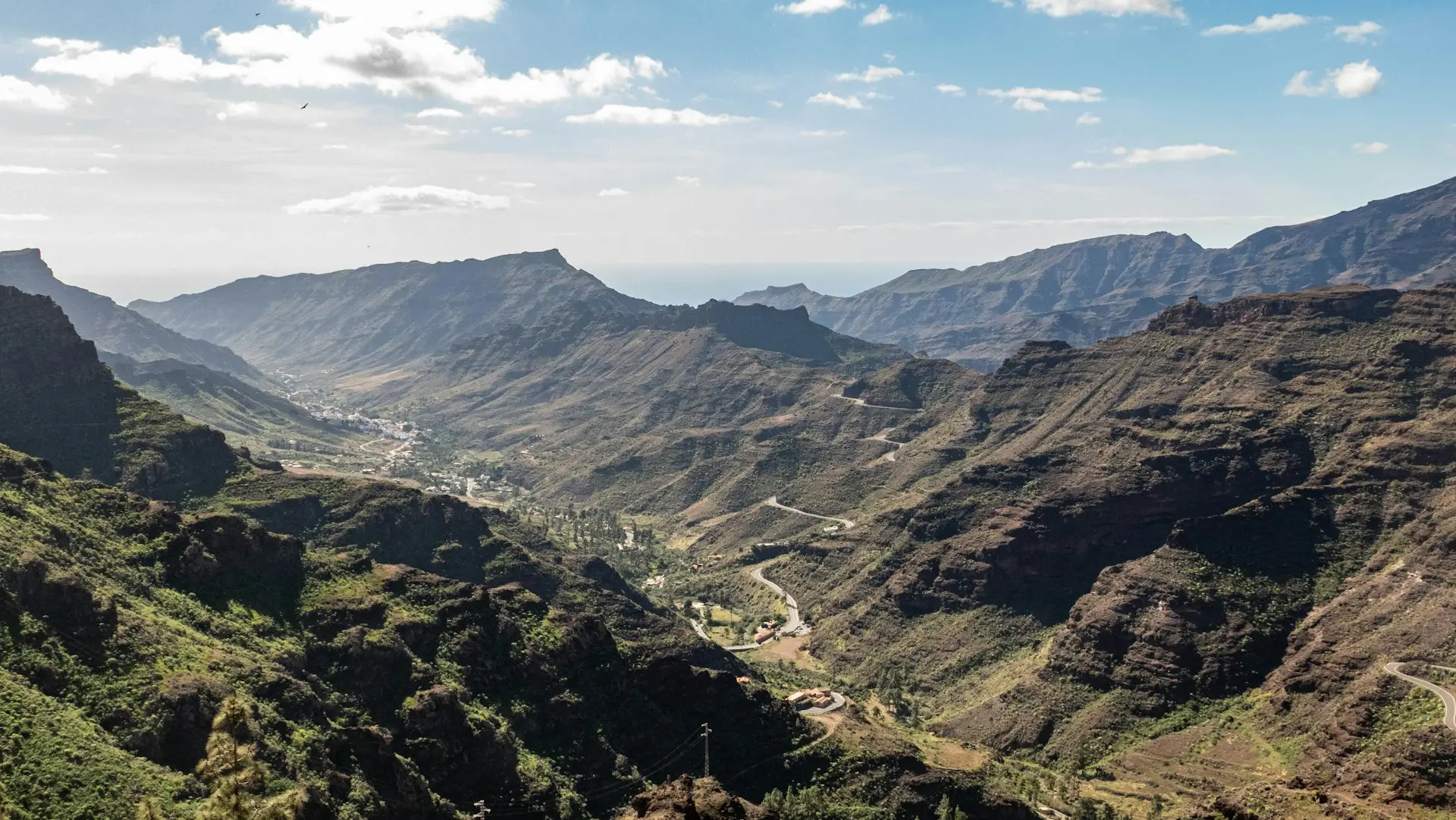
Alexander von Humboldt called the Canary Islands the most beautiful islands in the world — and Gran Canaria, the most geographically varied of the archipelago, earns that description more than any other. In less than an hour by car you can travel from the golden Saharan dunes of Maspalomas to ancient laurel forests, from the colonial streets of Las Palmas to the cloud-wrapped volcanic peaks of the interior, passing through banana plantations, dramatic ravines (barrancos), and white mountain villages that feel untouched by tourism.

The island divides naturally into two worlds: the north, dominated by the capital Las Palmas de Gran Canaria — a real, working city of 380,000 people with a magnificent UNESCO-listed old town, a world-class urban beach, and a cultural life that has nothing to do with package tourism — and the south, where the resort strips of Playa del Inglés, Maspalomas, and Puerto Mogán cater to the millions of European sun-seekers who make Gran Canaria one of the most visited island destinations on earth.

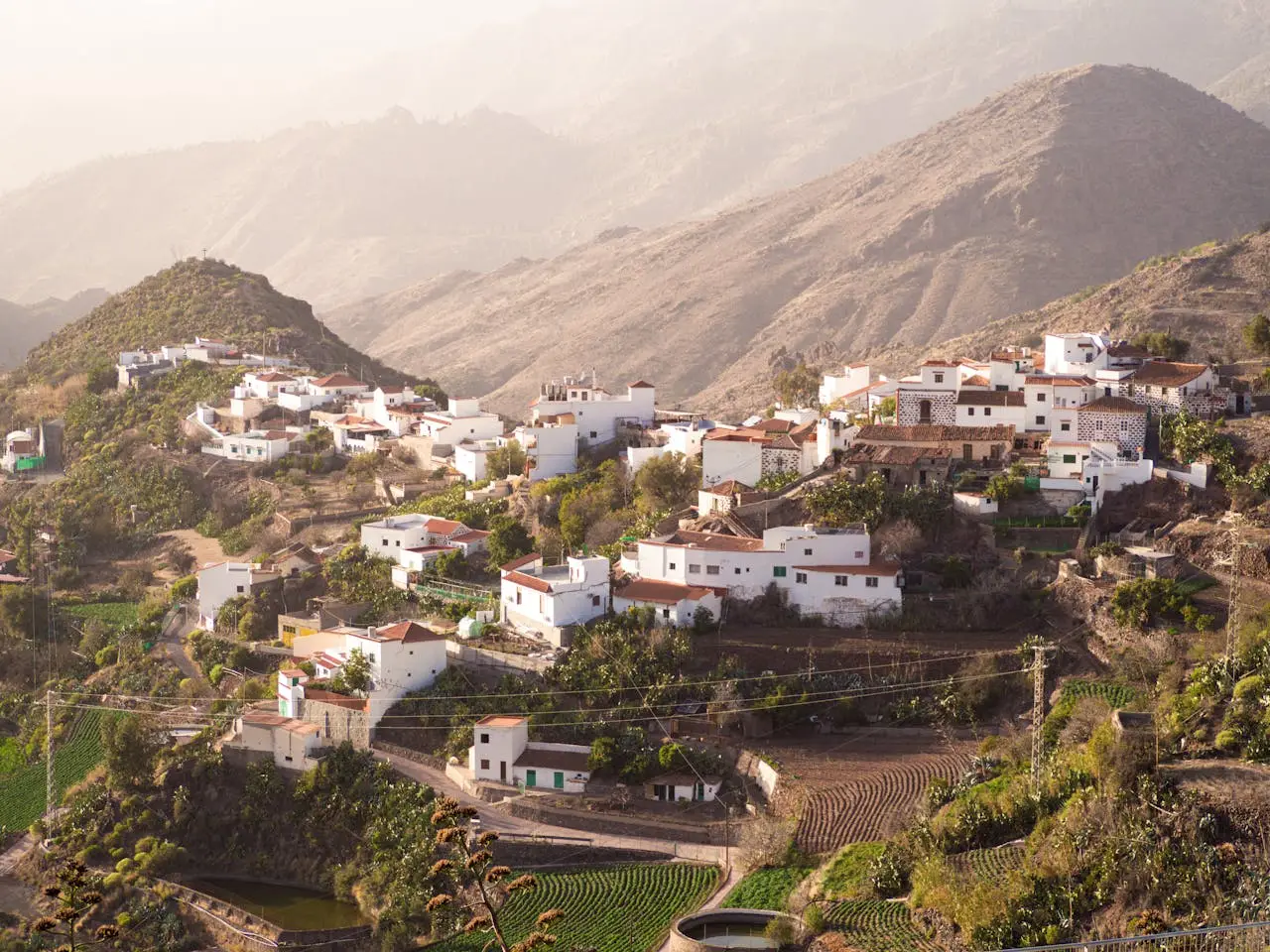
But the island's real secret is the interior — the municipios of Tejeda, Artenara, and Agüimes that most visitors never reach. Here, Canarian villages cling to the edges of calderas, goat farmers tend terraces carved into near-vertical slopes, and the only sound is wind through ancient Canarian pine. The combination of world-class beaches, a genuine city, and a dramatically beautiful interior makes Gran Canaria almost uniquely rewarding for visitors who go beyond the sun-lounger.

🏨 Find Hotels in Gran Canaria

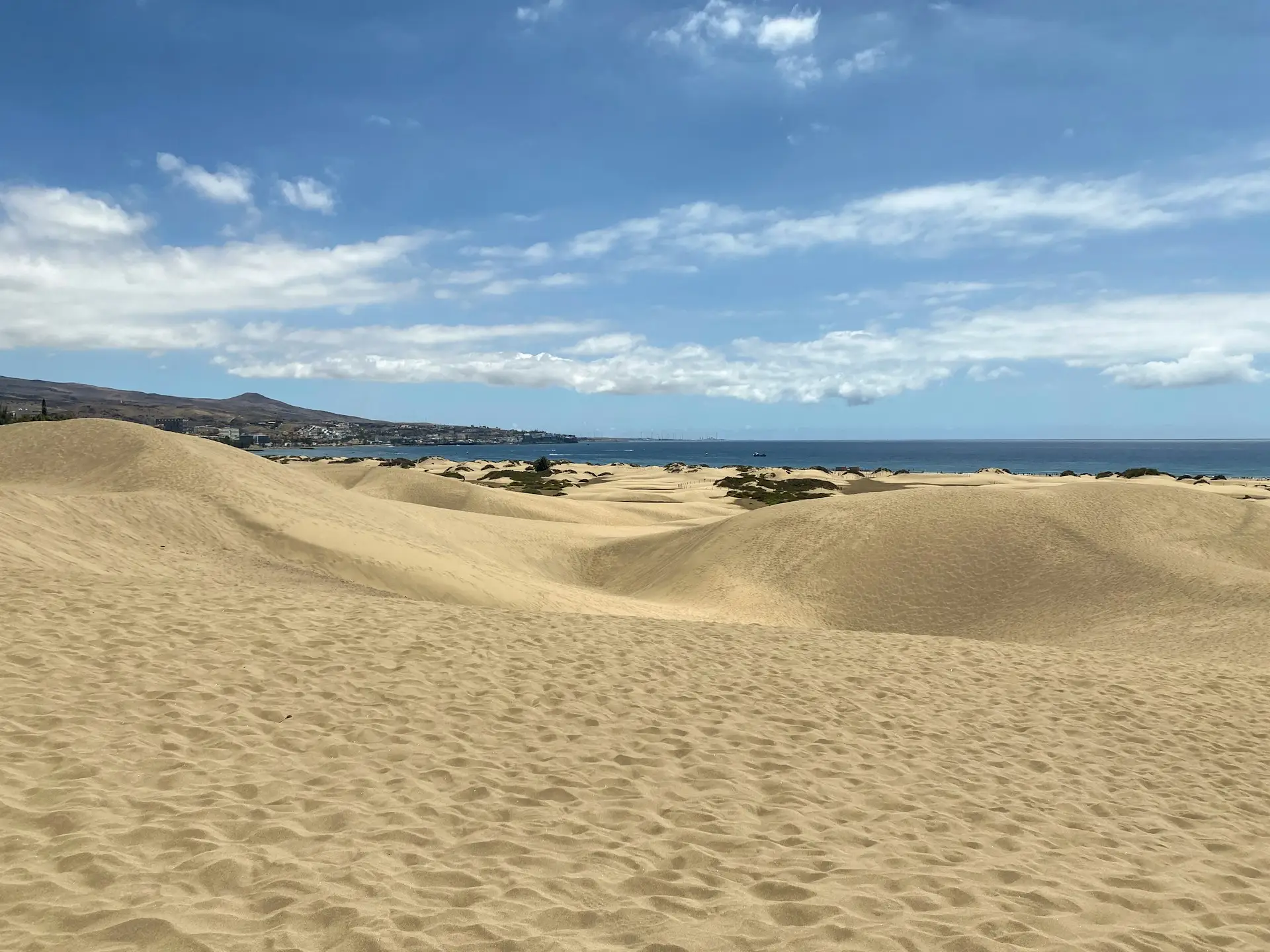
Maspalomas dunes sweeping landscape with palm oasis and lighthouse Tejeda mountain village with Roque Nublo in the background
300
Sunny Days per Year
Must-See

Top Attractions in Gran Canaria

From a mini-Sahara on the Atlantic coast to ancient volcanic rock pillars, colonial UNESCO quarters, and beaches that rank among Europe's finest — Gran Canaria never stops surprising.

Maspalomas sand dunes at golden hour with camels silhouetted
🏜️ Natural Wonder

Maspalomas Dunes

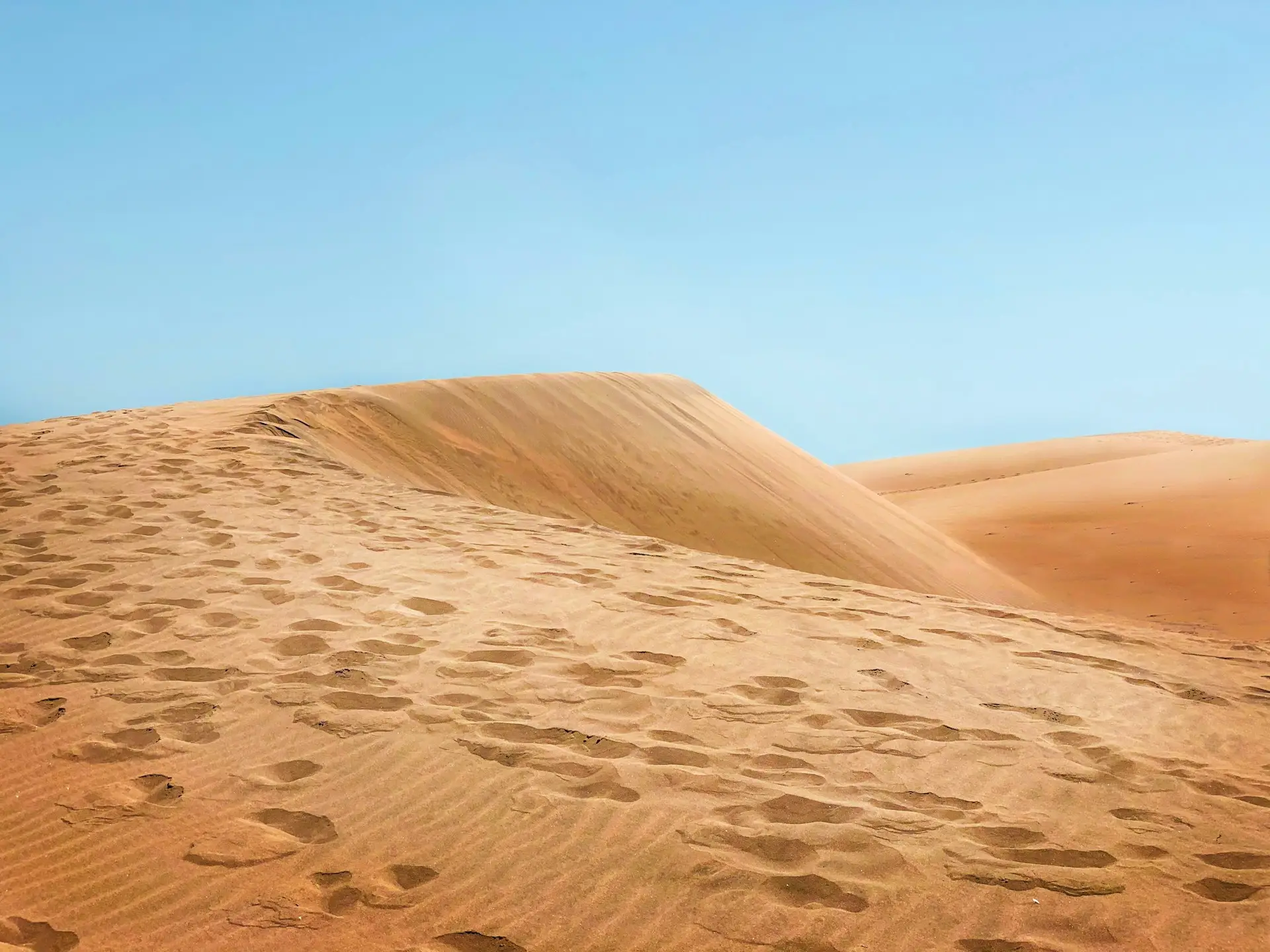
Gran Canaria's most iconic landscape — 400 hectares of golden sand dunes sculpted by Atlantic trade winds into shifting ridges and valleys that feel genuinely Saharan. A UNESCO-protected nature reserve, the dunes stretch from the Maspalomas Lighthouse to the Playa del Inglés resort, with a palm oasis and lagoon at their heart. The best time to visit is early morning or at sunset when the light turns the sand amber and the crowds thin dramatically. Camel rides depart from the edge of the dunes — the classic photo opportunity. Walk deep into the dune field and the resort disappears entirely.

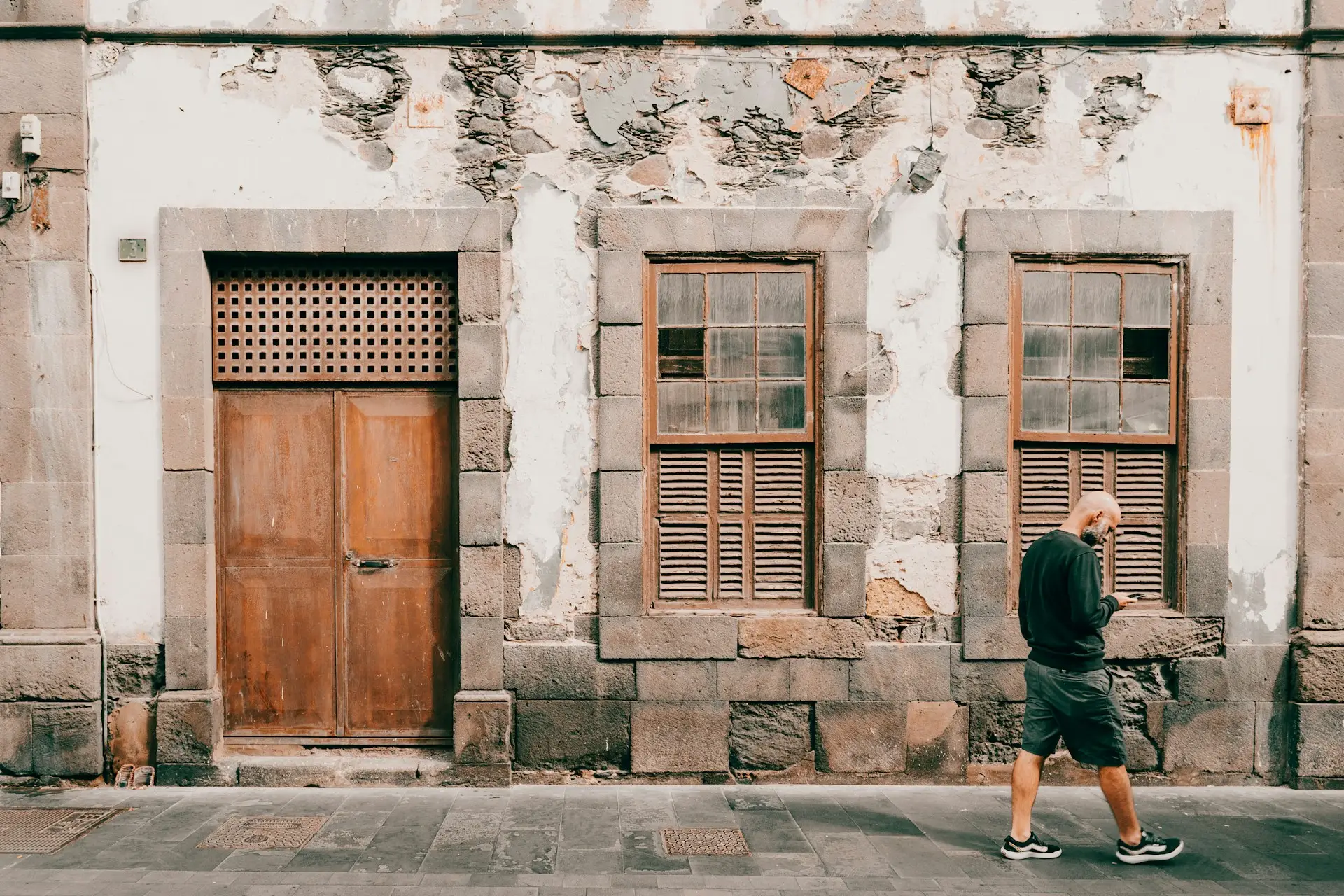
Vegueta old town Las Palmas colonial architecture and cobblestone streets
🏛️ UNESCO Historic Quarter

Vegueta — Las Palmas Old Town

The oldest neighbourhood in Las Palmas is one of the finest colonial quarters in the Atlantic — a maze of cobblestone streets lined with Canarian-balconied mansions, orange-tree courtyards, and landmarks dating to the Spanish conquest of the late 1400s. The twin-towered Santa Ana Cathedral, the Casa de Colón (Christopher Columbus museum, where Columbus restocked before his 1492 voyage to America), and the Canarian Museum of prehistoric Guanche culture are all here. Completely free to wander; museum entry €3–6. Easily the best half-day in Las Palmas.

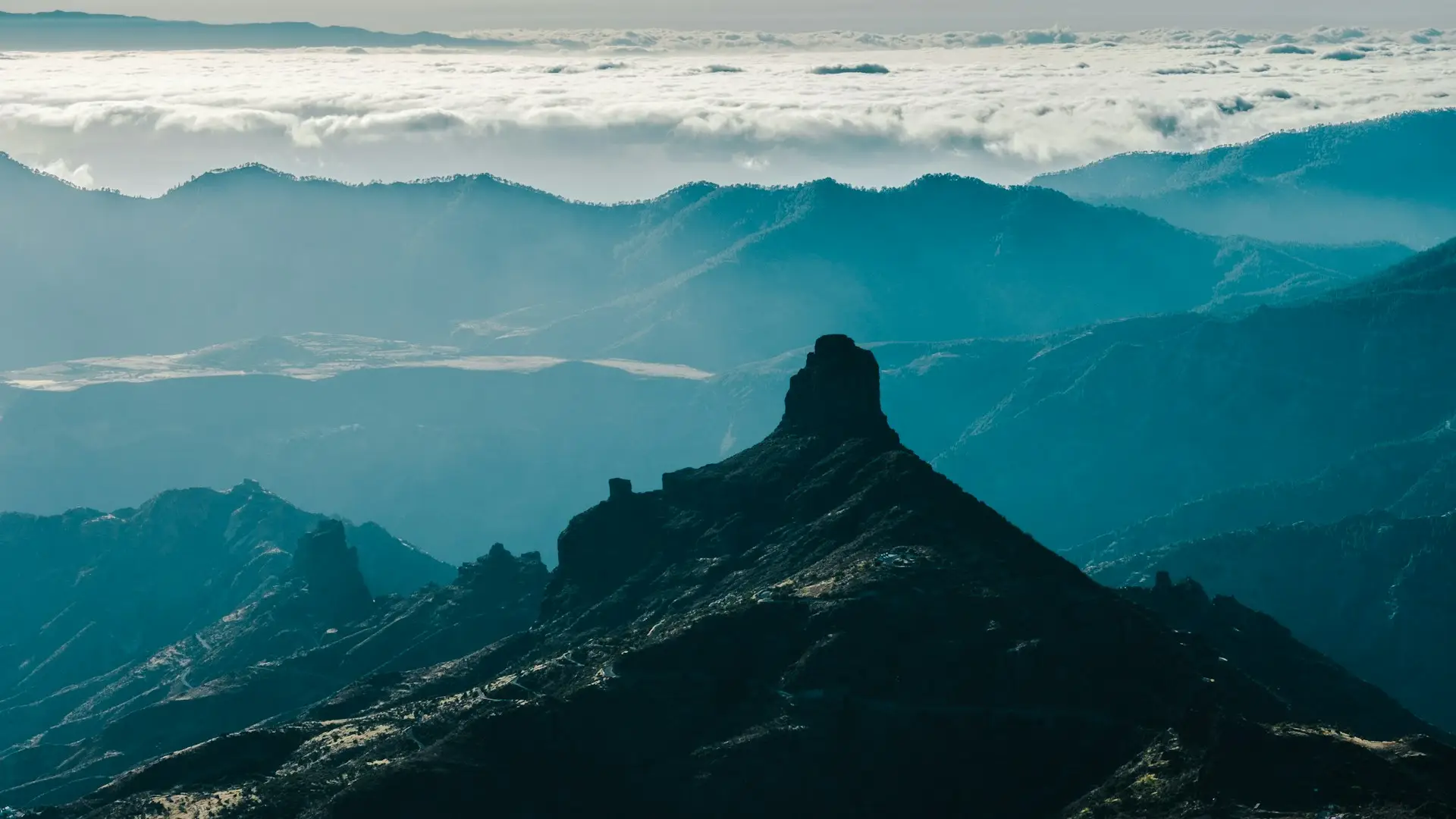
Roque Nublo volcanic monolith rising above the clouds in Gran Canaria interior
🏔️ Volcanic Icon

Roque Nublo

Gran Canaria's most dramatic natural monument — an 80-metre volcanic basalt monolith standing at 1,813 metres above sea level, sacred to the ancient Guanche people and now the island's most recognisable silhouette. A moderate 45-minute walking trail from the car park at La Goleta leads to the base of the rock, with views on clear days stretching to Tenerife's Mount Teide across the water. The surrounding landscape of ancient Canarian pine and cloud-draped caldera is magnificent. Go on a weekday to avoid weekend hikers.

Playa de las Canteras urban beach Las Palmas with golden sand and promenade
🏖️ Urban Beach

Playa de las Canteras

Consistently rated one of the best urban beaches in Europe, Las Canteras is a 3-kilometre crescent of golden sand in the heart of Las Palmas city — calm, clean, and protected by a natural reef (La Barra) that keeps the water sheltered even when the Atlantic is rough. The beachfront Paseo de las Canteras promenade is lined with restaurants, chiringuitos (beach bars), and surf shops. Swimming is excellent year-round. A completely different beach experience from the southern resort strips — surrounded by real city life rather than hotels.

Puerto Mogán harbour with colourful fishing boats and bougainvillea
⚓ Little Venice

Puerto Mogán

Gran Canaria's most charming resort — a small marina village in the island's southwest where whitewashed houses draped in bougainvillea line narrow canals, fishing boats bob in the harbour, and the Friday market draws visitors from across the island. Far quieter and more authentic than Playa del Inglés, Puerto Mogán has excellent seafood restaurants along the waterfront, a beautiful beach, and glass-bottom boat trips to spot marine life in the surrounding waters. The most photogenic corner of the south.

Tejeda village almond blossom in February with dramatic caldera backdrop
🌸 Mountain Village

Tejeda & the Almond Blossom

Perched at the rim of a dramatic ancient caldera at 1,050 metres, Tejeda is one of Gran Canaria's most beautiful villages — a handful of white houses, a baroque church, and views that stretch across the crater to Roque Nublo and Roque Bentaiga. In late January and February, the surrounding valley erupts in almond blossom — a pink-and-white spectacle that draws visitors from across the island for the annual Almond Blossom Festival. The local mazapán de Tejeda (almond marzipan) is the village's most famous product and absolutely worth trying.

Where to Stay

Gran Canaria's Key Areas

Gran Canaria's distinct zones cater to completely different types of traveller. Choosing the right base shapes your entire experience of the island.

🏙️
Las Palmas de Gran Canaria — The Capital

A real, living city of 380,000 people with a magnificent old town (Vegueta), Europe's best urban beach (Las Canteras), excellent restaurants, museums, nightlife, and markets. Best base for cultural explorers who want more than a sun-lounger holiday. Cooler and occasionally windier than the south, but the city energy, authenticity, and value for money are unbeatable. 45 minutes to the southern resorts by motorway.

🏖️
Playa del Inglés & Maspalomas — Resort South

The island's tourist heartland — kilometres of hotel complexes, all-inclusive resorts, and apartment blocks backing onto the massive dunes and beach. The largest gay-friendly resort area in Europe. Everything is geared towards package tourism: waterparks, beach clubs, buffet restaurants, and entertainment. Not pretty, but excellently organised for sun-and-beach holidays. Maspalomas has more upscale options and a calmer atmosphere than Playa del Inglés.

Puerto Mogán — Quiet Southwest

The most charming resort on the island — small-scale, genuinely attractive, with a working fishing harbour and canal village atmosphere. Excellent seafood, a beautiful beach, and far fewer crowds than the main resort strip. A better choice for couples and those who want resort convenience without the Playa del Inglés scale. The drive along the GC-500 coastal road from Puerto Mogán to the south is spectacular.

🌊
Puerto Rico & Amadores — Family Southwest

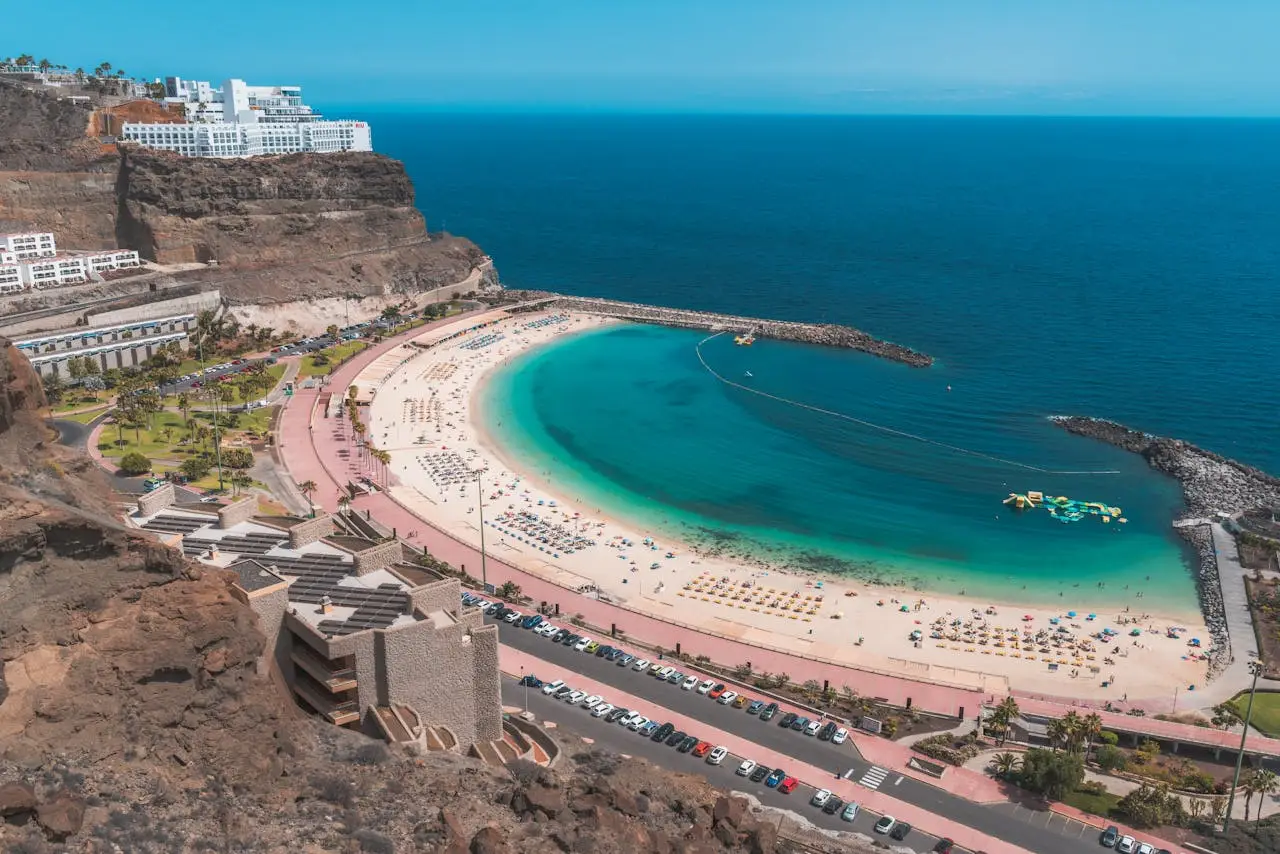
Puerto Rico is Gran Canaria's watersports capital — the calmer, sunnier microclimate in this sheltered bay makes it ideal for sailing, jet-skiing, and deep-sea fishing. Amadores has one of the most beautiful artificial beaches on the island, with calm turquoise water and excellent snorkelling off the breakwater. Very family-friendly, with good apartment options and excellent transport links to the rest of the south.

🏄
Las Palmas North Coast — Surfer Territory

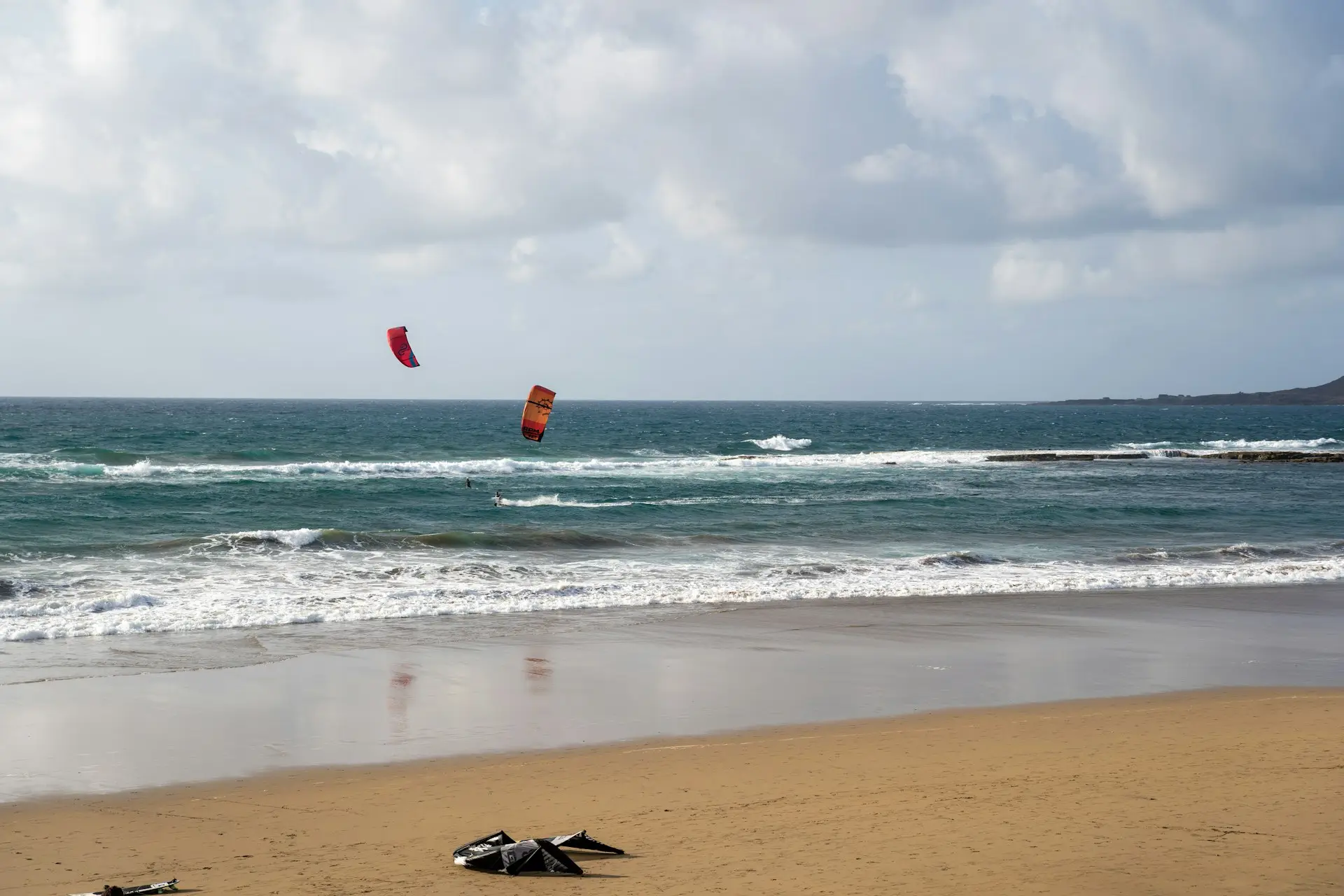
The north and northeast coasts of the island face the Atlantic trade winds head-on, creating world-class surf conditions at Las Palmas city beach and at spots like El Confital and Bañaderos. This is where local Canarians surf and the international surf scene gathers. Dramatic black volcanic coastline, fewer tourists, and an authentic feel that the south entirely lacks. Not suitable for swimming beginners but extraordinary for surfers of all levels.

🏔️
The Interior — Villages & Mountains

Tejeda, Artenara, Agüimes, Santa Lucía de Tirajana — the mountain interior of Gran Canaria is completely overlooked by most visitors and extraordinarily beautiful. Ancient Canarian pine forests, dramatic volcanic formations, cave villages, and rural hotels (casas rurales) offering peace, hiking trails, and stargazing far from any light pollution. Base yourself here for a night or two if you want the island's most authentic and least-visited experience.

Eat & Drink

What to Eat in Gran Canaria

Canarian cuisine is one of Spain's most distinct and least-known regional food cultures — a blend of Spanish, African, and Latin American influences shaped by centuries of Atlantic trade and the island's extraordinary volcanic terroir.

Papas arrugadas wrinkled potatoes with red and green mojo sauce
🥔 Essential Experience

Papas Arrugadas con Mojo

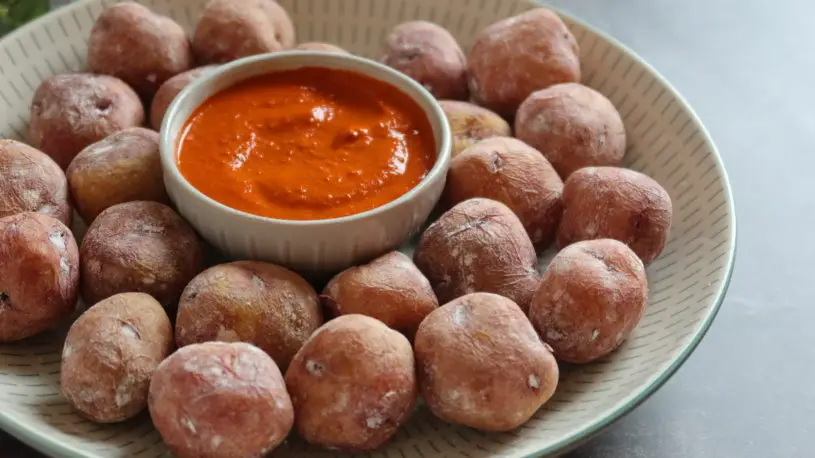
The Canary Islands' most iconic dish — and one of the simplest and most satisfying in all of Spanish cuisine. Small, knobby Canarian potatoes (papas negras or papas bonitas) boiled in heavily salted water until the skin wrinkles and a salt crust forms, then served with two sauces: mojo rojo (red, made from dried peppers, garlic, cumin, and vinegar) and mojo verde (green, made from fresh coriander or parsley). Every restaurant serves them; every cook has their own mojo recipe. Order them as a starter, share them as tapas, or eat a full bowl for lunch. The mojo is the soul of the dish — take a jar home.

Canarian sancocho salted fish stew with papas and mojo
🐟 Canarian Classic

Sancocho Canario

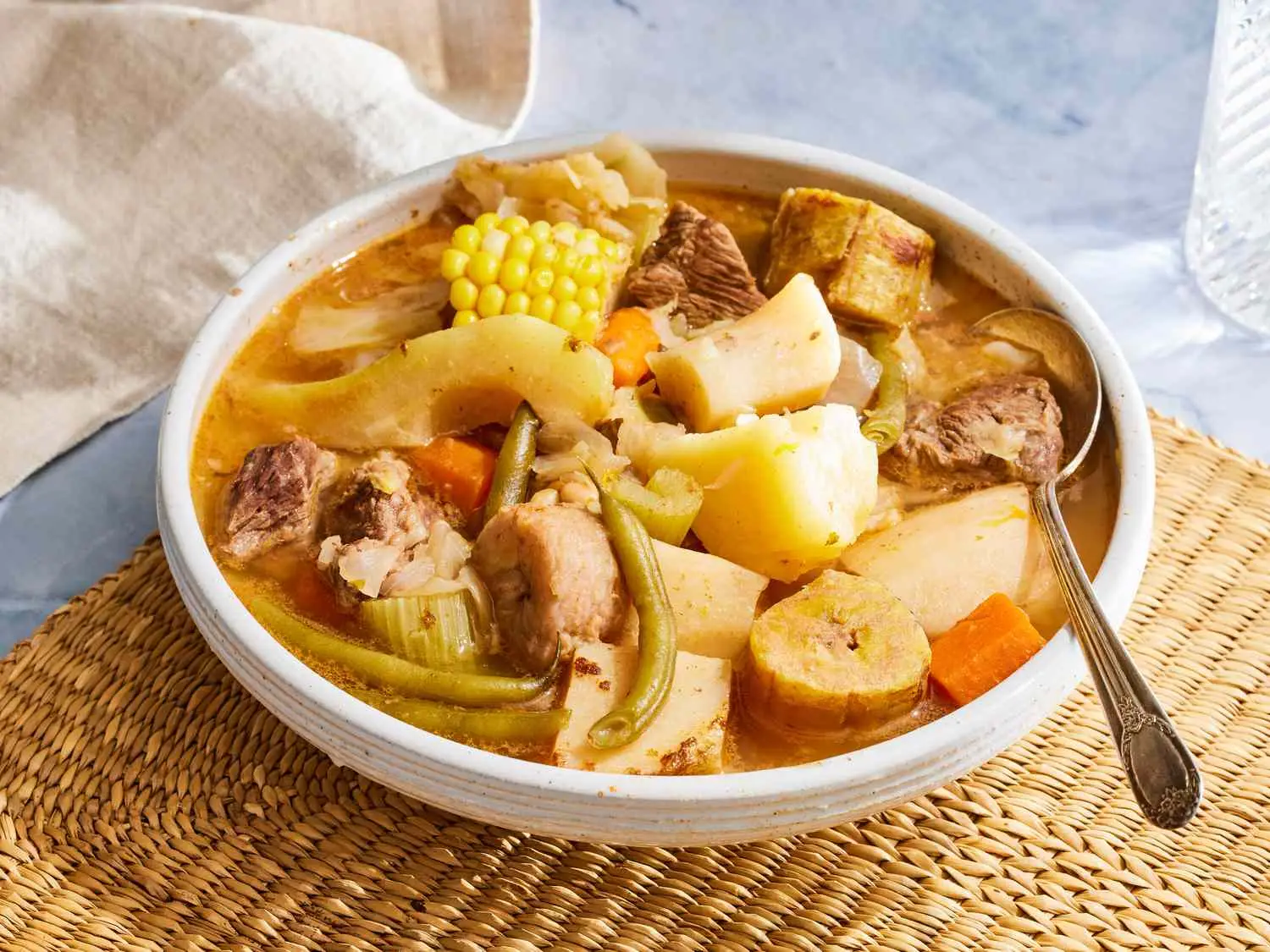
The traditional Canarian fisherman's dish — salted cherne (wreckfish) or corvina (meagre) desalted overnight and poached, served with papas arrugadas, sweetcorn, and generous amounts of mojo. A deeply satisfying, humble dish that connects directly to the island's fishing heritage. Found at traditional guachinches (unlicensed rural family restaurants) and old-school Canarian restaurants rather than tourist-area spots.

Bowl of Canarian gofio escaldado with broth and onion
🌾 Ancient Staple

Gofio

Gofio is toasted ground grain — wheat, maize, or barley — that has been the staple food of the Canary Islands since the time of the ancient Guanche people and remains deeply embedded in the local diet today. It appears in dozens of forms: mixed into a broth (gofio escaldado), shaped into a dense ball (pella de gofio), stirred into soups, or even used in desserts and ice cream. The taste is nutty, wholesome, and unlike anything else — try gofio ice cream at any decent heladería on the island.

Bienmesabe almond cream dessert with ice cream in Gran Canaria
🍯 Island Sweet

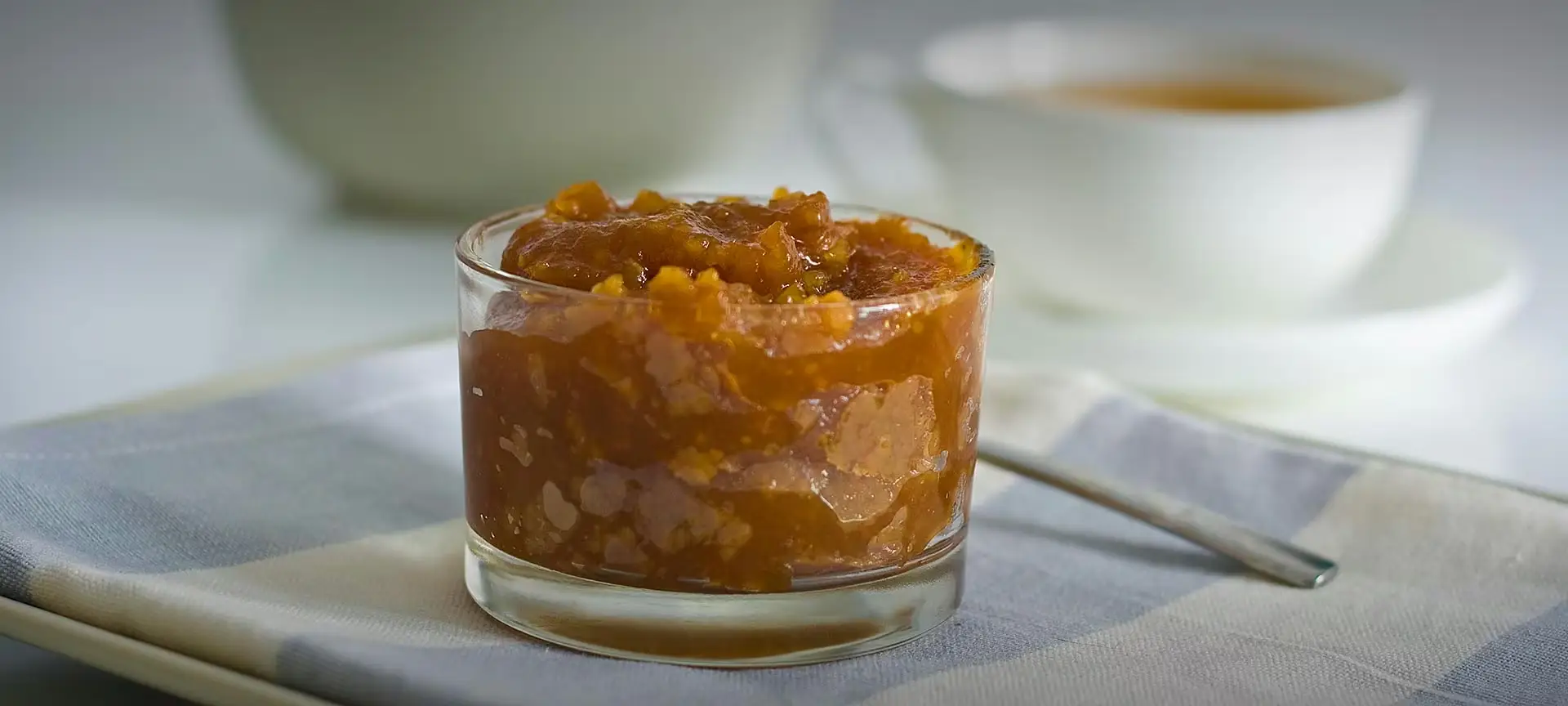
Bienmesabe & Almond Sweets

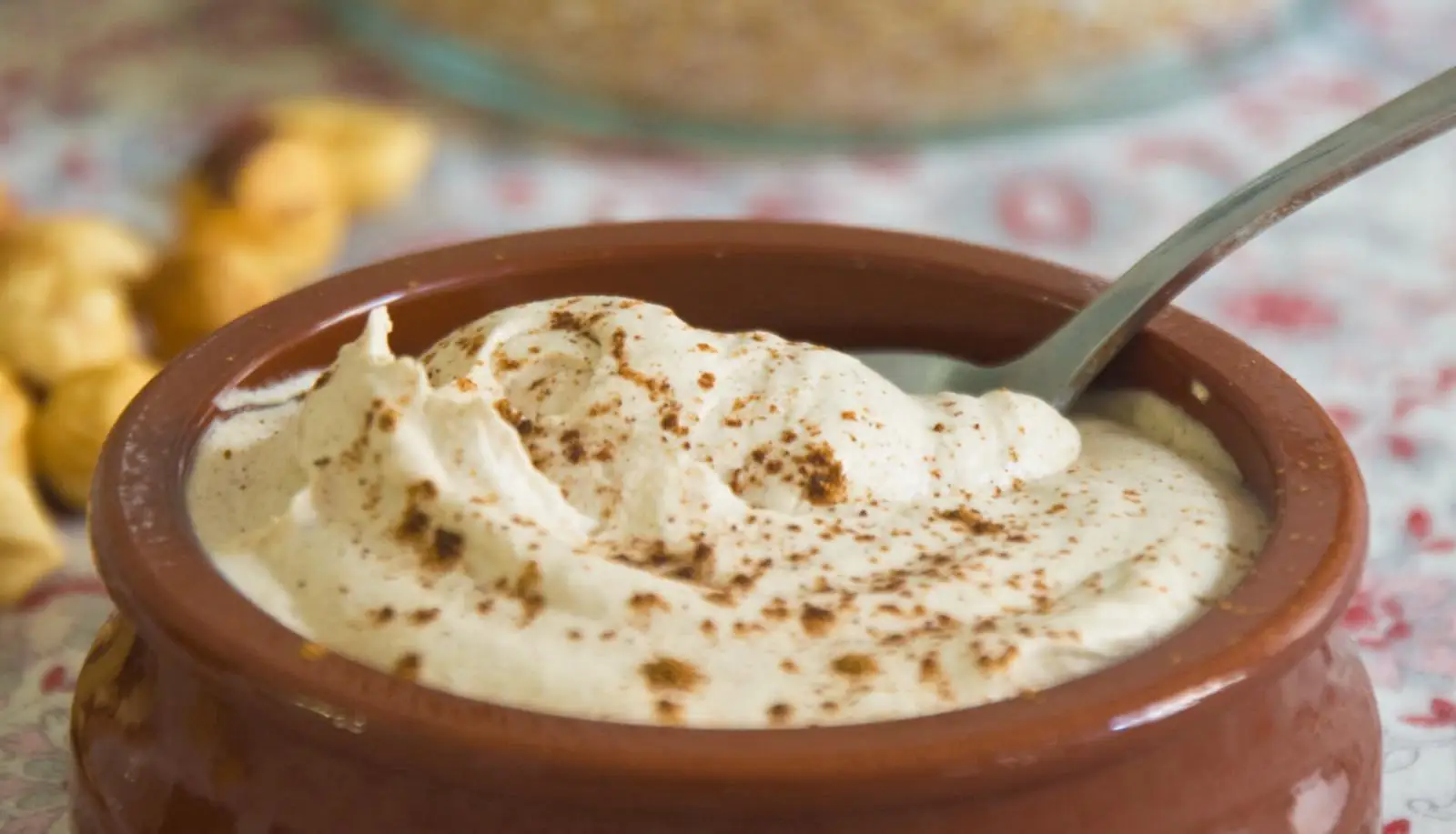
Bienmesabe — literally "tastes good to me" — is Gran Canaria's beloved almond cream dessert: ground almonds, honey, eggs, lemon zest, and cinnamon blended into a rich, golden sauce served over vanilla ice cream. Every restaurant and every grandmother has their version. The municipality of Tejeda is the almond capital of the island — its mazapán (marzipan) and almendrados (almond biscuits) are the finest edible souvenirs you can bring home.

Plan Your Trip

When to Visit Gran Canaria

Gran Canaria's famous "eternal spring" climate means there is genuinely no bad time to visit — but some months are significantly better than others depending on what you want.

Jan
Feb
Mar
Apr
May
Jun
Jul
Aug
Sep
Oct
Nov
Dec
Best Time to Visit Great — Slightly Busier or Cooler Hot & Busy — Calima Risk Avoid
🌸
Spring (Mar – May) — The Very Best

The finest months on the island — warm but not hot (22–25°C), uncrowded, and with the interior in spectacular bloom. The almond blossom in Tejeda peaks in February–March. Easter week (Semana Santa) brings processions and festivals across the island. Hotel prices are reasonable and beaches are never packed. The best time for hiking in the interior before summer heat.

☀️
Summer (Jul – Aug) — Hot & Busy

Temperatures reach 27–30°C on the coast and the island gets extremely busy with Spanish mainland tourists joining the Northern European influx. The calima — a hot dusty wind from the Sahara — occasionally affects the island in summer, reducing visibility and raising temperatures uncomfortably. Beaches are crowded; book everything in advance. The south remains reliably sunny; the north can be cloudy.

🍂
Autumn (Oct – Nov) — Excellent

October and November are among the best months — warm sea temperatures (still 23–24°C), fewer crowds than summer, excellent hiking weather in the mountains, and the start of the winter sun season bringing fresh availability and reasonable prices. The Las Palmas Jazz Festival in November is one of the island's finest cultural events. Highly recommended for every type of visitor.

❄️
Winter (Dec – Feb) — Peak for Northerners

Gran Canaria's winter season is peak tourism — December to February fills the southern resorts with Northern Europeans escaping cold and grey winters. Temperatures stay at 18–22°C, easily warm enough for beach days in the south. The Las Palmas Carnival (February–March) is one of the largest and most spectacular in Europe — second only to Tenerife's among Spanish carnivals. Book accommodation well ahead for December–January.

Insider Knowledge

Gran Canaria Travel Tips

What experienced Gran Canaria visitors know — practical wisdom that turns a good trip into a great one.

🚗
Hire a Car — It Changes Everything

Gran Canaria without a hire car means staying in your resort. With a hire car, you can reach Puerto Mogán in 20 minutes, Roque Nublo in 40, Tejeda in 50, and Las Palmas in 45. Car hire is cheap (from €20/day in low season), petrol is significantly cheaper than mainland Spain (no fuel duty in the Canary Islands), and the mountain roads are excellent. Book through your hotel's preferred provider or compare on rental sites — airport pickups add a surcharge.

🌅
Visit the Dunes at Dawn or Dusk

The Maspalomas dunes are genuinely spectacular in the early morning or at sunset — the low light turns the sand gold, the heat is manageable, the selfie-stick crowds are absent, and the silence is remarkable given the resort immediately behind them. At midday in summer they are both crowded and brutally hot. The lighthouse area at the southern tip of the dunes is accessible by road and a good starting point for exploring on foot without crossing the entire dune field.

🍽️
Find a Guachinche for Lunch

Guachinches are unlicensed rural family restaurants — typically a farmer's home where the family serves a few traditional dishes alongside the house wine for a fixed low price. They're technically temporary (they can only open while the family has homemade wine to sell) and have no signage. Ask at your accommodation for the nearest guachinche, check local Facebook groups, or look for handwritten signs on rural roads in the north and interior. A three-course meal with wine for €10–15 is typical. The most authentic food experience on the island by far.

🌦️
The North and South Have Different Climates

Gran Canaria's topography creates two distinct microclimates. The south (Maspalomas, Playa del Inglés, Puerto Mogán) faces away from the trade winds and gets reliably more sunshine — even when the north is overcast, the south is usually clear. Las Palmas and the north coast can be cloudy and windy, especially in winter. If you're chasing guaranteed sun, base yourself in the south. If you want city life and don't mind the odd grey morning, Las Palmas is the richer experience.

🥾
The Interior Hiking is World-Class

Gran Canaria has an outstanding network of hiking trails (senderos) through its volcanic interior — from gentle walks around the Roque Nublo area to challenging multi-day routes along the GR-131 long-distance trail. The Caldera de Bandama (a perfect volcanic crater near Las Palmas), the Barranco de Guayadeque (a ravine village with cave houses and restaurants), and the Tamadaba pine forest are three unmissable inland destinations. Download the Wikiloc app and search Gran Canaria hiking routes before you go.

🛍️
Shopping Is Cheaper Than Mainland Spain

The Canary Islands are a Special Economic Zone with no VAT (IGIC is just 7% versus 21% on the mainland) and no import duty on many goods. Electronics, perfume, alcohol, and tobacco are significantly cheaper than anywhere in mainland Europe. The shopping centres of Las Palmas (El Corte Inglés, Las Arenas) and the commercial centres in the south are worth a browse even if you're not a dedicated shopper. Duty-free allowances apply when returning to the EU mainland.

Need to Know

Practical Information

Everything you need to plan your Gran Canaria trip smoothly — getting there, getting around, and staying safe.

✈️
Getting There
  • Gran Canaria Airport (LPA) — located near Telde, 25 min from Las Palmas, 35 min from the south
  • Direct flights from most major European cities — Ryanair, easyJet, Vueling, TUI, Jet2
  • Flight time: approximately 4h from the UK, 3h30 from Germany, 2h30 from Spain
  • Airport bus (Line 60) to Las Palmas city centre — €3.35, 30 min
  • Taxi to Las Palmas ~€25; to southern resorts ~€35–50
🚗
Getting Around
  • Hire car — strongly recommended for exploring beyond your resort; from €20/day
  • Global Salcai buses — affordable network connecting all major towns; guagua app for routes
  • GC-1 motorway — fast spine road connecting Las Palmas to the south (45 min)
  • Taxis — metered, reliable, good for short trips within towns
  • Las Palmas city buses — excellent urban network within the capital
💰
Money & Budget
  • Currency: Euro (€); IGIC tax is only 7% (vs 21% VAT on Spanish mainland)
  • Budget: €50–70/day (self-catering apartment, local bars, public transport)
  • Mid-range: €100–160/day (3-star hotel, restaurant meals, hire car)
  • All-inclusive resorts available from €80–120/person/night including food and drinks
  • Cards widely accepted; carry some cash for rural restaurants and markets
📶
Connectivity
  • EU roaming applies — no extra charges for EU/EEA mobile users
  • Good 4G coverage across the island; some dead spots in the deep interior
  • Free Wi-Fi in hotels, most restaurants, and Las Palmas public spaces
  • Spanish SIM cards (Movistar, Vodafone, Orange) available at the airport and shops
  • Airalo eSIM works well for non-EU visitors
🏥
Health & Safety
  • Gran Canaria is very safe — standard tourist precautions apply
  • Emergency services: 112 (EU standard)
  • EU EHIC / GHIC cards cover EU/UK citizens for emergency treatment
  • Sun safety is critical — UV levels are very high year-round; SPF 50 essential
  • Ocean swimming: the south coast is calm; the north coast has strong Atlantic currents — swim only at flagged beaches
📋
Entry Requirements
  • Gran Canaria is part of Spain and the Schengen Area — no passport control for EU/EEA travellers
  • UK citizens — passport required; 90-day Schengen visa-free period applies
  • US, Canada, Australia — visa-free for up to 90 days in Schengen zone
  • ETIAS authorisation required from 2026 for visa-exempt non-EU visitors (€7)
  • Note: Gran Canaria is NOT in the EU customs union — different duty-free rules apply
Trusted Partners

Book Your Gran Canaria Trip

Everything you need to plan and book your Gran Canaria visit in one place.

Common Questions

Gran Canaria FAQ

The questions every Gran Canaria-bound traveller asks — answered honestly.

Gran Canaria is genuinely a year-round destination — the climate is mild in every month. The very best months are March to May and October to November: warm, uncrowded, affordable, and with the interior landscapes at their most beautiful. December to February is peak season for Northern Europeans and fills the southern resorts, but the weather is still pleasant (18–22°C). July and August are the hottest and busiest months, with occasional calima (Saharan dust wind) making conditions uncomfortable. There is no truly bad month to visit.
They suit different travellers. Tenerife is larger with Mount Teide (a spectacular volcano), more variety of resort areas, and arguably more things to do. Gran Canaria is more compact, has better beaches in the south, a more interesting and genuine capital city in Las Palmas, arguably more dramatic interior scenery, and slightly more affordable prices. Gran Canaria is particularly good for those who want to combine beach holidays with genuine cultural exploration. Tenerife is better if Mount Teide and the north's lush Laurisilva forest are priorities.
Not strictly — if you're staying in an all-inclusive resort in the south and have no interest in exploring beyond the beach and mall, the buses and taxis will serve you fine. But a hire car transforms the experience. Roque Nublo, Tejeda, Puerto Mogán, Las Palmas, the Barranco de Guayadeque, Caldera de Bandama — none of these are practical on public transport from the southern resorts. Car hire is cheap (from €20/day), petrol is cheap (no fuel duty), and the roads are excellent. It is the single best investment you can make for your trip.
The calima is a hot, dry wind carrying fine Saharan dust that periodically affects the Canary Islands, particularly in summer and occasionally in winter. When the calima arrives, the sky turns orange-grey, visibility drops dramatically, temperatures spike (sometimes to 40°C+), and outdoor activities become very unpleasant. Episodes typically last 2–4 days before the trade winds return. Calimas are most common in July–August but can occur at any time of year. Check the forecast before hiking in the interior during summer months.
Las Palmas is absolutely worth at least a full day trip from the southern resorts — it is 45 minutes by motorway and a completely different world. The Vegueta old town, the Casa de Colón, the Canarian Museum, the Las Canteras beach and promenade, the Mercado de Vegueta food market, and the city's excellent restaurant scene are all far superior to anything the resort south offers culturally. Las Palmas is a real city with real life happening — contrasting it with the resort experience is one of Gran Canaria's great pleasures.
The Las Palmas de Gran Canaria Carnival is one of the largest and most spectacular carnivals in the world — often cited as second only to Rio de Janeiro in scale and theatrical ambition, and the second largest in Spain after Santa Cruz de Tenerife. It takes place in February–March (dates shift with Shrove Tuesday) and fills the streets of Las Palmas with extraordinary costumes, parades, music, and the famous Drag Gala competition. The Burial of the Sardine marks the end of Carnival season. If you can time your visit to coincide with Carnival week, it is unforgettable.
Keep Exploring

More Popular Destinations

Loved Gran Canaria? These destinations are equally unmissable.