
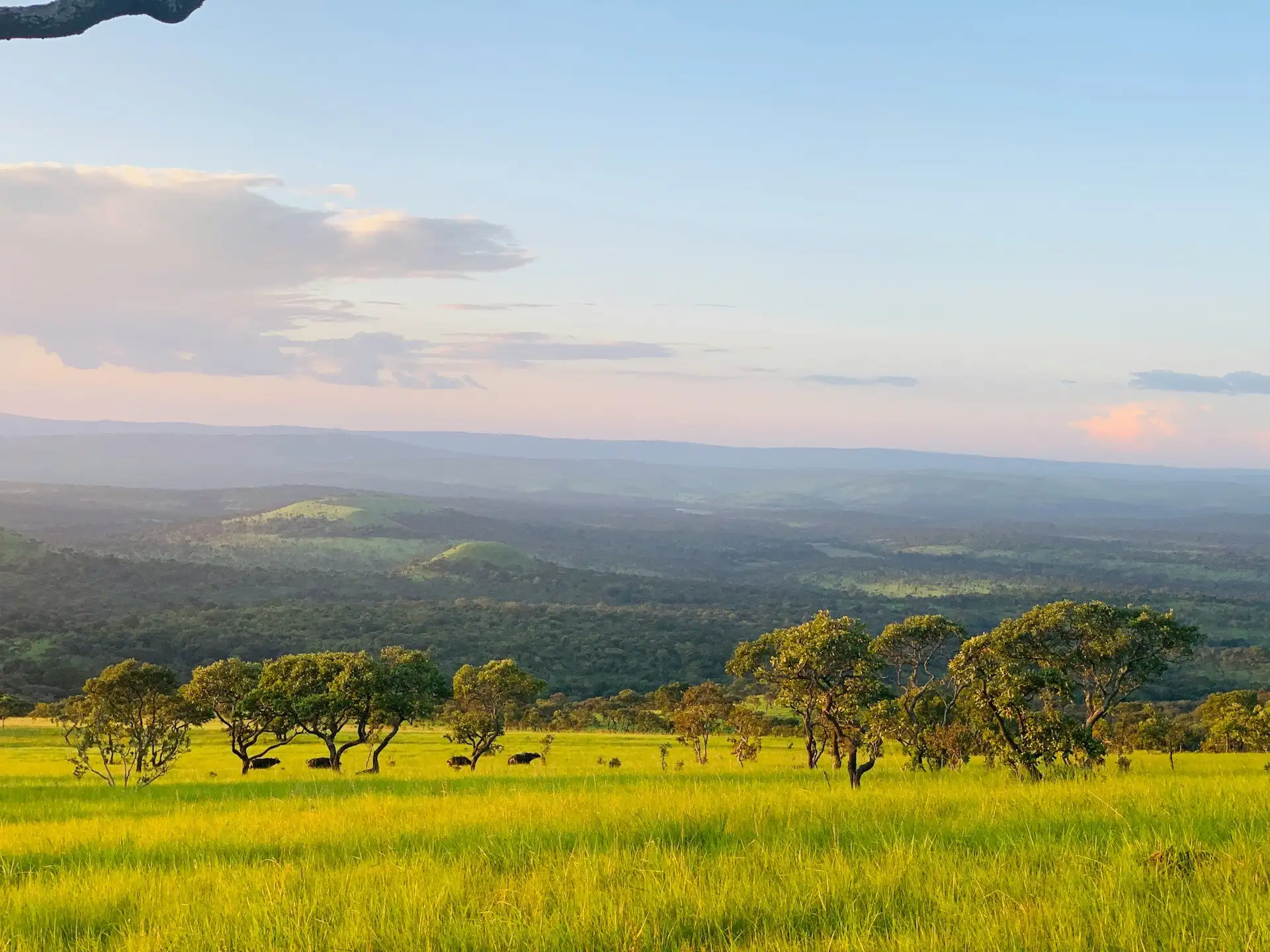
Burundi
One of the world's smallest countries. One of its deepest lakes. A drumming tradition that UNESCO called irreplaceable. A history of violence that explains why almost nobody comes, and a present that is more navigable than the world's silence about it suggests.
What You're Actually Getting Into
Burundi receives fewer international tourists than almost any country on earth. The combination of genuine political risk, extreme poverty, limited infrastructure, and complete absence from the travel media circuit means that most people who visit do so for professional reasons — aid work, research, journalism, development — rather than leisure. This guide is honest about that. It is also honest about what makes Burundi worth knowing and, for a small number of travelers with the right preparation and temperament, worth visiting.
What Burundi has that almost nowhere else does: Lake Tanganyika's shoreline directly accessible from the capital. The Royal Drummers of Burundi, whose ingoma performances are among the most powerful percussion experiences available anywhere on earth and can be arranged for visitors at the Musée Vivant in Bujumbura. The Kibira National Park, a highland rainforest on the Rwandan border that holds chimpanzees and colobus monkeys in a landscape so vertical and green it barely seems real. Coffee — specifically a Bourbon Arabica grown in the Kayanza and Ngozi highlands that serious roasters pay serious prices for, in a country where most farmers have never tasted the espresso their beans become in Milan or Melbourne.
What Burundi requires: patience with bureaucratic friction, comfort with limited English, genuine situational awareness about the political environment, and a realistic understanding that infrastructure is thin and things that should work sometimes don't. The country has been on the periphery of international attention for so long that the tourist infrastructure most small African nations have developed over the past two decades simply hasn't arrived here. This cuts both ways: you also won't encounter the tourist fatigue, the scripted experiences, or the commodified hospitality that comes with success on the backpacker circuit. What you encounter in Burundi is more unmediated than most places.
The political situation since 2015 requires honest engagement. It is not Burkina Faso's active insurgency, but it is not simply background context either. Read the History section and the Safety section before planning anything.
Burundi at a Glance
A History Worth Knowing
Burundi's history is inseparable from its neighbor Rwanda's, and understanding both requires confronting the particular way that Belgian colonialism took an existing social hierarchy and hardened it into a racial category with consequences that neither country has yet finished processing. The Hutu and Tutsi distinction predated colonialism, but it was fluid: people moved between categories based on wealth, marriage, and social position. Belgian administrators, borrowing from Hamitic theory — a European pseudo-scientific framework that classified some Africans as racially superior to others — institutionalized the distinction via identity cards, assigned fixed categories to every person, and built the colonial administration almost entirely through Tutsi intermediaries. The structural resentments this created ran through both countries' postcolonial histories like a fault line.
Burundi and Rwanda became separate independent states in 1962, though they had been administered together as Ruanda-Urundi under Belgian mandate. What followed in Burundi was not one genocide but a series of mass killings across several decades in both directions: Tutsi-dominated army massacres of Hutu in 1972 killed an estimated 100,000 to 300,000 people and displaced hundreds of thousands more. Hutu rebel massacres of Tutsi followed. A civil war from 1993 to 2005 killed an estimated 300,000 and created more than a million refugees. The 2000 Arusha Peace Agreement, brokered by Nelson Mandela and Julius Nyerere, introduced power-sharing arrangements between Hutu and Tutsi that ended the war and established a transitional government.
Pierre Nkurunziza, who came to power in 2005 as part of the Arusha transition, governed with increasing authoritarianism until 2020. When he announced in 2015 that he would seek a third term — in violation of both the constitution and the spirit of the Arusha Agreement — the capital erupted in protests. A coup attempt failed. The government cracked down with significant violence: hundreds killed, hundreds of thousands fled to neighboring countries, political opponents and journalists were targeted, and Burundi withdrew from the International Criminal Court when an ICC investigation was opened. International donors including the EU suspended direct budget support. The country became severely isolated.
Nkurunziza died in June 2020 — officially of cardiac arrest, though the timing and circumstances remain opaque — and Évariste Ndayishimiye, his handpicked successor, was elected president. Ndayishimiye's government has made some gestures toward normalization: releasing some political prisoners, reopening to some international organizations, and rejoining the ICC. The political space remains heavily restricted and the CNDD-FDD party's control over public life is pervasive. The security situation has improved markedly from the worst of 2015 to 2017, but independent journalism, political opposition, and human rights reporting remain dangerous activities in Burundi. Keep this as your framework for everything you encounter in the country.
The Ganwa royal dynasty establishes the Kingdom of Burundi. The ingoma drums become symbols of royal power and sacred authority.
Burundi becomes part of German East Africa. Belgian forces take control in 1916 during World War I.
Ruanda-Urundi formally mandated to Belgium. Belgian administrators institutionalize the Hutu-Tutsi distinction through identity cards and racial categorization.
Burundi becomes independent July 1, 1962 under Tutsi-dominated monarchy. Rwanda becomes a separate republic simultaneously.
Following a Hutu uprising, the Tutsi-dominated army massacres an estimated 100,000–300,000 Hutu. The event is never officially acknowledged as genocide but remains a defining wound.
Assassination of Burundi's first democratically elected Hutu president triggers civil war. An estimated 300,000 dead over twelve years.
Nelson Mandela brokers the Arusha Peace Agreement introducing power-sharing. Julius Nyerere had led negotiations until his death in 1999.
Nkurunziza's third-term bid triggers protests, coup attempt, and crackdown. Hundreds killed, hundreds of thousands flee. Severe international isolation follows.
Nkurunziza dies in June. Ndayishimiye elected. Cautious normalization begins. Restrictions on political and civil life remain significant.
Top Destinations
Burundi is small — roughly the size of Maryland — and most of what it offers is accessible from Bujumbura within a day's drive. The country is extraordinarily mountainous for its size, with the Congo-Nile Ridge running along the western edge and the land dropping steeply to Lake Tanganyika's shore. Everything in Burundi is either climbing or descending. The views from the ridgelines, when the morning mist burns off, are as good as anywhere in the Great Lakes region.
Bujumbura
Bujumbura is no longer the official capital — that was moved to Gitega in 2019 by Nkurunziza as a political gesture toward the country's geographic center — but it remains the largest city, the economic hub, the international gateway, and where virtually everything a visitor needs is concentrated. The city sits in a basin between steep green hills and the long blue expanse of Lake Tanganyika, with a lakefront boulevard called the Boulevard du Lac running north from the central market. The lake beach at the north end of the city — clean, clear, and used by Bujumbura residents for swimming, football, and weekend socializing — is the kind of unexpected urban pleasure that you don't anticipate in a landlocked country. The Musée Vivant, just back from the lake, is where Royal Drummer performances are arranged. The central market, the Halles, runs on a kind of organized chaos that rewards patience. The expat restaurant strip on Chaussée Prince Louis Rwagasore is where a cold Primus beer and grilled fish exist in necessary combination at the end of any day.
Kibira National Park
In the northwest highlands on the Rwandan border, Kibira is Burundi's largest national park and the most important remaining montane rainforest in the country. It holds chimpanzees — habituated groups can be tracked with guides — as well as black-and-white colobus monkeys, olive baboons, and over 600 plant species in a forest so dense and vertical that it feels like something from a deeper geological period. The access town is Kayanza, itself in the heart of Burundi's coffee country, where the tea and coffee terraces on the hillsides below the forest create one of Central Africa's most quietly beautiful agricultural landscapes. Chimpanzee trekking requires advance booking through the Office Burundais du Tourisme et de l'Hôtellerie (OBUHA) and is best arranged with a local guide agency in Bujumbura. Allow a full day minimum; the forest rewards slower movement.
Rusizi National Park
At the northern tip of Lake Tanganyika where the Rusizi River delta creates a papyrus-fringed wetland, Rusizi National Park harbors hippos, crocodiles, and a remarkable array of water birds including the rare shoebill stork. The park is small but accessible from Bujumbura (about 15 kilometers north) and gives a genuine wildlife experience without the logistics of a major safari. Pirogue trips through the papyrus channels to observe the hippo pods are the principal activity. The shoebill — a massive, prehistoric-looking bird with a shoe-shaped bill — is the trophy sighting, reliable enough that dedicated birders come specifically for it.
Gitega
Since 2019 the official capital, Gitega sits in the geographic center of the country at 1,800 meters elevation in the highlands. It is a small city with the cool air and eucalyptus-lined streets of highland Burundi. The National Museum of Burundi here has a good collection of royal drums, traditional crafts, and ethnographic material. The Royal Drummers have a second performance base in Gitega. The town has less tourist infrastructure than Bujumbura but is calm and pleasant; if you're traveling between Bujumbura and the north of the country, it makes a logical overnight stop.
Kayanza & Ngozi
The provinces of Kayanza and Ngozi in northern Burundi produce some of the most sought-after Arabica coffee in Africa. Small-scale washing stations where farmers bring their freshly picked cherries are scattered across the hillsides. The Burundi Bourbon variety — a genetic relic of early Arabica cultivation that produces a complex, fruit-forward cup — commands premium prices at specialty roasters globally while the farmers who grow it remain among the world's poorest. Several Bujumbura-based tour operators offer visits to washing stations during harvest season (June to September), with the opportunity to buy directly from cooperatives at prices that are still extremely affordable and that represent a far greater share going to the producer than anything on a supermarket shelf.
Nyanza-Lac & Makamba
The southern end of Lake Tanganyika within Burundi sees almost no visitors and contains some of the lake's most pristine water. The small town of Nyanza-Lac has a simple guesthouse scene and fishing communities whose wooden pirogues go out before dawn and return with Nile perch and tanganyika sardines (ndagala). The cichlid fish diversity here — many of the 350+ endemic species visible in the shallows in clear water — makes it of particular interest to snorkelers and divers prepared for basic conditions. A far cry from a resort dive destination; exactly the right thing for someone who wants the lake without any apparatus around it.
Source of the Nile (Rutovu)
Near the village of Rutovu in southern Burundi, a spring on Mount Kikizi is officially designated as the southernmost source of the Nile River — the Kagera tributary headwater from which the chain of river and lake connections eventually flows north to Egypt. A modest pyramid monument marks the spot. Getting there requires a decent road and a sense of humor about the bureaucratic requirements around what is, ultimately, a spring in a field. But standing at the southernmost point of the world's longest river's drainage system and thinking through the geography has a particular satisfaction.
Bugarama Crater Lakes
In the northwest near the Congo border, a cluster of small volcanic crater lakes fills the highland landscape around Bugarama. Each lake has its own color and chemistry — some green, some blue, some brackish — and the surrounding farms and fishing communities use them with the comfortable intimacy of people who have lived beside them for generations. Almost entirely unvisited by outsiders, these lakes require a 4x4 and genuine navigational independence or a well-briefed local guide. For travelers who like finding things that aren't on any list, this is Burundi at its most quietly extraordinary.
Culture & Etiquette
Burundi has a cultural coherence unusual for an African country of its size: unlike most sub-Saharan nations whose borders cut across ethnic and linguistic lines, the country's pre-colonial Kingdom of Burundi encompassed essentially the same territory and population that the modern nation-state does. Almost everyone speaks Kirundi as a first language. The royal drum tradition, the agricultural calendar around sorghum and banana, the specific social norms around greeting and hospitality — these are genuinely national rather than ethnic, shared across communities that have been divided and opposed by politics but that share much of their cultural foundation.
A note on the political context in social interactions: the Hutu-Tutsi distinction is visible to insiders and invisible to outsiders, and it is emphatically not something a foreign visitor should ever raise. The current government has officially discouraged ethnic identification and banned ethnic-based political parties, which coexists with the fact that the political crisis of 2015 was fundamentally about Hutu-Tutsi power dynamics. This is a complexity that Burundians navigate daily and that foreign visitors should neither probe nor pretend doesn't exist.
"Amahoro" (peace — the standard Burundian greeting, carrying deep significance given the country's history), "Urakoze" (thank you), "Muraho" (hello, formal). Greeting in Kirundi produces a warmth and genuine delight that French cannot replicate. The word amahoro alone is worth knowing before you arrive.
Banana beer is the social drink of the highlands and refusing it in a community setting is the kind of slight that closes doors. It is slightly sour, mildly alcoholic, and drunk through a communal straw from a clay pot. Accept what's offered, drink a symbolic amount, and express genuine appreciation.
Rural Burundi is conservative. Covered shoulders and knees are appropriate in villages and market towns. In Bujumbura the lakefront area and restaurants are relaxed. Use your judgment but err toward modesty in any context you're uncertain about.
Police and security checkpoints in Burundi are frequent, and having your passport, visa, and any relevant permissions readily available is not optional. Copy everything and keep the originals accessible, not buried in luggage.
This applies everywhere but particularly around drumming ceremonies, which have sacred dimensions, and in markets, where people are working. "Mbabere ifoto?" (May I take a photo?) is the Kirundi phrase. Most people will say yes; respect those who don't.
The Hutu-Tutsi distinction, who is which, who did what, who is in power, and related historical grievances are not topics a foreign visitor should raise with Burundians. Not because people don't want to discuss it, but because doing so puts your interlocutor in an impossible position and can create genuine risk for them. Listen if someone raises it; don't probe.
Under the current government this is particularly sensitive. Do not photograph police, army, government buildings, presidential residences, or checkpoints. The consequences of being caught can be serious and the explanations are difficult to communicate across a language barrier at a roadblock.
Political expression in Burundi is restricted and monitored. Foreign visitors are not immune to this. Social media posts from within the country about political matters can attract attention. Use discretion.
Night driving outside the capital carries genuine risk from both security concerns and road conditions. Plan your movements to be at your destination before dark. This is advice that applies equally to road accidents and security incidents.
French is the official language and is spoken by educated urban Burundians. In rural areas, Kirundi is the only reliable language. Basic Kirundi phrases, combined with patience, will serve you far better than rapid formal French aimed at someone who learned it as a classroom second language.
The Royal Drummers (Tambourinaires)
The ingoma are massive sacred drums, carved from single tree trunks and traditionally reserved for royal ceremonies. The Tambourinaires perform a ceremony that combines drumming, dance, and acrobatics: the drummers carry the drums on their heads, beat them while leaping, and maintain complex polyrhythmic patterns simultaneously. The performance is not entertainment in the ordinary sense — it is a ceremonial communication between the present and the ancestors, between the living king and the royal dead. UNESCO inscribed it in 2014. Watching it in the Buyenzi neighborhood courtyard rather than at a staged venue is something genuinely different.
Banana Culture
Burundi has over 40 varieties of banana, and the banana pervades every level of the food and cultural system. Banana beer (urwarwa) is the ceremonial and social drink. Cooking bananas (ibitoke) are a staple starch. Banana fiber is used for weaving. Banana leaves wrap food, line plates, and serve as informal rain protection. The banana groves covering Burundi's hillsides — thousands of shades of green in the morning light — are both the visual texture of the country and its agricultural backbone.
Imigani: Oral Literature
Burundi has a rich oral tradition of proverbs (imigani) that circulate in everyday speech in ways that embed philosophical and historical content into daily conversation. "Akebo bafungirwa ibiryo" — a basket is woven by two people working together — is a standard imigani about communal effort. "Umwana w'inzoka ni inzoka" — the child of a snake is a snake — is used both literally and as commentary on inherited traits and responsibilities. These proverbs are not decorative: they are how Burundians think through social situations, express complex ideas without direct confrontation, and maintain philosophical continuity across generations.
Weaving and Basketry
Burundian basket weaving uses banana leaf fiber and sisal to produce both functional and decorative items with geometric patterns that carry specific meaning within local cosmology. The finest work comes from the highland communities where the tradition is maintained by women's cooperatives. Several Bujumbura handicraft shops sell authentic pieces directly from the cooperatives, with the price difference between market stalls and cooperative shops representing the margin between a seller's markup and a weaver's income. Worth paying the extra for direct-source purchases.
Food & Drink
Burundian food is built around the agricultural landscape of the highlands: sorghum, cassava, sweet potato, beans, and cooking bananas forming the starch base, with small amounts of meat and fish completing the picture. The cuisine is not elaborate by the standards of some of its neighbors, but it is honest, filling, and when you are eating it in context — beans and ibitoke on a terrace overlooking Lake Tanganyika, or ugali with fresh lake fish cooked over charcoal at a waterfront restaurant — it is very good indeed. The food in Bujumbura's better restaurants has a French-inflected quality from the colonial period that produced a generation of cooks trained in French techniques applied to Central African ingredients.
Ibitoke na Ibiharage (Bananas and Beans)
The foundational Burundian meal: cooking bananas (ibitoke), boiled until soft, served alongside slow-cooked red beans spiced with onion, tomato, and chili. Found at every local restaurant and household table in the country. The combination is nutritionally complete, extremely filling, and costs almost nothing. The beans in Burundi — particularly the red kidney beans grown in the highland soil — have a depth of flavor that makes you understand why the country exports them. Eat this at a small restaurant in Gitega or Kayanza for the full version.
Grilled Tanganyika Fish
The lake's fishing industry produces two main table species: Nile perch (sangala) and the small tanganyika sardines (ndagala) that are dried in the sun and eaten whole. Fresh-caught perch, grilled over charcoal and served with ugali and salad at the lakefront restaurants on Bujumbura's beach strip, is the meal that visitors remember from Burundi. The lake's depth and cold water produce fish of exceptional quality. Order it at Restaurant Le Tanganyika or any of the informal grills along Boulevard du Lac on a Friday evening.
Ubugali (Ugali / Stiff Porridge)
Stiff cassava or maize porridge eaten with almost everything. Made by adding flour to boiling water and stirring vigorously until it forms a firm, doughy mass. Eaten by hand — a piece torn off, formed into a cup shape, and used to scoop sauce or stew. If you've eaten ugali elsewhere in East Africa you know this already. Burundi's version uses cassava flour more commonly than maize, which gives it a slightly lighter texture and a faint sourness that works particularly well with fish.
Urwarwa (Banana Beer)
Fermented from mashed bananas, sometimes combined with sorghum, urwarwa is cloudy, slightly sour, mildly alcoholic (around 4 percent), and drunk at room temperature through a communal straw from a clay pot. It is the social and ceremonial drink of the highlands and is part of every significant gathering: funerals, weddings, reconciliation ceremonies, and casual afternoon visits alike. Accept it with both hands, drink communally, and don't rush.
Primus Beer
Burundi's national lager, brewed in Bujumbura. Cold, clean, and the correct companion to grilled lake fish on the lakefront. Primus is the cultural default in urban social settings at a price that makes it universally accessible. The bottle is 65cl and comes in a crate. The ritual of ordering a cold Primus while watching the sun set over Lake Tanganyika is one of those small, specific pleasures that stays with you considerably longer than the temperature of the beer.
Burundian Coffee
The Bourbon Arabica of Kayanza and Ngozi is among Africa's most complex coffees: fruit-forward, with a clean acidity and stone-fruit notes that specialty roasters in Scandinavia and the US pay premium prices for. The irony is that most Burundians who grow it drink instant Nescafé, because the export value is too high to make keeping the good stuff at home economically sensible. If you visit a washing station, you can buy green beans directly from the cooperative. The coffee available in Bujumbura hotels and tourist restaurants is now, in several establishments, locally roasted and genuinely excellent.
When to Go
Burundi's climate is equatorial highland: warm rather than hot, with two rainy seasons broken by two drier periods. The altitude moderates what would otherwise be a punishing equatorial temperature, and Bujumbura's lakeside position adds a pleasant breeze through most of the year. The main practical consideration for timing is road conditions — Burundi's smaller roads become difficult to impassable during heavy rains — and coffee harvest season if a washing station visit is part of your itinerary.
Long Dry Season
Jun – SepThe main dry season. Roads throughout the country are passable. Kibira forest trails are manageable. Coffee harvest in full swing in Kayanza and Ngozi — the best time to visit washing stations. Clear days with exceptional views from the highland ridges. This is the optimal travel window.
Short Dry Season
Jan – FebA shorter dry window between the two rainy seasons. Good for Bujumbura and the southern lake shore. Kibira is accessible though some higher trails can be muddy. The landscape is lushly green from the preceding rains. Reasonable travel window with lower visitor numbers.
Long Rainy Season
Mar – MayHeavy rains March through May. Rural roads difficult. Kibira forest impenetrable in heavy rain. Bujumbura remains accessible. Lake Tanganyika is beautiful in the rain if you're only based in the city. Not recommended for rural or highland itineraries.
Short Rainy Season
Oct – DecSecond rainy season, generally lighter than March–May but still significant in the highlands. October is transitional. November and December see heavy afternoon rain in the north. Bujumbura and the lake remain viable; highland travel becomes unpredictable.
Trip Planning
Burundi requires more preparation than most East African destinations and rewards that preparation with experiences unavailable anywhere else on the continent. The e-visa process has improved significantly since 2020. French is the working language of tourism logistics. A local guide or contact in Bujumbura is strongly recommended — not as a luxury but as practical assistance navigating bureaucracy, checkpoints, and the informal communication networks that determine what's currently accessible and what isn't.
Five to seven days is the minimum for a meaningful Burundi visit. Ten days allows the full southern circuit (Bujumbura, Rusizi, lake shore) combined with the northern highlands (Kibira, Kayanza, Gitega). Beyond ten days, you're going to places very few visitors reach and the rewards are proportional to the effort.
Bujumbura
Arrive, recover, orient. Day two: Musée Vivant for context and to arrange a Royal Drummer performance. Afternoon walk through the central market (Halles) and along Boulevard du Lac. Evening: grilled fish and cold Primus at a lakefront restaurant. The light on the lake at 6pm is something.
Royal Drummers + Rusizi
Morning: Royal Drummer performance at Musée Vivant or, if timing allows, the Saturday Buyenzi neighborhood session. Afternoon: Rusizi National Park for the hippo pirogue trip and shoebill stork. Return to Bujumbura for dinner.
Lake Tanganyika South
Drive south along the lake shore to Nyanza-Lac. The road is one of Africa's genuinely beautiful drives: lake on the right, escarpment on the left, fishing communities at every bend. Overnight in Nyanza-Lac. Morning snorkeling over the cichlid shallows before driving back to Bujumbura for your flight.
Bujumbura Base
Arrive and use two full days in the city. Musée Vivant and Royal Drummer arrangements on day one. Market, lake beach, and a good dinner on day two. Buy coffee at a cooperative shop; it will make sense after you visit the highlands.
Kibira National Park
Drive north to Kayanza (3 hours). Day three: chimpanzee trekking in Kibira (pre-booked through OBUHA). Day four: coffee washing station visit in the Kayanza highlands. Drive back toward Gitega for overnight.
Gitega + Source of Nile
Gitega National Museum and a Royal Drummer performance at the second venue. Day six: drive south to Rutovu for the Nile source. Simple but satisfying. Return to Bujumbura via the highland road.
Rusizi + Lake Farewell
Morning: Rusizi National Park hippo pirogue and shoebill. Afternoon: final lakefront hours in Bujumbura. One more Primus. The lake at sunset will look different from when you arrived.
Bujumbura in Depth
Three full days allows real engagement with the city. Arrange the Buyenzi neighborhood Saturday drumming session. Visit the Burundi Coffee Company roaster. Take the ferry to a lakeside fishing village accessible only by water. Find the early-morning fish market at the lakefront before 6am.
Northern Circuit
Four nights in the north: Kibira chimpanzees, two days in Kayanza coffee country during harvest, Ngozi for the provincial market town atmosphere, and a night in Kirundo near the Rwandan border where the lake views and the highland air combine in a way that makes you understand why people have lived here for millennia.
Gitega + Center
Two nights in Gitega. Royal Drummers. National Museum with proper time. The agricultural landscapes between Gitega and the south — sorghum and banana terraces in every direction — are the visual essence of highland Burundi.
Southern Lake + Departure
Drive the full southern lake shore to Nyanza-Lac and back, stopping at every fishing community that looks interesting. The lake in the south has a different quality from Bujumbura — quieter, less urban, the water a deeper blue against the escarpment behind. Return to Bujumbura for your flight.
Vaccinations
Yellow Fever vaccination required for entry. Typhoid, Hepatitis A and B, Rabies, and Meningitis strongly recommended. Malaria prophylaxis essential throughout the country. Cholera vaccination is advisable — Burundi has had outbreaks in recent years. Consult a travel health clinic with your specific itinerary at least six weeks before departure.
Full vaccine info →Malaria
Malaria is present throughout Burundi year-round, with higher transmission in the rainy seasons. The Bujumbura lakeside is considered moderate-high risk; highlands are lower but not zero. Take prophylaxis for the full duration, use DEET, and sleep under a net. Any fever during or after your trip requires prompt medical evaluation.
Connectivity
Econet Leo and Lumitel are the main operators. SIM cards available at the airport and in central Bujumbura. Data coverage is good in Bujumbura and along main roads; very limited in Kibira forest and remote areas. Download offline maps before leaving the capital. An Airalo eSIM for East Africa provides backup connectivity.
Get East Africa eSIM →Cash is Essential
Burundi is almost entirely cash-based. The Burundian franc (BIF) is the national currency. USD and euros are accepted at hotels. ATMs in Bujumbura work with international cards but are unreliable and have low daily limits. Carry sufficient USD or euros to exchange for your full trip before leaving Bujumbura. Outside the capital, cash is the only option.
Travel Insurance
Essential. Some standard travel insurance policies exclude Burundi under current government advisories — verify explicitly. Medical facilities in Bujumbura include Hôpital Prince Régent Charles and the King Khaled Hospital; outside the capital, facilities are very limited. Medical evacuation cover (to Nairobi or Kigali) is necessary for anything serious.
Language
French is the working language for tourist logistics in Bujumbura. Kirundi is spoken everywhere. English proficiency is limited but growing, particularly among younger urban Burundians following the addition of English as an official language. Even basic Kirundi phrases — amahoro, urakoze, muraho — produce genuinely warm responses that change the quality of interactions throughout your trip.
Transport in Burundi
Transport in Burundi follows a simple logic: Bujumbura has functioning taxis and motorcycle taxis; the main roads to Gitega, Kayanza, and the lake shore are paved and passable; everything else requires a 4x4 and judgment about current conditions. There are no domestic flights. The road from Bujumbura south along Lake Tanganyika is one of Central Africa's most beautiful drives and is in reasonable condition. The road north to Kibira through the coffee highlands is paved to Kayanza and manageable in a standard vehicle in the dry season.
Motorcycle Taxis
BIF 1,000–3,000/tripMotorcycle taxis (boda boda or motos) are the primary urban transport in Bujumbura and in every provincial town. Cheap, fast, and able to navigate Bujumbura's traffic with an efficiency that four-wheeled vehicles cannot match. Always negotiate the fare before mounting. Helmets are sometimes provided and always worth insisting on.
Taxis (Bujumbura)
BIF 3,000–10,000/tripMetered and un-metered taxis operate in Bujumbura. Negotiate before getting in or confirm the meter will be used. The most reliable taxi stand is outside the major hotels; guesthouse staff can usually call a known driver. For airport runs, ask your accommodation to arrange a specific driver in advance.
Minibuses (Intercity)
BIF 3,000–8,000/routeMinibuses and larger buses connect Bujumbura with Gitega (2.5 hours), Kayanza (3 hours), Ngozi, and other provincial towns. They leave from the central gare routière when full. Cheap and reliable for main routes during daylight hours. Not recommended for arriving after dark.
Hired 4x4 with Driver
$60–120/dayThe practical choice for any itinerary beyond Bujumbura's immediate surroundings. A local driver who knows the roads, the checkpoints, and what's currently accessible is worth the cost many times over. Several Bujumbura guesthouses and tour operators can arrange this. For Kibira and the Bugarama crater lakes, a 4x4 is essential regardless of season.
Lake Ferry
Varies by routeA passenger and cargo ferry service operates on Lake Tanganyika connecting Bujumbura with Tanzanian and DRC ports, including Kigoma (Tanzania). The MV Liemba, a historic vessel launched in 1913, runs this route with a legendary unreliability that is part of its character. Boat transport from Bujumbura to fishing villages accessible only by water can be arranged through local operators at the port.
Pirogue
BIF 5,000–15,000/tripWooden dugout canoes operated by local fishermen are the transport of the lake communities and the recommended way to explore Rusizi National Park's channels and the hippo habitats. Arrange through the park office or through any guesthouse near the lake. Early morning is when the wildlife is most active and the light is best.
Accommodation in Burundi
Burundi's accommodation scene is thin but functional in Bujumbura and very basic elsewhere. The city has a handful of genuinely good guesthouses and mid-range hotels that cater to the NGO and development worker community, and this produces a quality baseline higher than the tourist numbers alone would justify. Outside Bujumbura, accommodation is simple: clean rooms, cold water, erratic electricity, and the particular warmth of guesthouse owners who are genuinely surprised and pleased to have a foreign visitor. Plan your overnight stops before you leave Bujumbura and confirm availability.
Mid-Range Hotels (Bujumbura)
$50–120/nightHotel Club du Lac Tanganyika, Hotel Botanika, and several others serve the NGO and business traveler market with reliable hot water, good wifi, in-house restaurants, and security. These are comfortable rather than luxurious, which is the right category for Burundi — luxury here feels incongruent with the surrounding reality in a way that makes good mid-range the smarter choice.
Guesthouses (Bujumbura)
$20–50/nightThe better guesthouses in Bujumbura's Quartier Asiatique and around the Boulevard du Lac are clean, secure, and often have good breakfast included. Staff typically speak French and sometimes English. The guesthouse culture here is warmer than the hotels — partly because they're family-run and partly because they're used to long-stay aid workers who become regulars.
Provincial Guesthouses
$10–25/nightGitega, Kayanza, and Ngozi all have basic guesthouses adequate for an overnight. Cold water, a simple meal cooked on request, electricity for some hours of the evening. Not uncomfortable, just simple. The people running these places are usually genuinely interested in foreign visitors — it doesn't happen often enough to produce the weary patience of over-touristed destinations.
Lake Shore Lodges
$30–80/nightA handful of simple lakeside lodges operate along the Tanganyika shore, particularly in the south around Nyanza-Lac. These combine the visual experience of sleeping next to the world's second deepest lake with the functional simplicity of rural Burundian accommodation. The fishing communities outside the door at 5am provide an early alarm that no clock app can match.
Budget Planning
Burundi is genuinely affordable — one of the least expensive countries in the Great Lakes region — which reflects its economic position as one of the world's lowest-income countries. Day-to-day costs for food, local transport, and basic accommodation are very low. The main costs for visitors are hotel accommodation (calibrated to the NGO market rather than the tourist market), and the hired transport that most itineraries beyond Bujumbura require. Carry USD or euros to exchange; the BIF is not tradeable outside the country.
- Basic guesthouse in Bujumbura
- Local restaurants and market food
- Motorcycle taxis and minibuses
- Lake beach and free walking sites
- Doable with some comfort sacrifice
- Comfortable guesthouse with breakfast
- Mix of local and mid-range restaurants
- Hired car for day trips outside city
- Chimpanzee trekking permits
- Royal Drummer performance fee
- Good mid-range hotel in Bujumbura
- Hotel restaurant dining plus lakefront
- Full day hire of 4x4 with driver
- All park fees and permissions
- Local guide throughout
Quick Reference Prices
Visa & Entry
Burundi has made the visa process considerably more accessible than it was during the worst of the 2015 to 2020 period. An e-visa system is now available for most nationalities through the official Burundi Immigration portal, with approvals typically within five to ten business days. Visa on arrival is also available at Bujumbura International Airport for many nationalities. Apply at least three weeks before travel to be safe. Citizens of EAC (East African Community) member states including Rwanda, Tanzania, Uganda, Kenya, and South Sudan have simplified entry arrangements.
Apply through Burundi's official e-visa portal at least 3 weeks before travel. Tourist visa: typically 30 days, single entry. Visa on arrival available at Bujumbura International Airport. Yellow Fever certificate mandatory for entry — check at immigration.
Family Travel & Pets
Burundi with children is possible but requires careful thought. The country is genuinely warm toward families — Burundian culture is deeply family-centered and children receive warmth from strangers that parents from other cultures find striking in its immediacy. The practical challenges are significant: malaria prophylaxis for children requires specialist advice, medical facilities are limited, the political risk requires a higher baseline of situational awareness than most family destinations, and the infrastructure gaps create logistical demands that are more manageable without young children in tow.
Teenagers who are resilient, curious, and comfortable with genuine uncertainty can find Burundi an extraordinary experience — the kind that creates the sort of perspective that a hundred normal holidays don't. Younger children are better served by Burundi's more stable and better-resourced neighbors for a first East Africa family trip.
Royal Drummers for All Ages
The Tambourinaires performance is universally captivating. The physical power of the drums, the leaping, the polyrhythmic complexity — children respond to it with an immediacy that bypasses any need for cultural context. It is loud, physical, joyful, and one of the genuinely best things available anywhere in the region regardless of who you're traveling with.
Rusizi Hippos
The pirogue trip through the papyrus channels to view hippos at close range is genuinely exciting for children old enough to follow a guide's behavioral instructions (roughly 8 and older). The shoebill stork adds a prehistoric dimension that tends to produce the specific awe that good natural history television generates but at a fraction of the remove.
Lake Tanganyika Swimming
The Bujumbura city beach on the lake is clean and safe for swimming in the established areas. Children who have never swum in a lake this clear, this deep, and this vast tend to have something recalibrated about their sense of what water is. The snorkeling in the southern lake section over cichlid-populated shallows is genuinely remarkable for older children and teenagers.
Malaria — Critical Planning
Pediatric malaria prophylaxis requires specific dosing and pediatrician consultation. The risk in Burundi is genuine and the healthcare available outside Bujumbura for a seriously ill child is severely limited. This is the single most important pre-travel planning item for any family visit. Start the conversation with a travel health specialist at least eight weeks before departure.
Food for Children
Burundian food is generally child-friendly at the ingredient level: rice, beans, bananas, grilled chicken, fresh fish. The challenge is water safety and raw vegetable preparation at basic restaurants. Stick to bottled water consistently, peel all fruit, and be selective about uncooked vegetables outside the better Bujumbura establishments. These are manageable precautions, not reasons to avoid eating locally.
Medical Readiness
Travel with a comprehensive pediatric medical kit: fever medication (age-appropriate dosing), rehydration sachets, antihistamine, wound care. The best private medical facility in Burundi is King Khaled Hospital in Bujumbura. For anything requiring specialist care, evacuation to Nairobi (1.5 hours) is the plan. Confirm your insurance covers pediatric evacuation from Burundi specifically.
Traveling with Pets
Bringing pets to Burundi is not recommended. Import requirements include microchipping, rabies vaccination, a health certificate from an accredited veterinarian issued within ten days of travel, and documentation in French or with certified translation. The Burundian Veterinary Authority requires advance notification.
The practical reality: veterinary care in Burundi outside Bujumbura is extremely limited. Endemic diseases including canine distemper, rabies, and tick-borne illnesses are present at levels that create genuine risk for animals from lower-endemic environments. The political context adds unpredictability to any situation that requires bureaucratic navigation. Leave pets with trusted care at home.
Safety in Burundi
Burundi's safety situation is elevated risk rather than active conflict — a meaningful distinction from Burkina Faso's insurgency, but one that still requires genuine preparation and awareness. The worst of the political violence from 2015 to 2017 has receded. Bujumbura and the main tourist areas are generally navigable for experienced travelers with current information and appropriate caution. The political environment remains repressive and the underlying tensions that produced the 2015 crisis have not been resolved.
Bujumbura
Generally safe for tourists in daylight in established areas. Avoid the neighborhoods of Musaga and the southern suburbs, which have historically experienced more unrest. Don't walk alone at night. Use taxis after dark rather than walking. The lakefront boulevard and central commercial areas are fine during business hours.
Political Environment
The current government monitors political activity, independent media, and civil society with significant surveillance. Do not participate in any political gatherings. Do not photograph political events. Be cautious about social media from within the country about political matters. The CNDD-FDD's Imbonerakure youth militia has been documented committing violence against perceived opponents.
Checkpoints and Police
Checkpoints are routine on all main roads. The process is usually straightforward with proper documentation. Be cooperative, stay calm, and have your passport and visa accessible. Do not photograph checkpoints under any circumstances. Having a local driver smooths most checkpoint interactions considerably.
Border Areas
The border with the DRC to the west carries elevated risk from spillover of eastern DRC's ongoing conflict. The border with Tanzania is generally fine. The border with Rwanda involves a complex political relationship between the two governments — border crossing procedures can be slower and more scrutinized than in other regional contexts.
Tourist Targeting
Violent crime specifically targeting tourists is uncommon. Petty theft in crowded markets and around transport hubs is the primary crime concern. Keep valuables secured and non-visible. The main security risks for tourists are political and situational rather than criminal targeting.
Health: Malaria + Cholera
Malaria is the primary health risk. Cholera outbreaks have occurred in recent years — drink only bottled or treated water, avoid street food in non-established places, and maintain hand hygiene. Any fever during or after your trip requires prompt evaluation — do not dismiss it as a cold.
Emergency Information
Your Embassy in Bujumbura
Several Western embassies have reduced presence in Bujumbura since 2015. Verify current operating status and emergency contacts before travel.
Book Your Burundi Trip
Everything in one place. These are services worth actually using. Verify current security conditions before booking anything.
The Country That Greets You with the Word for Peace
The standard greeting in Kirundi — amahoro — means peace. Not in the abstract, philosophical sense, but as a concrete wish between people: I hope peace is in you. I hope peace accompanies what you're doing. It's a greeting born from a history that makes peace feel like something that has to be actively wished for rather than assumed, something that requires daily renewal between people rather than a permanent background condition.
You hear it everywhere in Burundi — from shopkeepers, from the children who line up to shake your hand on a village road, from the woman who pours your coffee at a guesthouse breakfast. It is said with a particular quality of meaning that only makes sense when you know enough history to understand why peace is the thing worth wishing for above everything else.
The drumming tradition that has been here since the kingdom, the lake that has been here since the Rift opened, the coffee that has grown in these highlands for generations — these are not consolation prizes for a difficult country. They are what the country is, underneath everything that politics has added and taken away. Burundi remains worth knowing. The word that opens every conversation there is also the word that best describes what its people deserve.